Mar 12, 2026
In automated valve systems, it is essential to monitor the position of valves accurately. Many industrial valves such as pneumatic actuated ball valves or butterfly valves with pneumatic actuators are installed in pipelines where the valve position cannot be easily observed.
To solve this issue, engineers install a limit switch on the actuator. The limit switch detects whether the valve is fully open or fully closed and sends a signal to the control system.
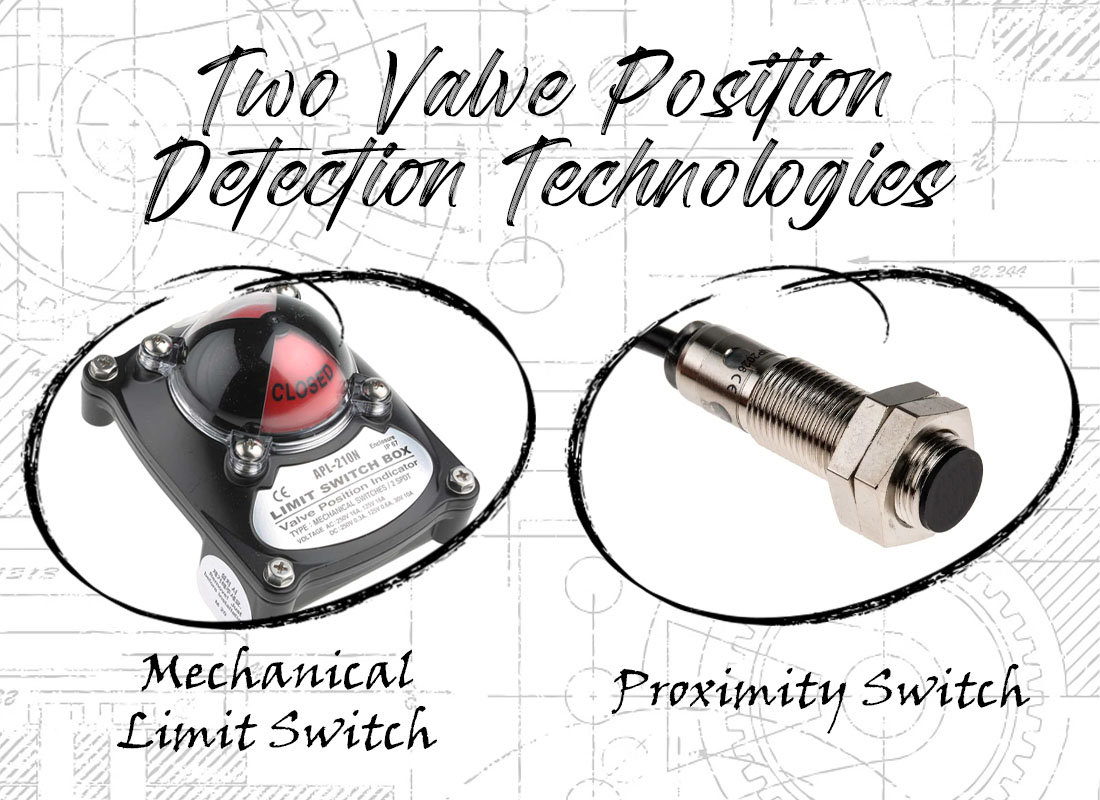
Two common designs are widely used in industrial valve automation: the mechanical limit switch and the proximity switch. Although both serve the same purpose, their internal structures and performance characteristics differ.
A mechanical limit switch typically uses a cam and micro-switch mechanism. The switch is mounted on top of a pneumatic rotary actuator and connected to the actuator shaft.
When the actuator rotates, the shaft drives the cam inside the switch box. When the valve reaches a preset position, the cam pushes a roller lever and activates the micro switch limit switch.
Once the contact is triggered, an electrical signal is sent to the control system indicating that the valve has reached its position.
Mechanical limit switches are widely used because they offer several advantages:
◆ Simple structure
◆ Reliable signal output
◆ Lower cost
However, since the system relies on physical contact, the internal switch contacts may wear over time in high-cycle applications.
A proximity switch sensor operates using non-contact detection. In this system, a magnet or metal target is mounted on the actuator shaft.
When the pneumatic actuator rotates to the designated position, the sensor detects the target and outputs an electrical signal.
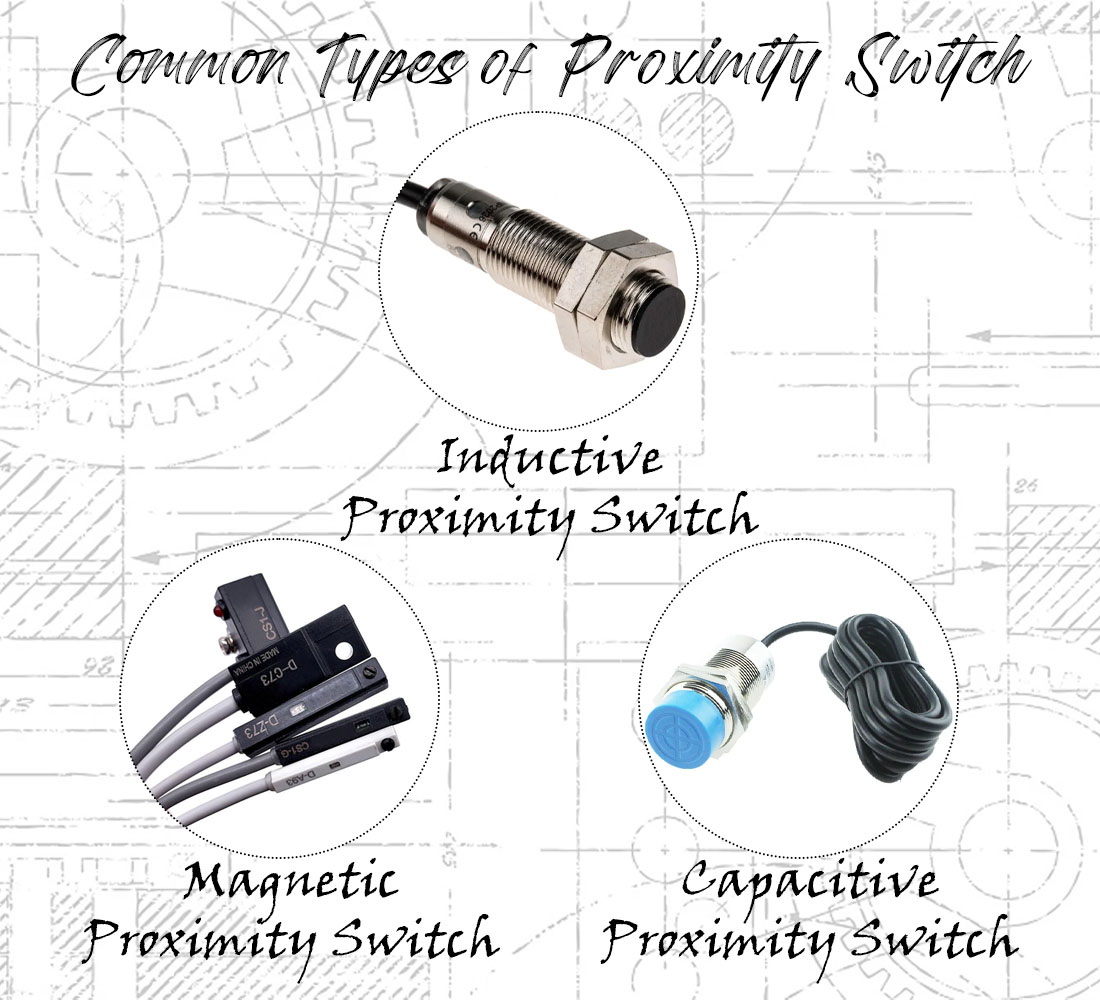
Common types include:
◆ Inductive proximity switch
◆ Magnetic proximity switch
◆ Capacitive proximity switch
Because the sensor does not require physical contact, proximity switches experience virtually no mechanical wear. This makes them ideal for high-speed or high-frequency automation systems.
The choice between the two technologies depends on application requirements such as switching frequency, cost, and durability.
| Feature | Mechanical Limit Switch | Proximity Switch |
|---|---|---|
| Detection Method | Cam + mechanical contact | Magnetic or inductive sensing |
| Contact Wear | Possible over time | No mechanical wear |
| Response Speed | Moderate | Fast |
| Service Life | Limited by contact cycles | Very long |
| Cost | Lower | Higher |
| Typical Application | Standard automation valves | High-cycle automation systems |
This comparison shows that mechanical limit switches remain suitable for many industrial systems, while proximity switches provide better performance in high-cycle applications.
Limit switches are widely used with pneumatic valve actuators in industrial automation. They are commonly installed on ball valves, butterfly valves, and other pipeline control valves.
In automated plants, these sensors provide essential feedback to PLC or DCS control systems. When a pneumatic actuator ball valve reaches the open or closed position, the limit switch sends a signal confirming the valve status.
This feedback ensures safe operation and helps operators monitor the entire valve network remotely.
When selecting limit switches for valve automation systems, engineers usually consider the following factors:
◆ Use mechanical limit switches for standard cycle applications
◆ Choose inductive proximity switches for high-frequency operation
◆ Ensure accurate alignment between the actuator shaft and sensor
◆ Periodically inspect limit switch wiring and signal output
Proper selection and installation can significantly improve the reliability of pneumatic actuator systems and ensure accurate valve position monitoring in industrial automation.
(FK9025)
You May Interest In
Mar 06, 2026 Blog
IP Protection Rating of Solenoid Valve Coils


Get a free sample

Fokca is a brand of Ningbo Fokca Automation Co., Ltd.
Looking for custom pneumatic cylinder solutions? Visit our sister brand, Fescolo.→
© 2026 Ningbo Fokca Automation Co., Ltd. All rights reserved. Sitemap