Mar 11, 2026
In many liquid transfer systems, hose expansion under pressure is often overlooked until it begins to affect flow stability or equipment performance. Standard PVC hoses are flexible and economical, but they tend to expand when internal pressure increases. This is where Fiber Reinforced PVC Flexible Tubing becomes valuable. By integrating a braided reinforcement layer, the hose structure becomes more stable, allowing PVC Flexible Tubing to maintain shape and consistent flow during operation. For equipment engineers and purchasing teams, understanding this structural difference helps prevent system inefficiencies and premature hose failure.
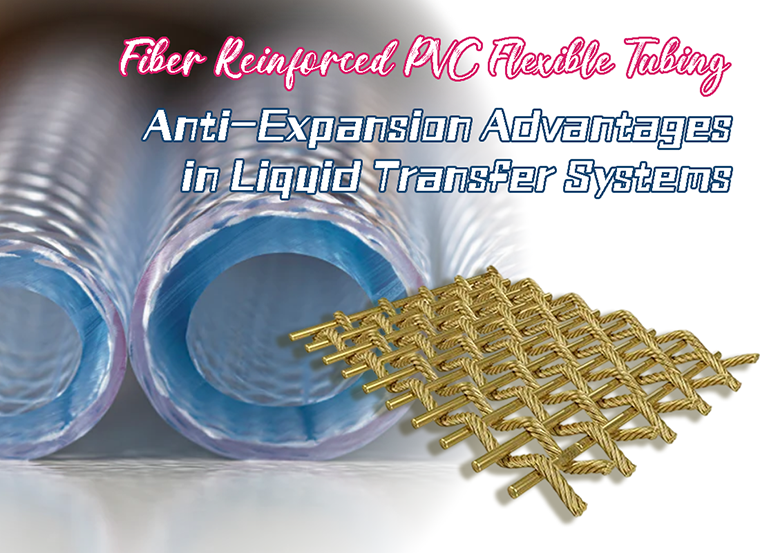
Traditional PVC Flexible Tubing is widely used because of its flexibility, transparency, and low cost. However, under moderate pressure, the tubing walls can gradually expand. This expansion increases the internal diameter of the hose, which may lead to inconsistent liquid flow or reduced pressure at the outlet.
For irrigation systems or industrial water lines, this issue can create unstable delivery performance. Even small diameter changes may influence flow accuracy in automated systems. In continuous operations, repeated pressure cycles can also weaken the tubing wall, shortening its service life.
The key difference lies in the reinforcement structure. Fiber Reinforced PVC Flexible Tubing includes a braided polyester or fiber mesh embedded between two PVC layers. This structure acts like a structural skeleton inside the hose.
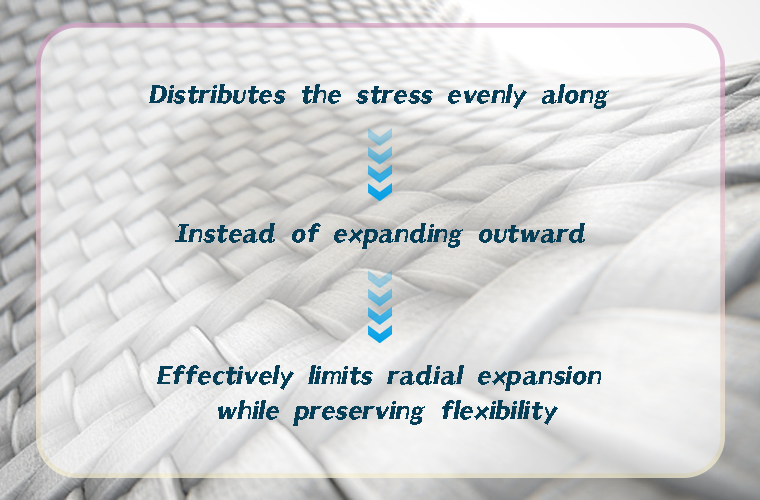
When pressure builds inside the hose, the braid distributes the stress evenly along the hose length. Instead of expanding outward, the tubing maintains its shape. The braided layer effectively limits radial expansion while preserving flexibility.
Because of this design, PVC Fiber Reinforced Hose offers a more stable internal diameter and improved pressure tolerance compared with ordinary PVC hoses.
Understanding the construction difference helps engineers select the correct hose type.
| Feature | Standard PVC Tubing | PVC Fiber Reinforced Hose |
|---|---|---|
| Structure | Single PVC layer | PVC + braided fiber + PVC |
| Pressure resistance | Low to moderate | Moderate to high |
| Expansion under pressure | Noticeable | Minimal expansion |
| Flow stability | Variable | Consistent flow rate |
| Service life | Moderate | Longer in pressure systems |
This reinforced structure explains why PVC Braided Hose is commonly used where pressure fluctuations occur.
Agricultural irrigation systems frequently rely on flexible hoses for water delivery across large areas. Pumps can create fluctuating pressure, especially in long pipelines.
In these situations, PVC Fiber Reinforced Hose performs better because the braid limits hose expansion. Stable tubing diameter ensures predictable water flow, which is essential for drip irrigation or automated watering systems.
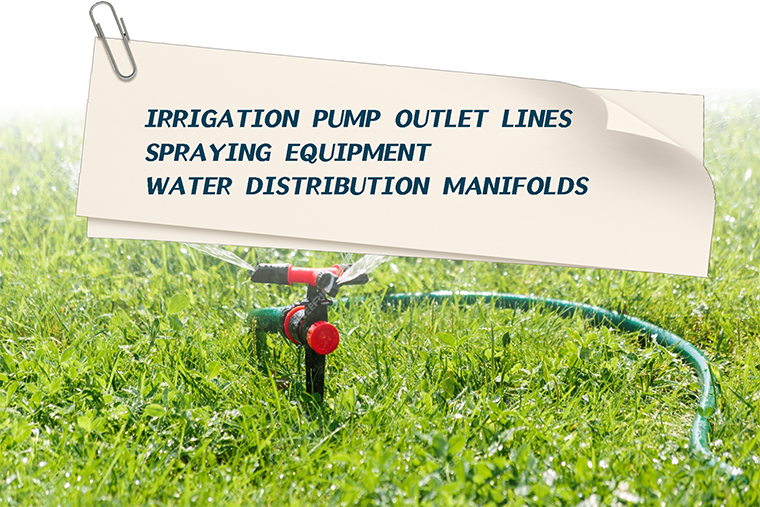
Farm equipment manufacturers often select PVC Braided Hose for:
◆Irrigation pump outlet lines
◆Spraying equipment
◆Water distribution manifolds
The reinforced construction reduces the risk of hose deformation during extended operation.
In factories, water transfer is used for cooling, cleaning, and processing operations. Systems may run continuously and experience pressure spikes from pumps or valves.
Standard tubing may gradually deform, but Fiber Reinforced PVC Flexible Tubing maintains structural integrity during repeated pressure cycles. This makes it suitable for:
◆Industrial cooling water lines
◆Equipment washing systems
◆General liquid transfer in production lines
Engineers often choose reinforced tubing to maintain stable pressure delivery and long service intervals.
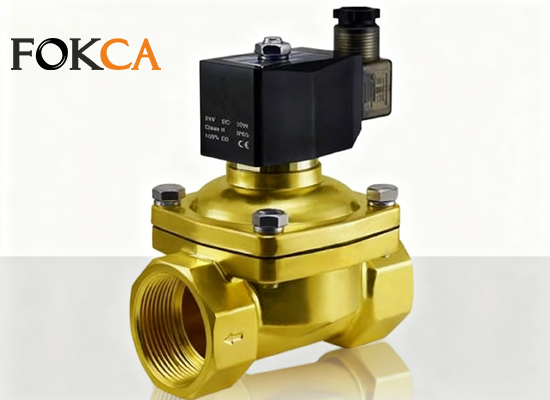
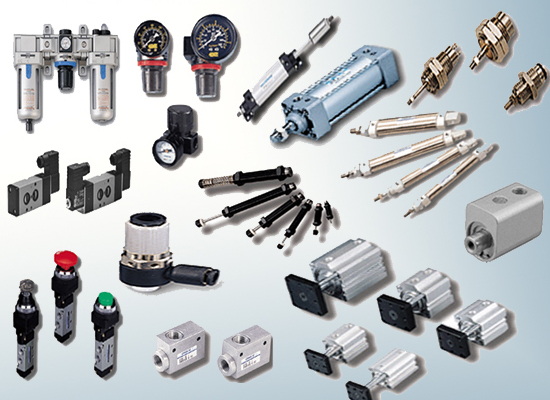
For industrial pneumatic and fluid systems, reinforced tubing is frequently paired with components such as pneumatic fittings or automated valves. Related components can be found in solutions like pneumatic quick connectors and industrial solenoid valve systems that support reliable fluid control.
Choosing the correct hose involves more than diameter selection. Engineers typically consider several factors before purchasing PVC Flexible Tubing.
| Selection Factor | Engineering Consideration |
|---|---|
| Working pressure | Must match pump output pressure |
| Temperature range | Ensure compatibility with liquid temperature |
| Reinforcement density | Higher braid density improves pressure resistance |
| Hose diameter | Determines flow rate and pressure loss |
Industry reports from hose manufacturing associations show that reinforced PVC hoses can increase pressure tolerance by 30–50% compared with standard PVC tubing, depending on braid density and wall thickness.
This improvement explains why PVC Fiber Reinforced Hose has become a preferred solution in both agricultural and industrial liquid transfer systems.
Reliable fluid transfer systems depend on hose stability as much as pumps or valves. When pressure conditions vary, Fiber Reinforced PVC Flexible Tubing provides the structural strength needed to reduce expansion and maintain consistent flow. For distributors, equipment engineers, and procurement teams, selecting reinforced tubing can significantly improve system reliability and long-term operating efficiency.
(FK9026)
You May Interest In

Dec 02, 2025 Blog
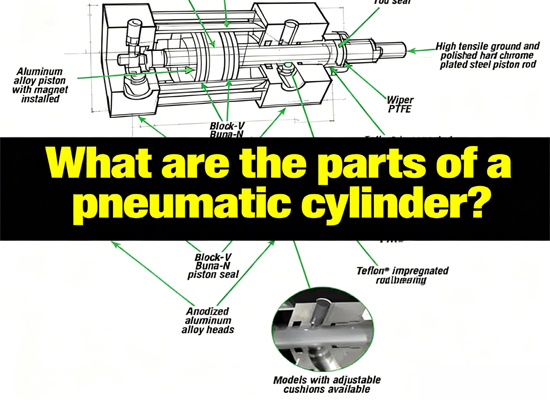
What are the parts of a pneumatic cylinder?

Apr 18, 2025 Blog
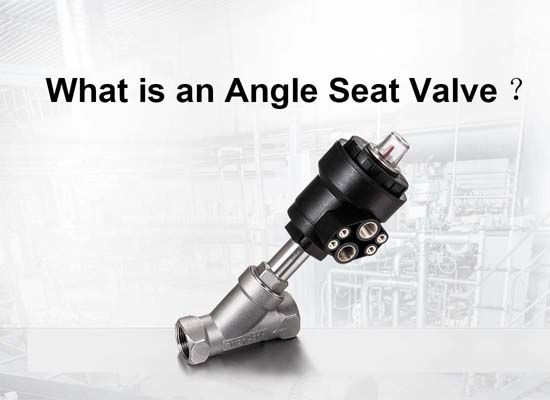
What is an Angle Seat Valve?
Get a free sample

Fokca is a brand of Ningbo Fokca Automation Co., Ltd.
Looking for custom pneumatic cylinder solutions? Visit our sister brand, Fescolo.→
© 2026 Ningbo Fokca Automation Co., Ltd. All rights reserved. Sitemap