Jan 04, 2026
PVC pipes are widely used in daily life and industrial applications due to their low cost, corrosion resistance, and easy of installation, making them one of the most commonly used piping materials.
Many people choose PVC push-on connectors for home repairs, irrigation systems, or temporary piping installations because they are quick to install, require no glue, and don't require complicated tools. However, a common question arises:
Can these connectors be disassembled?
Can they be reused after disassembly?
Will repeated use cause leaks or safety issues?
Understanding how push-on connectors work, the correct disassembly and assembly methods, and usage limitations can prevent rework, leaks, and even system failures.
Push-on PVC pipe and connectors typically consist of the following key components:
Rubber O-ring: Responsible for forming a waterproof seal
Stainless steel or plastic claws: Prevent the pipe from being pulled out
Release collar: Used to release the claws during disassembly
Used outer shell: Provides structural support
When the PVC pipe is inserted into the connector, the pipe first passes through the O-ring and is then locked by the internal claws.
This type of connector doesn't rely on chemical bonding. Instead, it achieves a reliable seal through:
Radial compression of the pipe wall by the O-ring
Elastic fit between the pipe surface and the sealing ring
As long as the pipe cut is clean and the connector is properly inserted, the seal is very consistent.
Most push-on connectors are designed with a release ring:
Turn off the water supply and release system pressure
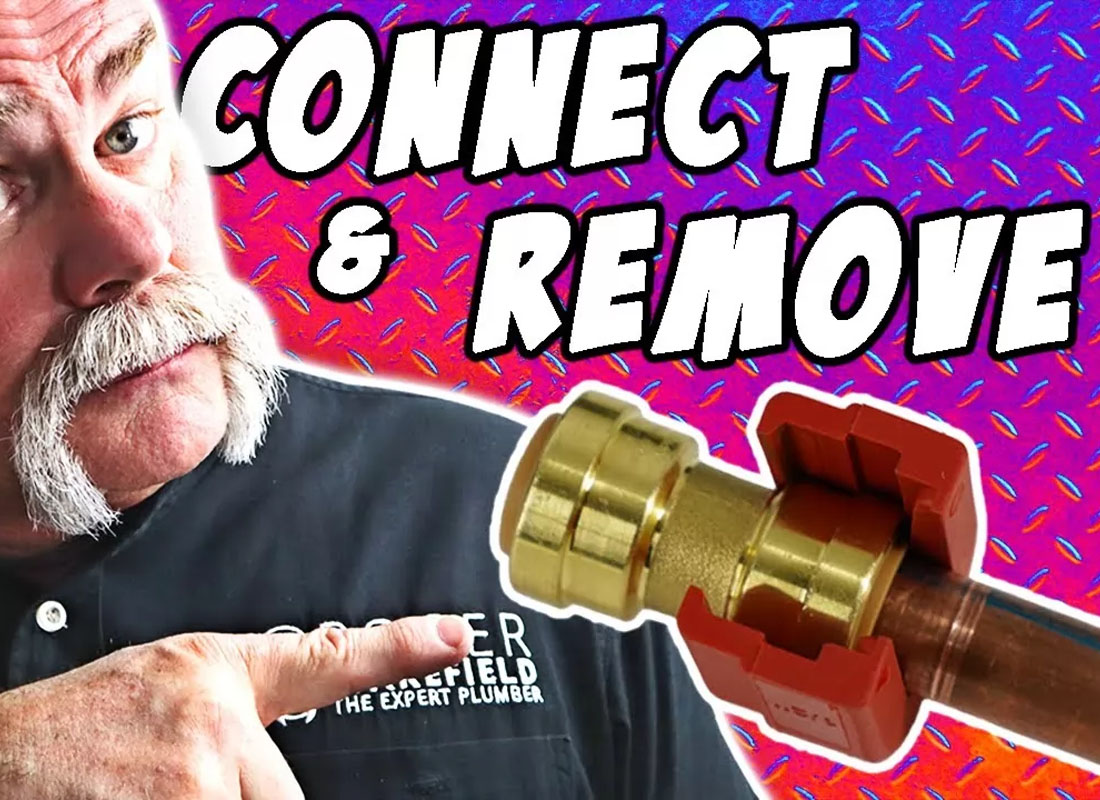
Press the release ring towards the connector body
Simultaneously pull the PVC pipe outwards
The release ring temporarily loosens the internal clamps, allowing the pipe to be pulled out.
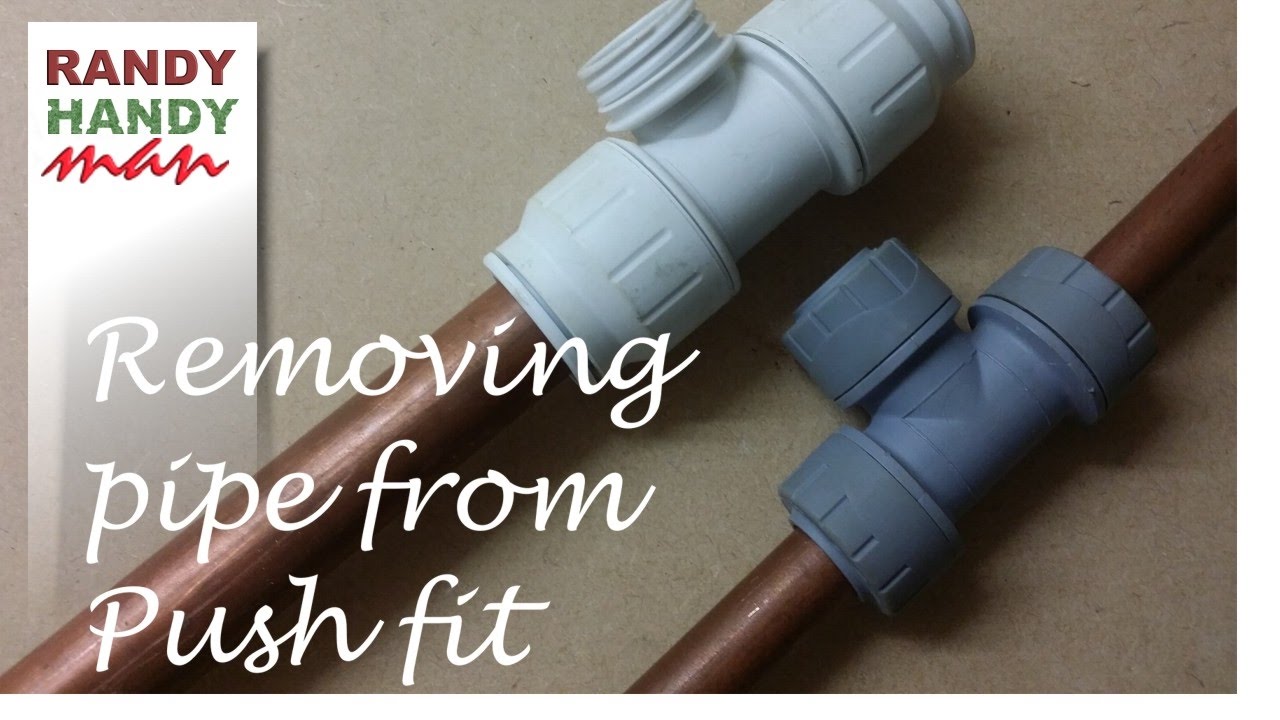
In confined spaces or when the release ring is tight, you can use:
Plastic removal clamps
Brand-specific removal tools
These tools apply force more evenly, reducing damage to the connector and pipe.
Pulling the pipe without fully pressing the release ring
Disassembling while the system is still pressurized
Using pliers to clamp the pipe, causing deformation
These mistakes can damage the O-ring or clamps, rendering it unusable.
Before reconnecting, carefully inspect the pipe and the O-ring. Check the pipe ends for any scratches, cracks, or deformation, and make sure the O-ring is not aged, cracked, or displaced. Also inspect the inside of the connector for sand, dirt, or debris. Any of these issues can compromise the seal and lead to leaks.
When reconnecting, push the pipe straight into the connector until it reaches the full insertion depth. You will usually feel a noticeable change in resistance when the pipe is fully seated. To ensure proper installation, you can mark the insertion depth on the pipe in advance so you can visually confirm that it has been inserted completely.
Slowly restore water supply
Observe the connection for leaks
Gently pull the pipe to confirm it's securely locked
If a leak is found, immediately remove and re-inspect.
Safety and Pressure Considerations
Pressure Rating
Not all push-on fittings are suitable for high-pressure systems:
Domestic cold water systems are generally fine.
For high-pressure, industrial, or pumped systems, check the manufacturer's pressure rating.
Exceeding the rated pressure can cause seal failure.
Temperature Limitations
Most push-on fittings are suitable for cold or normal temperature water.
High-temperature water or hot circulation environments may accelerate O-ring aging.
Outdoor use requires attention to UV radiation.
Temperature changes can also cause pipe expansion and contraction, affecting the seal.
Extending Service Life
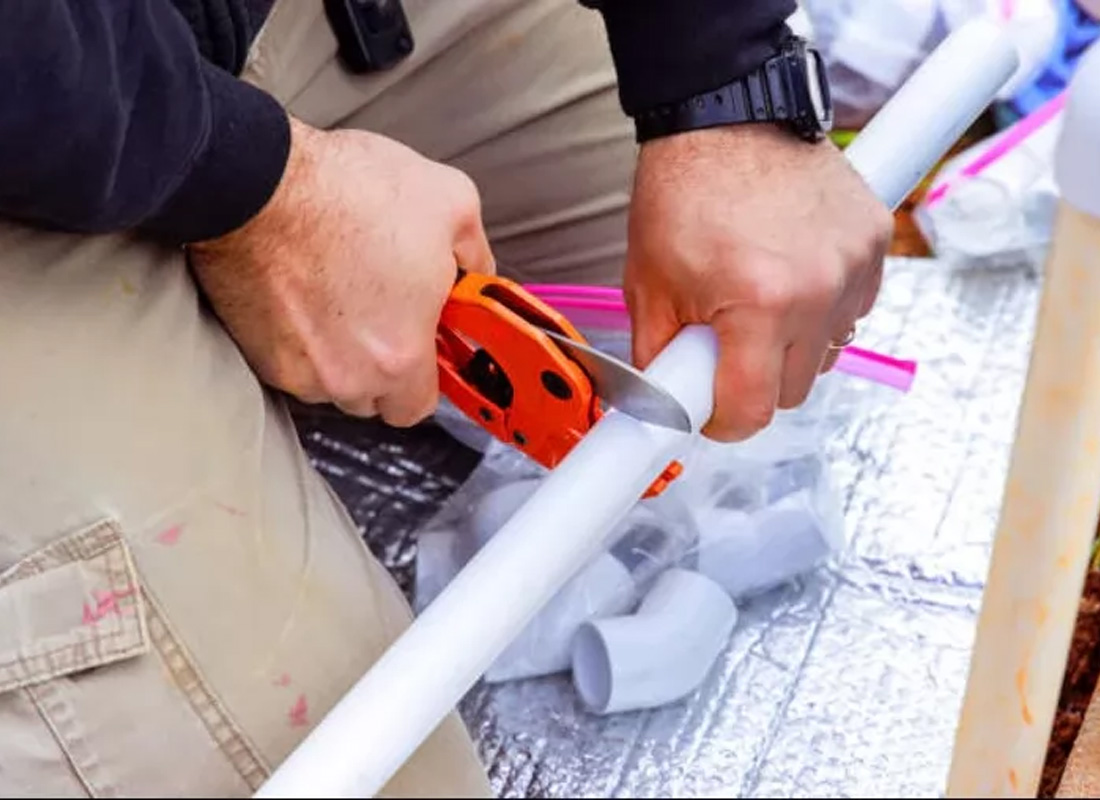
Ensure each cut is straight and burr-free.
Avoid excessive disassembly and assembly.
Avoid use in areas of pipe stress or vibration.
Regularly check for signs of aging.
If the O-ring is faulty, replace the entire fitting immediately.
Push-on fittings are better suited for "maintainable" rather than "permanently ignored".
| Comparison Item | Push-In Fittings | PVC Rigid Conduit Accessories |
|---|---|---|
| Definition & Purpose | Used in fluid or gas piping systems, allowing quick connection by simply pushing the pipe into the fitting | Used in electrical wiring systems, for connecting, securing, and protecting electrical wires and cables |
| Common Applications | Water supply systems, irrigation systems, pneumatic systems, temporary or maintainable piping | Building electrical installations, industrial cable routing, underground or in-wall wiring |
| Core Function Difference | Conveying media (liquid/gas) | Protecting electrical wires |
| Connection Method | Tool-free and glue-free; sealed with O-ring and secured by internal gripping teeth | Solvent cement (glue) or threaded connections |
| Removability | Supports quick removal and reconnection (depending on the model) | Usually permanent or semi-permanent connections |
| Installation Characteristics | Quick and easy installation, suitable for on-site modifications | Requires measuring, cutting, and glue or threading; suited for standardized, long-term installation |
PVC Push-on Connectors:
✅ Quick installation, detachable, suitable for maintenance and temporary systems
❌ Not necessarily suitable for high voltage, high temperature, or permanent concealed installations
The conclusion is:
If your project requires flexibility and maintainability, push-on connectors are a good choice; if a long-term, permanent, inaccessible connection is required, traditional adhesive bonding may be more reliable.
(FK9016)
 AV700 Series Fill Valve: A Comprehensive Application Guide
 Pilot Pressure vs Working Pressure in Industrial Valves: Key Differences and Selection Guide
 Water Hammer Explained: Why Angle Seat Valves Are the Optimal Solution
 Valve Flow Rate Comparison: An Analysis of Four Common Valve Types
 The Temperature Limit of Valves: How Seal Material Affects Valve Body Performance
You May Interest In

Dec 02, 2025 Blog
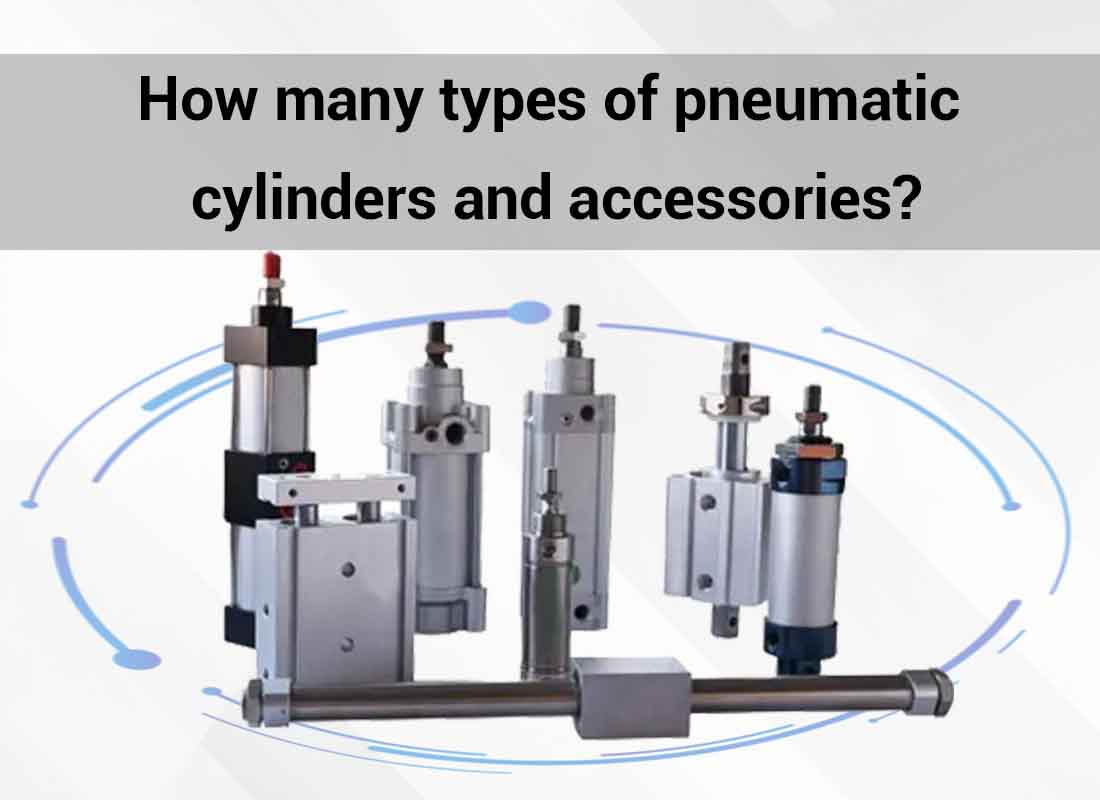
What are the parts of a pneumatic cylinder?
Apr 18, 2025 Blog
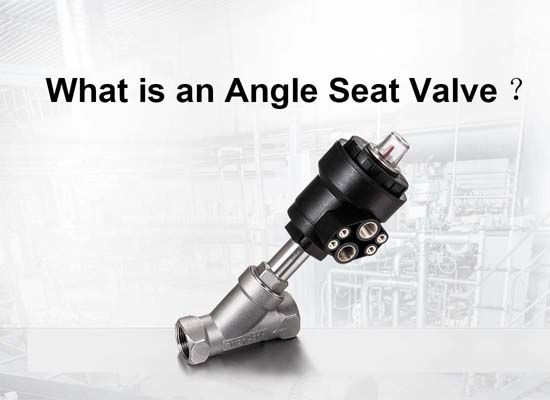
What is an Angle Seat Valve?
Get a free sample

Fokca is a brand of Ningbo Fokca Automation Co., Ltd.
Looking for custom pneumatic cylinder solutions? Visit our sister brand, Fescolo.→
© 2026 Ningbo Fokca Automation Co., Ltd. All rights reserved. Sitemap