Jan 05, 2026
As a distributor, we usually explain to our customers that PVC pipes need to be cut in the following situations to ensure smooth installation and safe, reliable operation of the system.
On-site dimensions are not fixed
PVC pipes are typically supplied in standard lengths, while actual installation distances vary. Cutting the pipe allows it to match the exact on-site requirements.
Proper compatibility with connectors
Whether using push-on connectors or other types of fittings, each connector has a required insertion depth. Cutting the pipe to the correct length ensures full insertion and a secure connection.
Improved sealing and leak prevention
Cutting and preparing the pipe end creates a smooth, square surface, allowing the connector or sealing ring to perform at its best and reduce the risk of leaks.
Neater and more stable pipe layout
Proper cutting helps prevent stress, bending, or forced installation, resulting in a cleaner layout and a more durable piping system.
Accurate measurement and cutting are crucial when installing PVC pipes. Pipes that are too long or too short can prevent fittings from being properly installed, leading to leaks or system failures. This is especially important in water supply, drainage, or irrigation systems, where even small errors can affect flow efficiency and sealing performance.
◆ Ignoring the insertion depth of fittings
◆ Taking inaccurate measurements
◆ Making non-perpendicular or angled cuts
◆ Failing to deburr the pipe ends
◆ Not performing a dry-fit test before assembly
Before installing PVC pipes, prepare the following tools:
Measuring tape: to measure pipe length and mark cutting points
Marker: to mark cutting lines on the pipe
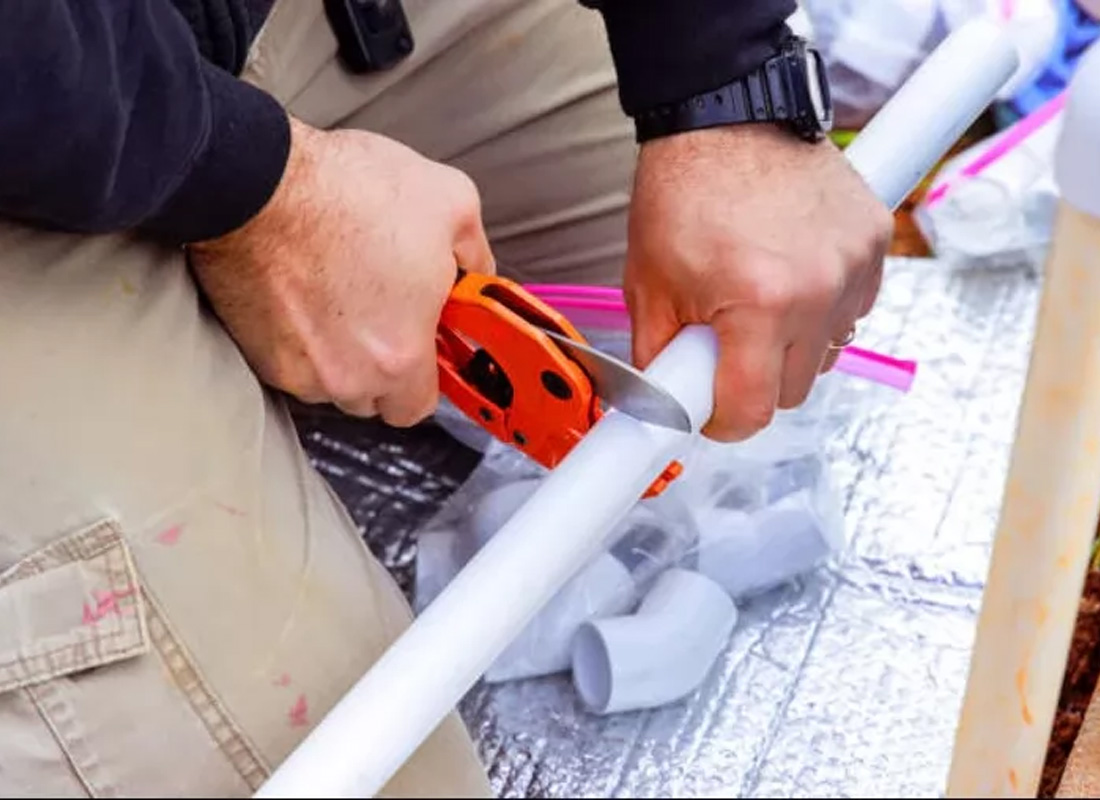
PVC pipe cutter / hand saw: to cut the pipe and ensure a straight edge
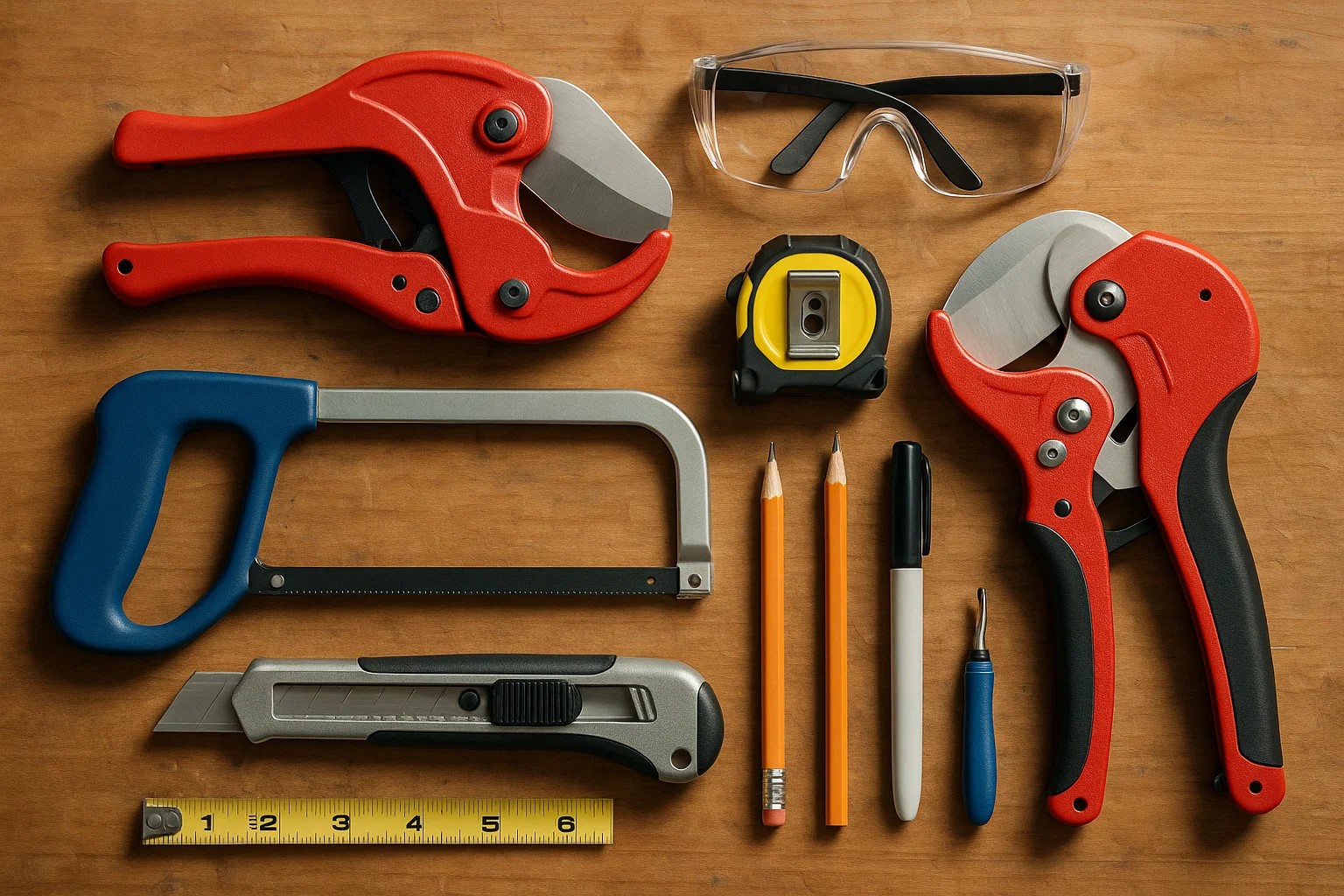
When measuring PVC pipe, you need to account for the insertion depth of each fitting. Ignoring this can result in pipes that are too long or too short, preventing full insertion or proper sealing.
Center-to-center measurement: measures the distance between the centers of fittings, commonly used for elbows or tee connections
End-to-end measurement: measures the actual length of the pipe ends, used for straight pipe runs
Measure and Mark the Pipe:Use a measuring tape to determine the required length. Mark the cutting line clearly around the pipe to ensure accuracy.
Secure the Pipe:Hold the pipe firmly on a stable surface or use a clamp to prevent movement during cutting.
Choose the Right Cutting Tool:Use a PVC pipe cutter for small to medium diameters and use a hacksaw or miter saw for larger pipes
Cut Slowly and Evenly:Apply steady pressure and keep the blade aligned with the marked line to achieve a straight cut.
Check the Cut End:Ensure the pipe end is square and even. An uneven cut may affect the fit with connectors.
Deburr and Smooth the Edge:Remove burrs and sharp edges using sandpaper or a deburring tool to prepare the pipe for installation.
◆ Regular Pipe System Inspection
◆ Replacing or Reinstalling Connectors
◆ Cleaning the Pipe System
◆ Resealing Pipe Connections
◆ Adjusting and Reinforcing Pipe Layout
◆ Partial Pipe Replacement
PVC connectors mainly come in types such as straight couplings, elbows, and tees, each serving a specific purpose:
Straight coupling: extends the length of the pipe
Elbow: changes the direction of the pipe
Tee: allows branching or merging of pipes
Each fitting has a specified insertion depth, also called socket depth, which is the length the pipe must be inserted to ensure a proper seal and stability. Failing to account for this can result in leaks or loose connections.
(FK9016)
 AV700 Series Fill Valve: A Comprehensive Application Guide
 Pilot Pressure vs Working Pressure in Industrial Valves: Key Differences and Selection Guide
 Water Hammer Explained: Why Angle Seat Valves Are the Optimal Solution
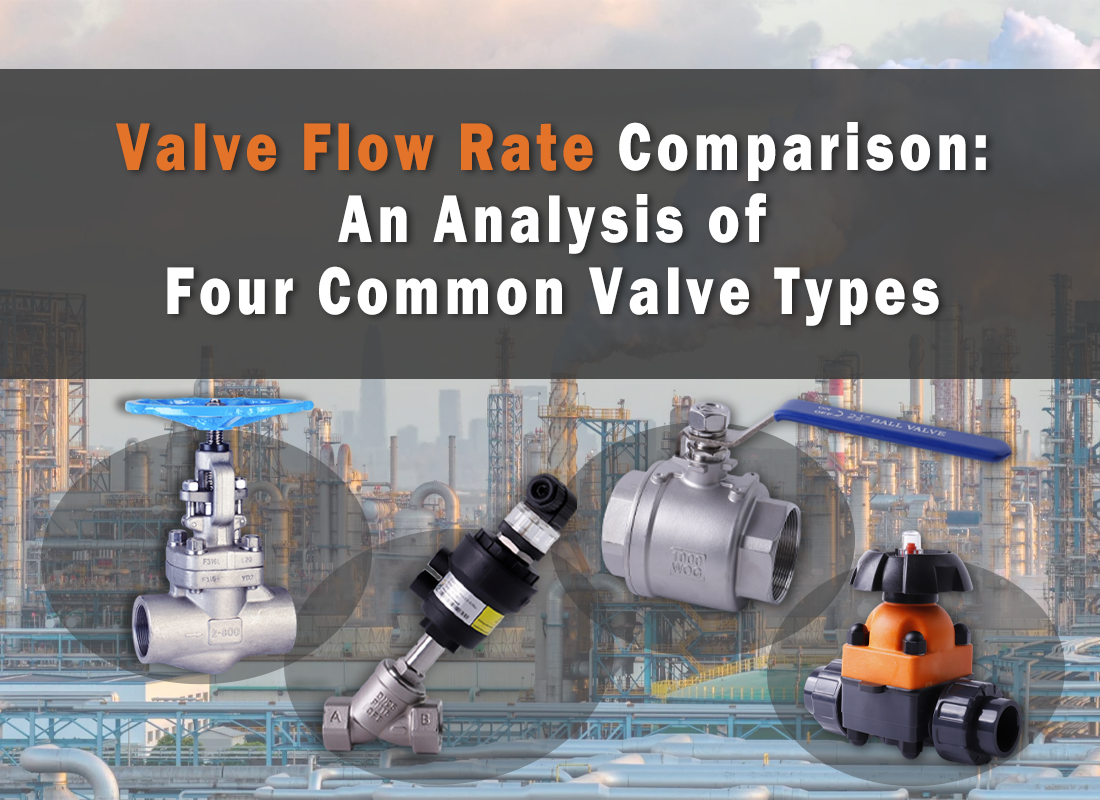 Valve Flow Rate Comparison: An Analysis of Four Common Valve Types
 The Temperature Limit of Valves: How Seal Material Affects Valve Body Performance
You May Interest In

Dec 02, 2025 Blog
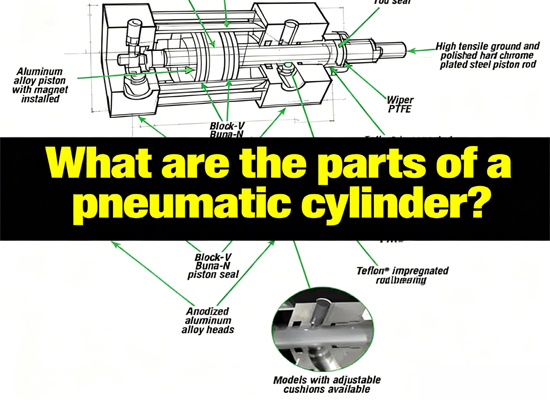
What are the parts of a pneumatic cylinder?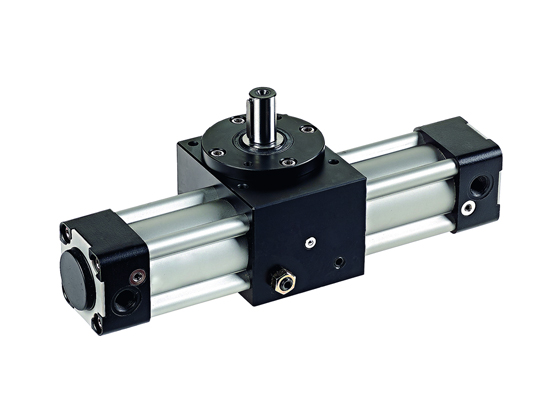
Apr 18, 2025 Blog
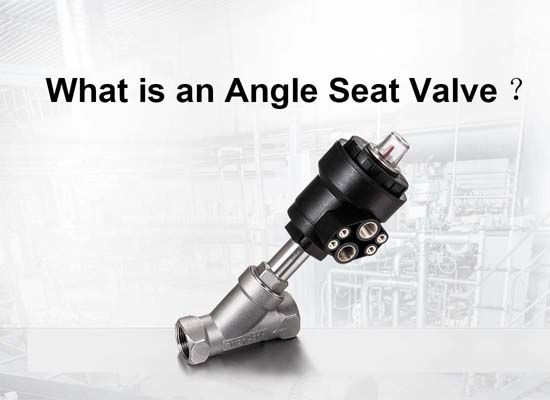
What is an Angle Seat Valve?
Get a free sample

Fokca is a brand of Ningbo Fokca Automation Co., Ltd.
Looking for custom pneumatic cylinder solutions? Visit our sister brand, Fescolo.→
© 2026 Ningbo Fokca Automation Co., Ltd. All rights reserved. Sitemap