Feb 10, 2026
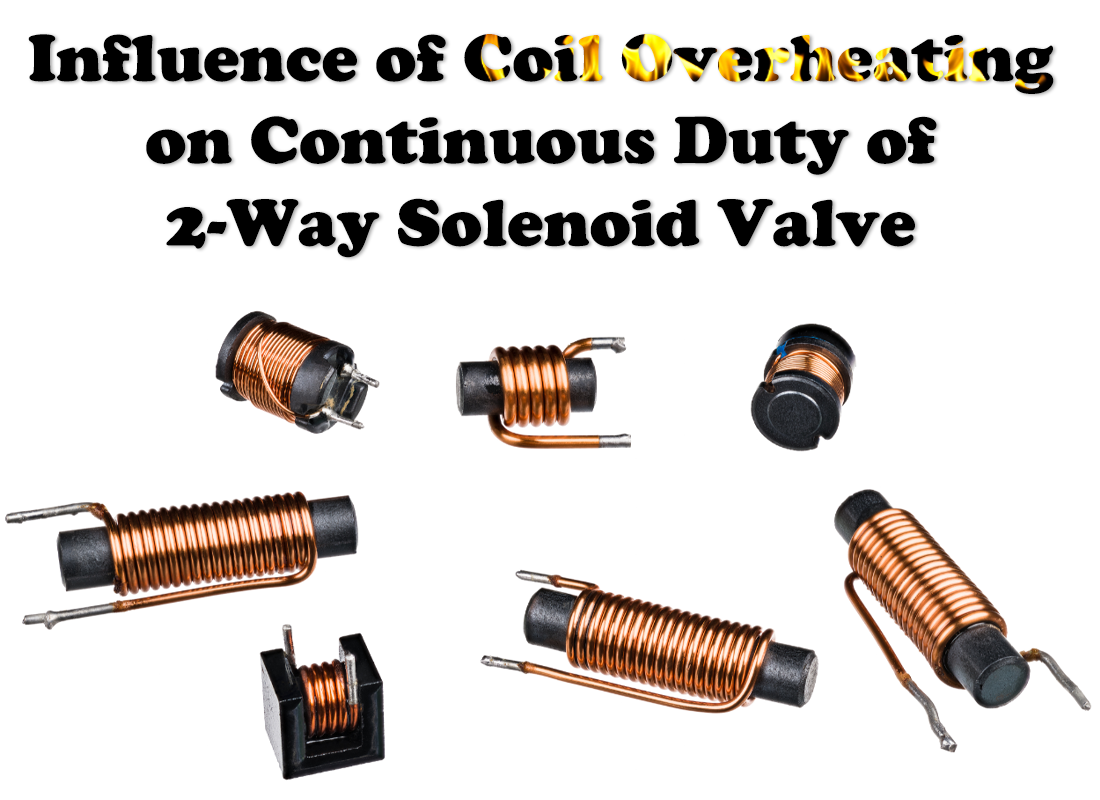
In many automation systems, a 2 way solenoid valve is required to stay energized for hours, such as pressure holding in water treatment or standby in industrial automation. Under this condition, heat accumulates inside the coil while ventilation is often limited. Field experience shows that excessive temperature rise reduces magnetic force, leading to unstable actuation of the spool and abnormal flow.
When temperature increases, the resistance of the copper winding rises and the current decreases. For direct acting 2 way solenoid valve, the pull force may not overcome the spring. In pilot operated 2 way solenoid valve, insufficient pilot pressure results in delayed opening. Many normally closed 2 way solenoid valve failures are actually thermal problems rather than mechanical sticking.
Overheating also affects materials. The housing of a sealed 2 way solenoid valve can deform slightly, increasing friction. Elastomer seals harden and lose elasticity, especially in 2 way solenoid valve for steam or hot water applications. This shortens service life dramatically.
| Influence Item | Direct Result | System Symptom |
|---|---|---|
| Coil resistance rise | Current drop | Slow opening |
| Magnetic force reduction | Insufficient pull | Valve cannot stay energized |
| Insulation aging | Short circuit risk | Coil burn |
| Plastic deformation | Spool friction | Unstable flow |
| Seal hardening | Leakage | Pressure loss |
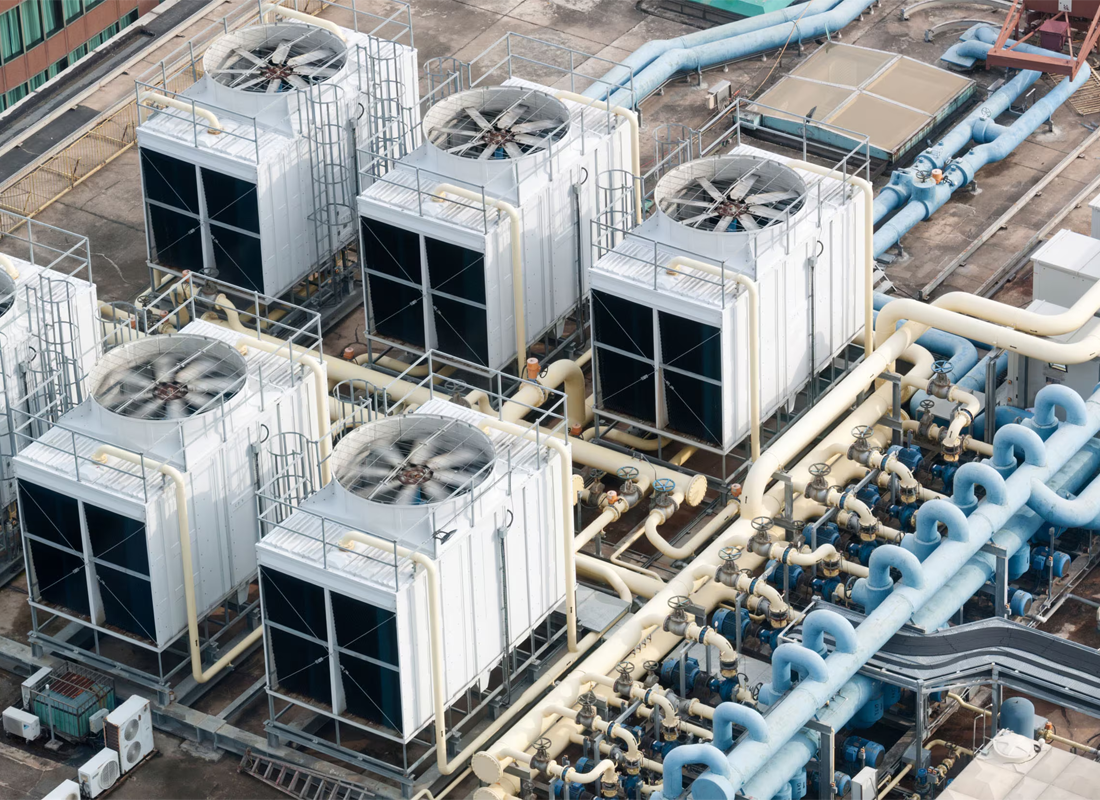
A 2 way pneumatic solenoid valve with frequent air flow gains natural cooling, while valves in 2 way solenoid valve for HVAC or water treatment remain energized without cooling. High pressure 2 way solenoid valve bodies store more heat and require higher insulation class. Ignoring duty cycle in the 2 way solenoid valve sizing chart is a common selection mistake.
Voltage deviation directly changes coil power. The 2 way solenoid valve coil voltage comparison shows DC coils are sensitive to line drop. Mounting on metal brackets helps heat dissipation, while enclosed plastic boxes trap heat and accelerate aging.
◆ Use low power or continuous-duty coils
◆ Design rest intervals in 2 way solenoid valve control system
◆ Follow 2 way solenoid valve maintenance tips to check resistance
◆ Choose proper type for 2 way solenoid valve for chemical process or water systems
When deciding between different types such as 2 way solenoid valve vs 3 way solenoid valve, understanding thermal behavior is as important as flow capacity. Correct design protects reliability and avoids unnecessary replacement.
(FK9025)
 Pilot Pressure vs Working Pressure in Industrial Valves: Key Differences and Selection Guide
 Water Hammer Explained: Why Angle Seat Valves Are the Optimal Solution
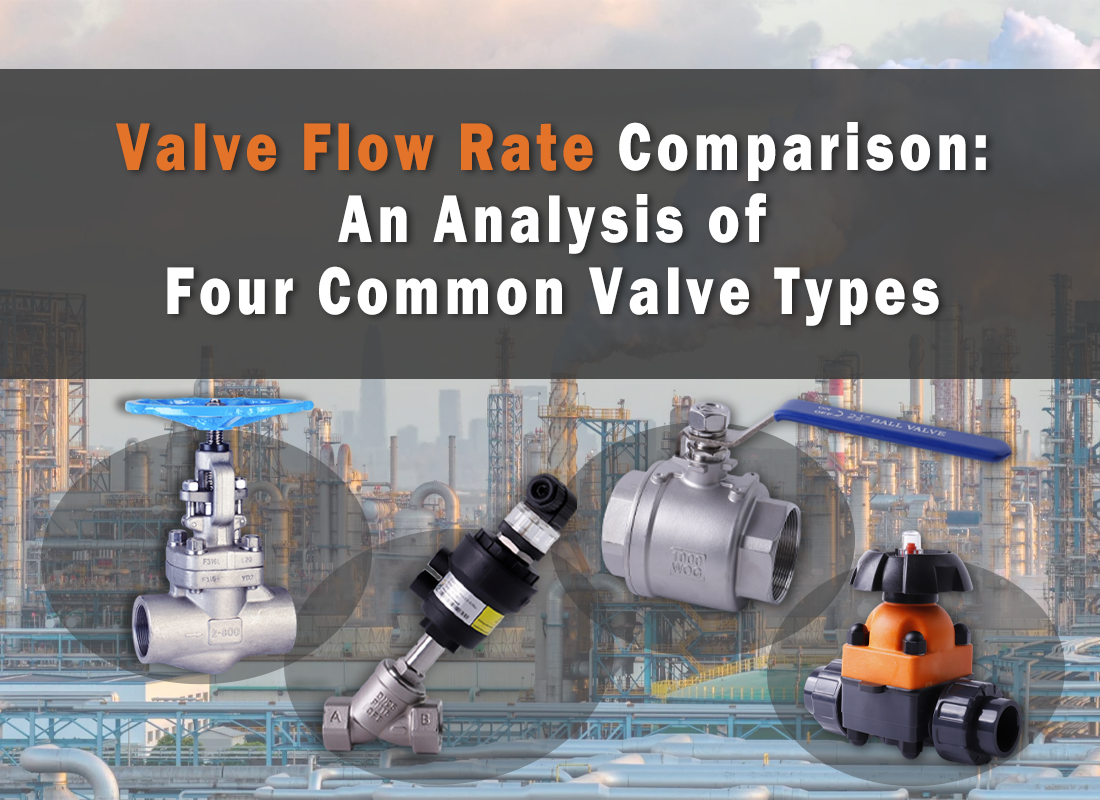 Valve Flow Rate Comparison: An Analysis of Four Common Valve Types
 The Temperature Limit of Valves: How Seal Material Affects Valve Body Performance
 Valve Flow Coefficients CV & KV: Differences Analysis and Selection Guide
You May Interest In

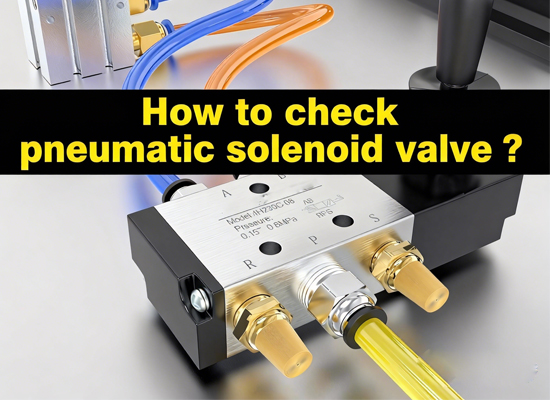
Dec 06, 2025 Blog
How to check pneumatic solenoid valve?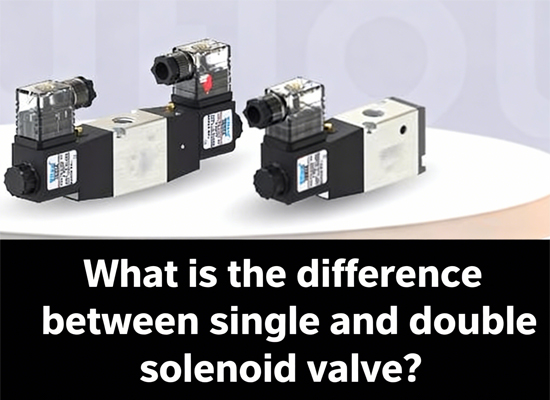
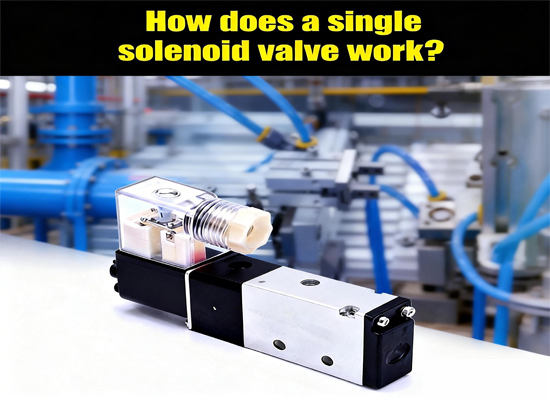
Dec 04, 2025 Blog
How does a single solenoid valve work?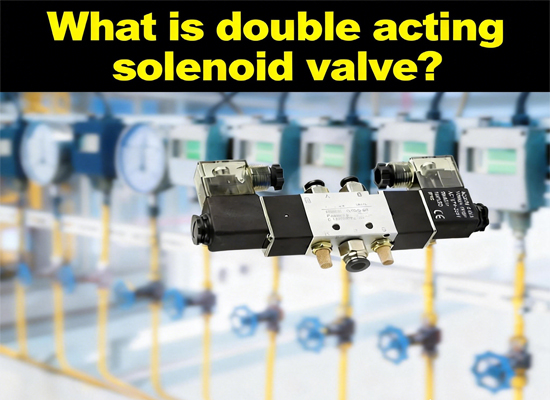
Dec 03, 2025 Blog
What is double acting solenoid valve?
Dec 02, 2025 Blog
How to clean a pneumatic solenoid valve?
Nov 30, 2025 Blog
How to select pneumatic solenoid valve?
Nov 29, 2025 Blog
Operational Mechanism of Pneumatic Solenoid Valves
Nov 27, 2025 Blog
What is pilot operated solenoid valve?
Get a free sample

Fokca is a brand of Ningbo Fokca Automation Co., Ltd.
Looking for custom pneumatic cylinder solutions? Visit our sister brand, Fescolo.→
© 2026 Ningbo Fokca Automation Co., Ltd. All rights reserved. Sitemap