Nov 30, 2025
In the field of industrial automation, pneumatic solenoid valves are critical components for controlling the airflow to cylinders, actuators, and other pneumatic devices. There are various types of solenoid valves on the market—direct-acting, pilot-operated, single-acting, double-acting, as well as different port sizes and configurations. Therefore, selecting the right valve from this wide range is an important aspect of engineering design and system optimization.
Choosing the correct solenoid valve not only ensures reliable system control operation but also improves energy efficiency, response speed, and equipment longevity. Key factors to consider during selection include operating pressure, flow requirements, response time, cylinder type, and the cleanliness of the medium.
The two main types of pneumatic solenoid valves are direct-acting and pilot-operated.The difference between the two lies in the controlled flow capacity and power consumption.
Direct-Acting:
Pros: Works from 0 bar ; fast response; simple design.
Cons: Limited flow capacity; higher power consumption for its size.
Choose for: Small cylinders, low flow applications, or when the system must operate at very low pressure.
Pilot-Operated:
Pros: Handles large flows; lower power consumption; compact coil.
Cons: Requires a minimum pilot pressure to function; slightly slower response.
Choose for: Most industrial applications, especially with medium to large cylinders requiring high flow rates. This is the default choice for power efficiency.
If you want to gain a more comprehensive understanding of these two types of solenoid valves, you can read this article which explains their working principles and can provide you with reasonable advice on your choice.
3/2 Way:This type of solenoid valve features three ports: one inlet, one outlet, and one exhaust. Its simple structure makes it suitable for low-flow applications, enabling basic on/off functions through single-path control.
5/2 Way:This type of solenoid valve is the mainstream industrial choice, featuring five ports: one inlet, two outlets, and two exhausts, capable of fulfilling dual-path control requirements.
5/3 Way:This type of solenoid valve shares the same pneumatic pathway structure as the 5/2 Way valve but adds an intermediate stop position for precise control.
If you need to control a single acting cylinder or perform low flow blowing:
Preferred direct acting 3/2 Way valve.
If you need to control a standard sized double acting cylinder (whether or not a center stop is required):
Preferred are pilot operated 5/2 Way or pilot operated 5/3 Way valves.
If you need to control a very miniature double acting cylinder with extremely limited space and power consumption:
You can search for a direct acting 5/2 Way valve.
Aluminum Alloy Valve:Lightweight, low-pressure general-purpose gas lines.
Stainless Steel Valve:Corrosion-resistant high-pressure industrial and food/pharmaceutical applications
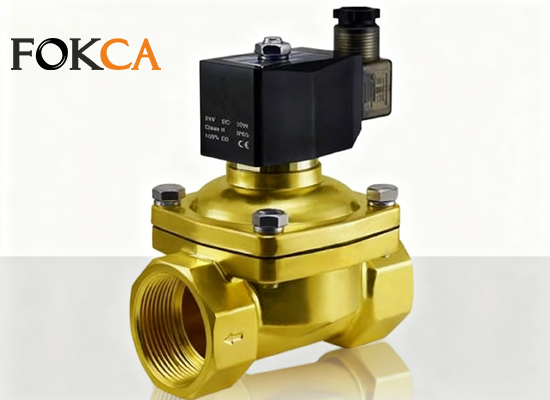
Brass Valve:Economical, pressure-resistant general-purpose industrial applications.
Plastic / Engineering Plastics Valve:Corrosion-resistant low-pressure water treatment and laboratory applications.
Composite / Alloy + Plastic Valve:Special industrial environments requiring both pressure and corrosion resistance.
Fokca is an industrial-grade solenoid valve manufacturer with the capability to produce and process various types and series of solenoid valves. We use high-quality materials, conduct professional performance testing, and have extensive overseas customer service collaborations. If you would like to learn more about Fokca solenoid valves, please contact us directly or visit our website homepage.
Other websites related to manufacturing:
(9016)
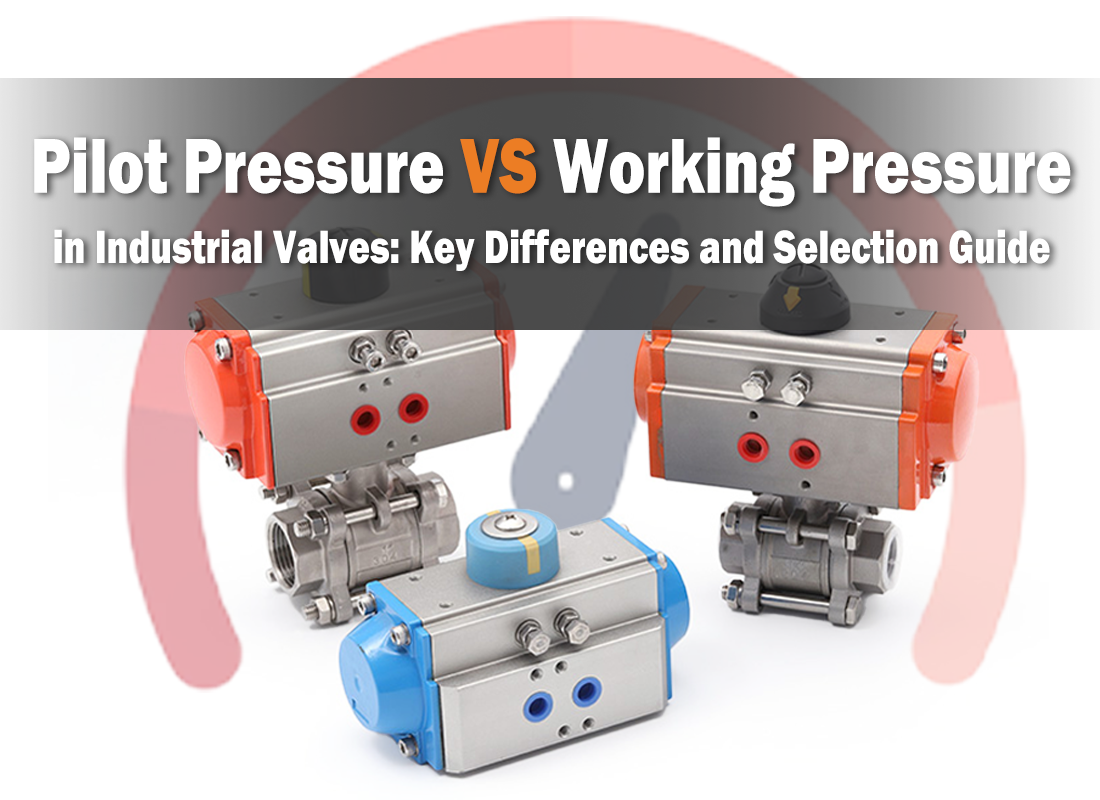 Pilot Pressure vs Working Pressure in Industrial Valves: Key Differences and Selection Guide
 Water Hammer Explained: Why Angle Seat Valves Are the Optimal Solution
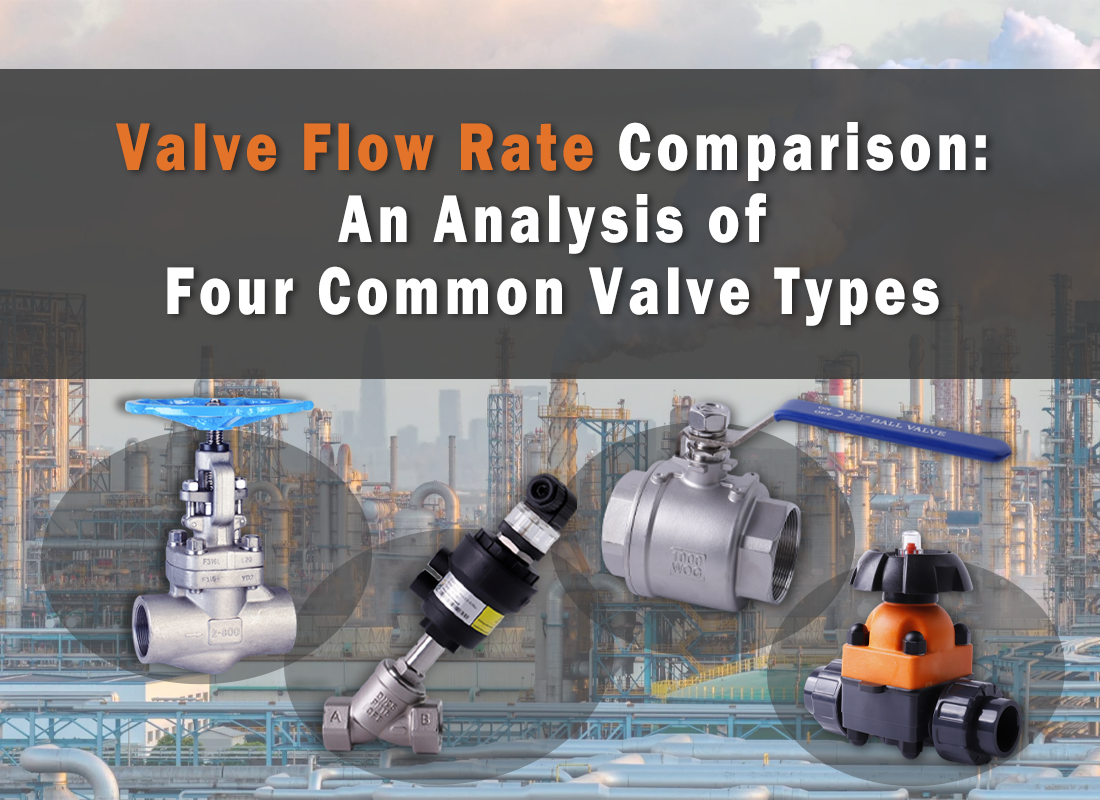 Valve Flow Rate Comparison: An Analysis of Four Common Valve Types
 The Temperature Limit of Valves: How Seal Material Affects Valve Body Performance
 Valve Flow Coefficients CV & KV: Differences Analysis and Selection Guide
You May Interest In

Dec 02, 2025 Blog
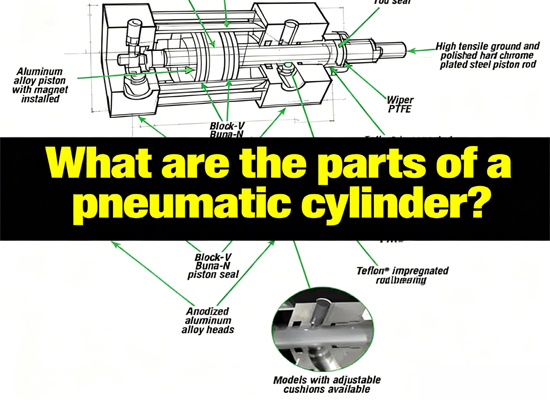
What are the parts of a pneumatic cylinder?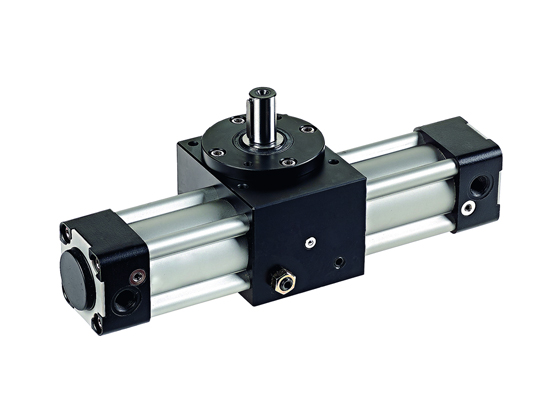

Apr 18, 2025 Blog
What is an Angle Seat Valve?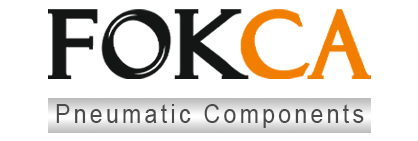
Get a free sample

Fokca is a brand of Ningbo Fokca Automation Co., Ltd.
Looking for custom pneumatic cylinder solutions? Visit our sister brand, Fescolo.→
© 2026 Ningbo Fokca Automation Co., Ltd. All rights reserved. Sitemap