Nov 29, 2025
A pneumatic solenoid valve is an electromechanical device that controls the flow of compressed air in pneumatic systems. It operates by using an electromagnetic coil to move a plunger, which opens or closes the valve, allowing for precise control of airflow.
Understanding how solenoid valves work is crucial for their proper use and maintenance. I will now primarily introduce the working principle of pneumatic solenoid valves.
To understand how pneumatic solenoid valves operate, it is necessary to first have a thorough understanding of their structural components.
(1)Solenoid Coil
(2)Armature or Plunger
(3)Valve Body
(4)Valve Seat / Poppet / Spool
(5)Spring (if applicable)
(6)Seals and O-rings
(7)Pilot System
As a special type of valve, the solenoid valve can regulate fluid media. The following are its other functions:
Control Fluid On/Off: The basic function of a solenoid valve is to quickly open or close compressor air in pneumatic system or liquid channels, enabling automatic control.
Change Fluid Direction: In addition to controlling fluid on/off, solenoid valves can direct fluid flow in bidirectional or multi-way systems, controlling actuators or other components by switching flow paths.
Flow Regulation: Some solenoid valves can adjust the flow rate by varying the opening size, allowing precise control of system speed or pressure.
Automation Control Interface: Solenoid valves can also serve as a central control element, integrating with PLCs, sensors, and other control systems to enable remote, timed, or logic-based operation.
The operation of a pneumatic solenoid valve is based on electromagnetic principles. Solenoid valves can be categorized into direct-acting and pilot-operated types. Next, we will analyze the two types represent how the actuator is driven.
Pilot-operated single-acting cylinder
Electromagnetic coil energized → Pilot valve opens
A small amount of pilot air flows into the main valve chamber → Pushing the main valve spool
The main valve opens the large-diameter air path: P → A (cylinder chamber)
Air enters the cylinder, overcoming the internal cylinder spring → Piston rod extends
Electrode off (return stroke)
Electromagnetic coil de-energized → Pilot valve closes → Pressure in the main valve chamber is released
The main valve spool returns to its original position under the action of the spring
Cavity A connects to R (exhaust port) → Air is expelled from the cylinder
The piston rod retracts due to the cylinder spring
Controlling a double-acting cylinder
Electromagnetic coil energized → Pilot valve opens
A small amount of pilot airflow pushes the main valve spool → Switching the large-diameter air path
P → A: Intake line, B → R: Exhaust line, cylinder extends to the right
Electrode the other coil or de-energize
Electromagnetic coil switching → Pilot valve reverses action
The main valve spool reverses its action
P → B: Intake line, A → R: Exhaust line, cylinder retracts to the left.
| Item | Direct-acting Solenoid Valve | Pilot-operated Solenoid Valve |
|---|---|---|
| Valve Actuation | Coil directly moves the valve core | Coil actuates a small pilot valve → small pilot airflow controls the main valve core |
| Flow Capacity | Small bore → low flow | Large bore → high flow, can drive large cylinders |
| Power Consumption | Direct operation → higher current (overcomes spring) | Pilot operation → low current, only a small pilot airflow needed |
| Applicable Cylinders | Single-acting (can drive small double-acting cylinders, limited flow) | Single-acting or double-acting |
(9016)
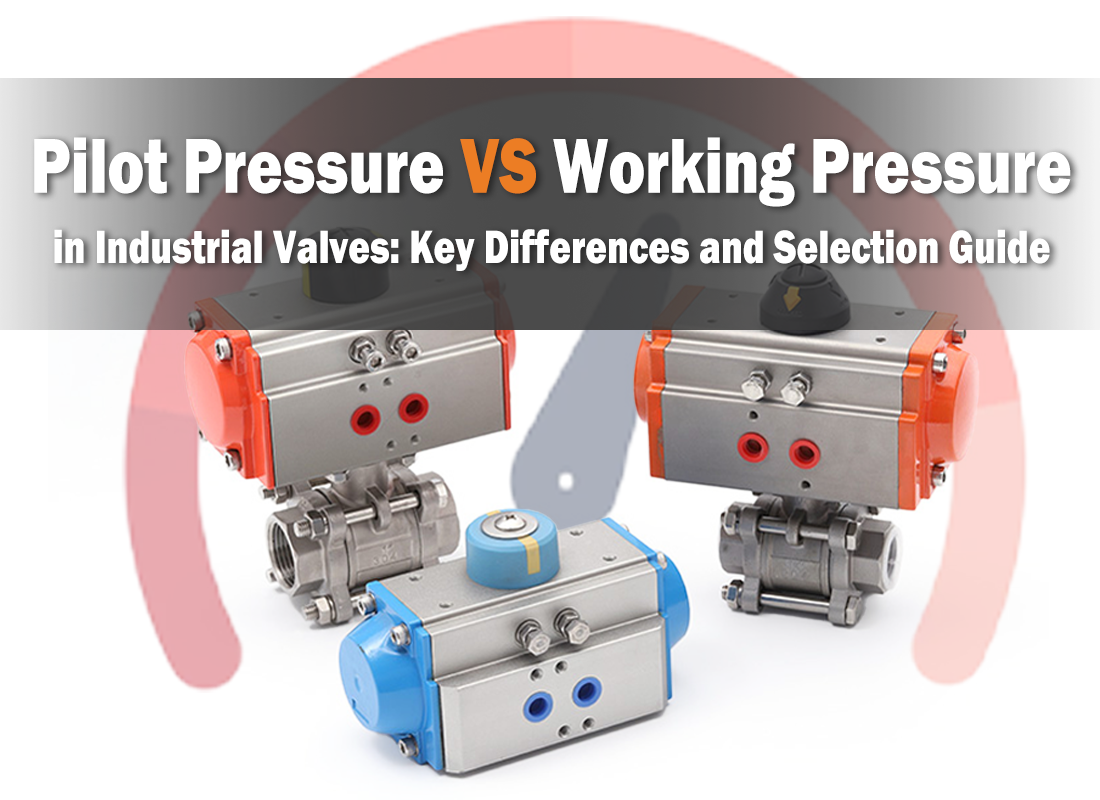 Pilot Pressure vs Working Pressure in Industrial Valves: Key Differences and Selection Guide
 Water Hammer Explained: Why Angle Seat Valves Are the Optimal Solution
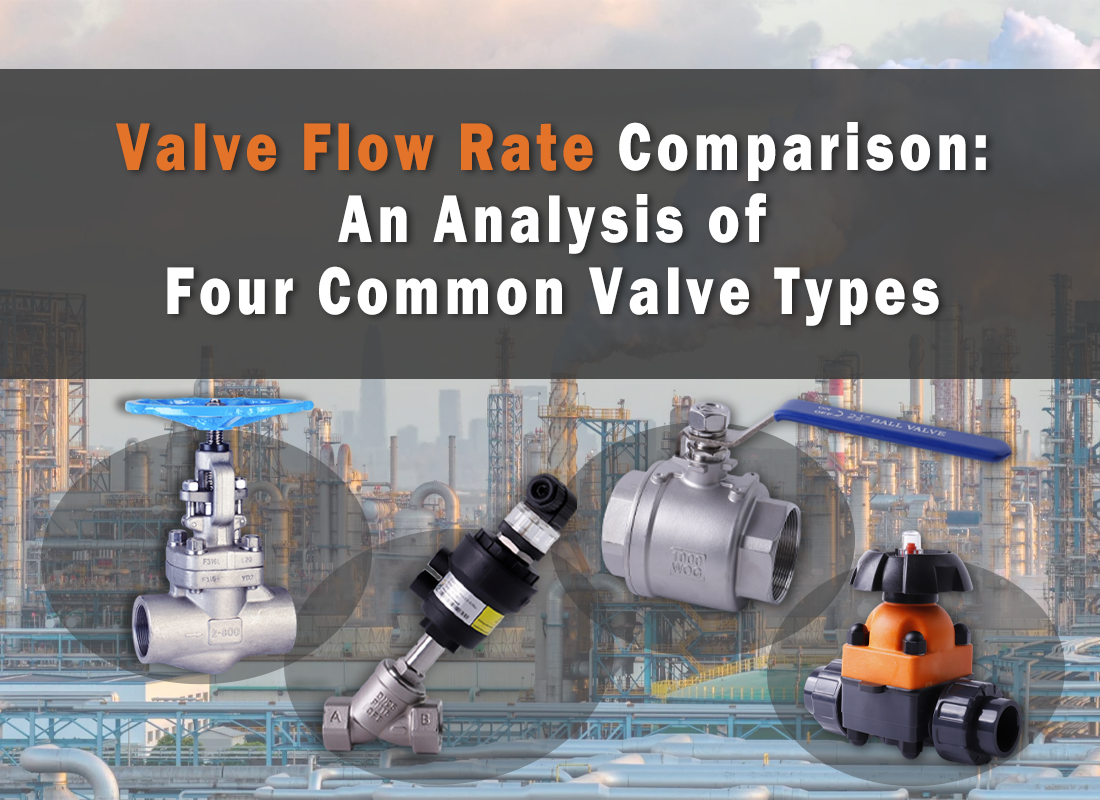 Valve Flow Rate Comparison: An Analysis of Four Common Valve Types
 The Temperature Limit of Valves: How Seal Material Affects Valve Body Performance
 Valve Flow Coefficients CV & KV: Differences Analysis and Selection Guide
You May Interest In
Dec 06, 2025 Blog
How to check pneumatic solenoid valve?
Dec 02, 2025 Blog
How to clean a pneumatic solenoid valve?
Dec 01, 2025 Blog
How to Wire and Install a Pneumatic Solenoid Valve?
Get a free sample

Fokca is a brand of Ningbo Fokca Automation Co., Ltd.
Looking for custom pneumatic cylinder solutions? Visit our sister brand, Fescolo.→
© 2026 Ningbo Fokca Automation Co., Ltd. All rights reserved. Sitemap