Jan 27, 2026

In many industrial systems, a globe valve is installed almost by habit. Flow arrow on the valve body, connect the piping, tighten the flanges—job done. Yet in real projects, installation direction errors combined with incorrect material selection quietly create long-term risks that only appear months later, often as leakage, unstable control, or unexpected shutdowns.
A globe valve is designed with a specific flow direction so that pressure acts on the correct side of the disc and seat. When installed correctly, the valve closes against flow pressure, improving sealing performance and extending service life. When installed backwards, the pressure constantly lifts the disc, stressing the stem, packing, and seat.
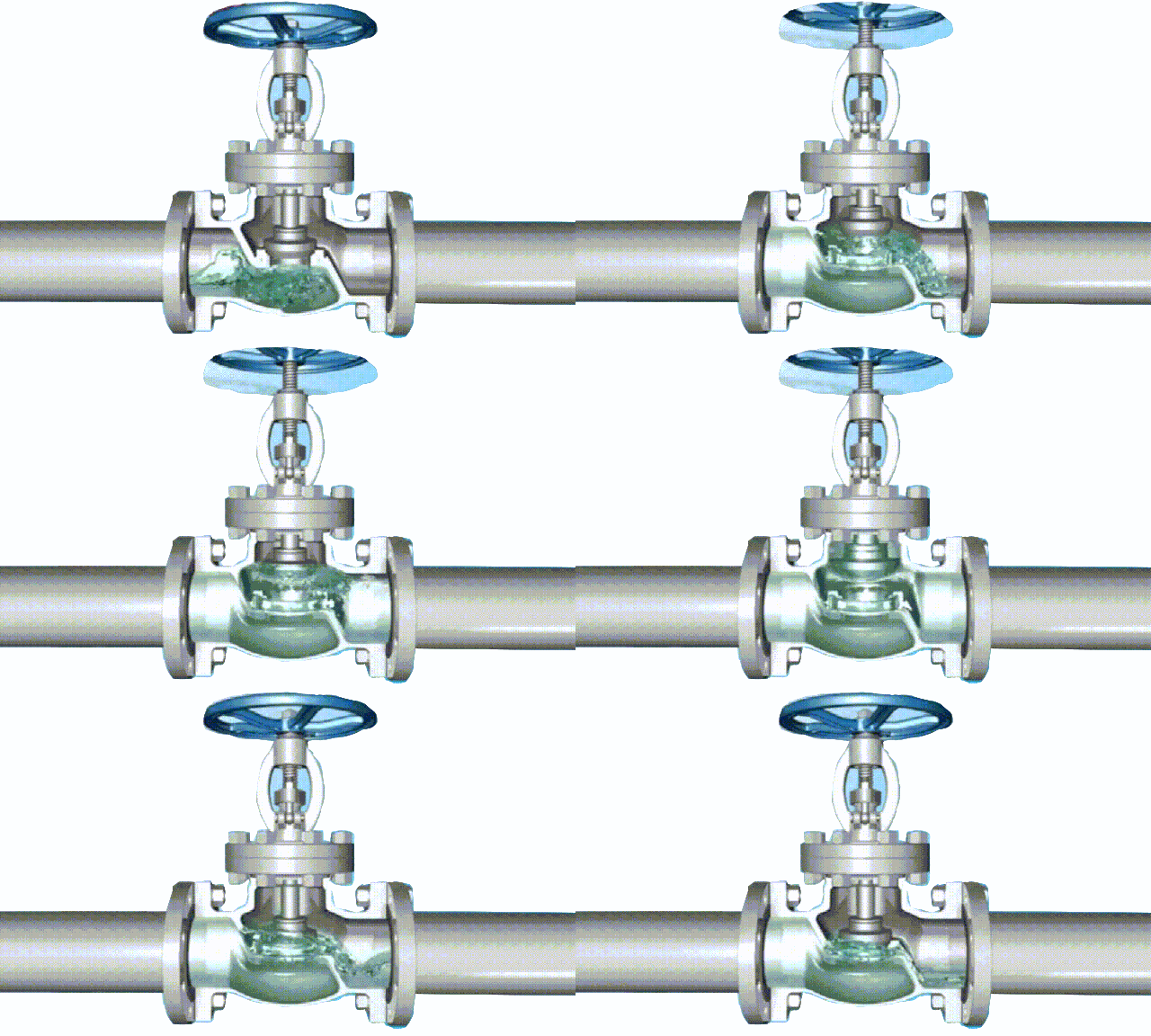
In low-pressure systems this mistake may remain hidden. But in corrosive or high-temperature media, reverse installation accelerates wear and creates micro-leakage paths that worsen over time.
In a chemical processing line handling mildly acidic condensate, an industrial globe valve was installed against the recommended flow direction. The valve body material was carbon steel, while the seat used standard PTFE. Within six months, operators noticed a slow external leak near the bonnet.
Inspection showed localized corrosion on the seat surface, caused by stagnant fluid collecting upstream of the disc. Reverse flow allowed corrosive media to remain trapped after shutdowns, attacking both the metal surface and sealing material. The valve structure itself was correct—the material choice was not.
Incorrect installation alters internal flow patterns. Instead of smooth pressure dissipation, turbulence forms near the seat and disc. In corrosive fluids, turbulence strips protective films from metal surfaces, exposing fresh material to chemical attack.
For globe valve installation, this effect is particularly dangerous because the flow path already changes direction inside the valve. Reverse installation compounds the problem, increasing erosion-corrosion coupling, which directly shortens valve lifespan.
Many buyers focus on choosing between a globe valve, ball valve, or gate valve. In corrosive service, however, material compatibility outweighs structural choice. A perfectly selected globe valve will still fail if the body, seat, or stem material reacts with the medium.
For example, stainless steel globe valves with PTFE or graphite sealing perform far better in acidic or high-temperature environments than carbon steel alternatives. In some cases, upgrading the sealing material alone can double service life—even if installation direction is not ideal.
| Issue | Short-Term Impact | Long-Term Risk |
|---|---|---|
| Reverse flow installation | Slight control instability | Accelerated seat wear, leakage |
| Carbon steel body in corrosive media | Lower upfront cost | Internal corrosion, safety risk |
| Incorrect sealing material | Initial sealing OK | Rapid aging, frequent maintenance |
| Ignoring flow arrow | No immediate alarm | Progressive performance loss |
For industrial valve applications, installation checks should go beyond flow direction arrows. Engineers should verify pressure direction, shutdown behavior, and media retention zones. Procurement teams should treat material selection as a safety decision, not a cost-saving exercise.
A globe valve installed correctly but made of the wrong material is far more dangerous than a perfectly sized valve of the wrong type. Corrosion does not fail dramatically—it fails quietly.
(FK9025)
 Pilot Pressure vs Working Pressure in Industrial Valves: Key Differences and Selection Guide
 Water Hammer Explained: Why Angle Seat Valves Are the Optimal Solution
 Valve Flow Rate Comparison: An Analysis of Four Common Valve Types
 The Temperature Limit of Valves: How Seal Material Affects Valve Body Performance
 Valve Flow Coefficients CV & KV: Differences Analysis and Selection Guide
You May Interest In
Dec 12, 2025 Blog
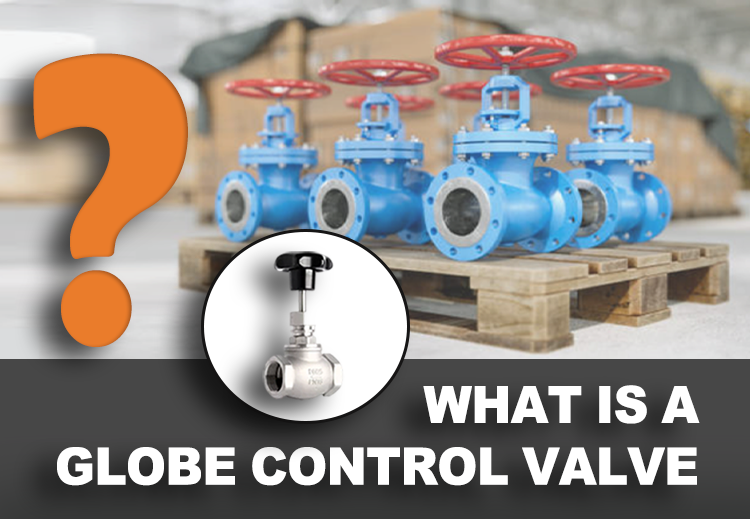
What Is a Globe Control Valve?
Dec 11, 2025 Blog
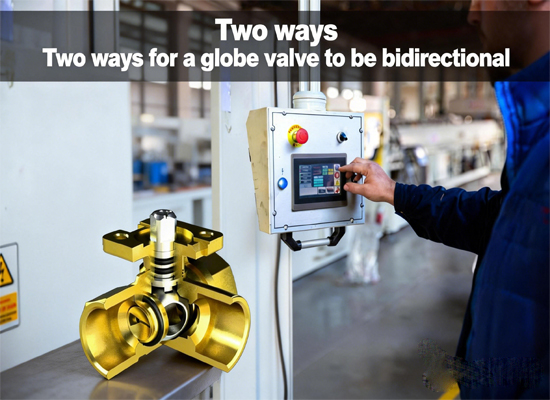
Two ways for a globe valve to be bidirectional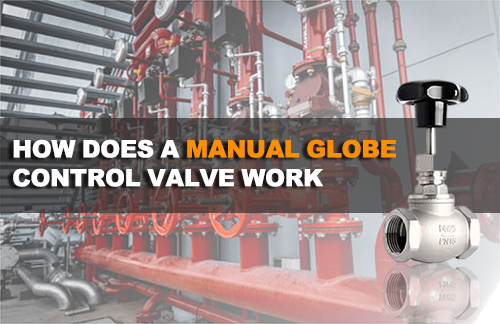
Dec 10, 2025 Blog
How Does a Manual Globe Control Valve Work?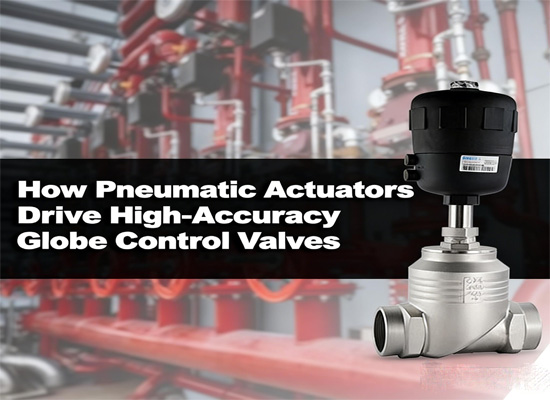
Dec 08, 2025 Blog
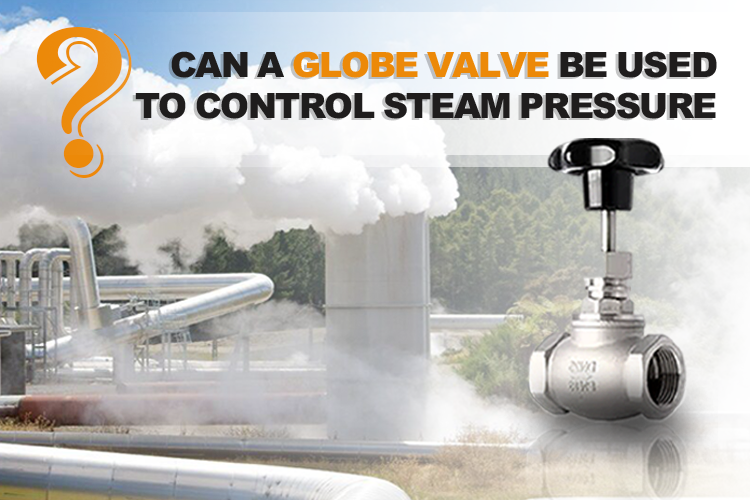
Can a Globe Valve Be Used to Control Steam Pressure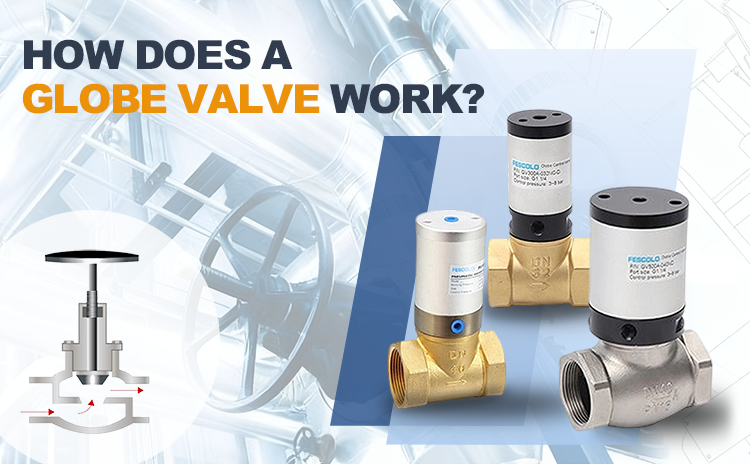
Dec 08, 2025 Blog
How Does a Globe Valve Work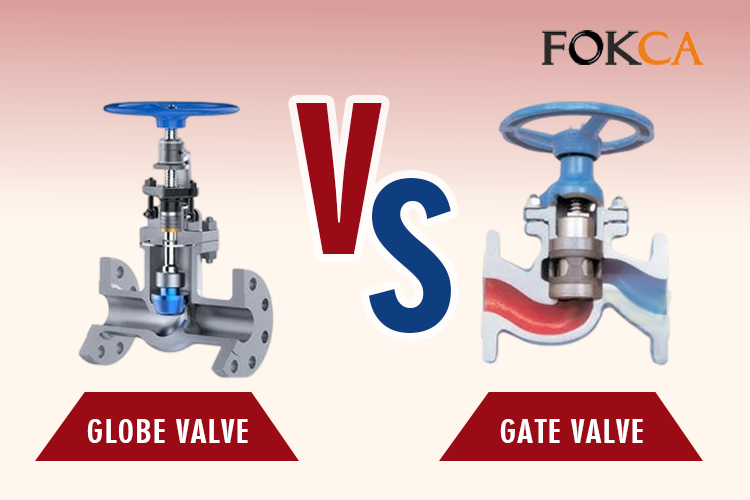
Dec 04, 2025 Blog
How to Identify Gate Valve and Globe Valve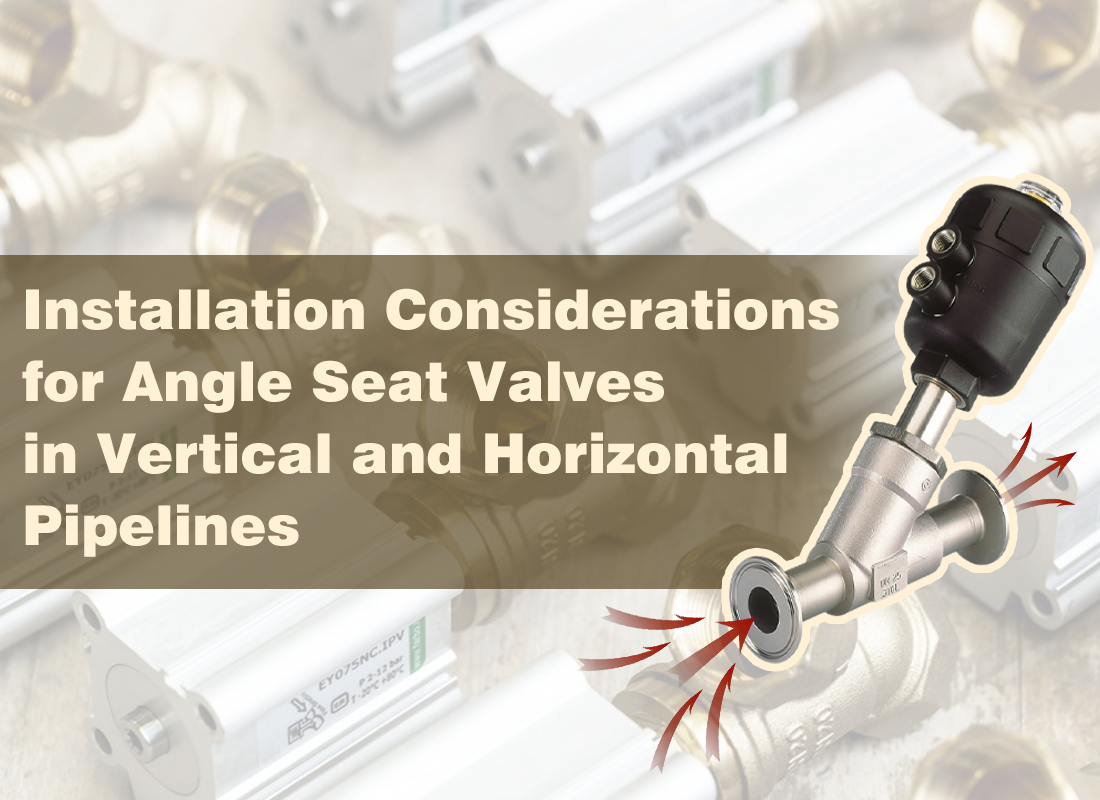
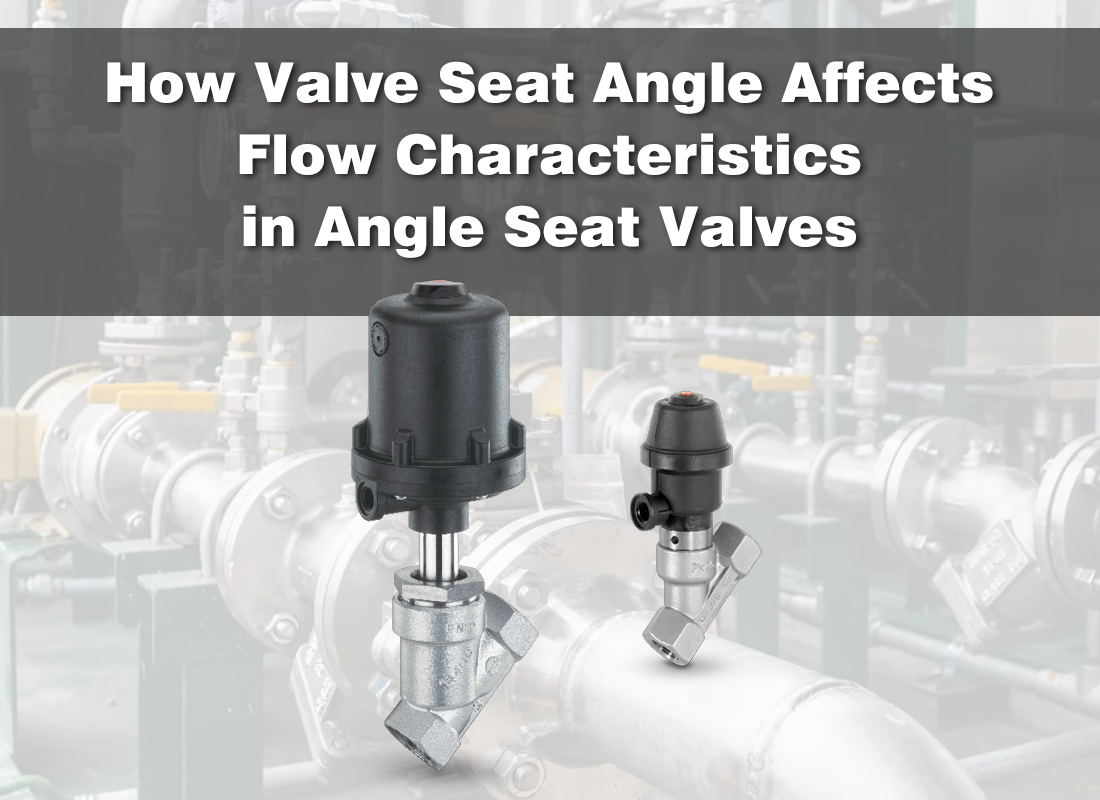
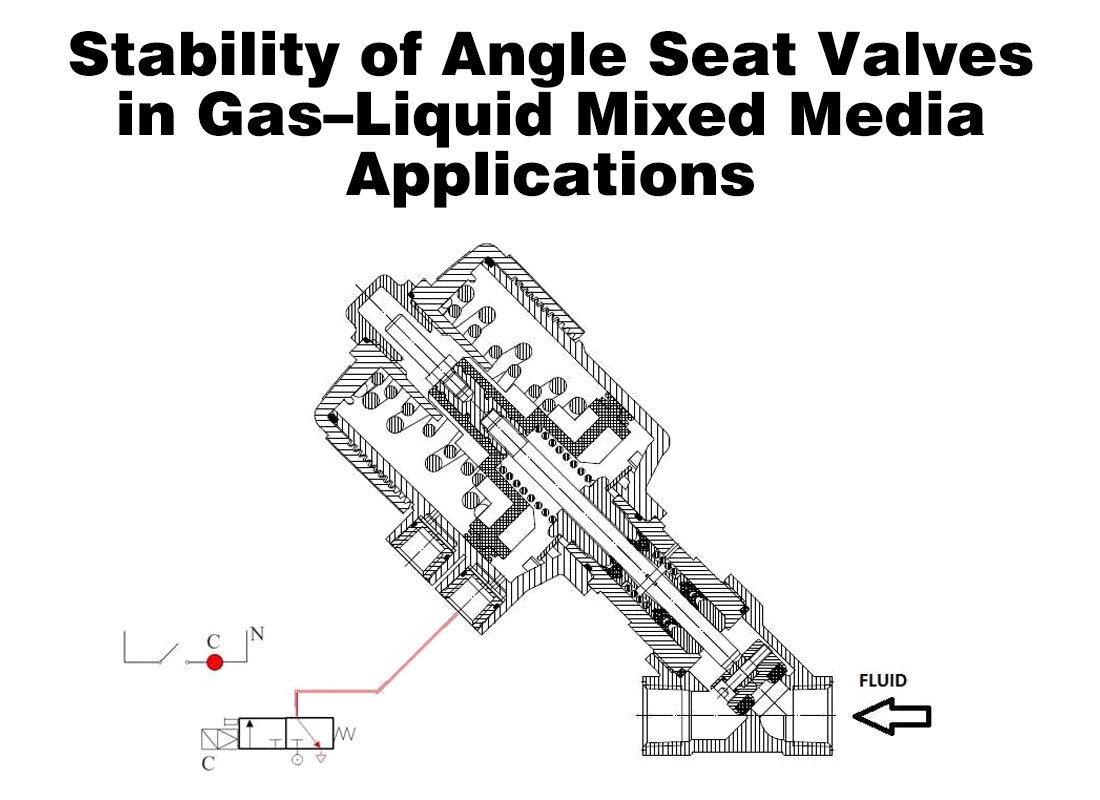
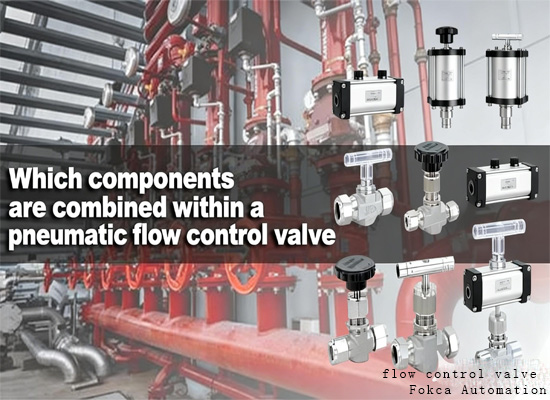
Dec 09, 2025 Blog
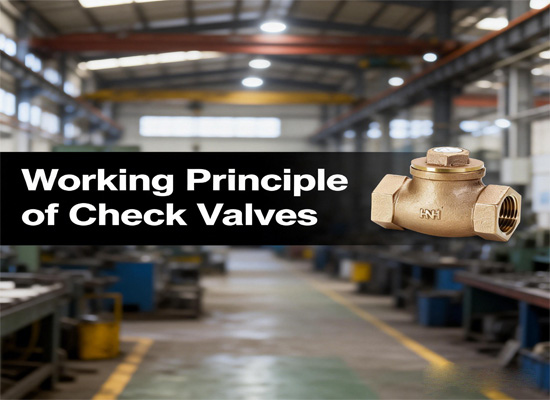
Working Principle of Check Valves
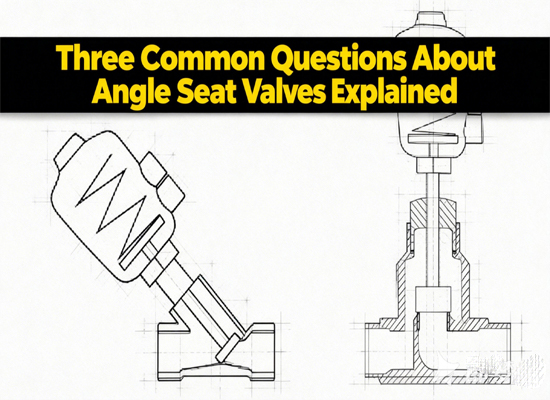

Dec 06, 2025 Blog
How to check pneumatic solenoid valve?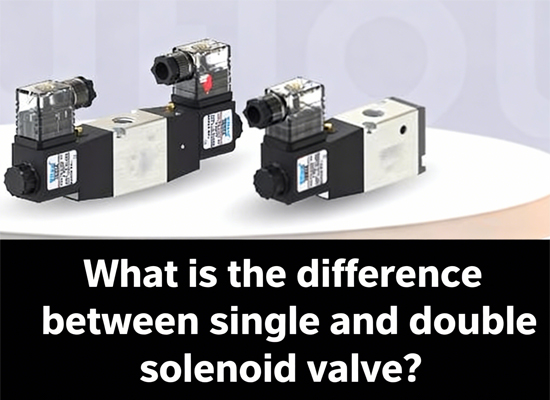
Dec 04, 2025 Blog
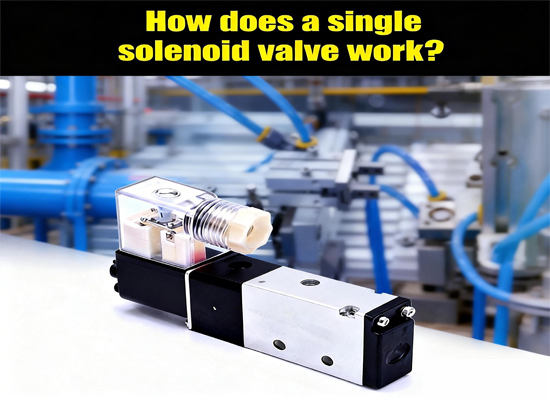
How does a single solenoid valve work?
Dec 03, 2025 Blog
What is double acting solenoid valve?
Dec 02, 2025 Blog
How to clean a pneumatic solenoid valve?
Dec 01, 2025 Blog
How to Wire and Install a Pneumatic Solenoid Valve?
Nov 30, 2025 Blog
How to select pneumatic solenoid valve?
Nov 29, 2025 Blog
Operational Mechanism of Pneumatic Solenoid Valves
Get a free sample

Fokca is a brand of Ningbo Fokca Automation Co., Ltd.
Looking for custom pneumatic cylinder solutions? Visit our sister brand, Fescolo.→
© 2026 Ningbo Fokca Automation Co., Ltd. All rights reserved. Sitemap