Mar 13, 2026
Industrial valves are designed to operate for many years under normal working conditions. Components such as ball valves, gate valves, butterfly valves, and check valves are widely used in pipelines and automation systems, and their lifespan can be very long when applied correctly.
However, premature valve failure still occurs in some installations. In most cases, the problem is not the valve itself but improper selection or inadequate maintenance.
Extending valve service life generally depends on two key aspects: proper valve selection and effective maintenance practices.
The first step to ensuring long valve life is selecting the right valve for the application. Engineers must evaluate several factors before installation, including operating temperature, pressure, and the characteristics of the working medium.
For example, a ball valve used in high-temperature service may require specialized sealing materials. In systems containing abrasive particles, certain valves may wear more quickly.
Flow rate and pipe size also play an important role. If a valve is undersized, the fluid velocity increases, which accelerates wear on internal components. In systems requiring precise flow regulation, a globe valve may be more suitable than a simple on/off valve.
Material selection is equally important. Corrosion-resistant materials can significantly increase valve durability when working with aggressive media.
Understanding the strengths of different valve types helps engineers make better design decisions.
| Valve Type | Typical Function | Common Applications |
|---|---|---|
| Ball Valve | Quick on/off control | Water systems, gas pipelines |
| Gate Valve | Full flow isolation | Large pipelines |
| Butterfly Valve | Lightweight flow control | HVAC and water treatment |
| Check Valve | One-way flow protection | Pump systems |
| Pressure Relief Valve | Overpressure protection | Boilers and pressure vessels |
For instance, installing a check valve one way valve at a pump outlet prevents reverse flow, while a pressure relief valve protects equipment from excessive pressure.
Even with correct valve selection, excessive operation can shorten valve life. Each opening and closing cycle causes friction on sealing surfaces.
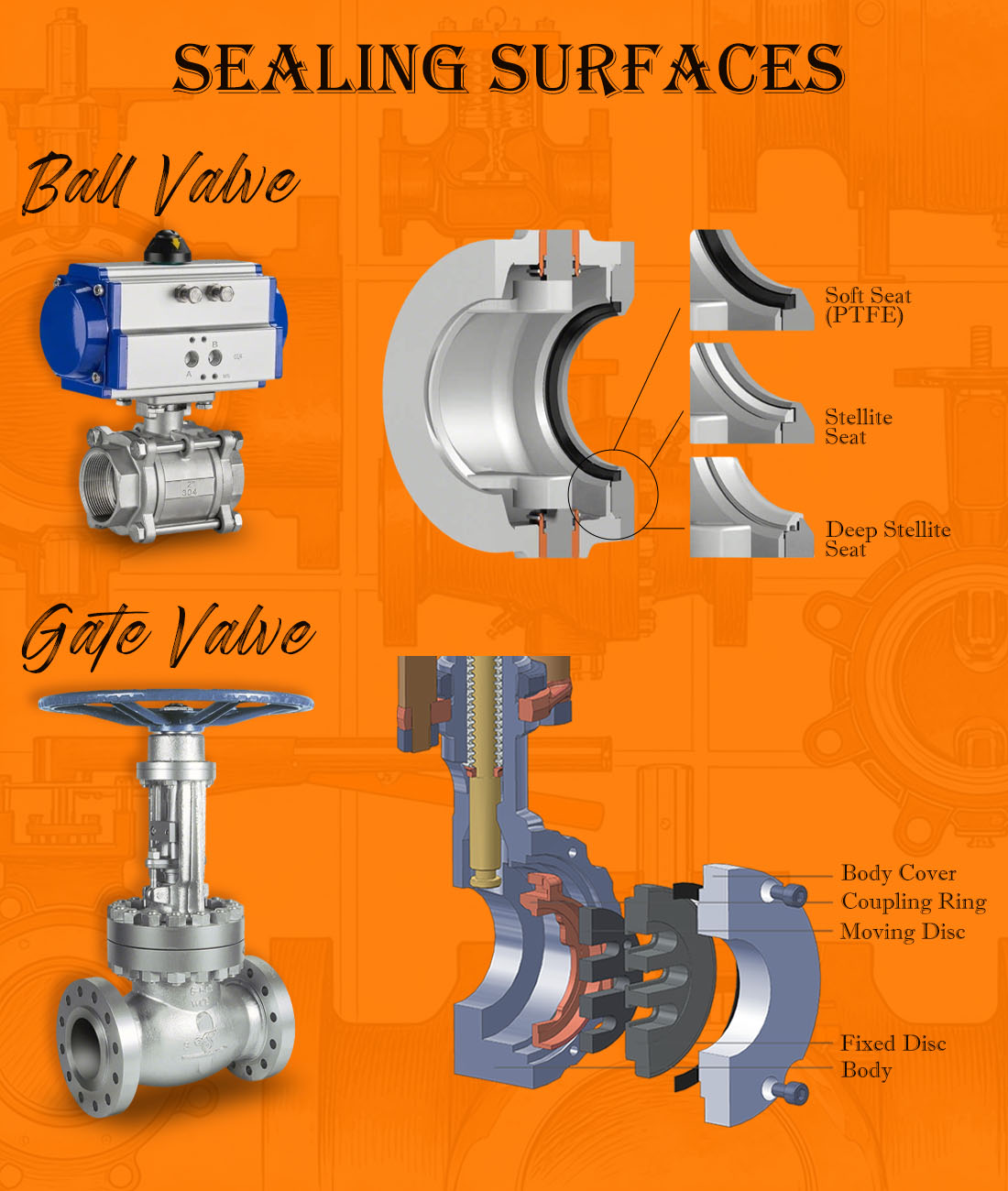
For valves such as ball valves and gate valves, frequent switching can gradually wear the sealing surfaces. In automated systems, valves may be controlled by devices such as a solenoid valve. If the control logic causes unnecessary cycling, the valve may experience accelerated wear.
Optimizing system control strategies can therefore help reduce mechanical stress on the valve.
Routine inspection plays an important role in maintaining valve performance. Maintenance programs typically include checking for leakage, verifying the condition of the valve stem, and ensuring that all connections remain secure.
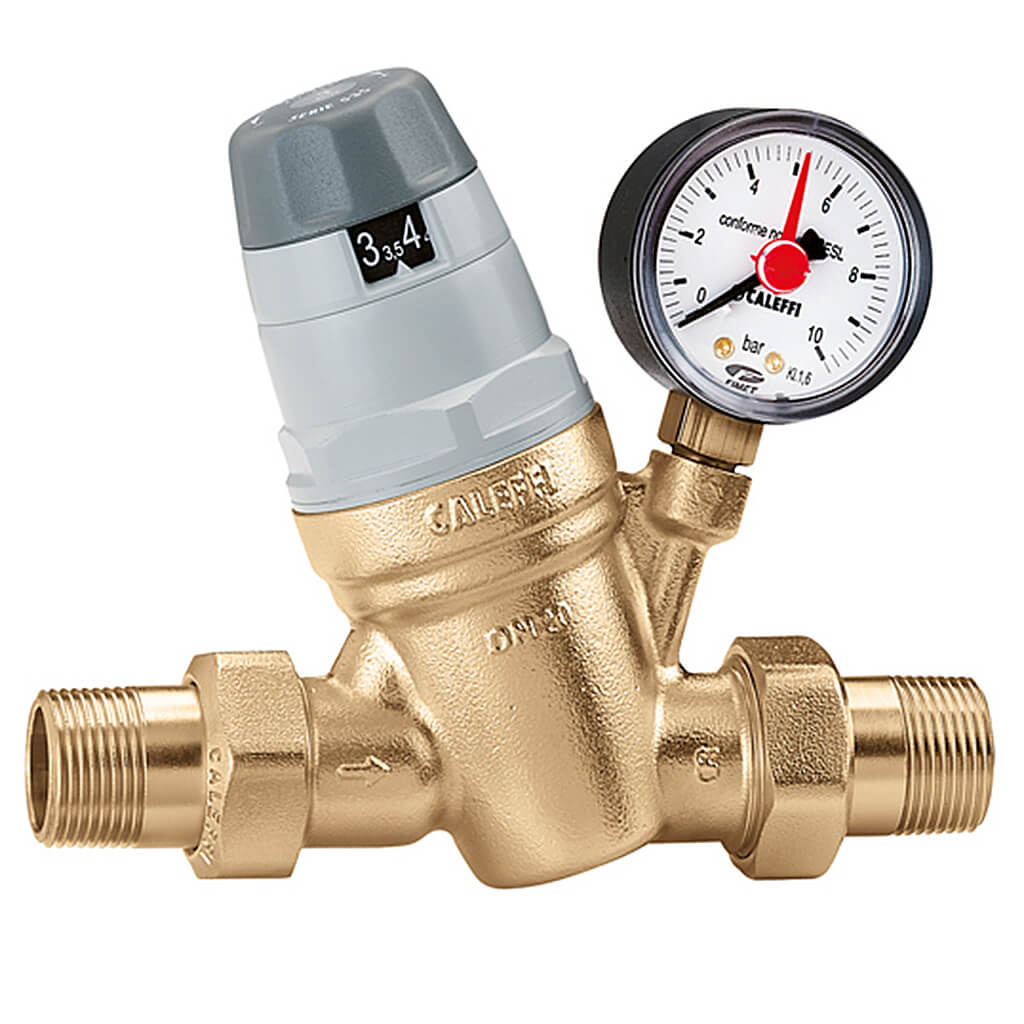
Certain safety valves, such as a pressure reducing valve or water heater pressure relief valve, require periodic testing to ensure they function properly.
Cleaning deposits inside the valve is also important in systems where the medium contains particles or sediments.
Proper storage and environmental protection also affect valve lifespan. Valves stored in humid environments may suffer corrosion, while dust and debris can damage sealing surfaces.
During storage and transportation, protective caps should be used to protect the valve stem and connection ports.
For valves installed outdoors, protective covers can help reduce exposure to rain, dust, and extreme temperatures.
To extend valve service life in industrial systems, engineers often follow these practices:
◆ Select the correct ball valve, gate valve, or butterfly valve for the application
◆ Avoid unnecessary high-frequency valve operation
◆ Periodically test check valves and pressure relief valves
◆ Protect the valve stem and sealing surfaces during storage and transport
With proper selection and maintenance, industrial valves can operate reliably for many years while reducing system maintenance costs.
(FK9025)
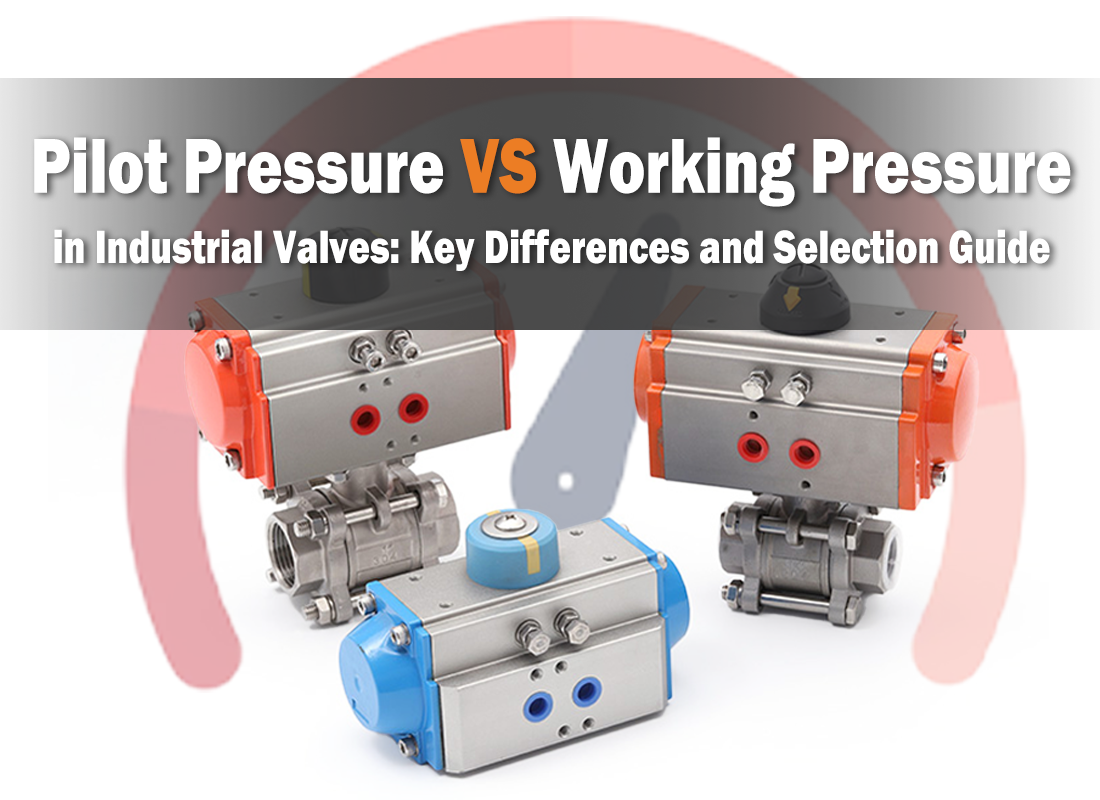 Pilot Pressure vs Working Pressure in Industrial Valves: Key Differences and Selection Guide
 Water Hammer Explained: Why Angle Seat Valves Are the Optimal Solution
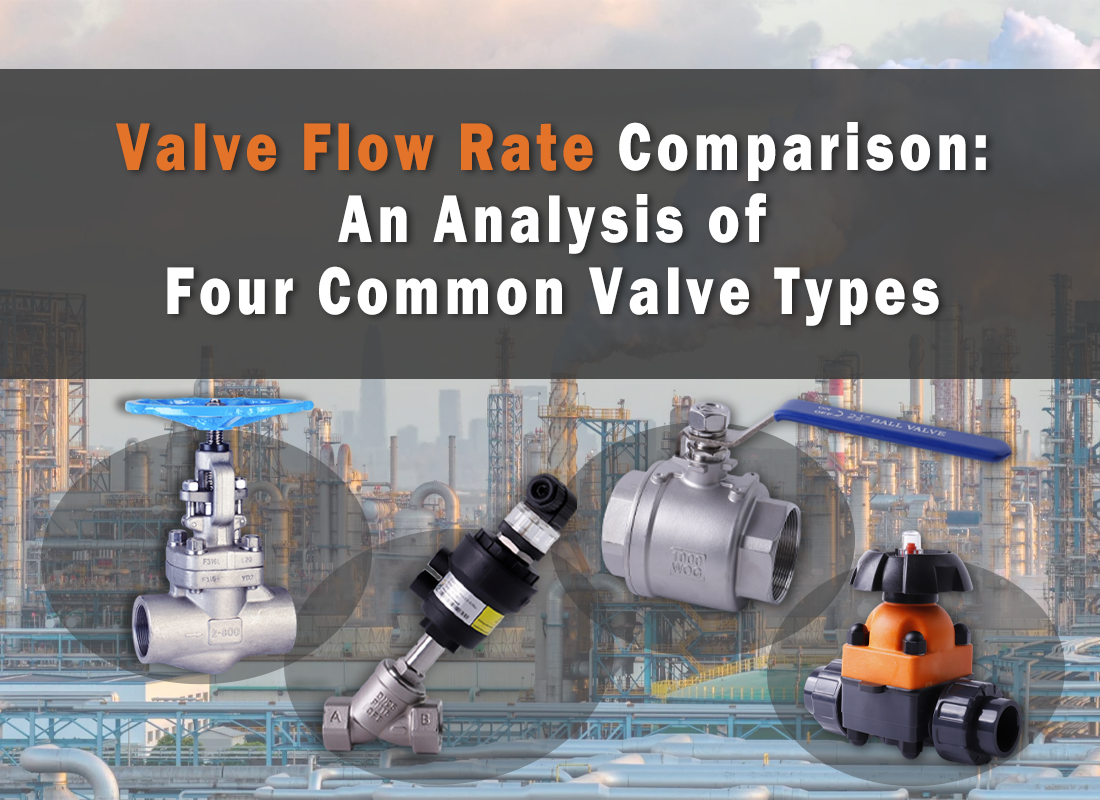 Valve Flow Rate Comparison: An Analysis of Four Common Valve Types
 The Temperature Limit of Valves: How Seal Material Affects Valve Body Performance
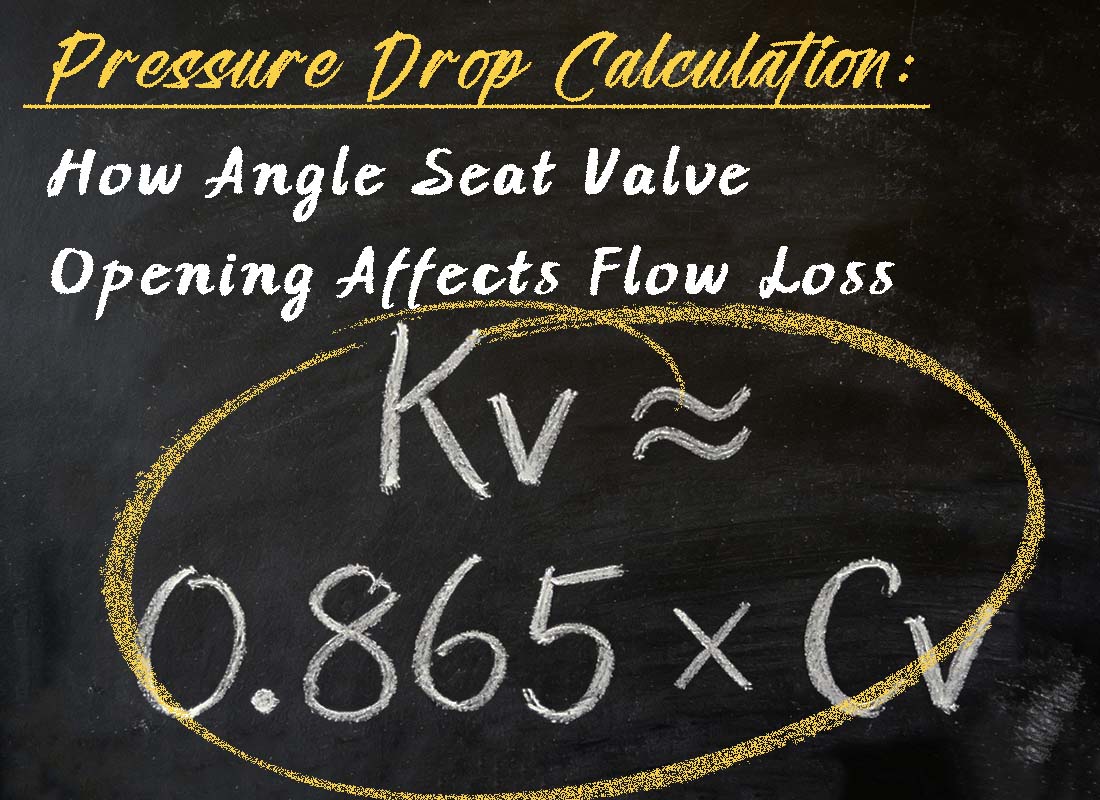
 Valve Flow Coefficients CV & KV: Differences Analysis and Selection Guide
You May Interest In
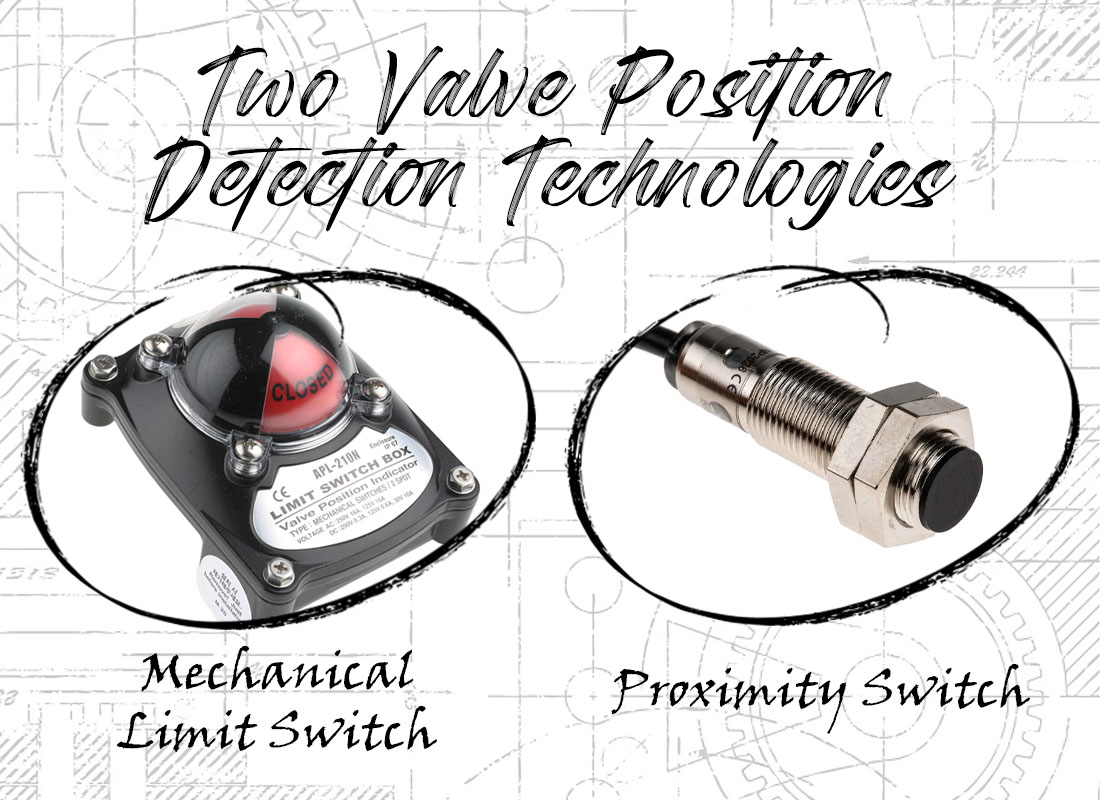
Mar 06, 2026 Blog
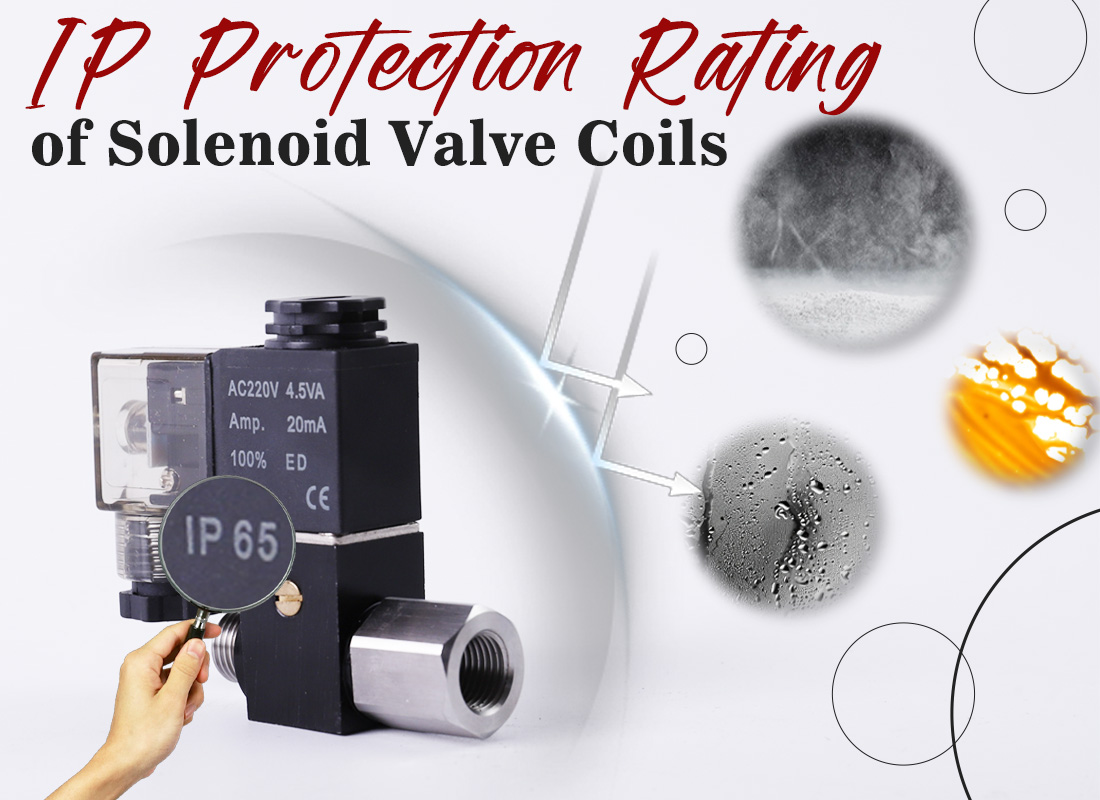
IP Protection Rating of Solenoid Valve Coils
Get a free sample

Fokca is a brand of Ningbo Fokca Automation Co., Ltd.
Looking for custom pneumatic cylinder solutions? Visit our sister brand, Fescolo.→
© 2026 Ningbo Fokca Automation Co., Ltd. All rights reserved. Sitemap