Mar 06, 2026
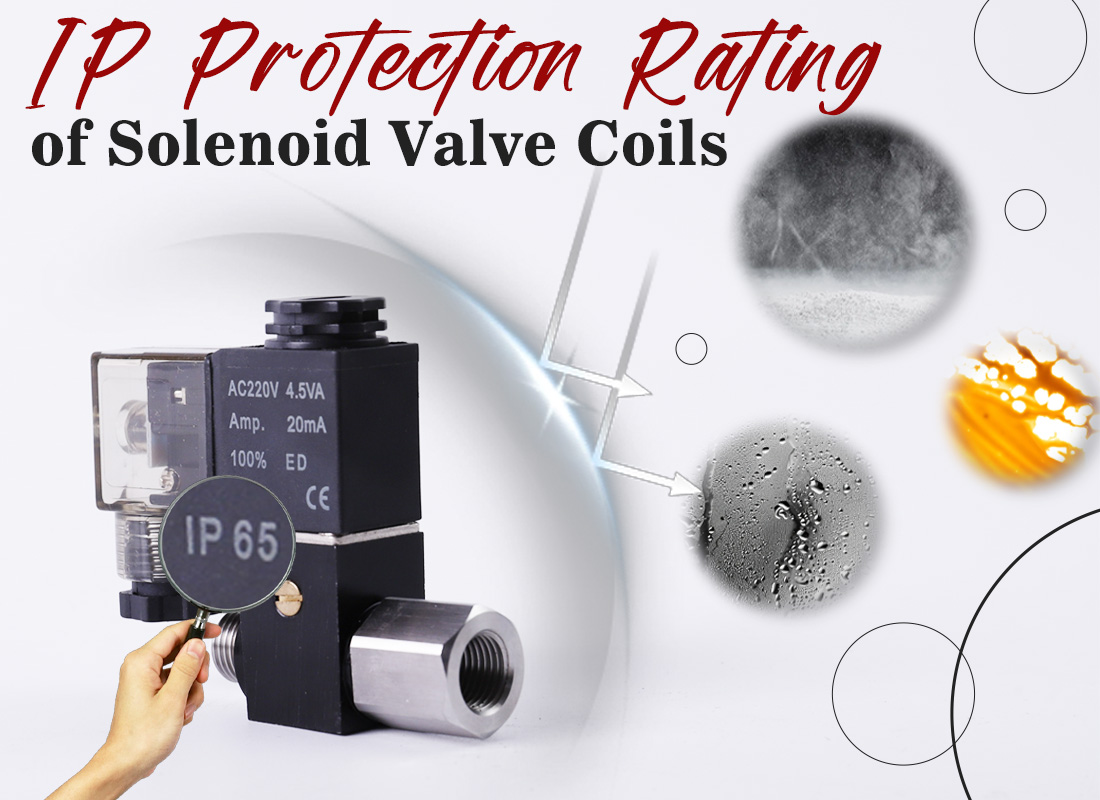
In industrial automation systems, solenoid valve coils often operate in environments filled with dust, humidity, oil mist, or occasional water spray. Compared with the valve body, the coil is more sensitive to environmental exposure. If water or particles enter the coil housing, insulation performance can degrade and eventually lead to electrical failure.
For this reason, the IP protection rating (Ingress Protection) defined by IEC 60529 is widely used to evaluate how well a valve solenoid coil can resist dust and water intrusion. The IP rating determines whether a coil can operate reliably in demanding industrial environments.
Whether it is a standard solenoid coil valve, a refrigeration reversing valve solenoid coil, or specialized coils for solenoid valves used in automation systems, understanding IP protection levels helps engineers and distributors select the right component.
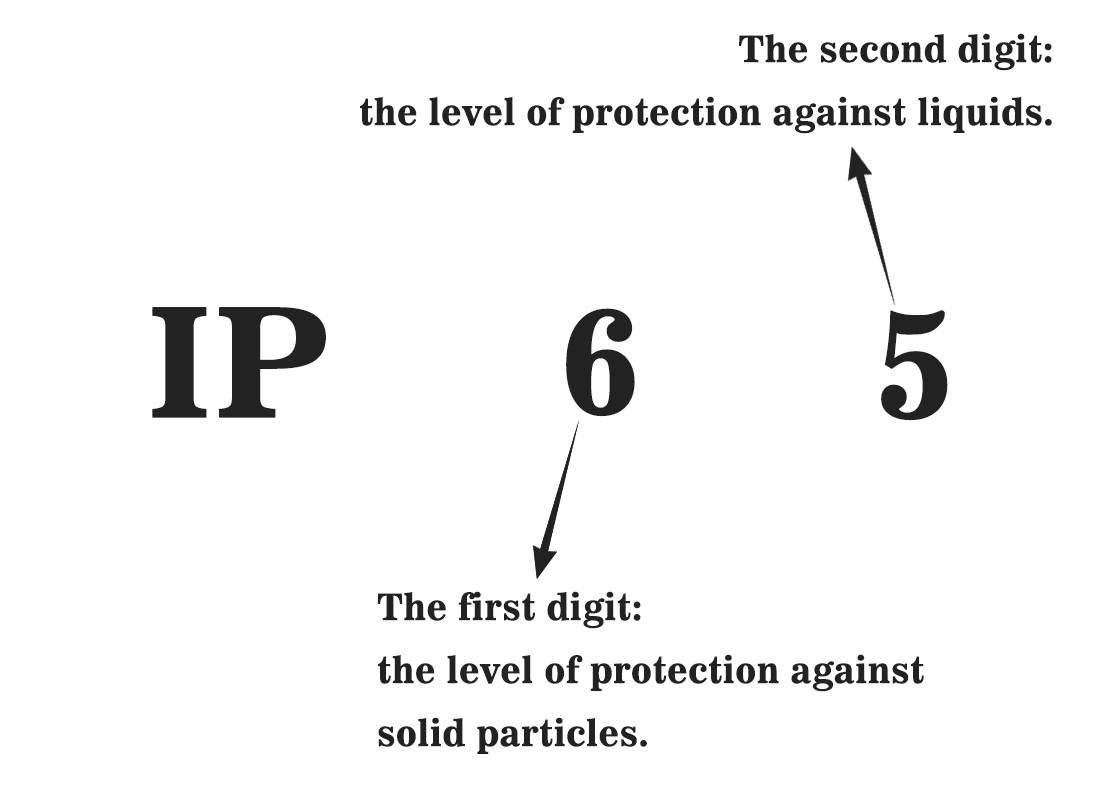
An IP rating consists of two digits, such as IP65, which is commonly used in industrial solenoid valves.
The first digit indicates the level of protection against solid particles such as dust.
The second digit indicates the level of protection against liquids such as water spray.
For example, an IP65 solenoid valve coil is fully protected against dust and resistant to water jets from any direction. This level of protection is commonly achieved through sealed housings, molded coil structures, and rubber gaskets.
These design features allow modern coil for solenoid valve assemblies to operate reliably even in industrial environments where water spray or airborne dust is present.
Different industrial environments require different levels of protection. A valve coil solenoid installed inside a control cabinet may require lower protection than one mounted directly on machinery.
The following table summarizes common IP ratings used for solenoid valve coils.
| IP Rating | Dust Protection | Water Protection | Typical Application |
|---|---|---|---|
| IP54 | Limited dust protection | Splash resistant | Control cabinets, dry indoor environments |
| IP65 | Dust tight | Water jets resistant | Industrial automation equipment |
| IP67 | Dust tight | Temporary immersion | Outdoor pneumatic systems |
| IP68 | Dust tight | Continuous immersion | Marine or underground systems |
In most industrial automation equipment, IP65 solenoid valve coils are considered the standard because they provide strong protection while remaining cost-effective.
Industrial machines often operate in environments where cooling liquids, compressed air moisture, or cleaning water may contact the valve components. If a solenoid coil valve lacks adequate sealing, water can penetrate the housing and damage the internal copper winding.
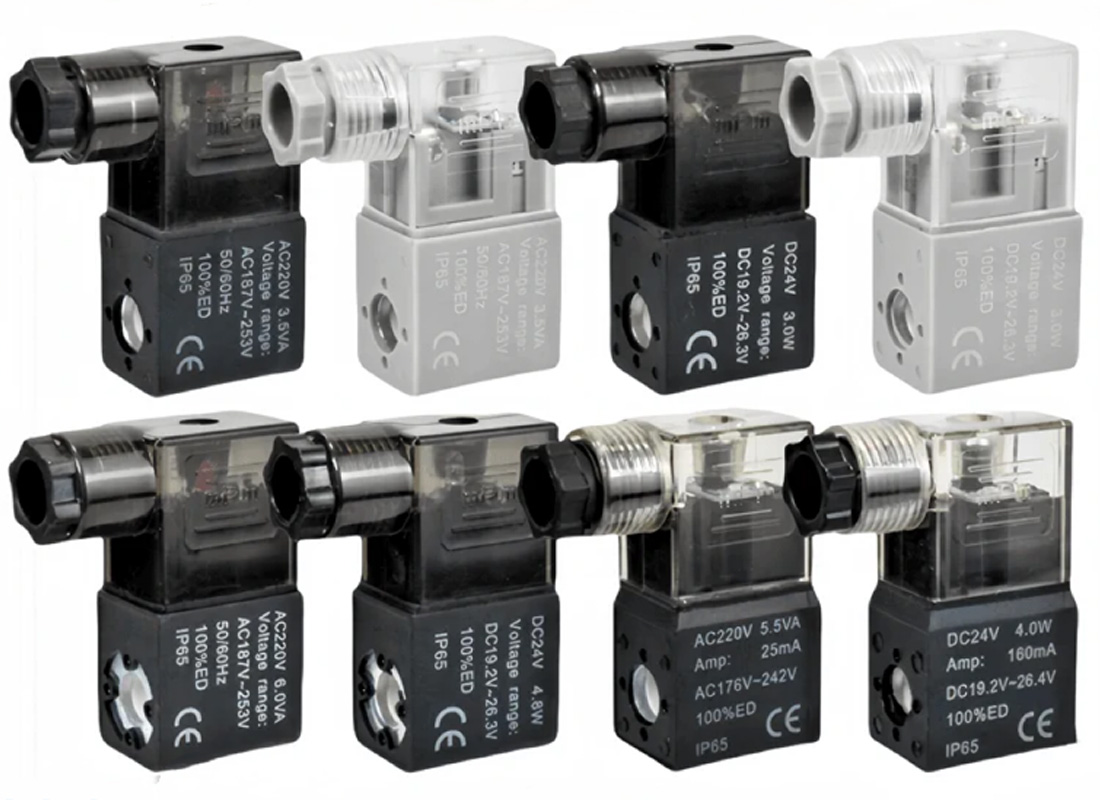
For this reason, IP65 valve solenoid coil designs are widely used in packaging machines, pneumatic control systems, and automated production lines.
Even in HVAC and refrigeration systems, a reversing valve solenoid coil typically adopts a similar protection level to ensure long service life.
Manufacturers often combine sealed connectors, molded coil housing, and high-temperature insulation materials to achieve this level of protection.
To achieve higher IP protection, modern coils for solenoid valves incorporate several structural improvements.
Common design elements include:
◆ Resin encapsulated coil windings to block moisture
◆ Sealed DIN connectors to prevent water ingress
◆ Heat resistant insulation materials for stable operation
◆ Corrosion resistant coil housing for humid environments
These designs ensure the electromagnetic performance of the solenoid valve coil remains stable. Since a solenoid valve coil operates on the principle of electromagnetic induction, insulation integrity is critical to maintaining reliable magnetic force and valve response.
When selecting a coil for solenoid valve, engineers typically evaluate both environmental conditions and equipment layout.
Typical recommendations include:
◆ IP65 solenoid valve coils for most pneumatic automation equipment
◆ IP67 protection for outdoor machinery or exposed installations
◆ Higher ratings for marine, underground, or continuously wet environments
Proper IP rating selection helps ensure that the solenoid valve coils remain reliable throughout long-term industrial operation while minimizing maintenance and replacement costs.
In many automation projects, the correct valve solenoid coil specification can significantly improve system stability and reduce unexpected downtime.
(FK9025)
You May Interest In
Dec 06, 2025 Blog
How to check pneumatic solenoid valve?
Dec 04, 2025 Blog
How does a single solenoid valve work?
Dec 03, 2025 Blog
What is double acting solenoid valve?
Dec 02, 2025 Blog
How to clean a pneumatic solenoid valve?
Dec 01, 2025 Blog
How to Wire and Install a Pneumatic Solenoid Valve?
Nov 30, 2025 Blog
How to select pneumatic solenoid valve?
Nov 29, 2025 Blog
Operational Mechanism of Pneumatic Solenoid Valves
Nov 27, 2025 Blog
What is pilot operated solenoid valve?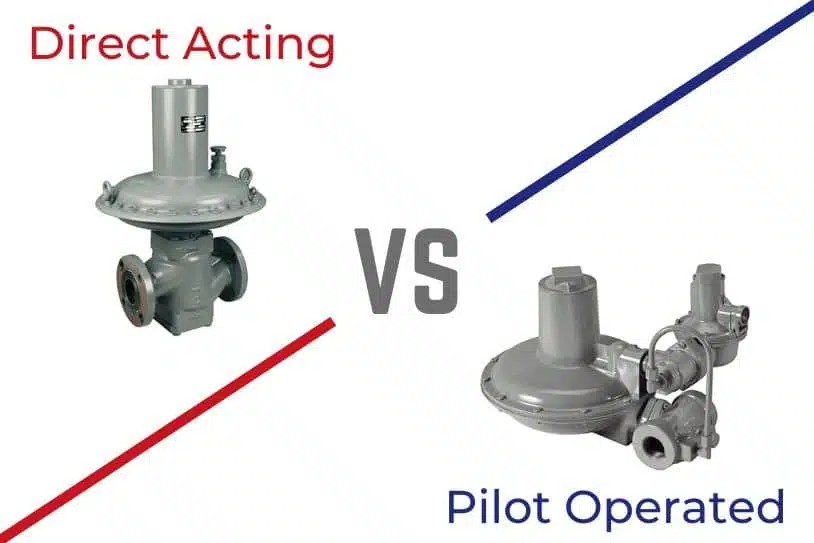
Get a free sample

Fokca is a brand of Ningbo Fokca Automation Co., Ltd.
Looking for custom pneumatic cylinder solutions? Visit our sister brand, Fescolo.→
© 2026 Ningbo Fokca Automation Co., Ltd. All rights reserved. Sitemap