Mar 24, 2026
In many industrial applications, engineers tend to focus on the maximum pressure rating of a valve, yet the minimum required pressure—known as valve starting pressure—is equally critical. This parameter defines the lowest pressure at which a valve can begin to operate effectively.
For a typical industrial valve such as a pneumatic angle seat valve, the starting pressure refers to the condition where the outlet is open to atmosphere, meaning no back pressure is present. Under this “no-load” condition, the valve must still generate enough force to overcome internal resistance and initiate movement.
If system pressure falls below this threshold, the valve may fail to open or respond sluggishly, leading to unstable process control.
The performance of a control valve or pneumatic valve actuator depends on the balance between driving force and internal resistance.
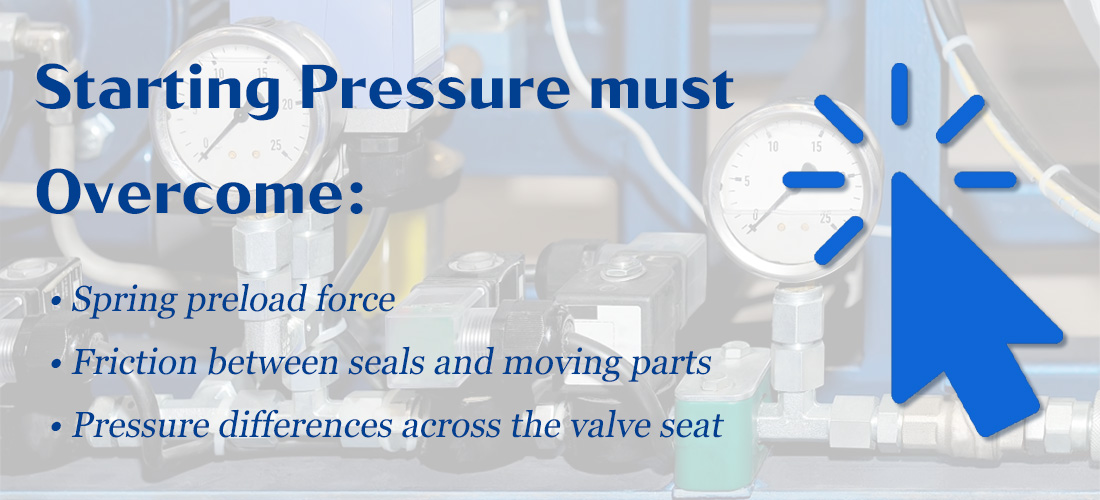
In applications such as steam control or compressed air systems, insufficient starting pressure can result in partial opening or delayed response, directly affecting flow control accuracy.
For example, in a pneumatic control valve used in packaging or automation systems, a slight delay in opening can disrupt synchronization between multiple stations.
Different valve designs have different starting pressure requirements. The internal structure plays a decisive role.
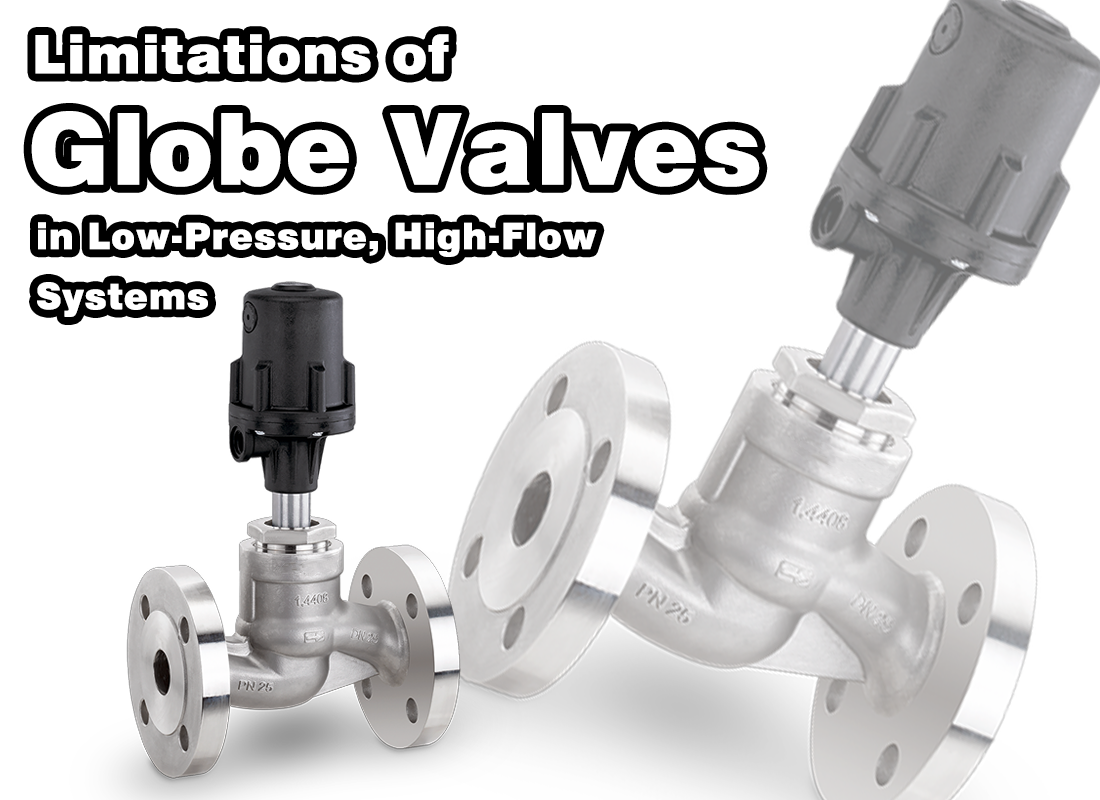
A pneumatic angle seat valve typically uses piston actuation combined with spring return. The spring force and piston diameter determine how much pressure is needed to initiate movement.
Similarly, in a solenoid valve, the electromagnetic force must overcome both spring force and fluid pressure, which defines its operational threshold.
Valves with larger sealing areas or stronger springs generally require higher starting pressure, while optimized designs with low-friction seals can operate under lower pressure conditions.
In real-world installations, starting pressure is not only determined by valve design. External factors also play a significant role.
First, installation orientation can affect internal friction and gravity loading. A vertically installed valve may behave differently from a horizontal one, especially in larger sizes.
Second, the type of medium—whether air, water, or steam—changes the effective force acting on the valve. For example, in a water control valve, fluid density increases resistance compared to air systems.
Third, pipeline conditions such as upstream pressure fluctuations or partial downstream blockage introduce back pressure, effectively increasing the required starting pressure beyond the nominal value.
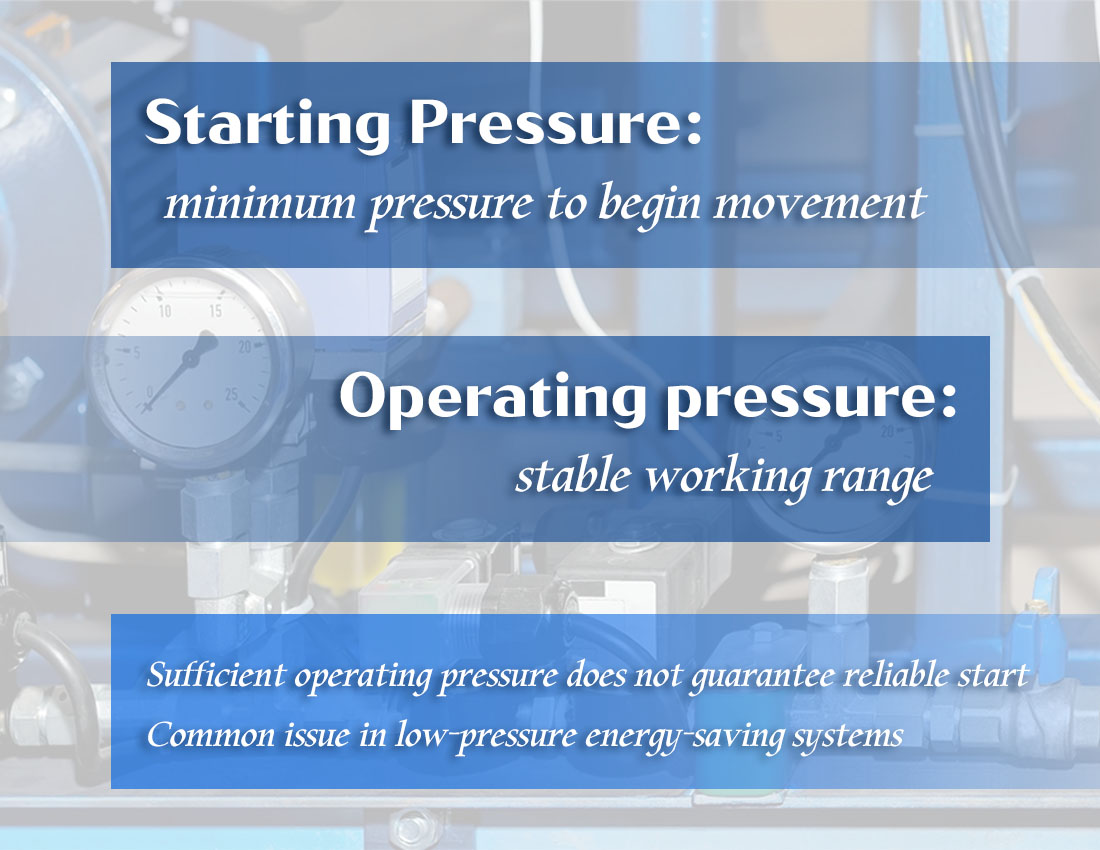
It is important to distinguish between starting pressure and normal operating pressure. Starting pressure refers to the minimum threshold to initiate movement, while operating pressure defines the stable working range.
In many pressure control valve applications, engineers mistakenly assume that if operating pressure is sufficient, the valve will always function properly. However, if the system frequently operates near the lower limit, the valve may fail to start consistently.
This is particularly common in energy-saving systems where pressure is intentionally reduced to minimize consumption.
The following table summarizes typical starting pressure ranges for common valve types (data source type: industrial valve manufacturer specifications):
| Valve Type | Typical Starting Pressure | Key Influencing Factor | Application |
|---|---|---|---|
| Pneumatic Angle Seat Valve | 0.3 – 0.6 bar | Spring force, piston size | Steam, air systems |
| Solenoid Valve | 0 – 0.5 bar (direct acting) | Coil force, seat design | Automation control |
| Pilot Operated Valve | 0.5 – 1.5 bar | Pilot pressure requirement | High flow systems |
| Pressure Regulating Valve | 0.2 – 1.0 bar | Spring preload | Water, gas systems |
These values provide a reference but must always be validated against specific system requirements.
In practical system design, ensuring sufficient starting pressure improves reliability and reduces maintenance issues. Engineers often consider safety margins to account for real-world variations.
For example, in a compressed air network, maintaining supply pressure slightly above the valve’s starting pressure ensures consistent actuation and repeatable performance.
Additionally, selecting valves with optimized internal structures or low-friction sealing materials can significantly reduce the minimum pressure requirement.
For engineers, distributors, and equipment users, maintaining proper valve starting conditions is essential for long-term system stability:
◆ Ensure supply pressure is consistently above starting pressure threshold
◆ Avoid operating systems at extreme low-pressure limits
◆ Select valve types suitable for the actual medium and installation conditions
◆ Verify starting pressure during commissioning and testing
◆ Consider low-pressure design options for energy-efficient systems
(FK9025)
 AV700 Series Fill Valve: A Comprehensive Application Guide
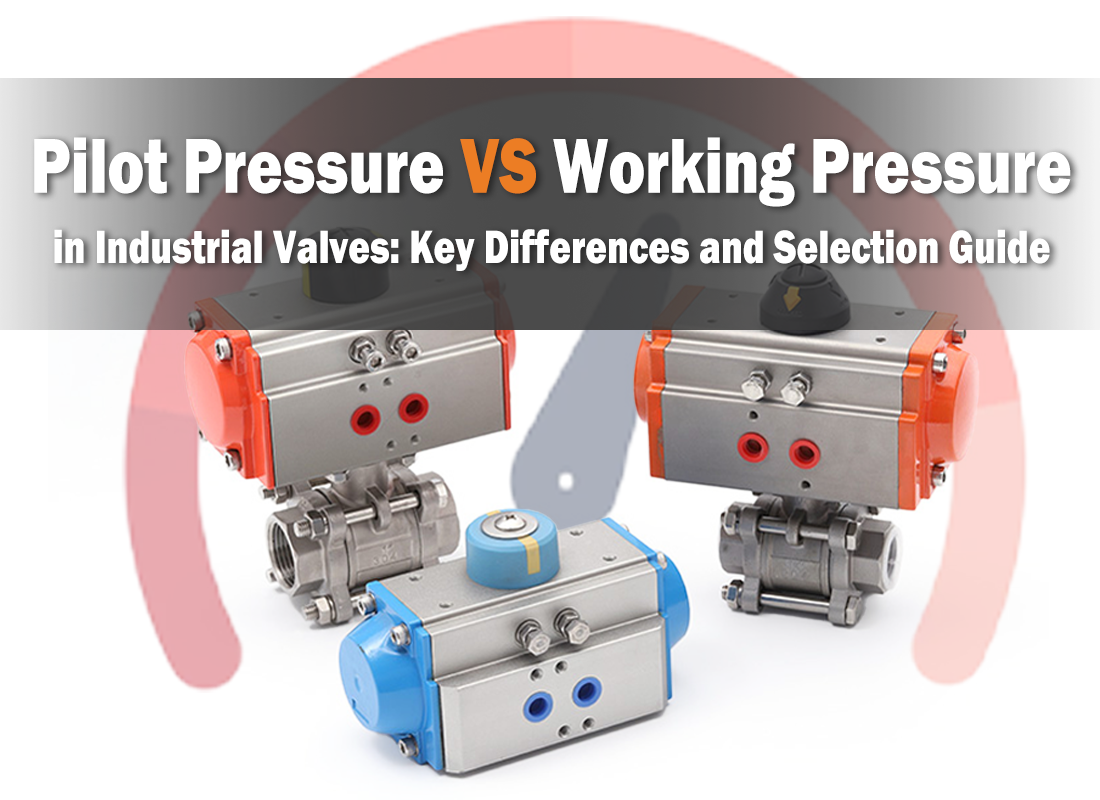 Pilot Pressure vs Working Pressure in Industrial Valves: Key Differences and Selection Guide
 Water Hammer Explained: Why Angle Seat Valves Are the Optimal Solution
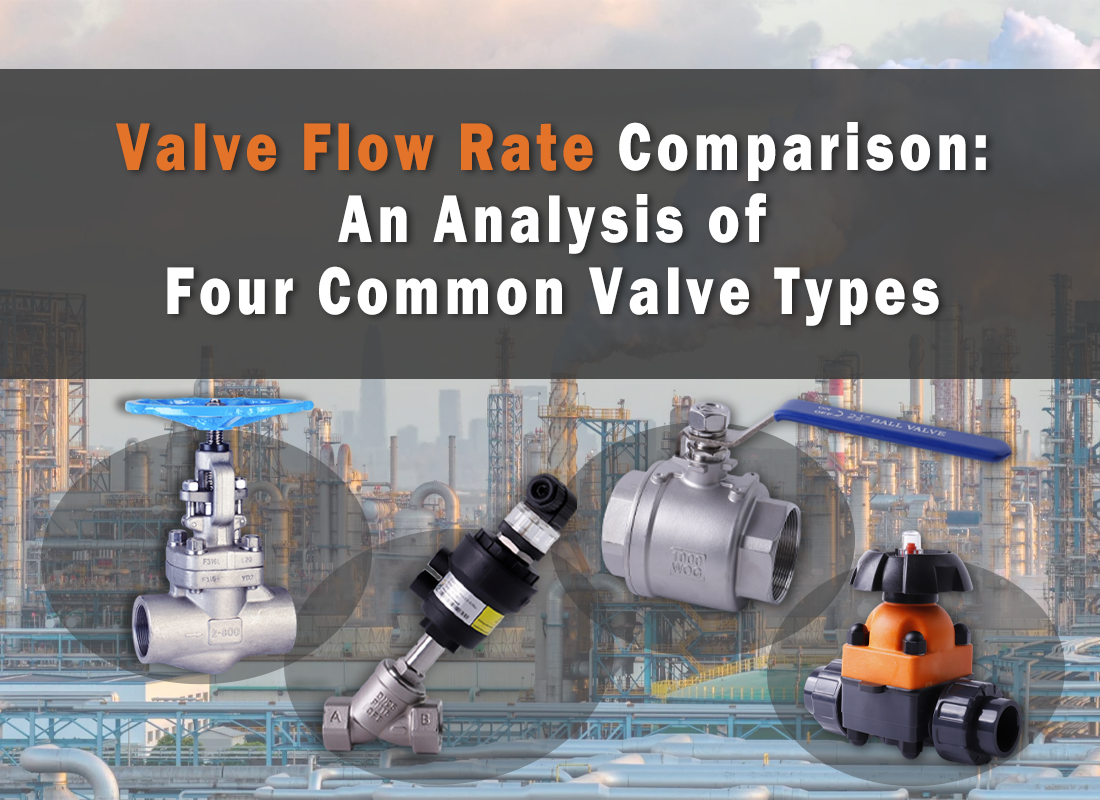 Valve Flow Rate Comparison: An Analysis of Four Common Valve Types
 The Temperature Limit of Valves: How Seal Material Affects Valve Body Performance
You May Interest In
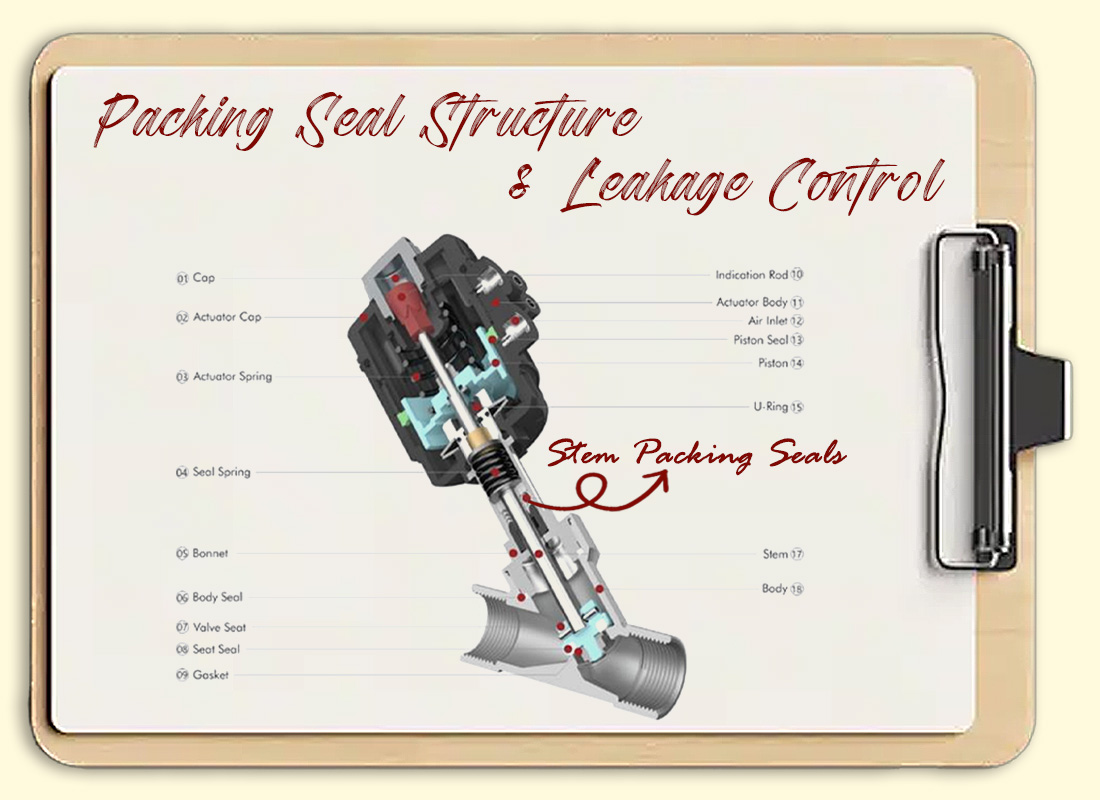
Mar 06, 2026 Blog
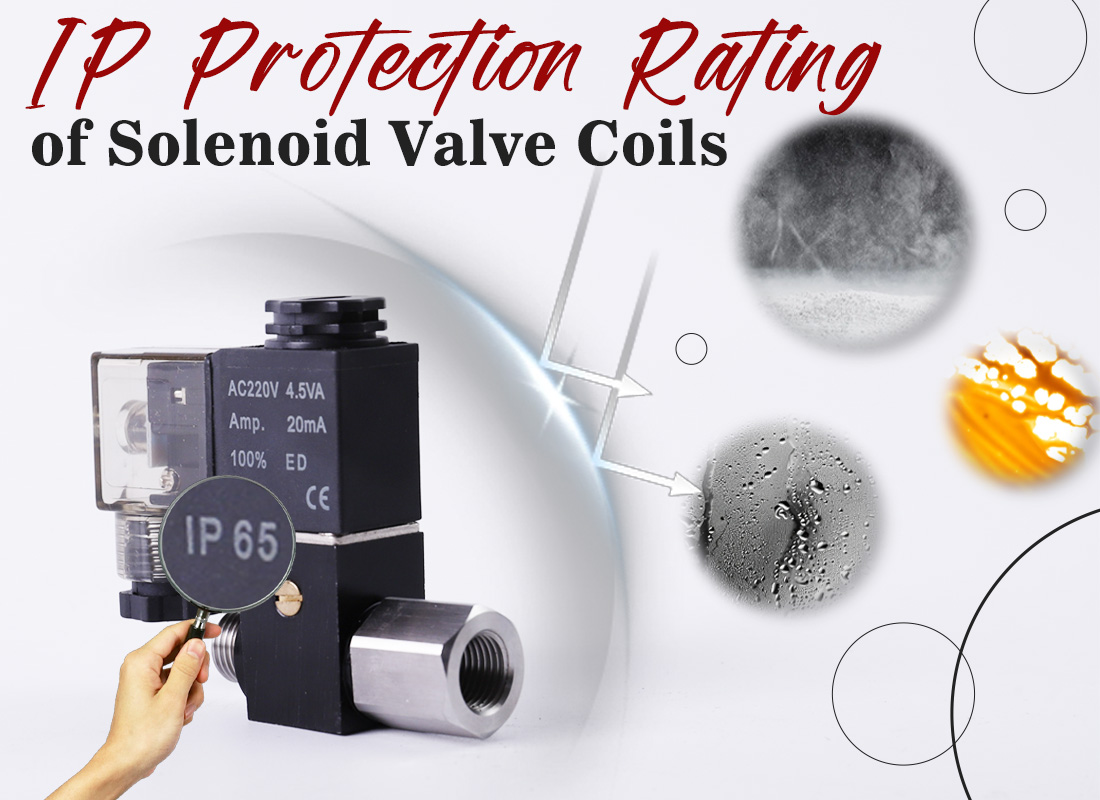
IP Protection Rating of Solenoid Valve Coils

Get a free sample

Fokca is a brand of Ningbo Fokca Automation Co., Ltd.
Looking for custom pneumatic cylinder solutions? Visit our sister brand, Fescolo.→
© 2026 Ningbo Fokca Automation Co., Ltd. All rights reserved. Sitemap