Feb 25, 2026
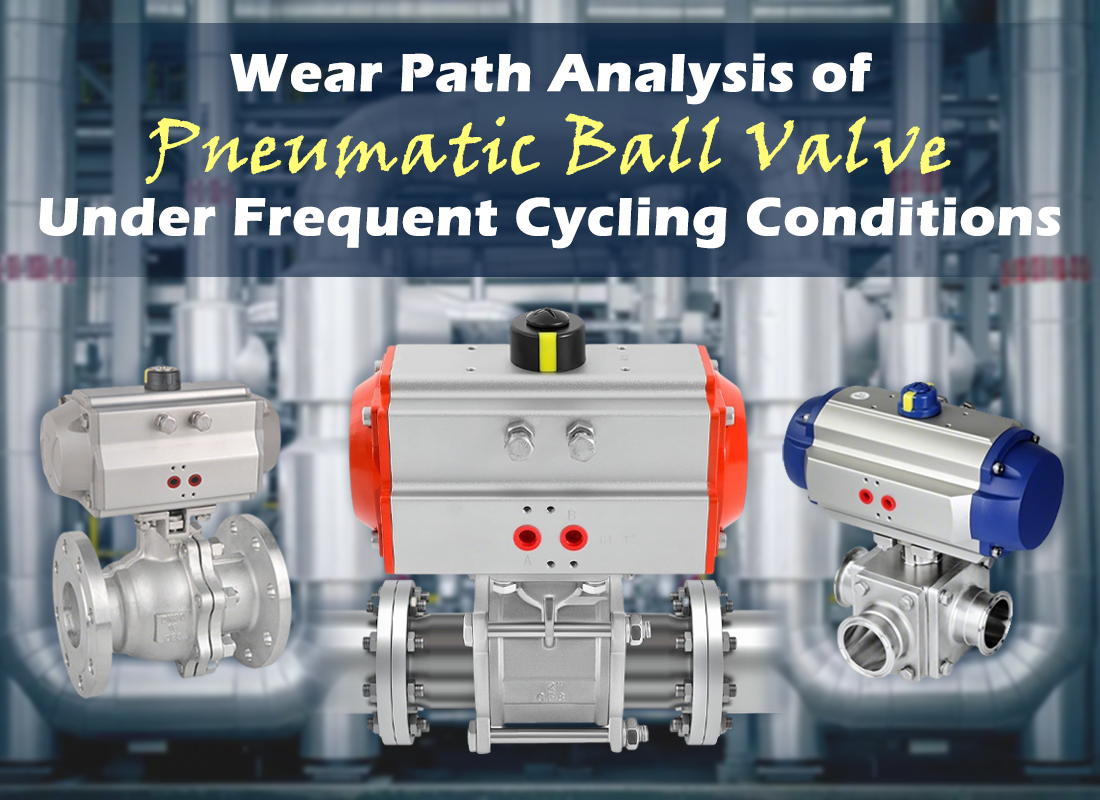
In automated production lines and high-cycle control systems, valve durability is often defined by switching frequency rather than pressure rating. A pneumatic ball valve operating under continuous cycling develops a predictable friction path between the ball and the seat. If this wear trajectory is not properly considered, sealing performance and torque stability will gradually decline.
Applications such as packaging machinery, gas distribution manifolds, and water circulation loops often require hundreds of cycles per hour. Under these conditions, material performance becomes more critical than structural strength.
A quarter turn pneumatic ball valve rotates 90 degrees between open and closed positions. Because the motion angle remains constant, the contact area between ball and seat follows a repeated circular path.
In a double acting pneumatic ball valve used in high-speed automation, the rotation direction is consistent. Over time, this creates a defined polishing band on the sealing surface. While polishing may reduce friction initially, insufficient hardness can lead to micro-scratching, especially in a pneumatic ball valve for gas or steam applications.
The main mechanical stress does not occur during static sealing but at the breakaway moment. When a pneumatic actuated ball valve begins rotation, the sealing surface experiences peak shear friction.
If the pneumatic ball valve actuator provides excessive torque, contact compression increases, accelerating wear. This is particularly important in a high pressure pneumatic ball valve or systems requiring tight shutoff.
| Operating Factor | Wear Pattern | Long-Term Impact |
|---|---|---|
| Repeated 90° rotation | Circular wear band | Stable but concentrated wear |
| High cycle frequency | Polished sealing track | Gradual torque increase |
| Particulate media | Micro-scratch lines | Increased leakage risk |
| High torque output | Compressed seat contact | Seat deformation |
As cycle count rises, the pneumatic ball valve torque requirement may increase due to surface changes, affecting overall reliability.
For demanding environments such as pneumatic ball valve for automation systems, surface finishing directly influences service life.
Common reinforcement methods include:
◆ Hard chrome plating for increased hardness
◆ Nickel alloy coating for wear resistance
◆ Mirror polishing to reduce friction coefficient
A stainless steel pneumatic ball valve 316 offers corrosion resistance, but additional surface enhancement ensures durability under repetitive motion.
When selecting pneumatic ball valves for high-frequency use:
◆ Confirm expected daily cycle counts
◆ Check compatibility with the pneumatic ball valve sizing chart
◆ Match torque output precisely
◆ Consider surface-treated balls for extended life
Whether it is a single acting pneumatic ball valve, a pneumatic 2 way ball valve, or a configuration used in oil & gas automation, durability under repeated motion must be evaluated early in the specification stage.
High-cycle reliability is not only about how the valve works, but how its contact surfaces behave after thousands of rotations.
(FK9025)
You May Interest In
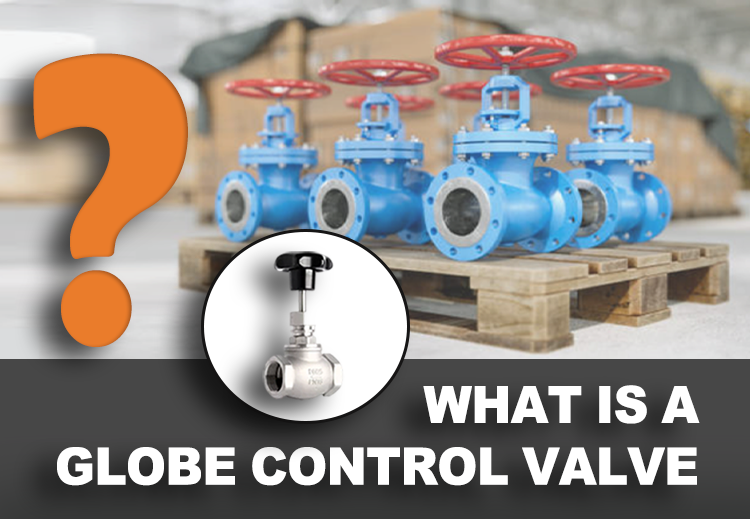
Dec 12, 2025 Blog
What Is a Globe Control Valve?
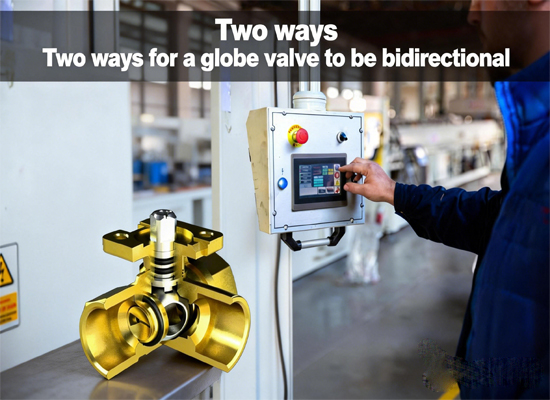
Dec 11, 2025 Blog
Two ways for a globe valve to be bidirectional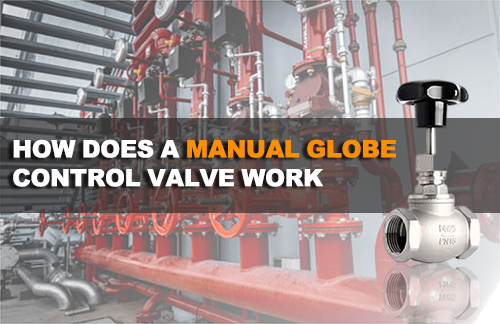
Dec 10, 2025 Blog
How Does a Manual Globe Control Valve Work?
Dec 09, 2025 Blog
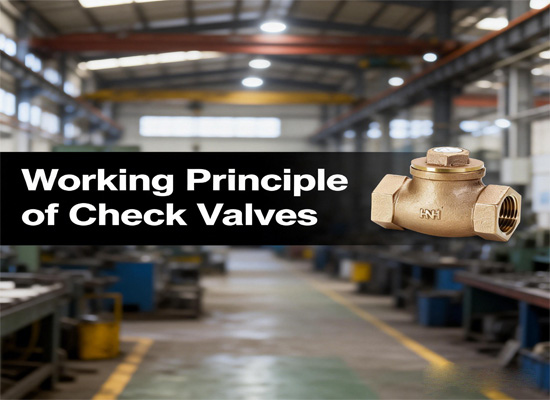
Working Principle of Check Valves
Dec 08, 2025 Blog
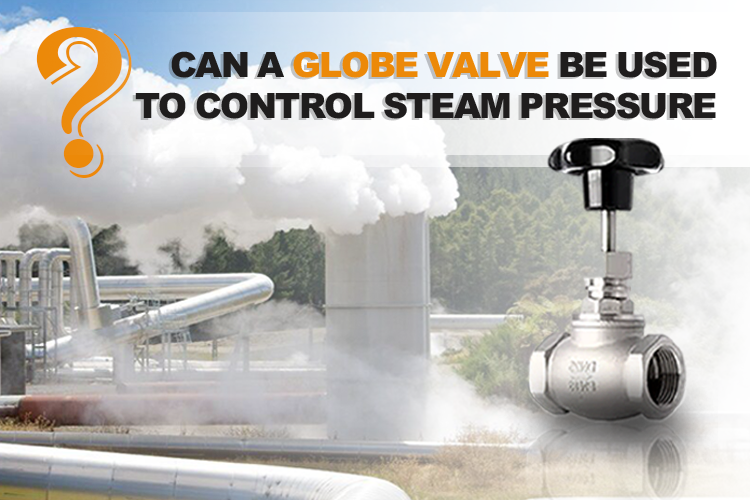
Can a Globe Valve Be Used to Control Steam Pressure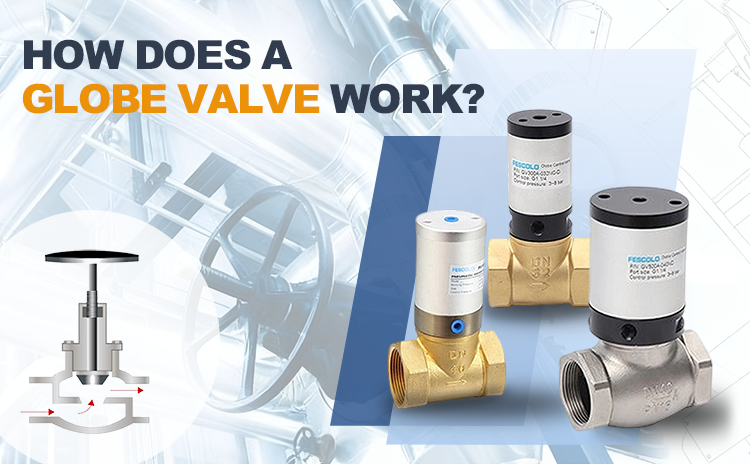
Dec 08, 2025 Blog
How Does a Globe Valve Work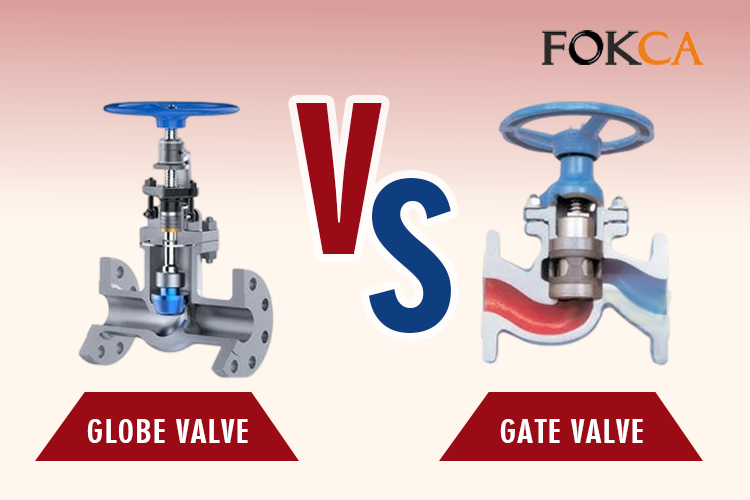
Dec 04, 2025 Blog
How to Identify Gate Valve and Globe Valve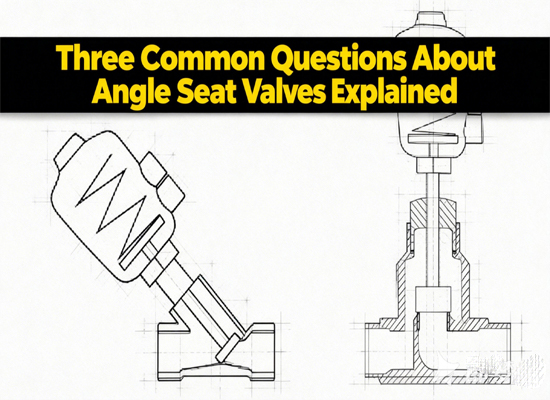
Get a free sample

Fokca is a brand of Ningbo Fokca Automation Co., Ltd.
Looking for custom pneumatic cylinder solutions? Visit our sister brand, Fescolo.→
© 2026 Ningbo Fokca Automation Co., Ltd. All rights reserved. Sitemap