Jan 22, 2026
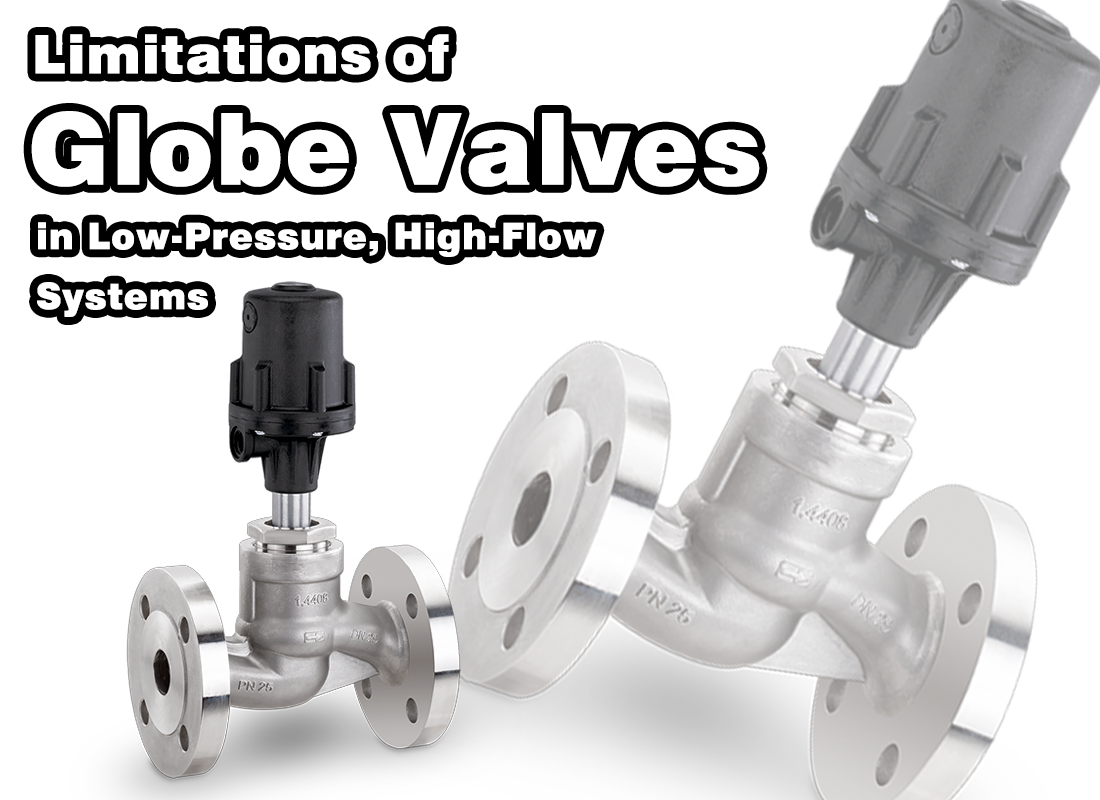
In industrial fluid systems, the globe valve is well known for precise control and reliable sealing. However, in low-pressure, high-flow applications, these same valves often introduce limitations that are not immediately obvious during the design stage.
Low-pressure systems operate with limited available pressure differential. When large flow rates are required, even small increases in flow resistance can significantly reduce system performance.
In high-pressure systems, localized pressure losses may be negligible. In contrast, low-pressure systems—such as cooling water loops or gravity-fed pipelines—have little margin to absorb additional losses.
In these conditions, excessive valve pressure drop can lead to reduced flow rate, increased pump load, and unstable downstream operation.
A globe valve forces fluid to change direction inside the valve body. This bent flow path enhances controllability but also increases turbulence and energy loss.
As flow rate rises, these losses grow disproportionately, making globe valves less suitable for applications where minimal pressure drop is critical.
In real installations, globe valves used in low-pressure, high-flow pipelines often remain fully open, yet still restrict flow. The result is higher energy consumption and reduced system efficiency—not because of valve failure, but because of structural flow resistance.
| Valve Type | Flow Direction | Relative Pressure Drop | High-Flow Suitability |
|---|---|---|---|
| Globe Valve | Redirected | High | Limited |
| Ball Valve | Straight-through | Low | Excellent |
| Gate Valve | Straight-through | Very low | Good |
Globe valves require careful evaluation in:
◆ Low-head pumping systems
◆ Gravity-driven pipelines
◆ Main distribution lines
◆ Energy-efficient continuous processes
In these cases, even a fully open globe valve can become a flow bottleneck.
For engineers, buyers, and distributors, valve selection should align with system priorities. When flow efficiency matters more than fine control, low-resistance valve designs are often the better choice.
Understanding where a globe valve excels—and where it does not—is key to building stable, efficient systems.
(FK9025)
You May Interest In
Dec 12, 2025 Blog
What Is a Globe Control Valve?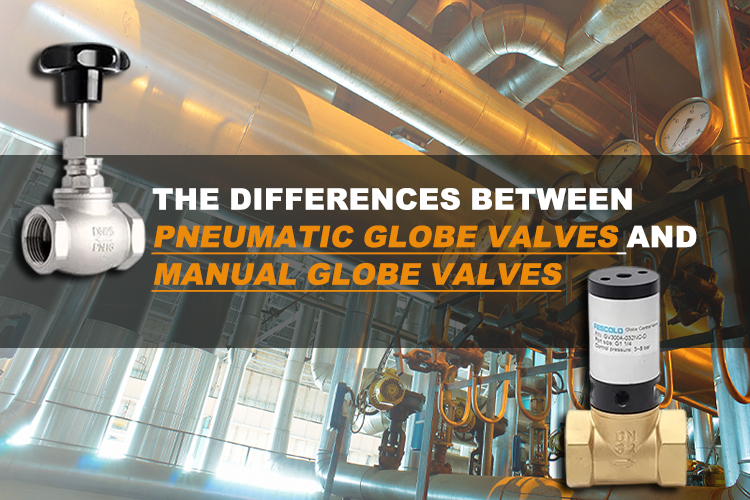
Dec 11, 2025 Blog
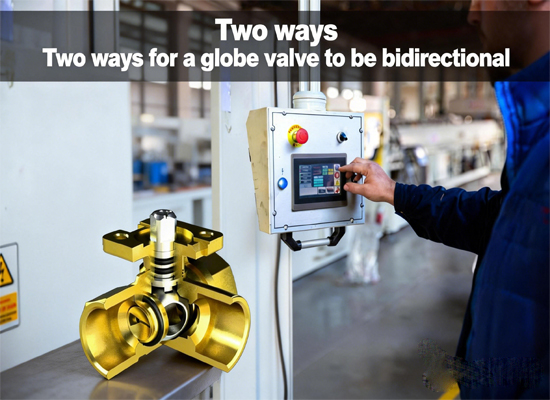
Two ways for a globe valve to be bidirectional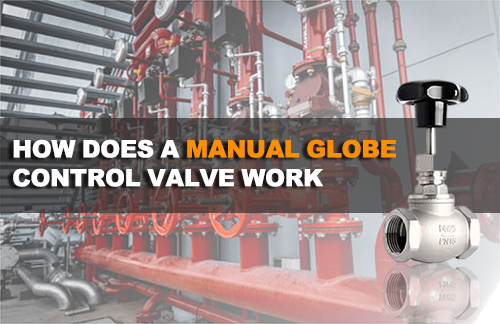
Dec 10, 2025 Blog
How Does a Manual Globe Control Valve Work?
Dec 08, 2025 Blog
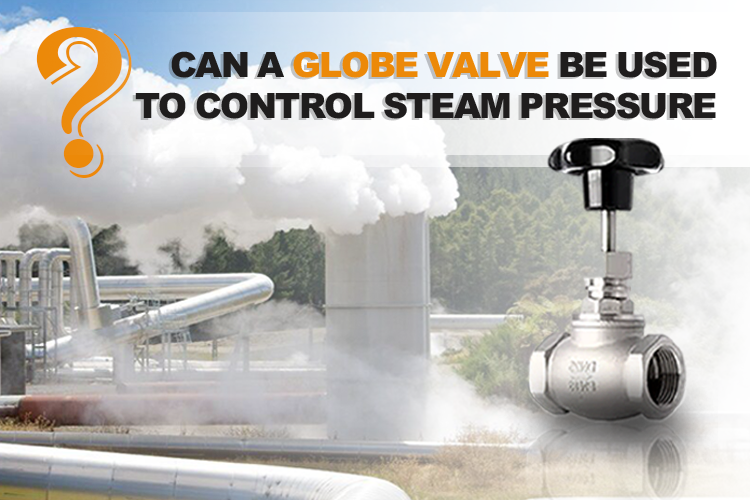
Can a Globe Valve Be Used to Control Steam Pressure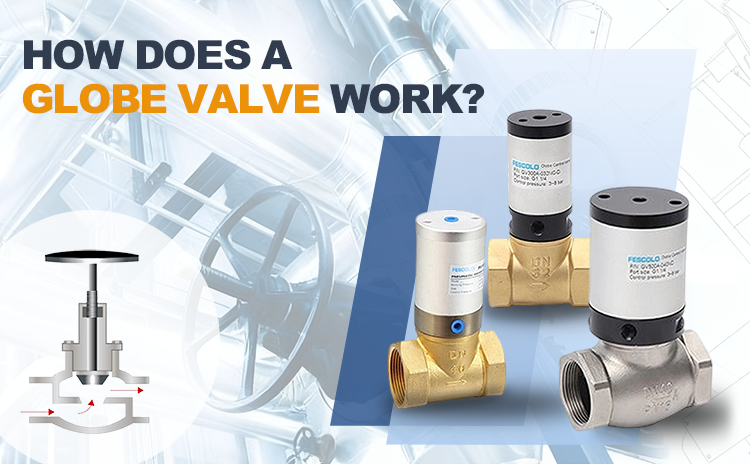
Dec 08, 2025 Blog
How Does a Globe Valve Work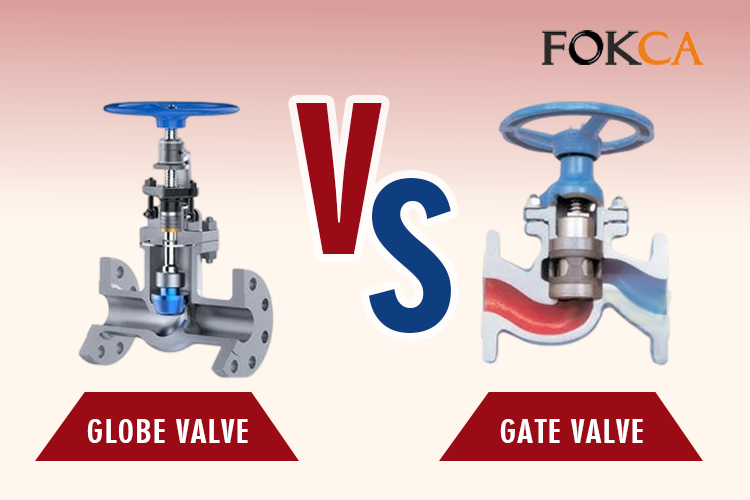
Dec 04, 2025 Blog
How to Identify Gate Valve and Globe Valve
Dec 09, 2025 Blog
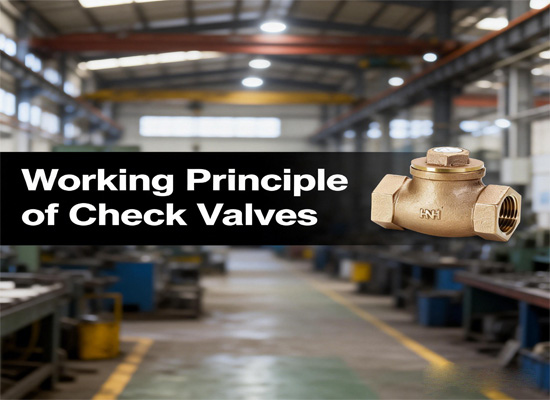
Working Principle of Check Valves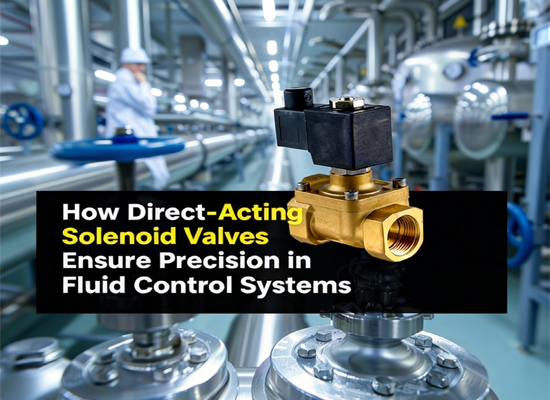
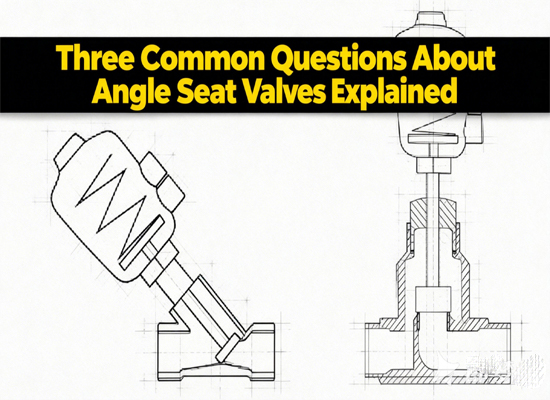

Dec 06, 2025 Blog
How to check pneumatic solenoid valve?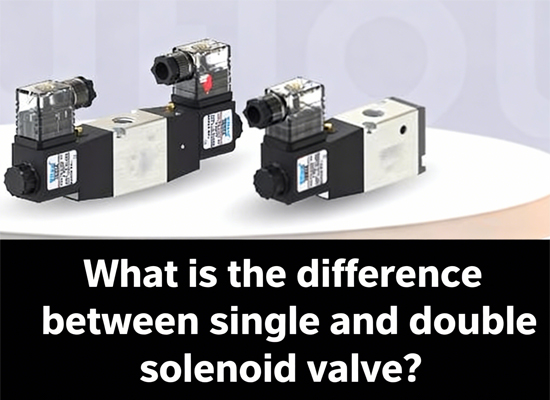
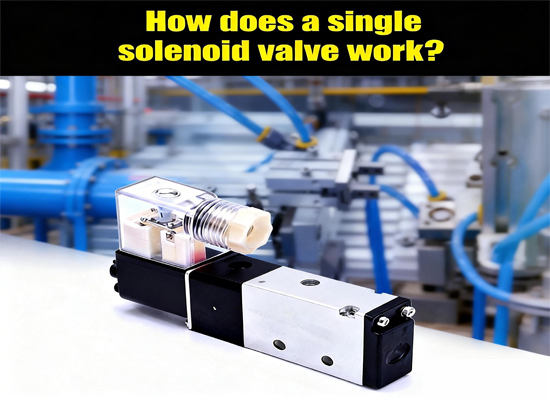
Dec 04, 2025 Blog
How does a single solenoid valve work?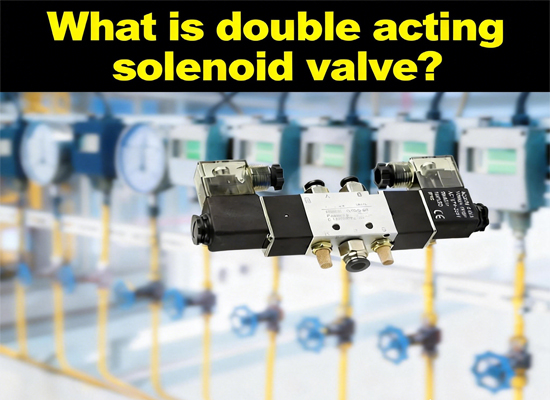
Dec 03, 2025 Blog
What is double acting solenoid valve?
Dec 02, 2025 Blog
How to clean a pneumatic solenoid valve?
Dec 01, 2025 Blog
How to Wire and Install a Pneumatic Solenoid Valve?
Nov 30, 2025 Blog
How to select pneumatic solenoid valve?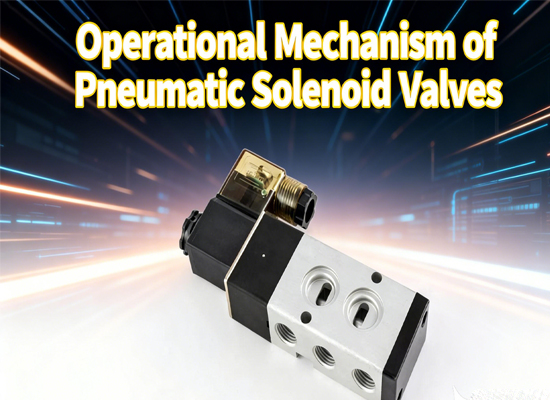
Nov 29, 2025 Blog
Operational Mechanism of Pneumatic Solenoid Valves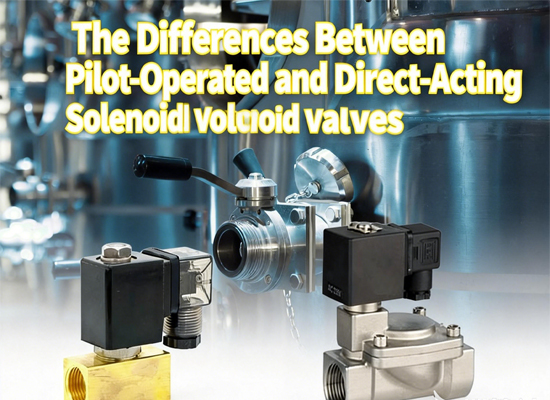
Get a free sample

Fokca is a brand of Ningbo Fokca Automation Co., Ltd.
Looking for custom pneumatic cylinder solutions? Visit our sister brand, Fescolo.→
© 2026 Ningbo Fokca Automation Co., Ltd. All rights reserved. Sitemap