Dec 05, 2025
Solenoid valves are widely used in modern automation and mechanical systems. Whether it's controlling cylinder movements, switching the direction of hydraulic circuits, or executing precise actions in intelligent equipment, solenoid valves act as the “command center” of the system. By using electrical signals to quickly and accurately control the flow of gases or liquids, solenoid valves make mechanical operations controllable, programmable, and repeatable, significantly improving efficiency and stability.
In the following sections, we will dive into the structure, working principles, and practical applications to thoroughly explain the key differences between single and double solenoid valves, helping you make smarter decisions when designing or selecting equipment.
◆ Cylinder motion control in Low-pressure pneumatic systems.
◆ Hydraulic circuit direction switching in hydraulic systems.
◆ Actuator control in industrial automation equipment.
◆ Water supply and fluid control systems.
◆ HVAC (Heating, Ventilation, and Air Conditioning) systems.
◆ Precise gas or liquid delivery in medical systems such as ventilators and analyzers.
Solenoid valves have a wide range of applications. As control elements in automation systems, they can be used in pneumatic and hydraulic systems. Different systems have different actuators, requiring different control logic and modes. For example, a system composed of a single-acting pneumatic cylinder (or hydraulic cylinder) only needs a single-direction drive control valve type, namely a single-acting solenoid valve. To achieve bidirectional drive or more complex system control, a double-acting solenoid valve type is required. We will now discuss single-acting and double-acting solenoid valves.
Single-acting solenoid valves have a simpler structure, consisting of only one solenoid coil and a spring return mechanism. When the coil is energized, the valve core is attracted, changing the flow direction of gas or liquid; when the coil is de-energized, the valve core returns to its original position under the action of the spring.
In terms of characteristics, the most significant feature of single-acting solenoid valves is their automatic return safety feature. Additionally, their simple control method and fast response are also significant advantages. This predictable, automatic reset function makes them very practical in many devices.
pneumatic or hydraulic devices that need to maintain a default reset state;
industrial automation systems with high safety requirements;
equipment that needs to automatically return to its initial position when power is lost.
Due to their simple structure, reliable operation, and excellent safety performance, single-acting solenoid valves are widely used in various mechanical and automation systems.
Compared to single-electro-controlled structures, dual-electro-controlled solenoid valves utilize two solenoid coils to control the valve core. When one coil is energized, the valve core is attracted and switches to the corresponding position; when the other coil is energized, the valve core switches to the opposite position.
In terms of characteristics, dual-electro-controlled solenoid valves offer more flexible directional switching capabilities. The two coils control different actions, resulting in richer and more stable control logic. If both coils are energized simultaneously, the valve core remains in its default position. Dual-acting solenoid valves offer advantages such as high operational stability, more precise switching, and multiple control states.
multi-directional pneumatic or hydraulic control systems;
automated equipment requiring positional control;
complex motion control of robots and manipulators;
production line equipment requiring high continuity of motion.
| Comparison Aspect | Single Solenoid Valve | Double Solenoid Valve |
|---|---|---|
| Structure | One coil + spring return | Two coils, no spring return |
| Working Method | Energized to switch; de-energized to return automatically | Two coils control two directions; maintains position when power is off |
| State After Power Loss | Automatically returns to default position (NO/NC) | Holds the last position before power loss |
| Safety | High safety — auto-reset ensures safe state | No auto reset — requires external logic for safety |
| Energy Consumption | Low — power only needed during switching | Medium — brief power for switching, position maintained without power |
| Control Complexity | Simple — only one control signal required | More complex — requires two independent control signals |
| Typical Application Scenarios | Systems needing automatic reset or higher safety | Systems requiring position holding or frequent directional switching |
| Common Use Cases | Cylinder reset, emergency power-off protection | Multi-position control, robotic and automation mechanisms |
If you need a system with single-direction force, a simple structure, lower cost, and basic functionality, choose a single-acting solenoid valve;
If you need bidirectional pressure control for your actuator to achieve stronger force, higher precision, and more complex motion, choose a double-acting solenoid valve.
Other websites related to manufacturing:
www.emersonautomationexperts.com
www.roboticsandautomationnews.com
www.distributordatasolutions.com
(9016)
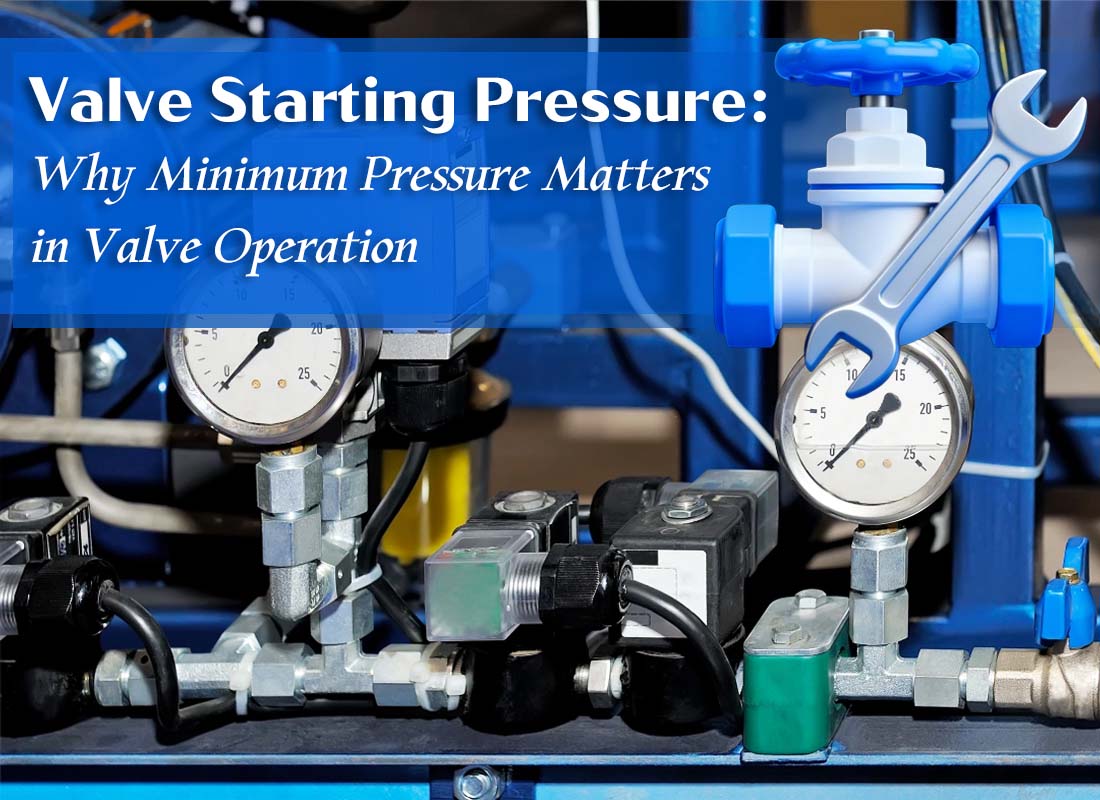 Valve Starting Pressure: Why Minimum Pressure Matters in Valve Operation
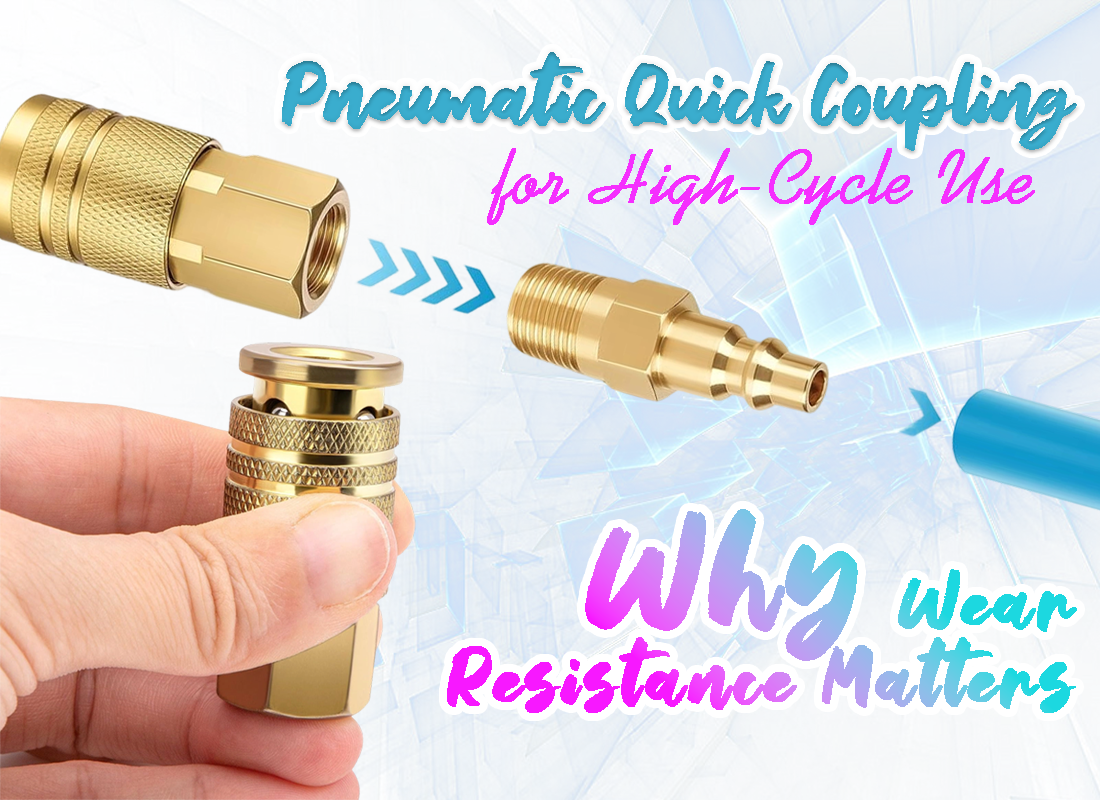 Pneumatic Quick Coupling for High-Cycle Use: Why Wear Resistance Matters
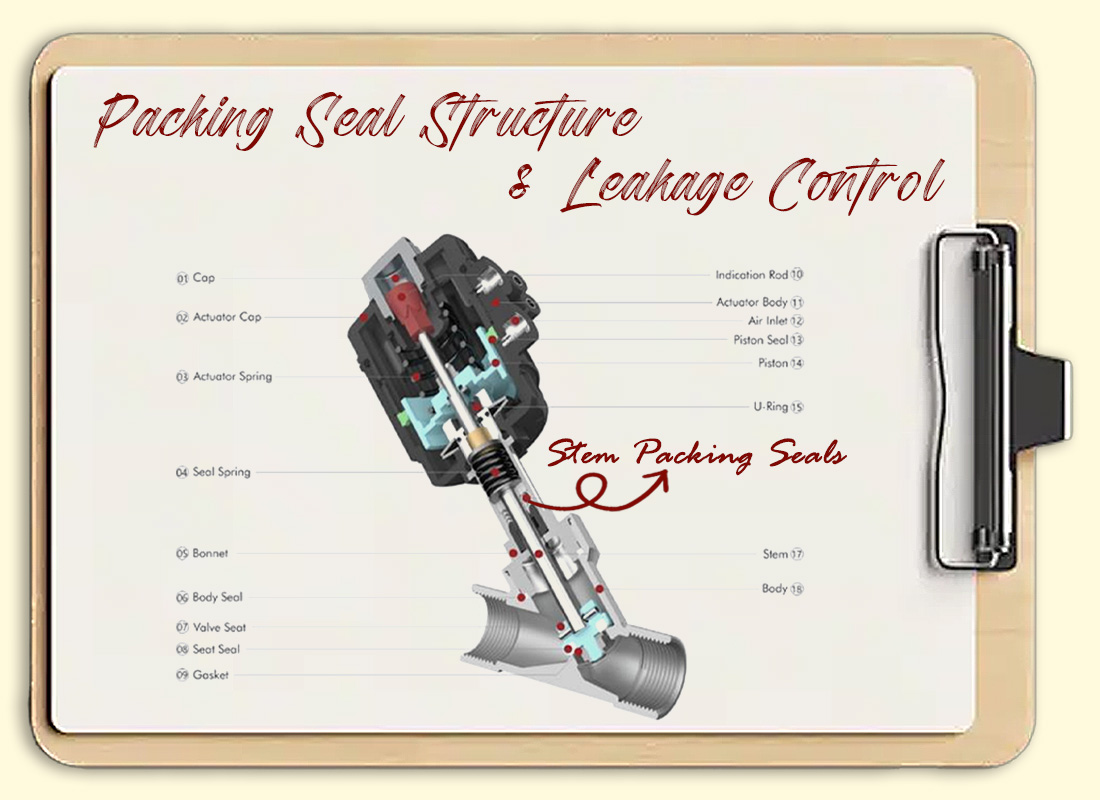 Angle Seat Valve Packing Seal Structure and Leakage Control in Industrial Applications
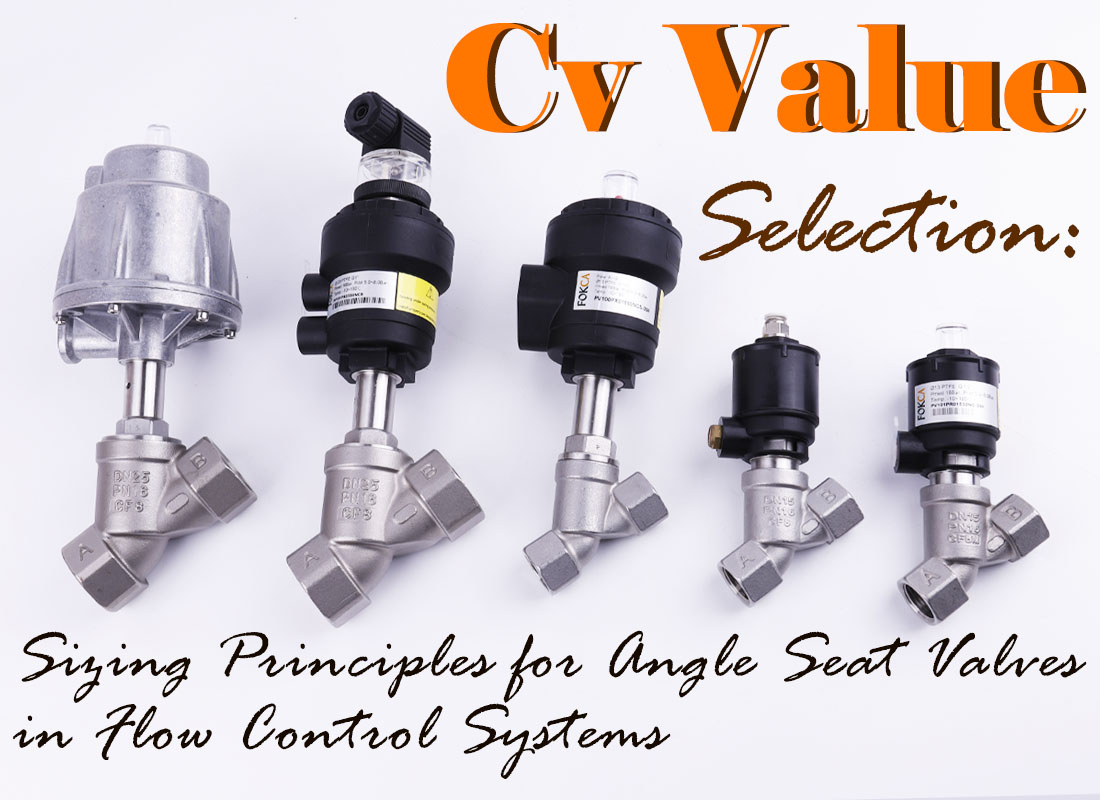 Cv Value Selection: Sizing Principles for Angle Seat Valves in Flow Control Systems
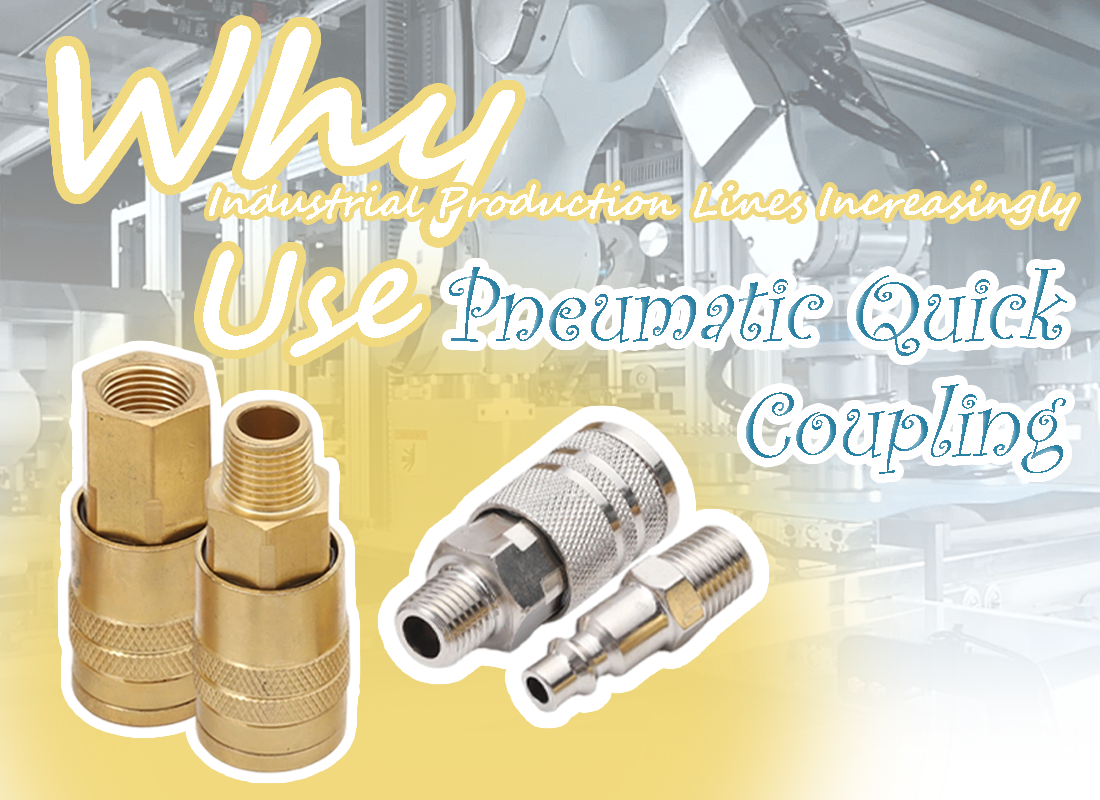 Why Industrial Production Lines Increasingly Use Pneumatic Quick Coupling
You May Interest In

Dec 02, 2025 Blog
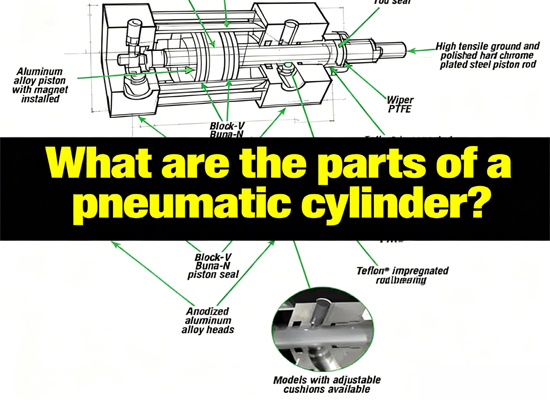
What are the parts of a pneumatic cylinder?

Apr 18, 2025 Blog
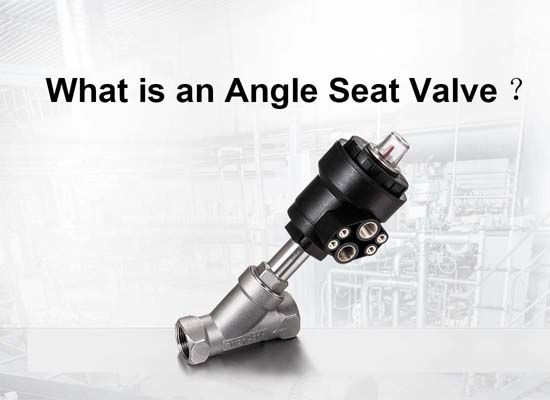
What is an Angle Seat Valve?
Get a free sample

FOKCA ©1998-2026 All Rights Reserved Sitemap