In automated lines and test benches, connections are rarely static. Operators repeatedly connect and disconnect tools, fixtures, and air lines, often hundreds of times per shift. In such conditions, a standard pneumatic quick coupling can degrade quickly, leading to leakage, unstable pressure, and unexpected downtime. Choosing a durable quick coupling designed for high-cycle use is not a cost upgrade—it is a reliability decision that directly affects production continuity.
High-Frequency Connection Scenarios in Modern Automation
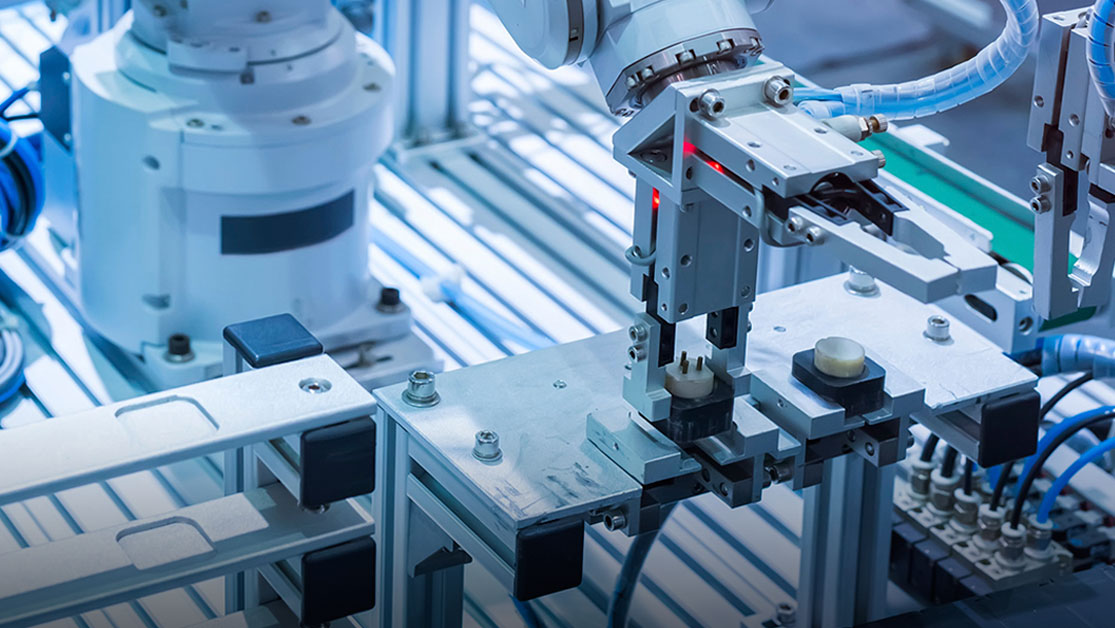
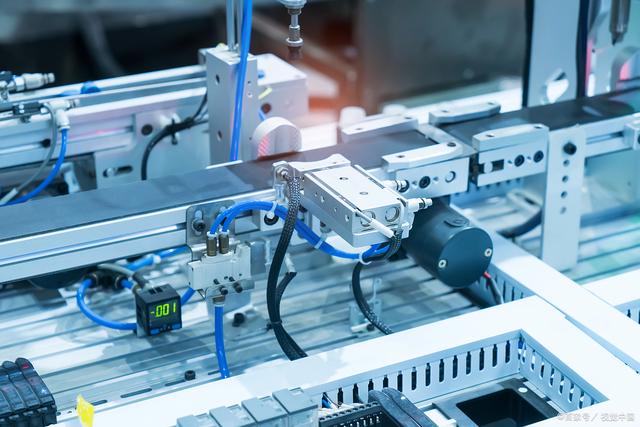
In real production environments, frequent connection cycles are not exceptional—they are routine. On assembly lines, pneumatic tools are swapped constantly. In test equipment, air circuits are connected and disconnected during each cycle. Maintenance teams also rely on portable air tools with repeated hookups.
These scenarios demand more from a quick connect air fitting than simple sealing. The internal locking structure, sleeve movement, and sealing surfaces all experience continuous friction. Frequent mechanical wear becomes the primary failure factor, not pressure or temperature.
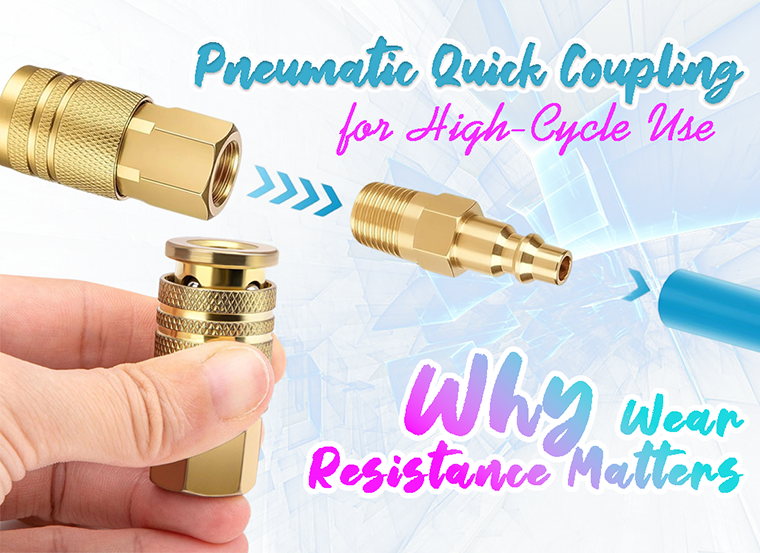
Why Standard Pneumatic Fittings Fail Prematurely
A typical air quick coupler is designed for moderate use. When exposed to high-cycle operations, several failure modes appear:
1.Surface wear on the locking balls and sleeve
2.Seal deformation leading to micro-leakage
3.Reduced retention force after repeated insertions
These issues often start subtly. A slight air leak may not trigger immediate alarms but can reduce system efficiency.
According to industrialmaintenance reports, compressed air leakage can account for 20–30% energy loss in pneumatic systems.
Wear-Resistant Materials and Surface Hardening Technologies
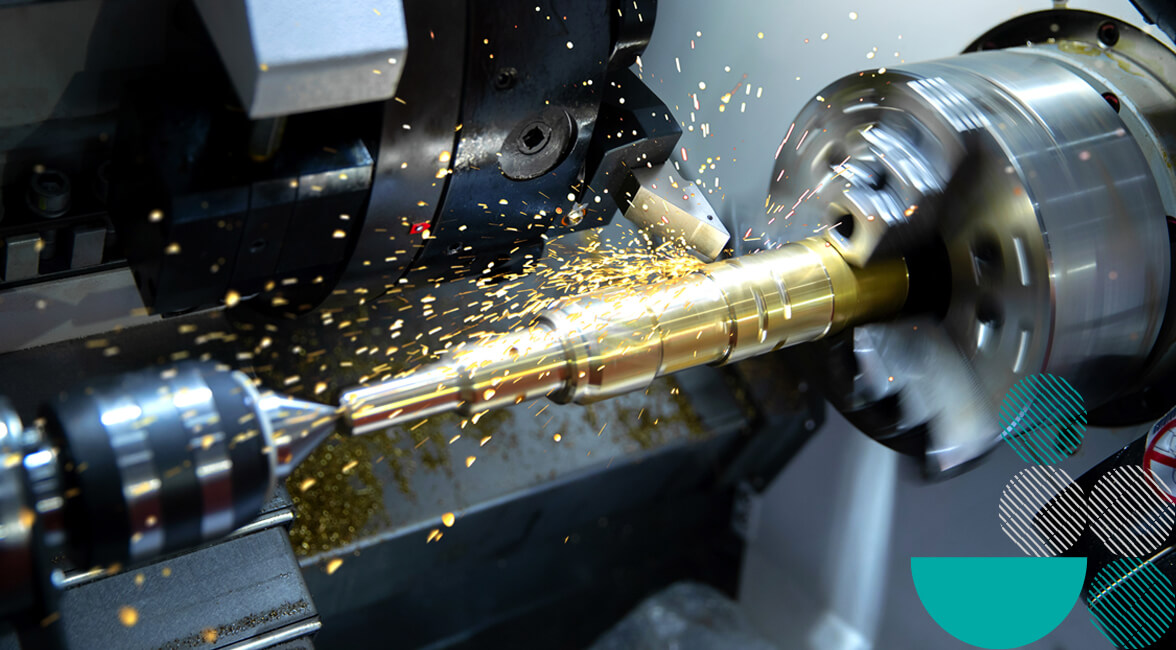
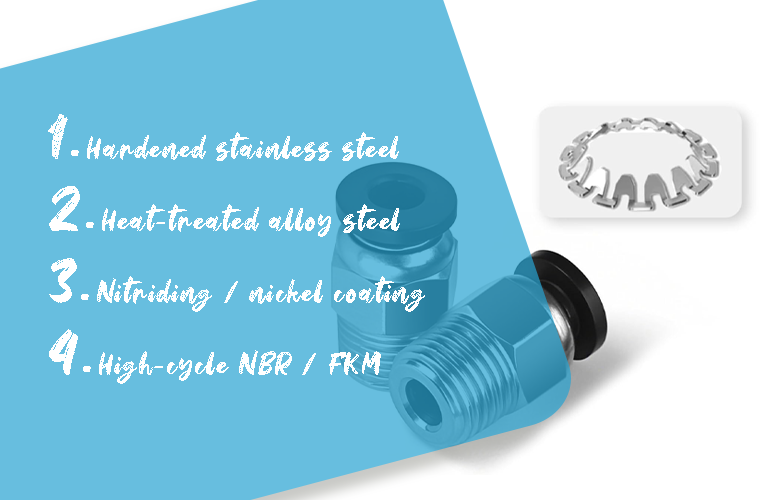
The durability of a pneumatic quick coupling largely depends on material selection and surface treatment. High-performance designs typically incorporate:
1.Hardened stainless steel or alloy steel bodies for structural strength
2.Surface hardening treatments such as nitriding or nickel plating
3.High-cycle sealing materials like NBR or fluororubber
These enhancements reduce friction loss and extend service life significantly.
| Component | Standard Material | Wear-Resistant Upgrade |
|---|
| Coupling body | Brass | Hardened stainless steel |
| Locking mechanism | Carbon steel | Heat-treated alloy steel |
| Surface finish | Basic plating | Nitriding / nickel coating |
| Seal material | Standard rubber | High-cycle NBR / FKM |
Field data from automation equipment manufacturers shows that hardened couplings can extend service life by 2–4 times under high-cycle conditions.
How Durable Quick Couplings Improve System Stability
A durable quick coupling does more than last longer—it stabilizes the entire pneumatic system. Reduced wear means:
◆Consistent sealing performance over time
◆Stable airflow and pressure delivery
◆Lower maintenance frequency
For equipment engineers, this translates into fewer unexpected shutdowns. For distributors and procurement teams, it means reduced replacement cycles and better lifecycle cost control.
Application Focus: Where High-Cycle Couplings Are Essential
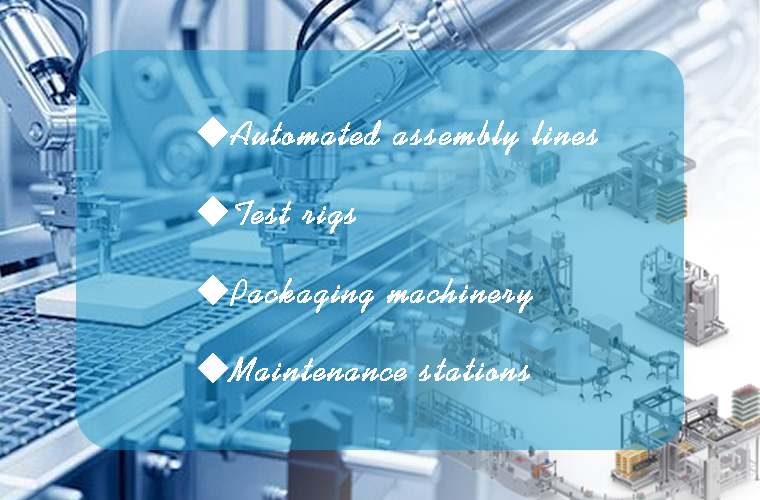
Certain industries place particularly high demands on pneumatic push in fitting and coupling durability:
◆Automated assembly lines with tool switching
◆Test rigs with repeated connection cycles
◆Packaging machinery with modular air circuits
◆Maintenance stations using portable pneumatic tools
In these environments, using standard Pneumatic Fittings often results in hidden inefficiencies. Upgrading to wear-resistant designs ensures long-term operational consistency.
Selection Considerations for High-Cycle Air Quick Couplers
When selecting a quick connect air fitting for demanding applications, engineers and buyers should evaluate:
◆Cycle life rating (not just pressure rating)
◆Material hardness and surface treatment
◆Seal performance under repeated motion
◆Compatibility with existing pneumatic systems
For example, pairing high-durability couplings with reliable components such as
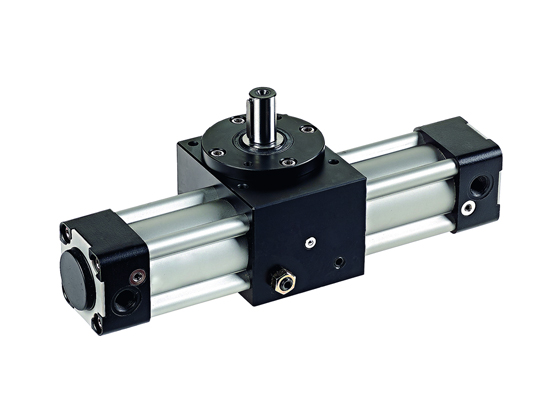
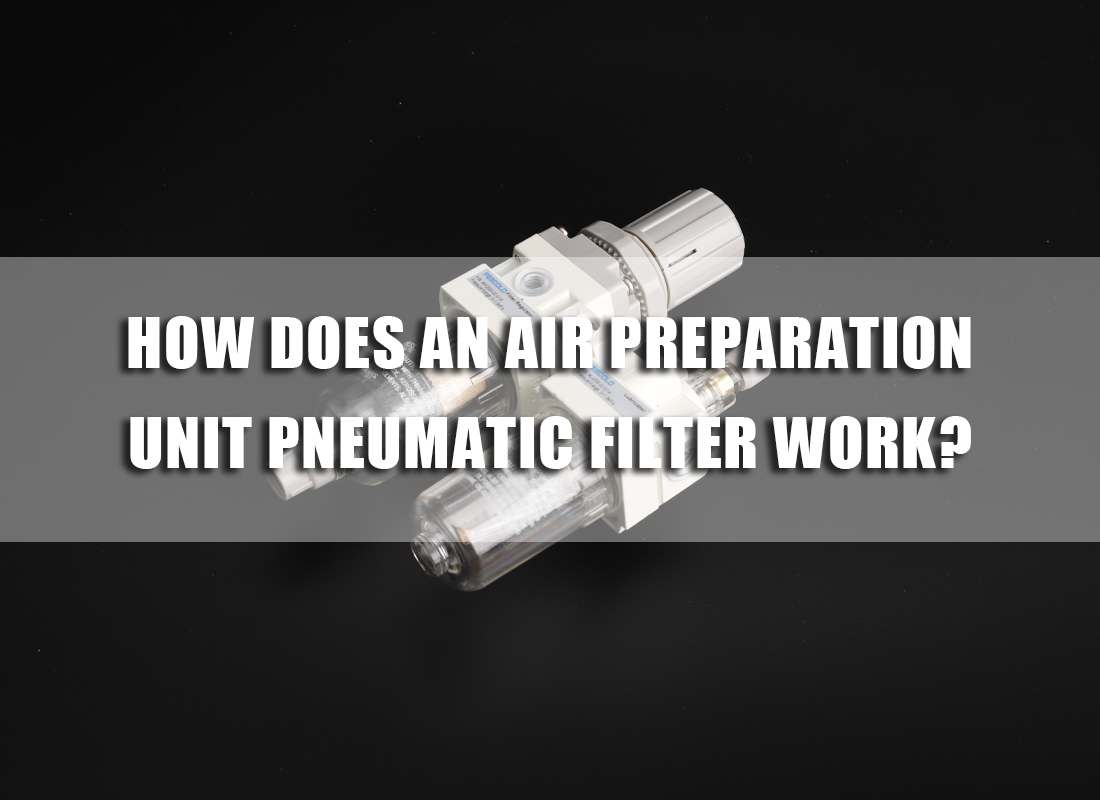
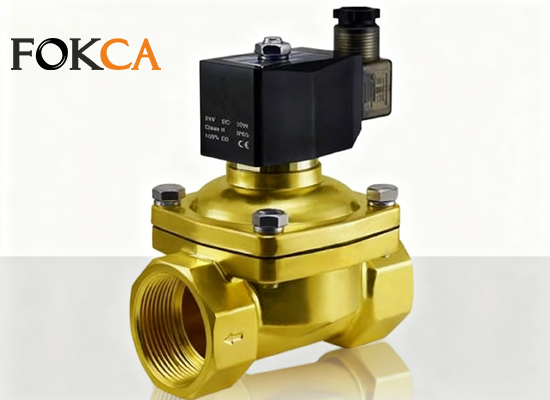
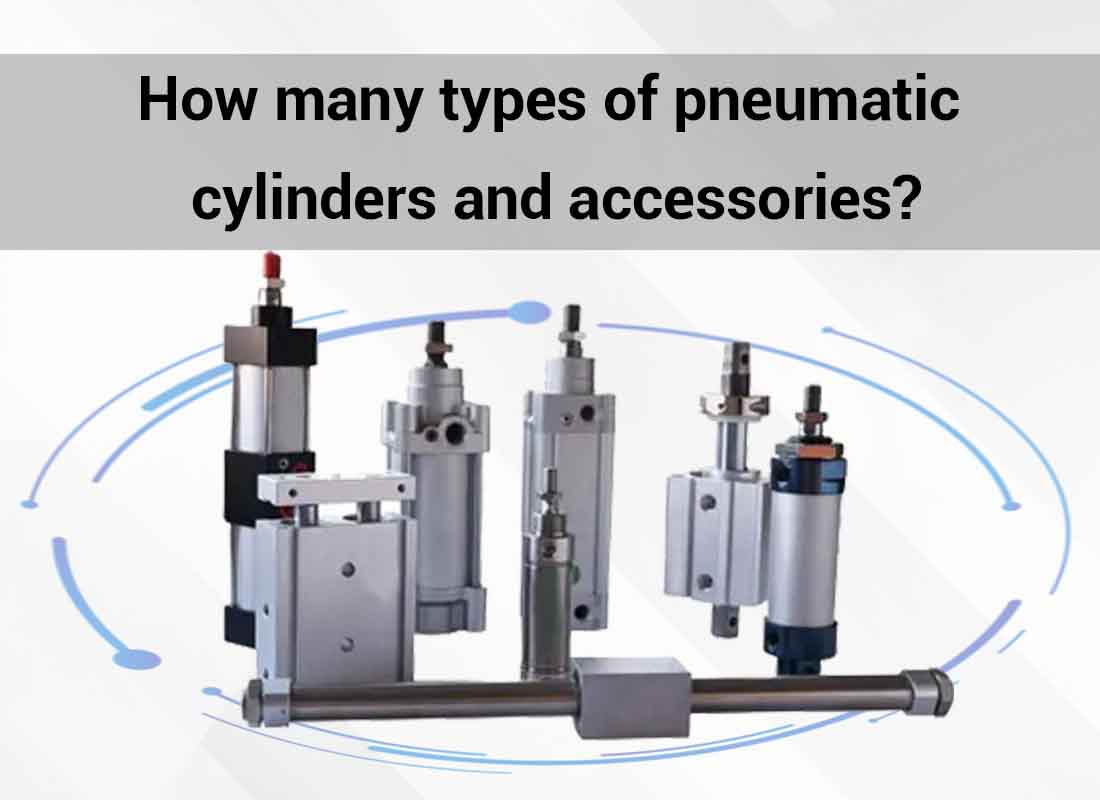
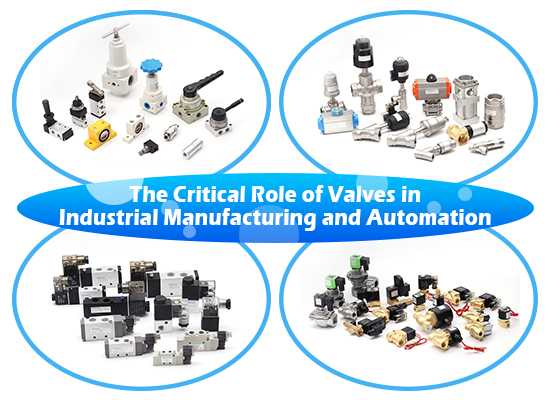
pneumatic cylinders and solenoid valves ensures system-wide consistency, while integrating with air preparation units helps maintain clean, dry air—critical for extending coupling life.
Practical Insight from Production Lines
A packaging equipment manufacturer once faced recurring air leaks in a high-speed line. The root cause was not system pressure but excessive wear on standard couplers used in tool-change stations. After switching to wear-resistant pneumatic quick coupling designs, maintenance intervals increased from weekly to quarterly.
The improvement was not dramatic in appearance—but significant in uptime and cost savings.
Reliable connections are often overlooked because they are small components. Yet in high-frequency environments, they quietly determine whether a system runs smoothly or constantly demands attention. Selecting the right air quick coupler is less about specification sheets and more about understanding how real-world usage shapes performance over time.
(FK9026)

 AV700 Series Fill Valve: A Comprehensive Application Guide
 Pilot Pressure vs Working Pressure in Industrial Valves: Key Differences and Selection Guide
 Water Hammer Explained: Why Angle Seat Valves Are the Optimal Solution
 Valve Flow Rate Comparison: An Analysis of Four Common Valve Types
 The Temperature Limit of Valves: How Seal Material Affects Valve Body Performance