Mar 18, 2026
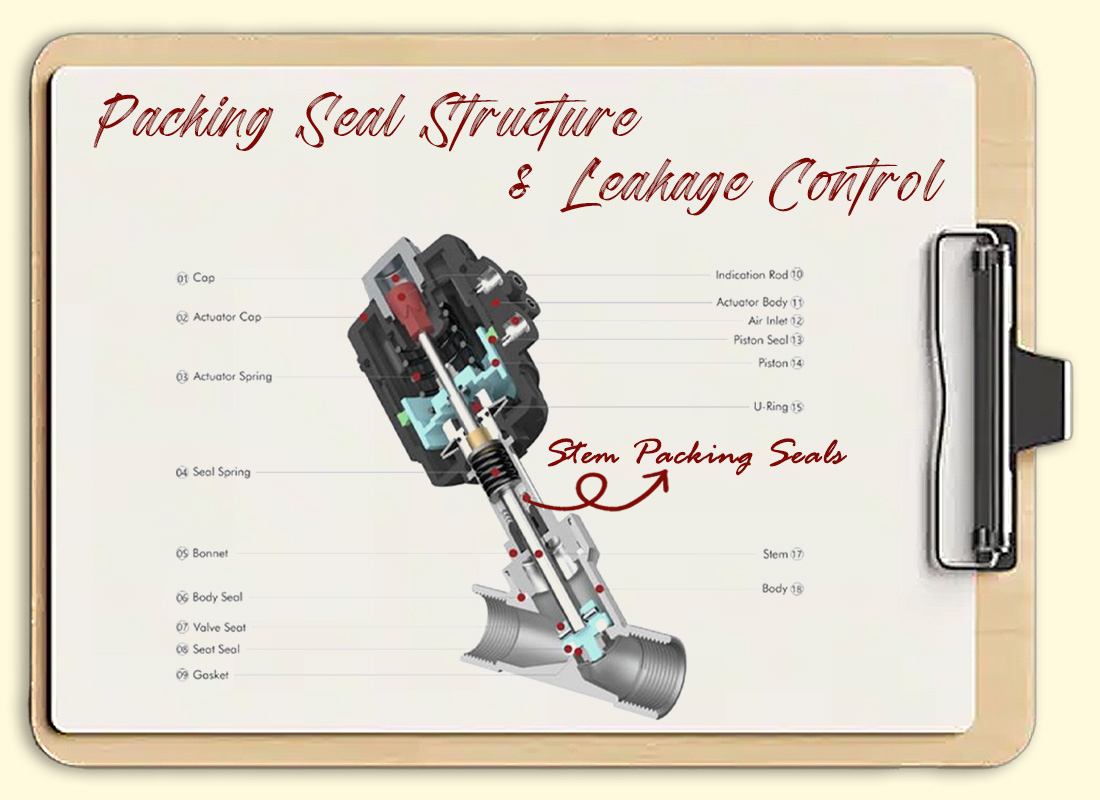
In any angle seat valve, especially in high-cycle automation environments, external leakage often originates not from the valve seat, but from the valve stem sealing structure. The packing seal acts as a dynamic barrier between the moving stem and the valve body, directly affecting long-term reliability.
In a typical pneumatic angle seat valve or angle seat piston valve, the stem reciprocates frequently. Without proper packing compression and material selection, micro leakage can gradually develop, especially under high temperature or high switching frequency conditions. This makes packing design as critical as flow capacity or Cv sizing in system engineering.
From a structural perspective, the packing seal relies on radial compression to maintain contact with the stem surface. As the valve operates, friction, wear, and thermal expansion continuously change this contact condition, which explains why leakage behavior is dynamic rather than constant.
The sealing structure in most 2 2 way angle seat valve designs includes a packing chamber, gland follower, and multiple sealing rings. These rings are compressed axially to create radial sealing force.
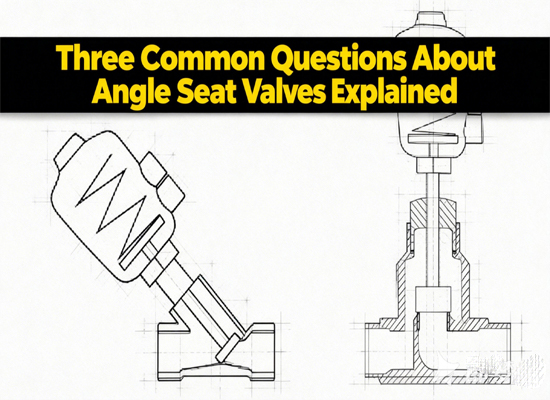
In a typical angle seat valve diagram, the packing is located above the valve body, separating process fluid from the actuator area. This design ensures that even under reverse flow or fluctuating pressure, the sealing performance remains stable.
A key engineering detail lies in how the packing adapts to stem movement. Softer materials can conform better but wear faster, while harder materials resist wear but may allow micro leakage. This trade-off becomes more evident in applications involving compact flanged angle seat motor valve systems where space and temperature variations are both critical.
Different packing materials behave very differently under thermal and mechanical stress. Selecting the correct material is essential for minimizing leakage in angle seat valves.
Below is a typical comparison based on industry test data (source type: industrial sealing material performance reports):
| Packing Material | Temperature Range (°C) | Friction Coefficient | Leakage Resistance | Wear Resistance | Suitable Application |
|---|---|---|---|---|---|
| PTFE | -50 to 200 | Low | Good | Medium | General fluid, frequent actuation |
| Graphite | 200 to 500 | Medium | Excellent | High | High temperature steam |
| PTFE + Graphite | -50 to 300 | Medium-Low | Very Good | High | Balanced industrial use |
PTFE packing is widely used in manual angle seat valve and standard pneumatic systems due to its low friction and chemical resistance. However, under high temperature, PTFE tends to creep, reducing sealing pressure over time.
Graphite packing, on the other hand, performs exceptionally well in high-temperature environments such as steam lines. Its thermal stability and self-lubricating properties make it suitable for demanding applications, though slightly higher friction may affect actuator load.
In automated systems using angle seat valve working principle based on rapid actuation, the packing is subjected to repeated mechanical stress. Over time, this leads to:
◆ Gradual loss of compression force
◆ Surface wear on the valve stem
◆ Increased clearance and micro leakage
For example, in a beverage filling line using angled seat valve control, valves may operate thousands of cycles per day. Under such conditions, even high-quality PTFE packing may degrade within months if not properly preloaded or maintained.
High-frequency operation also amplifies the effect of friction. Increased friction not only affects sealing but also impacts actuator efficiency, especially in pneumatic angle seat valve systems where air consumption becomes a cost factor.
From an engineering standpoint, reducing leakage is not only about material selection but also about structural optimization and maintenance practices.
Proper gland design ensures uniform compression of the packing rings, avoiding uneven wear. Multi-layer packing structures combining PTFE and graphite are often used in advanced angle seat valve function designs to balance flexibility and durability.
Surface finishing of the valve stem is another critical factor. A smoother stem reduces friction and minimizes packing wear, directly improving sealing performance.
In addition, correct installation torque is essential. Over-tightening increases friction and accelerates wear, while under-tightening leads to immediate leakage. This balance is particularly important in systems using angle seat valve flow direction control under varying pressure conditions.
When selecting or maintaining an angle seat valve, attention to packing seal details can significantly extend service life and reduce maintenance costs.
◆ Choose PTFE packing for low-temperature, high-frequency applications
◆ Use graphite or composite packing for steam and high-temperature systems
◆ Ensure proper gland adjustment during installation
◆ Avoid unnecessary frequent switching in automated systems
◆ Inspect stem surface and packing condition regularly
A well-designed packing system ensures that even in demanding industrial environments, the angle seat valve maintains stable performance with minimal external leakage over time.
(FK9025)
 AV700 Series Fill Valve: A Comprehensive Application Guide
 Pilot Pressure vs Working Pressure in Industrial Valves: Key Differences and Selection Guide
 Water Hammer Explained: Why Angle Seat Valves Are the Optimal Solution
 Valve Flow Rate Comparison: An Analysis of Four Common Valve Types
 The Temperature Limit of Valves: How Seal Material Affects Valve Body Performance
You May Interest In
Nov 13, 2025 Blog
What are pneumatic angle seat valves used for?
Nov 13, 2025 Blog
How to check valve seat angle?
Apr 18, 2025 Blog
What is an Angle Seat Valve?

Mar 06, 2026 Blog
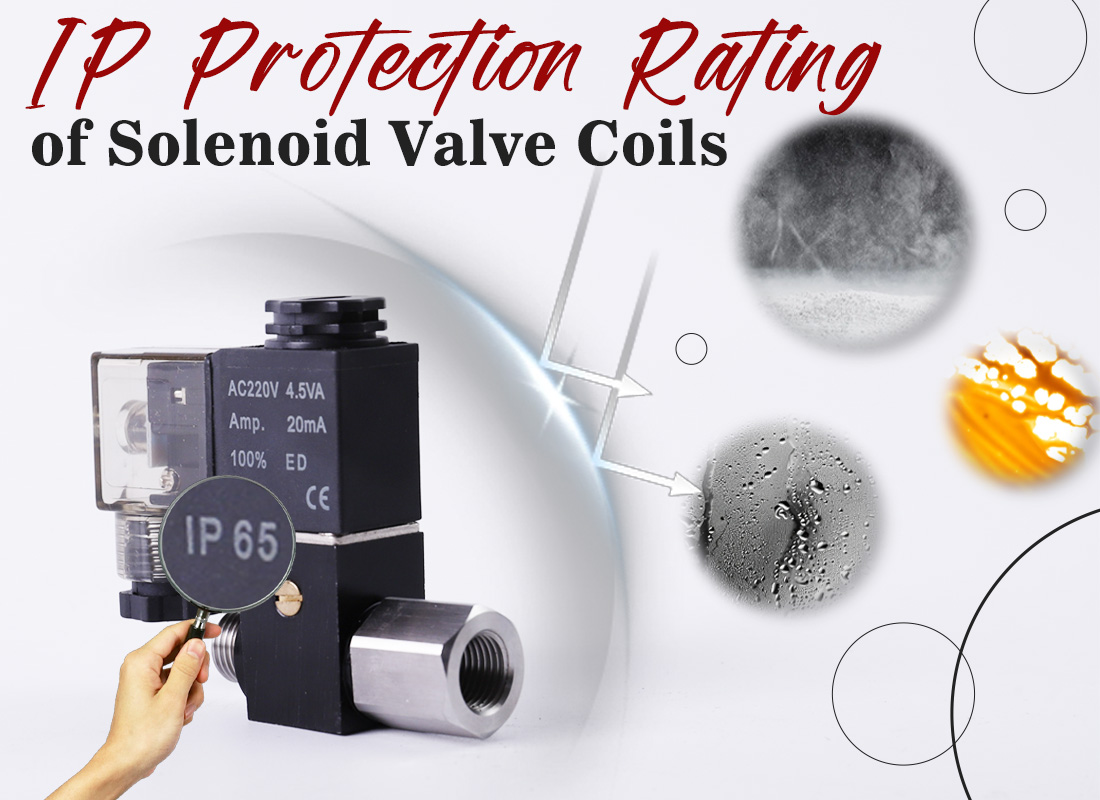
IP Protection Rating of Solenoid Valve Coils

Get a free sample

Fokca is a brand of Ningbo Fokca Automation Co., Ltd.
Looking for custom pneumatic cylinder solutions? Visit our sister brand, Fescolo.→
© 2026 Ningbo Fokca Automation Co., Ltd. All rights reserved. Sitemap