In industrial automation and fluid control systems, valve performance directly impacts production efficiency and system safety. Angle seat valves, due to their high flow rate, rapid opening and closing, and durability, are widely used in the control of steam, gas, liquids, and corrosive media. As an experienced angle seat valve supplier, we understand the common challenges our customers face during selection, installation, and maintenance. Therefore, we have compiled the following frequently asked questions and professional answers to help you better understand and use angle seat valves.
What is an angle seat valve?
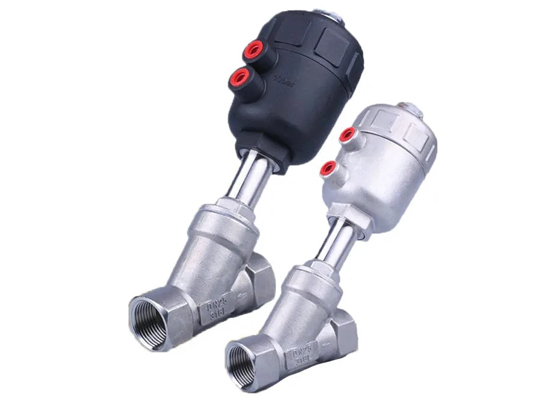
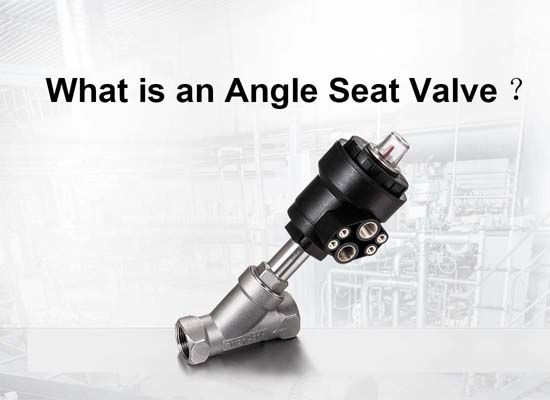
An angle seat valve is a high-performance valve with an angled seat, operated pneumatically or hydraulically to switch fluid flow. Because of the angled design between the seat and valve core, it achieves high flow rate, low pressure loss, and rapid opening and closing. Common applications include the control of steam, liquids, gases, and corrosive media, making it ideal for automated production lines and process systems.
How to check the seat angle?
When checking the seat angle, you can first visually inspect the mating surfaces of the seat and valve core to check for wear or gaps. For applications requiring high precision, we recommend using a precision angle gauge or protractor to ensure valve sealing and service life.
How to determine the valve seat angle?
The valve seat angle of an angle seat valve is generally determined by the manufacturer's design standards (common angles include 30°, 45°, 60°, etc.). If specifications are not available, you can use a vernier caliper, angle gauge, or optical projector to measure the angle between the valve core and the valve seat to ensure the correct model is selected during replacement or maintenance.
How to measure the valve seat angle?
There are several methods for measuring the valve seat angle:
Simple method: Measure the valve seat surface using an angle gauge or protractor.
High-precision method: Use a coordinate measuring machine (CMM) or optical projector for measurement.
After measurement, it is recommended to compare the result with the design standards to ensure that the valve's sealing and fluid control performance meet the requirements.
Fokca Automation Introduce
Our pneumatic angle seat valves offer high performance, featuring fast opening and closing, high flow rates, low pressure loss, and long service life. They are versatile and suitable for controlling steam, gases, liquids, and corrosive media. Compliant with multiple international standards, our products are compatible with a wide range of industrial systems worldwide. In addition, we provide professional guidance on selection, installation advice, and comprehensive after-sales support to ensure reliable and worry-free operation for our customers.
Pneumatic angle seat valves are very important for pneumatic systems and components. Below are website addresses for other common manufacturing categories.
www.assemblymag.com:Automation equipment, robots, tools, and components.
www.gesrepair.com:Repair and remanufacturing of devices including drives, servo motors, PLC controllers, and industrial robots.
www.mobile-industrial-robots.com:Industrial logistics robots and material handling robots.
www.orientalmotor.com:Supplier of precision motion control and compact automation drive solutions.
www.partcommunity.com:Components for engineering design and product development.
www.thomsonlinear.com:Linear motion products such as linear guides, ball screws, linear motors, and linear bearings.
www.designworldonline.com:Industrial design and engineering technology news, case studies, and white papers.
www.automationworld.com:Industrial automation news, technical articles, and market analysis.
(9016)