Mar 11, 2026
In pneumatic automation systems, industrial valves are often driven by a pneumatic actuator. These actuators can operate different types of valves, including pneumatic actuated ball valves, butterfly valves, and control valves.
Once a valve is installed in a pipeline, it becomes difficult to determine its actual position from the outside. Operators may not know whether the valve is fully open, fully closed, or partially open. In complex industrial installations, this lack of visibility can lead to operational uncertainty.
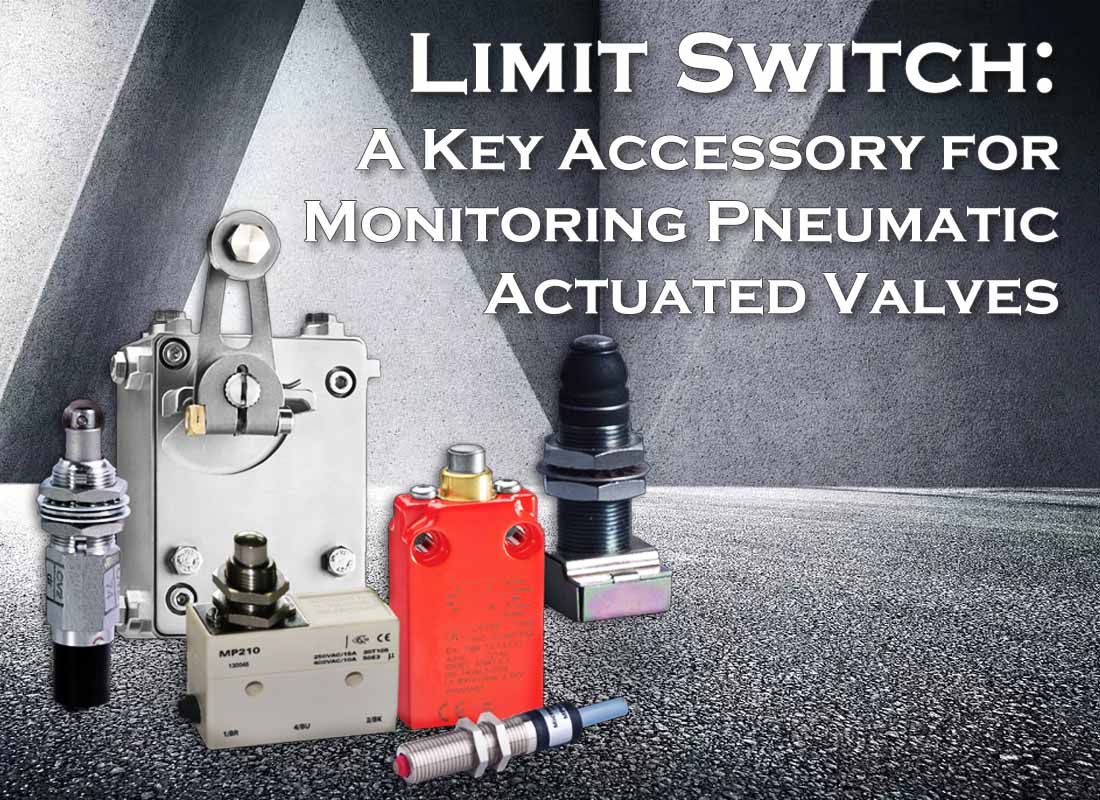
To solve this problem, engineers install a limit switch on the pneumatic valve actuator. This device can visually indicate the valve position and transmit electrical signals to a control system, allowing operators in the control room to monitor valve status in real time.
A pneumatic actuated valve may be installed in locations that are difficult to observe directly, such as high pipelines, chemical plants, or remote processing units. Without feedback devices, operators would have to rely on manual inspection.
A limit switch solves this issue by detecting the movement of the actuator. When a pneumatic rotary actuator or double acting pneumatic actuator rotates to a preset position, an internal cam mechanism triggers the switch contacts.
This mechanism provides two important functions:
◆ Local visual indication of valve position
◆ Electrical feedback to the control system
With this setup, pneumatically actuated valves can be monitored both locally and remotely.
Many limit switch boxes include a clear mechanical position indicator. When the pneumatic actuator valve reaches the open or closed position, the indicator changes its orientation.
This visual feedback allows maintenance personnel to quickly determine the valve state without disassembling the equipment.
Such indicators are commonly installed on pneumatic actuator ball valve systems and butterfly valve with pneumatic actuator assemblies, where the actuator rotates 90 degrees.
Beyond local indication, limit switches are widely used to send signals to automation systems such as PLC or DCS.
When the pneumatic rotary actuator reaches the end position, the limit switch contacts change state. This signal can then be transmitted to the central control room.
In automated production systems, this information is essential. For example, if a pneumatic actuated butterfly valve has not fully closed, the control system can prevent the next operation from starting.
This improves both operational safety and process reliability.
Limit switches can be installed on different types of pneumatic actuators, including rotary and linear designs. They are commonly used with rack-and-pinion actuators, spring-return actuators, and other industrial automation equipment.
| Pneumatic Actuator Type | Typical Valve Type | Limit Switch Function |
|---|---|---|
| Pneumatic rotary actuator | Ball valve / Butterfly valve | Detect open and closed position |
| Double acting pneumatic actuator | Automated pipeline valves | Send position signal to control system |
| Spring return pneumatic actuator | Emergency shut-off valves | Confirm fail-safe position |
| Pneumatic linear actuator | Control valves | Detect stroke position |
This integration ensures reliable feedback within pneumatic valves and actuators systems.
When designing pneumatic automation systems, proper installation of limit switches improves reliability and monitoring capability.
Engineers typically follow these guidelines:
◆ Install limit switches on pneumatic actuator systems used in automated pipelines
◆ Connect limit switches to PLC or DCS control systems
◆ Inspect electrical contacts periodically in high-cycle applications
◆ Select compatible pneumatic actuator accessories for the actuator model
With these measures, pneumatic actuated valves can operate more safely and provide accurate position feedback for industrial automation systems.
(FK9025)
You May Interest In
Sep 29, 2025 Blog
What are the components of a hydraulic actuator?
Mar 06, 2026 Blog
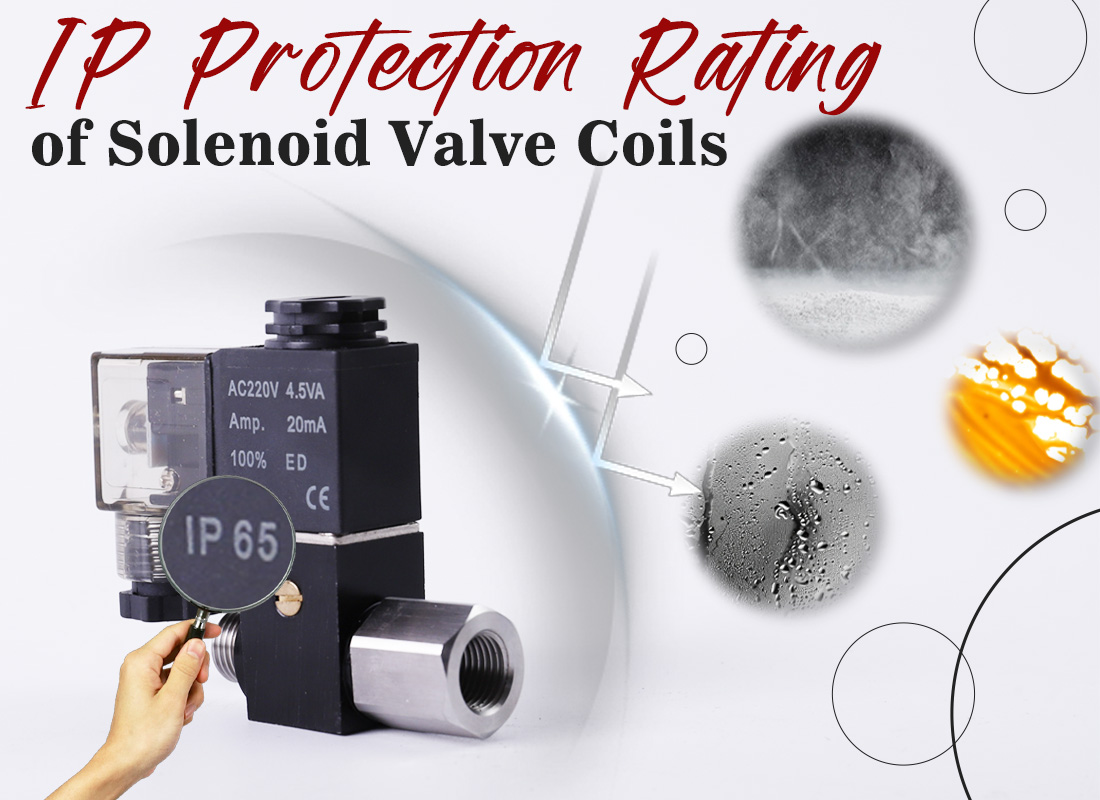
IP Protection Rating of Solenoid Valve Coils

Dec 12, 2025 Blog
What Is a Globe Control Valve?
Get a free sample

Fokca is a brand of Ningbo Fokca Automation Co., Ltd.
Looking for custom pneumatic cylinder solutions? Visit our sister brand, Fescolo.→
© 2026 Ningbo Fokca Automation Co., Ltd. All rights reserved. Sitemap