Mar 05, 2026
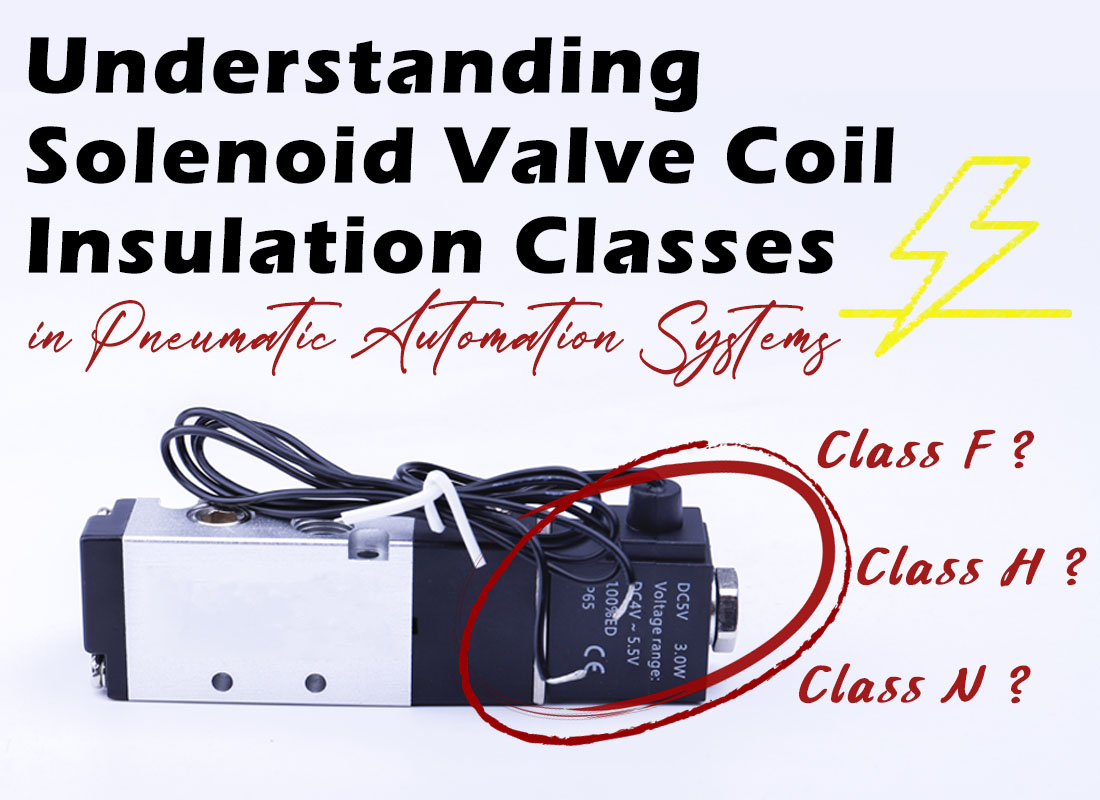
In pneumatic automation equipment, the reliability of a solenoid valve often depends on the durability of its electrical components, especially the coil. The coil converts electrical energy into magnetic force to drive the valve core, allowing fluid control in systems such as compressed air pipelines, water circuits, or steam lines.
However, coils operate in environments where heat accumulation, ambient temperature, and media temperature can gradually affect insulation performance. For this reason, solenoid valve coils are classified according to insulation temperature ratings. The most common standards used in industrial automation include Class F coil, Class H coil, and Class N coil, each designed to tolerate different maximum temperatures.
Understanding these coil classes helps engineers, distributors, and equipment manufacturers select the right valve configuration for reliable long-term operation.
Every solenoid valve coil is constructed with copper windings wrapped in insulation materials. When current flows through the winding, resistance generates heat. If the temperature exceeds the insulation limit, the coating around the wire can degrade, eventually leading to short circuits, coil burnout, or valve failure.
In many industrial environments—such as steam control systems, chemical processing pipelines, or oil and gas automation systems—the valve body may also transfer heat to the coil. As a result, the effective operating temperature includes:
◆ Ambient temperature
◆ Heat generated by electrical current
◆ Heat conducted from the valve body or process media
Selecting the proper solenoid valve coil class ensures that the insulation can tolerate these combined thermal loads while maintaining stable magnetic performance.
Among all insulation ratings, the Class F coil is the most widely used in industrial air operated solenoid valves and pneumatic automation equipment.
A Class F coil has a maximum insulation temperature rating of 155 °C. This means the copper winding inside the coil can safely operate as long as its internal temperature does not exceed this limit.
In typical pneumatic applications, a Class F coil is designed for:
◆ Ambient temperatures around 20 °C
◆ Media temperatures up to 100 °C
Because many compressed air systems operate near room temperature, this insulation class provides a balanced combination of cost efficiency and durability. It is commonly found in 2 way solenoid valve, 3 way solenoid valve, and pilot operated solenoid valve configurations used in manufacturing equipment.
When the working environment involves higher temperatures, engineers often choose the Class H coil. This insulation level has a maximum rated temperature of 180 °C, allowing the coil winding to tolerate significantly higher thermal loads.
Class H coils are commonly used in steam solenoid valves, thermal oil systems, and other processes where the valve body may become hot during operation.
In practical industrial installations, Class H coils typically support:
◆ Ambient temperatures up to 50 °C
◆ Media temperatures up to 180 °C
This makes them suitable for applications such as steam control valves, heating systems, and high temperature fluid automation where standard Class F coils might degrade prematurely.
For extremely demanding environments, manufacturers sometimes offer Class N coils, which are rated for 200 °C insulation temperature.
These coils are engineered for harsh operating conditions where both ambient temperature and process temperature are significantly elevated. Typical scenarios include:
◆ Superheated steam pipelines
◆ High temperature industrial furnaces
◆ Hot oil circulation systems
◆ Equipment rooms where ambient temperatures may reach 80 °C
Because the insulation materials must withstand extreme thermal stress, these coils are often paired with high temperature solenoid valves designed for severe industrial service.
The differences between these coil classes become clearer when comparing their operating limits.
| Coil Class | Maximum Insulation Temperature | Typical Ambient Temperature | Maximum Media Temperature | Typical Applications |
|---|---|---|---|---|
| Class F Coil | 155°C | 20°C | 100°C | General pneumatic systems, compressed air, water |
| Class H Coil | 180°C | 50°C | 180°C | Steam systems, thermal oil pipelines |
| Class N Coil | 200°C | 80°C | 200°C | Superheated steam, extreme industrial environments |
For most pneumatic automation systems, Class F remains the preferred choice due to its balance of cost, durability, and compatibility with standard solenoid valves.
However, when dealing with high temperature media or harsh industrial conditions, upgrading to Class H or Class N coils significantly improves reliability and service life.
Temperature is one of the most critical factors influencing solenoid valve coil lifespan. When a coil consistently operates close to its insulation limit, the insulation material gradually deteriorates. Over time this may cause reduced magnetic force or even complete coil failure.
For example, in a pilot operated solenoid valve used for steam control, the valve body may conduct heat directly to the coil housing. Without the proper insulation rating, the internal winding temperature can exceed the safe range even if the electrical load is normal.
Engineers therefore consider several parameters when selecting a coil:
◆ Ambient temperature around the valve
◆ Process fluid temperature
◆ Duty cycle of the valve
◆ Installation ventilation conditions
These factors together determine whether a standard solenoid valve coil is sufficient or if a high temperature coil is required.
For distributors, equipment designers, and end users, selecting the proper solenoid valve coil insulation class is an important step in system reliability.
In most pneumatic control systems, compressed air applications rarely require insulation above Class F. However, systems involving steam solenoid valves, hot water lines, or thermal oil circuits often demand higher temperature ratings.
Choosing a coil class that matches the thermal environment ensures that the solenoid valve, coil winding, and insulation materials maintain stable performance over long operating cycles. This simple design decision often prevents costly downtime and premature valve replacement in automated industrial equipment.
(FK9025)
You May Interest In


Dec 06, 2025 Blog
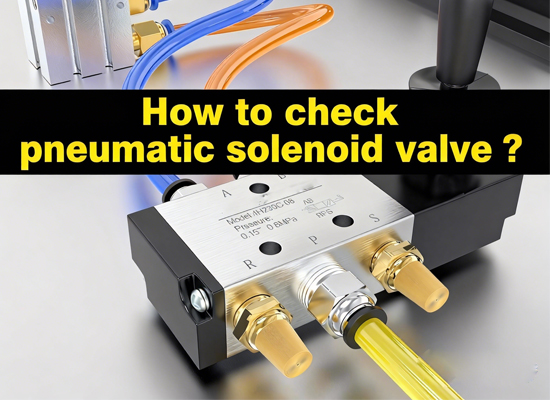
How to check pneumatic solenoid valve?
Dec 04, 2025 Blog
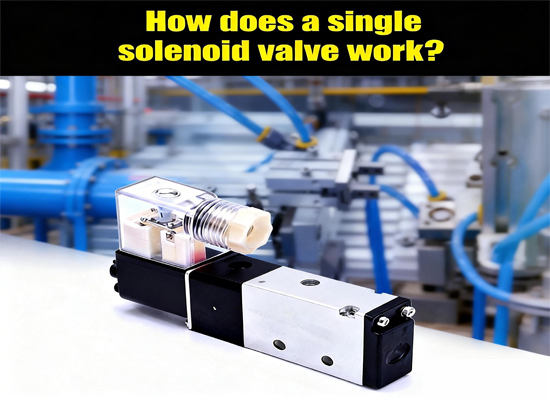
How does a single solenoid valve work?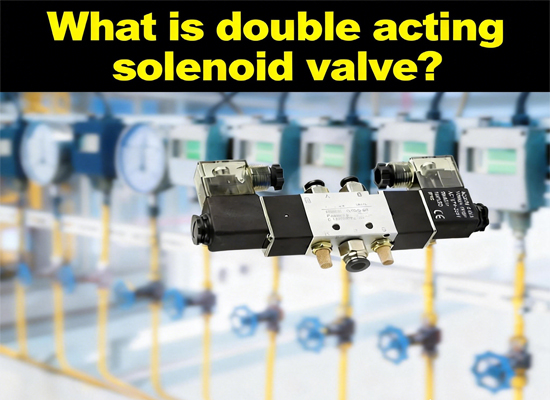
Dec 03, 2025 Blog
What is double acting solenoid valve?
Dec 02, 2025 Blog
How to clean a pneumatic solenoid valve?
Dec 01, 2025 Blog
How to Wire and Install a Pneumatic Solenoid Valve?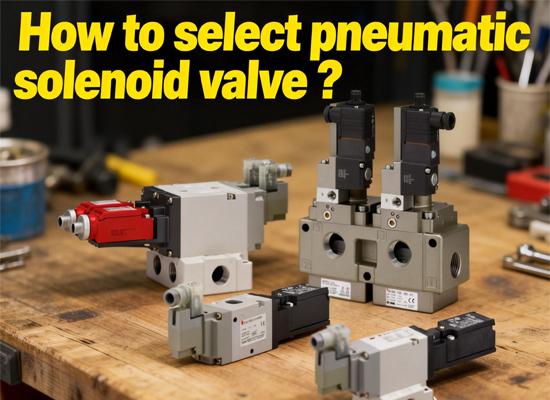
Nov 30, 2025 Blog
How to select pneumatic solenoid valve?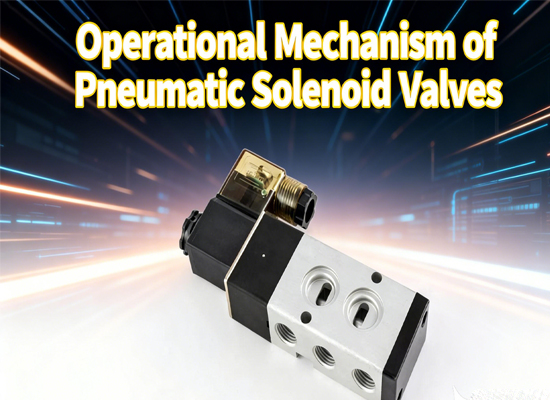
Nov 29, 2025 Blog
Operational Mechanism of Pneumatic Solenoid Valves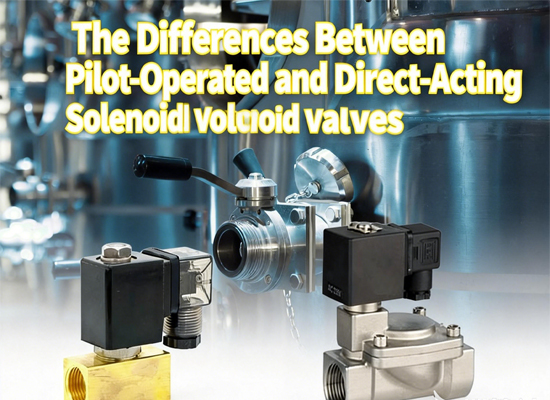
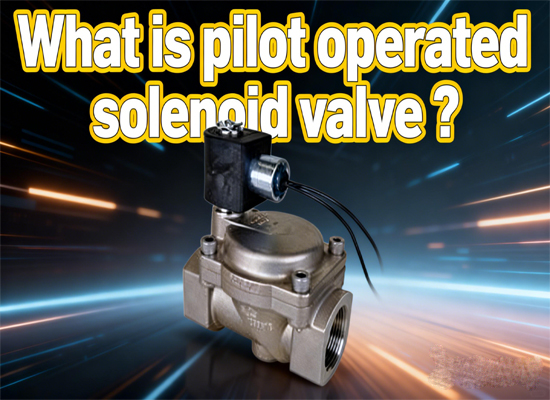
Nov 27, 2025 Blog
What is pilot operated solenoid valve?
Get a free sample

Fokca is a brand of Ningbo Fokca Automation Co., Ltd.
Looking for custom pneumatic cylinder solutions? Visit our sister brand, Fescolo.→
© 2026 Ningbo Fokca Automation Co., Ltd. All rights reserved. Sitemap