In pneumatic automation systems, tubing flexibility directly affects installation reliability and long-term performance. Flexible PU Tube is widely used because polyurethane material offers good elasticity, abrasion resistance, and compact routing capability. However, different hardness levels—such as 80A, 85A, and 95A PU Pneumatic Tube—have different bending characteristics. Understanding Polyurethane Tubing Bend Radius helps engineers avoid tube collapse, airflow restriction, and premature wear, especially in compact machine layouts.

Why Polyurethane Tubing Bend Radius Matters in Pneumatic Systems
In modern equipment design, pneumatic tubes often pass through tight spaces, moving parts, or cable chains. If the bend radius is too small for the selected tube hardness, the PU Hose may kink or flatten.
This problem reduces airflow and increases stress on fittings and valves. A properly matched Polyurethane Tubing Bend Radius ensures smooth airflow and longer tubing life. For packaging machines or robotic systems where tubes move continuously, selecting the correct flexibility grade becomes particularly important.
Differences Between 80A, 85A, and 95A PU Tube Flexibility
Polyurethane tubes are commonly classified by Shore hardness. Lower hardness means higher flexibility and smaller bending radius.
The table below illustrates typical characteristics used in industrial pneumatic systems.
| Hardness Grade | Flexibility | Typical Bend Radius | Common Applications |
|---|---|---|---|
| 80A PU Pneumatic Tube | Very flexible | Small bend radius | Compact automation equipment |
| 85A PU Pneumatic Tube | Balanced flexibility | Medium bend radius | General industrial machinery |
| 95A PU Pneumatic Tube | Higher rigidity | Larger bend radius | Long straight routing or high pressure lines |
In practice, Flexible PU Tube with 80A hardness performs better in tight installations, while 95A tubing provides greater structural stability for longer runs.
Typical Installation Scenarios and Recommended PU Hose Types
Different machine layouts require different tubing flexibility levels. Choosing the correct PU Pneumatic Tube helps prevent installation problems.
1.Robotic arms and moving mechanisms
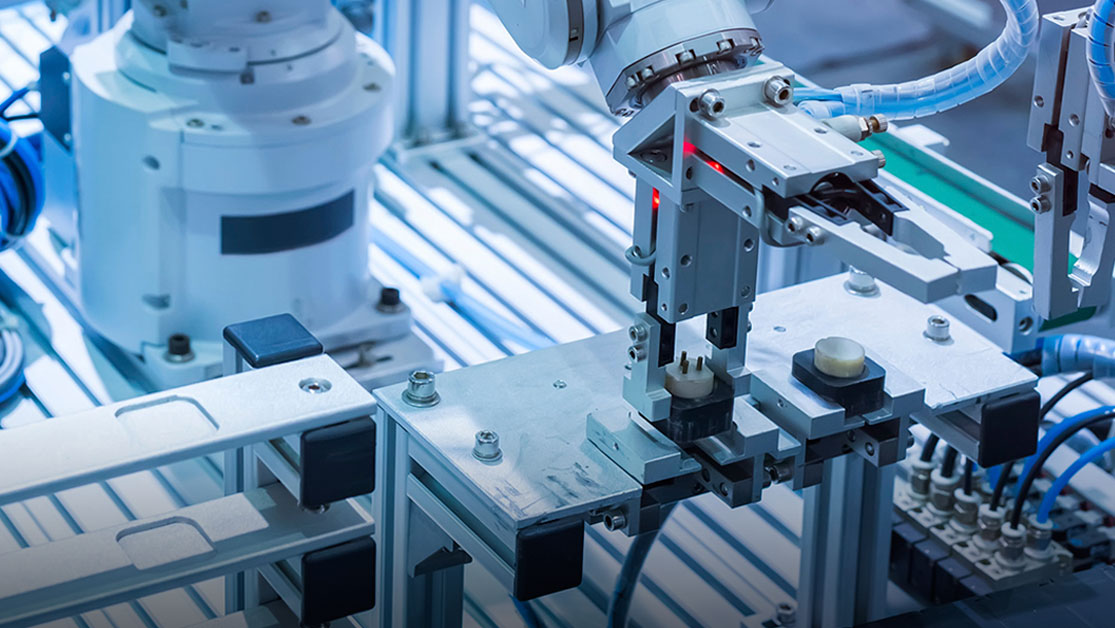
Tubing must follow repeated motion cycles. 80A tubes are often selected because they tolerate tighter bends.
2.Packaging equipment with moderate routing space
Many machines use 85A polyurethane tubing because it balances durability and flexibility.
3.Fixed pneumatic pipelines inside equipment frames
95A PU Hose provides stronger rigidity and better resistance to mechanical stress.
These application examples show how Polyurethane Tubing Bend Radius directly influences tubing reliability in real industrial environments.
Practical Selection Tips for Engineers and Buyers
When selecting pneumatic tubing, engineers typically evaluate several technical factors beyond diameter and pressure rating.
1.Minimum bend radius requirement of the equipment
2.Tube hardness (80A / 85A / 95A)
3.Working pressure and temperature
4.Compatibility with pneumatic fittings
5.Movement frequency of the machine
For compact automation equipment, engineers usually prioritize Flexible PU Tube with smaller bend radius capability to simplify routing. On the other hand, rigid lines benefit from higher hardness grades that maintain shape under pressure.
Integration with Pneumatic Fittings and System Reliability
Tubing performance also depends on connection components. PU Pneumatic Tube is commonly paired with push-in pneumatic fittings to enable quick installation and leak-free operation.
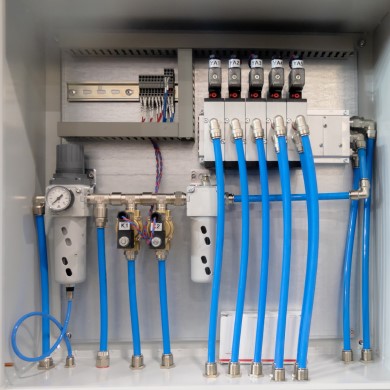
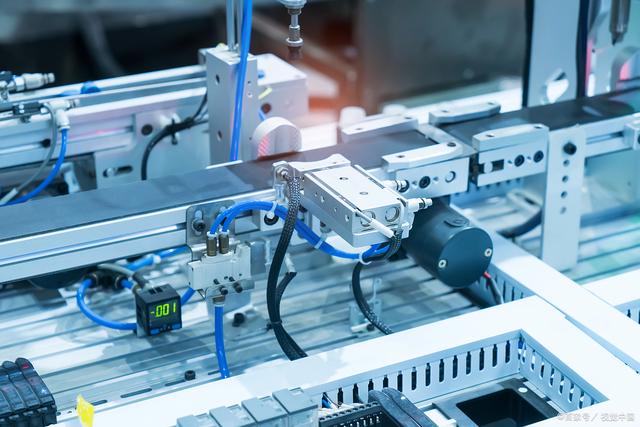
In automated production lines, consistent tubing quality helps maintain stable airflow between valves, cylinders, and actuators. Engineers often combine polyurethane tubing with pneumatic push-in fittings and air control components to ensure reliable connections throughout the system.
Selecting the correct hardness and bend radius for Flexible PU Tube not only simplifies installation but also improves the durability of pneumatic circuits in demanding industrial environments.
(FK9026)