Dec 31, 2025
Hydraulic systems rely heavily on various fittings to connect different components, ensuring smooth fluid flow and leak-free operation. A clear understanding of the working pressure of hydraulic fittings is essential to maintaining system safety, stability, and overall efficiency.
This comprehensive guide takes an in-depth look at the key factors that influence the pressure ratings of hydraulic fittings, explores different types of fittings and their pressure-handling capabilities, and provides practical recommendations for selecting the right fittings for specific applications. In addition, it highlights the importance of regular inspection and maintenance to prevent potential failures, extend system service life, and ensure optimal performance.
Whether you are an experienced hydraulic professional or an enthusiast with a keen interest in hydraulic technology, this guide will equip you with the knowledge needed to confidently select and use hydraulic fittings that can reliably withstand your system's operating pressures.
The working pressure of a hydraulic fitting refers to the maximum pressure that the fitting can withstand without failure.It is an important technical parameter for measuring the pressure-bearing capacity and safety performance of a hydraulic joint, and is directly related to the reliability and operational safety of the hydraulic system.
| Fitting Type | W.P (MPa) | W.P (PSI) | B.P (PSI) |
|---|---|---|---|
| Other Hydraulic Quick Coupler | 21–35 | 3000–5000 | 12000–20000 |
| FK-K2 Japanese Type Open | 21–31 | 3000–4500 | 12000–18000 |
| FK-K1 American Type Open | 21–35 | 3000–5000 | 12000–20000 |
| FK-L2 Thread Locking | 42–70 | 6000–10000 | 24000–40000 |
| FK-VVS Thread Locked Type | 42 | 6000 | 24000 |
| KZE-B Thread Locking | 42–70 | 6000–10000 | 24000–40000 |
| FK-FF Flat Face | 35–42 | 5000–6000 | 20000–24000 |
| FK-CT Push and Pull Type | 21–35 | 3000–5000 | 12000–20000 |
| FK-C1 Ball Valves Type | 35 | 5000 | 20000 |
| KZF 304 Stainless Steel | 21–35 | 3000–5000 | 12000–20000 |
| KZD Medium-Pressure | 14–21 | 2000–3000 | 8000–12000 |
| ISO 7241 B Quick Coupling | 35 | 5000 | 20000 |
| ISO 7241 A Quick Coupling | 21–35 | 3000–5000 | 12000–20000 |
These are the pressure ratings of the commonly used hydraulic fittings. A system with an operating pressure of ≥31.5 MPa (approximately 315 bar) is considered a high-pressure hydraulic fitting;A working pressure of ≤10 MPa (approximately 100 bar) is referred to as a high-pressure hydraulic fitting.In addition, hydraulic couplings from different brands have different characteristics. Below are some common brands.
SMC is known for its high stability and extensive product range, making it a global leader in automation and ideal for applications requiring high reliability and versatile systems.
Festo stands out for its precision, high-end automation capabilities, and smart connectivity, making it well-suited for advanced industrial automation and integrated precision systems.
AirTAC offers a cost-effective solution with a strong price-performance ratio, targeting budget-conscious markets and standard pneumatic or fitting applications.
Parker provides comprehensive hydraulic and pneumatic solutions with engineering-grade performance, making it the preferred choice for heavy-duty applications, hydraulic systems, and complex engineering projects.
◆ Damage to the Hydraulic Fitting Body
◆ Hydraulic System Leakage
◆ Degraded System Performance
◆ Safety Risks
◆ Shortened Service Life
Overpressure on hydraulic fittings not only damages the fitting itself but also causes hydraulic system leaks, performance degradation, equipment damage, and personal injury.
(1)Materials Used
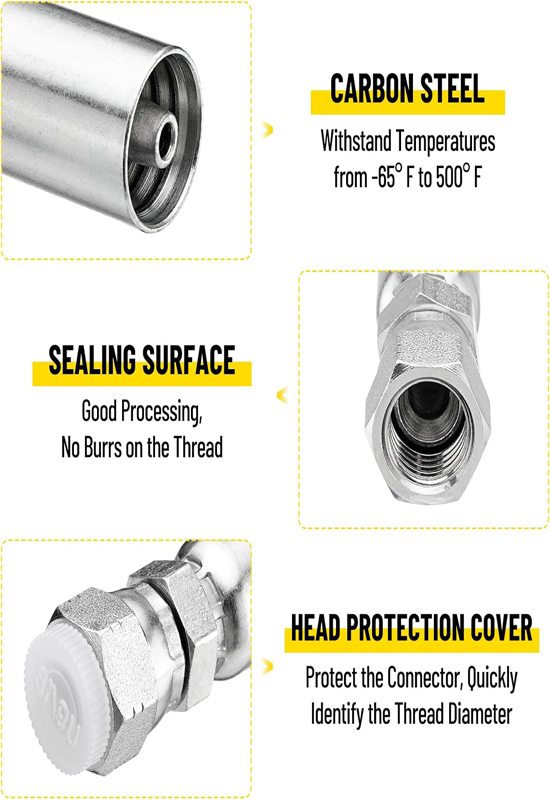
The type of material used for the fitting has the greatest impact on its pressure rating tolerance range.Carbon steel and alloy steel have the highest pressure resistance; brass is suitable for general low to medium pressure applications; and stainless steel provides corrosion resistance.
(2)Structure and Connection Method
Threaded locking fittings generally have higher pressure resistance; flat sealing fittings have strong leakage resistance; push-pull and open fittings have relatively lower pressure ratings.
(3)Sealing Form
The design of O-rings, metal seals, or composite seals directly affects the sealing performance of the fitting under high pressure.
(4)Fit Size and Nominal Diameter
Under the same structural conditions, a larger nominal diameter generally results in a lower maximum permissible working pressure.
(5)Manufacturing Process and Standards
Whether it conforms to international standards such as ISO, SAE, and DIN, as well as the machining precision and heat treatment process, will affect the final pressure rating.
(6)Operating Environment Factors
Temperature changes, pressure pulsations, vibration, and corrosive media will all affect the actual pressure-bearing capacity of the fitting.
◆ Maximum System Working Pressure
The rated working pressure of the fitting should not be lower than the maximum working pressure of the system, and it is recommended to allow a 20%–30% safety margin.
◆ Pressure Fluctuations and Shocks
If the system experiences frequent pressure pulses or shocks, a higher pressure rating or a high-strength structure fitting should be selected.
◆ Media and Operating Temperature
Select appropriate materials and sealing structures based on the type of hydraulic oil and the operating temperature range.
◆ Connection Method and Usage Frequency
For systems with frequent disassembly and assembly, quick-connect fittings are preferred.
◆ Relevant Standards and Certification Requirements
Ensure that the selected fitting meets the technical standards and safety specifications required by the project or industry.
We are a professional manufacturer of various hydraulic fittings, offering a wide range of models and connection types to meet the needs of different industrial sectors. Our products are widely used in machinery manufacturing, construction equipment, automotive, and energy industries.
Our company employs advanced manufacturing processes, including high-precision CNC machining, strict heat treatment, precise threading, and surface anti-corrosion treatment, ensuring that every fitting meets high-quality standards. At the same time, we have a comprehensive quality inspection system, strictly controlling every step from raw material intake to finished product delivery, guaranteeing product reliability and durability.
Our advantages include:
Diverse Product Range: Various specifications and connection types are available to meet customer customization needs
High Precision and Durability: Advanced processing equipment and strict quality control standards
Fast Delivery: Mature production processes ensure on-time delivery
Professional Service: Technical support and after-sales service provide customers with a one-stop solution
(FK9016)
 Pilot Pressure vs Working Pressure in Industrial Valves: Key Differences and Selection Guide
 Water Hammer Explained: Why Angle Seat Valves Are the Optimal Solution
 Valve Flow Rate Comparison: An Analysis of Four Common Valve Types
 The Temperature Limit of Valves: How Seal Material Affects Valve Body Performance
 Valve Flow Coefficients CV & KV: Differences Analysis and Selection Guide
You May Interest In
Nov 26, 2025 Blog
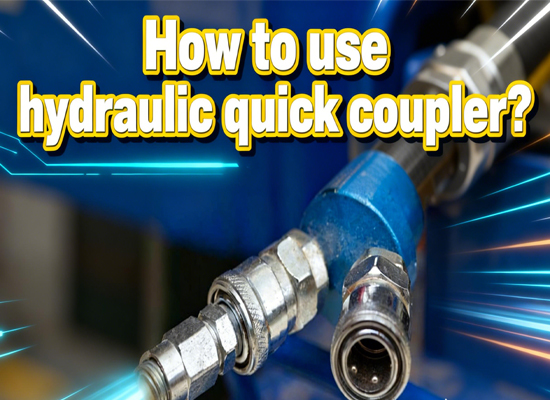
How to use hydraulic quick coupler?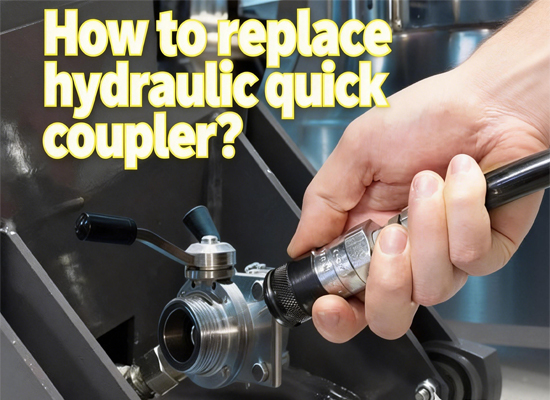
Nov 25, 2025 Blog
How to replace hydraulic quick coupler?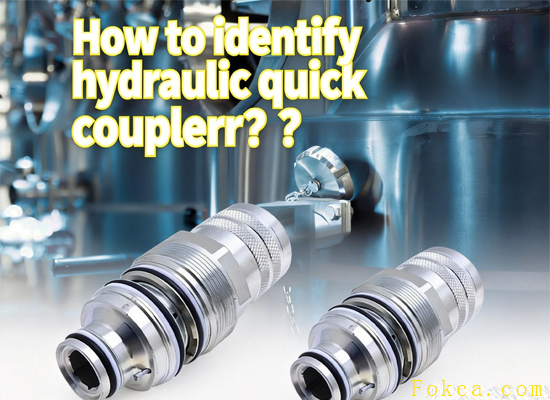
Nov 23, 2025 Blog
How to identify hydraulic quick coupler?
Get a free sample

Fokca is a brand of Ningbo Fokca Automation Co., Ltd.
Looking for custom pneumatic cylinder solutions? Visit our sister brand, Fescolo.→
© 2026 Ningbo Fokca Automation Co., Ltd. All rights reserved. Sitemap