Mar 03, 2026
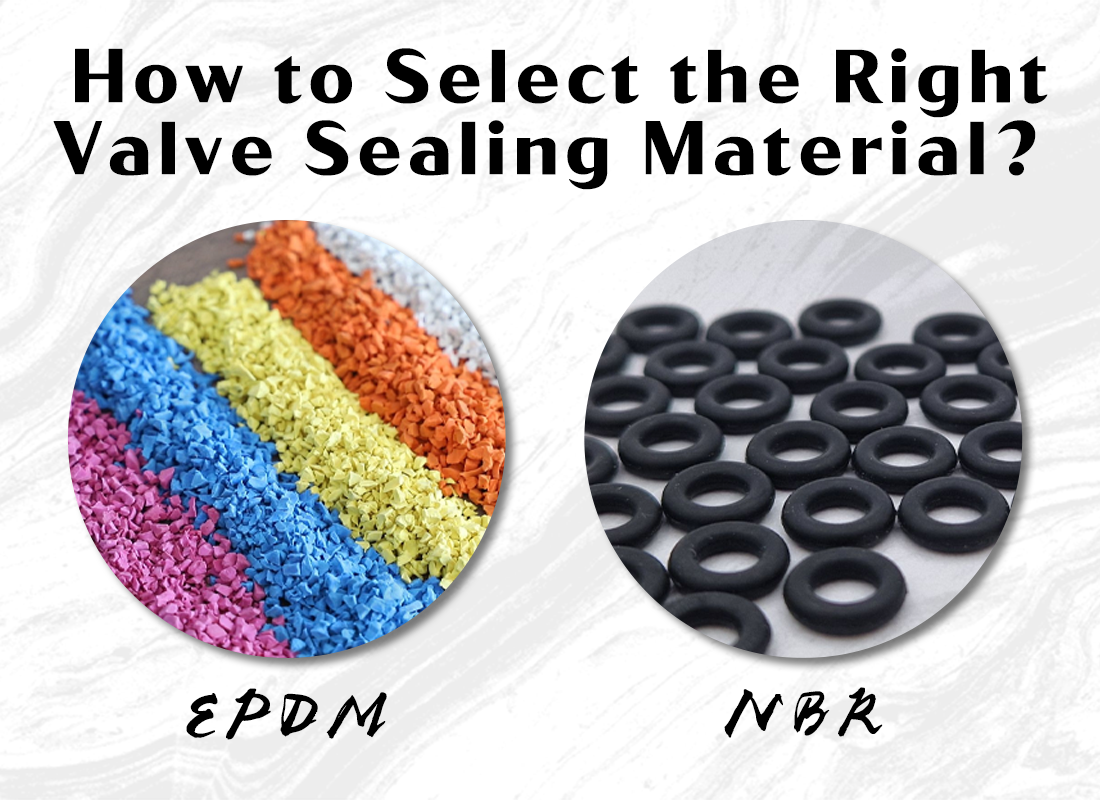
In industrial systems, valve sealing performance directly determines reliability, maintenance frequency, and operating cost. Choosing the correct valve sealing material is especially important in pneumatic valves, ball valves, and actuators.
EPDM (Ethylene Propylene Diene Monomer) and NBR (Nitrile Butadiene Rubber) are widely used as valve sealing ring material, particularly in O-ring sealing valve designs. Many angle seat valves and pneumatic actuators use NBR as the default seal because of its oil resistance and cost-effectiveness.
Understanding the difference between these materials helps reduce valve leakage, control valve leakage rate, and avoid premature valve seal failure.
The core difference between EPDM and NBR lies in media compatibility and temperature resistance.
| Property | EPDM | NBR |
|---|---|---|
| Water Resistance | Excellent | Moderate |
| Steam Resistance | Excellent | Poor |
| Oil Resistance | Poor (Swelling Risk) | Excellent |
| Weather Resistance | Excellent | Poor |
| Abrasion Resistance | Moderate | Good |
| Temperature Range | -40°C to 150°C | -20°C to 100°C |
| Typical Applications | Steam valve sealing, chemical process | Valve sealing for oil and gas, pneumatic systems |
EPDM performs well in steam valve sealing and high temperature valve sealing environments. It maintains elasticity under hot water and steam exposure, making it suitable for industrial valve sealing in heating systems and certain chemical applications.
In contrast, NBR is preferred for valve sealing for oil and gas because it resists petroleum-based fluids and lubricants. It is commonly used in pneumatic valve sealing, pneumatic ball valve seal, and air systems where oil mist is present.
Seal material choice directly affects compliance with API 598 leakage test, ISO valve sealing standard, and ANSI valve leakage standard requirements. If the wrong material is selected, pneumatic valve leakage problem may occur even when the mechanical structure is correct.
For example:
◆ Using NBR in high-temperature steam systems can cause cracking and increased valve leakage rate.
◆ Using EPDM in oil-based systems may lead to swelling, increased friction, and rising pneumatic actuator torque requirement.
In severe cases, improper material selection can result in loss of bubble tight valve performance or failure to achieve Class VI leakage standards.
In systems requiring pneumatic control valve sealing, engineers must evaluate:
① Medium type (oil, water, steam, solvent)
② Temperature range
③ Operating pressure
④ Required leakage class
⑤ Maintenance interval expectations
For water treatment plants and steam distribution lines, EPDM is typically preferred. For compressors, lubricated air systems, and oil pipelines, NBR remains the safer choice.
In some advanced systems, alternative materials such as PTFE valve seat, graphite packing, or abrasion resistant valve seat may be selected when rubber materials cannot meet temperature or chemical demands. However, for most standard pneumatic systems, EPDM and NBR remain the most cost-effective valve sealing types.
Incorrect material selection is one of the most common valve seal failure causes in industrial systems. When EPDM is exposed to oil, swelling increases friction and accelerates valve seat wear. When NBR operates in high-temperature steam, hardening and cracking may lead to higher valve leakage rate and loss of sealing integrity. These issues not only affect pneumatic valve sealing performance, but can also increase pneumatic actuator torque requirement, resulting in unstable automation control.
For engineering and procurement teams, selecting the right valve sealing material based on medium type and temperature range is often more critical than upgrading to a metal seat valve or specialty design. EPDM is reliable for steam and water environments, while NBR remains ideal for oil-based systems. Proper material matching reduces downtime, improves long-term stability, and ensures consistent compliance with industrial leakage standards.
(FK9025)
You May Interest In
Dec 12, 2025 Blog
What Is a Globe Control Valve?
Dec 11, 2025 Blog
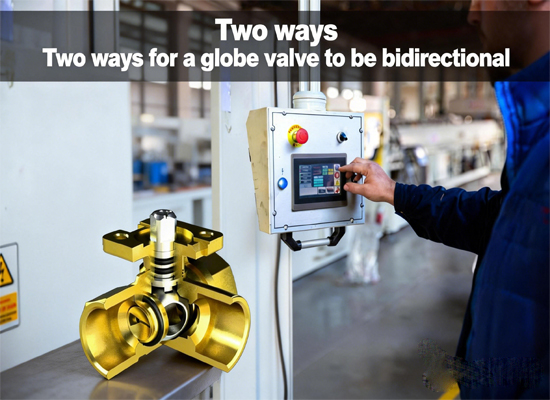
Two ways for a globe valve to be bidirectional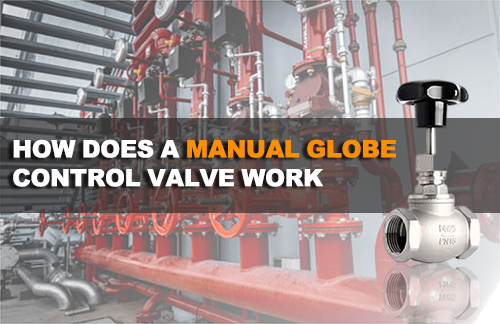
Dec 10, 2025 Blog
How Does a Manual Globe Control Valve Work?
Dec 09, 2025 Blog
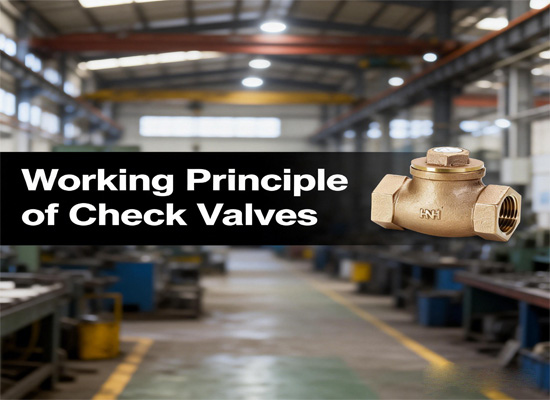
Working Principle of Check Valves
Dec 08, 2025 Blog
Can a Globe Valve Be Used to Control Steam Pressure
Dec 08, 2025 Blog
How Does a Globe Valve Work
Get a free sample

Fokca is a brand of Ningbo Fokca Automation Co., Ltd.
Looking for custom pneumatic cylinder solutions? Visit our sister brand, Fescolo.→
© 2026 Ningbo Fokca Automation Co., Ltd. All rights reserved. Sitemap