Dec 08, 2025
Many engineers dealing with steam lines look for a valve capable of precise throttling, predictable behavior, and long-term reliability under high temperature. The globe valve remains one of the most trusted solutions for steam pressure control because its internal geometry allows accurate modulation rather than simple on/off flow. When combined with a pneumatic globe valve actuator, it offers stable, repeatable adjustment essential for boilers, heat exchangers, and industrial process steam systems.
In steam pipelines, valves must maintain structural stability under high temperatures while ensuring reliable sealing during frequent actuation and fine adjustments. The linear-travel mechanism of a globe valveallows precise positioning of the plug, resulting in a more predictable and stable change in steam flow.
Its key technical advantages include:
High control accuracy:
The relationship between plug position and flow rate is nearly linear, making the globe valve highly suitable for precise steam pressure regulation.
Excellent high-temperature durability:
Industrial globe valves can withstand 180°C to 400°C steam service, depending on the body material, and their high-temperature packing designs ensure long-term sealing integrity.
Strong resistance to cavitation:
Steam throttling often generates energy collapse and local cavitation; the internal flow path of a globe valve is inherently better suited to absorb these energy changes without damaging the trim.
Because of these characteristics, engineers prefer globe valve as the primary control element in boiler lines, heating systems, and steam-based process equipment.
Choosing the proper globe valve for steam involves understanding the relationship between temperature, pressure, materials, and actuation method. A well-matched valve reduces maintenance costs and prevents shutdowns in process lines.
1.The first element is body material.Carbon steel and stainless steel are common choices because they retain mechanical strength above 180–200°C. Cast iron versions may be acceptable on low-pressure heating steam, but they are rarely recommended for industrial systems with fluctuating loads.
2. A contoured plug with hardened surfaces ensures long service life in high-velocity steam, especially around the seat where erosion occurs. Engineers often specify equal-percentage or linear trim depending on the control loop’s sensitivity.
3. pairing the valve with a pneumatic air cylinder actuator determines how precisely the valve responds to control signals. A pneumatic actuator provides fast movement with high thrust, essential when the valve must reposition frequently under varying steam demand.
A pneumatic globe valve manages steam by adjusting the opening between the plug and seat. This small but precisely controlled gap regulates how much steam energy enters the downstream process. Because steam expands rapidly, tiny positional changes can create significant variations in heat output. Globe valves excel at controlling these micro-adjustments.
Flow characteristics depend on the plug shape, stem travel, and the inherent pressure drop of the valve. The pressure drop is not a disadvantage; instead, it stabilizes flow across a wide range of operating conditions. A well-sized valve avoids oscillation and maintains the correct Cv or Kv relationship required for thermal control systems.
During field tests on steam preheaters, engineers often report that globe valve maintain more stable outlet pressure than butterfly or ball valves, especially when using a positioner and pneumatic actuator. This reliability translates into consistent product quality in food processing, textile finishing, and chemical heating lines.
A simplified selection reference is shown below:
Steam Pressure | Recommended Body | Common Trim | Typical Actuator |
≤ 1.0 MPa | Cast iron / Carbon steel | Linear plug | Pneumatic diaphragm |
1.0–1.6 MPa | Carbon steel | Hardened plug | Pneumatic cylinder |
≥ 1.6 MPa | Stainless steel | Equal-percentage | High-thrust pneumatic cylinder |
Across industrial facilities, technicians rely on globe valves wherever steam needs to be moderated rather than simply turned on or off. These valves play a fundamental role in boilers, heat exchangers, coil heaters, steam injection systems, and distribution headers.
In food factories, the valve ensures that cooking kettles and jacketed vessels receive steady steam pressure to maintain consistent product temperature. In textile plants, globe valve adjust steam feeding for drying tunnels and ironing systems where uniform heat is essential. Chemical plants use steam for stripping, distillation, and trace heating, where pressure fluctuations can cause product inconsistencies.
Furthermore, building heating systems benefit from steam globe valves because they compensate for load variation during peak demand. Studies referenced by HVAC engineering associations indicate that globe valve provide better room-to-room balancing due to their predictable control range.
Although steam control is one of their signature functions, globe valves are also popular in pneumatic and compressed air systems. Their precise throttling behavior allows technicians to regulate airflow feeding cylinders, actuators, and instrument air networks.
In automated assembly machines, a pneumatic globe valve provides stable pressure for synchronized motion, preventing overshoot in high-speed cylinders. Packaging lines rely on them to balance compressed air feeding cutters, blow-off nozzles, and vacuum ejectors.
Because globe valve generate consistent pressure drop, they help maintain equal airflow across multiple branches of the same system.Maintenance teams also use globe valves for soft-start control during startup, reducing stress on equipment by gradually increasing air supply.
Paired with Festo/SMC/Airtac-compatible cylinders, the valve becomes part of a smooth, vibration-free pneumatic network.
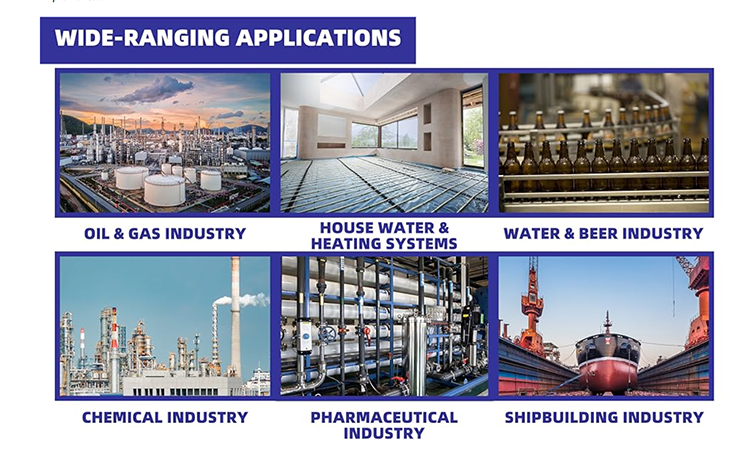
Professionals in distribution, equipment engineering, and procurement often select FOKCA as a long-term partner because our manufacturing approach emphasizes precision, durability, and system compatibility.
For steam service globe valves, FOKCA provides carefully selected body materials, standardized trim options, and thorough leak-pressure testing aligned with global valve guidelines such as ASME and ISO performance principles.
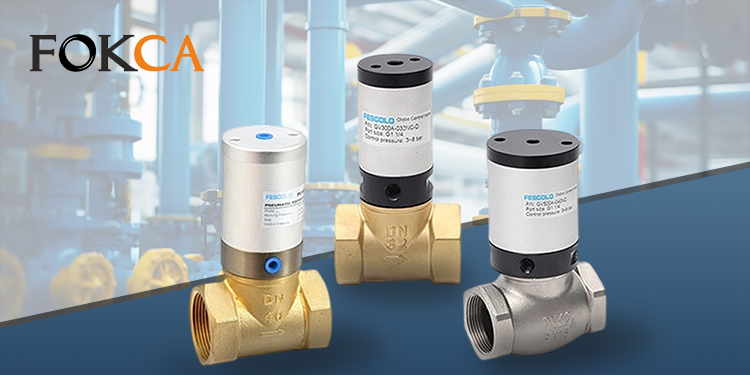
The integration of pneumatic air cylinder actuators is one of FOKCA’s strongest capabilities. Our actuators deliver high thrust for steam valve control and fast, reliable movement for compressed-air systems. For OEM builders, this means a fully compatible valve-actuator assembly that simplifies installation and reduces tuning time.
Application | Valve Type | Recommended Actuator | Notes |
Boiler pressure trimming | Steam globe valve | Pneumatic cylinder | High temperature stability required |
Heat exchanger control | Globe valve | Air cylinder + positioner | Ensures tight temperature tolerance |
Steam distribution header | Globe valve | Diaphragm actuator | Common in building heating |
Pneumatic airflow control | Pneumatic globe valve | Cylinder actuator | Smooth throttling for automation |
High-precision dosing | Equal-percentage trim | High-thrust cylinder | Stable control on PID loops |
This chart gives procurement staff and integrators a starting point for selecting the appropriate configuration for different industrial tasks.
A globe valve can absolutely be used to control steam pressure, and in most engineered systems it remains the preferred option due to its stable regulation, robust structure, and predictable throttling curve. When paired with a pneumatic globe valve actuator, the assembly becomes a reliable tool for critical heating, processing, and airflow applications.
For companies seeking dependable performance, FOKCA provides steam-rated globe valves, pneumatic cylinders, and valve packages built for industrial automation environments. With strong OEM support, strict quality control, and broad compatibility, FOKCA helps distributors, engineers, and factories maintain safe and efficient operations across steam and pneumatic networks.
Other manufacturing-related websites:
(FK9026)
 Pilot Pressure vs Working Pressure in Industrial Valves: Key Differences and Selection Guide
 Water Hammer Explained: Why Angle Seat Valves Are the Optimal Solution
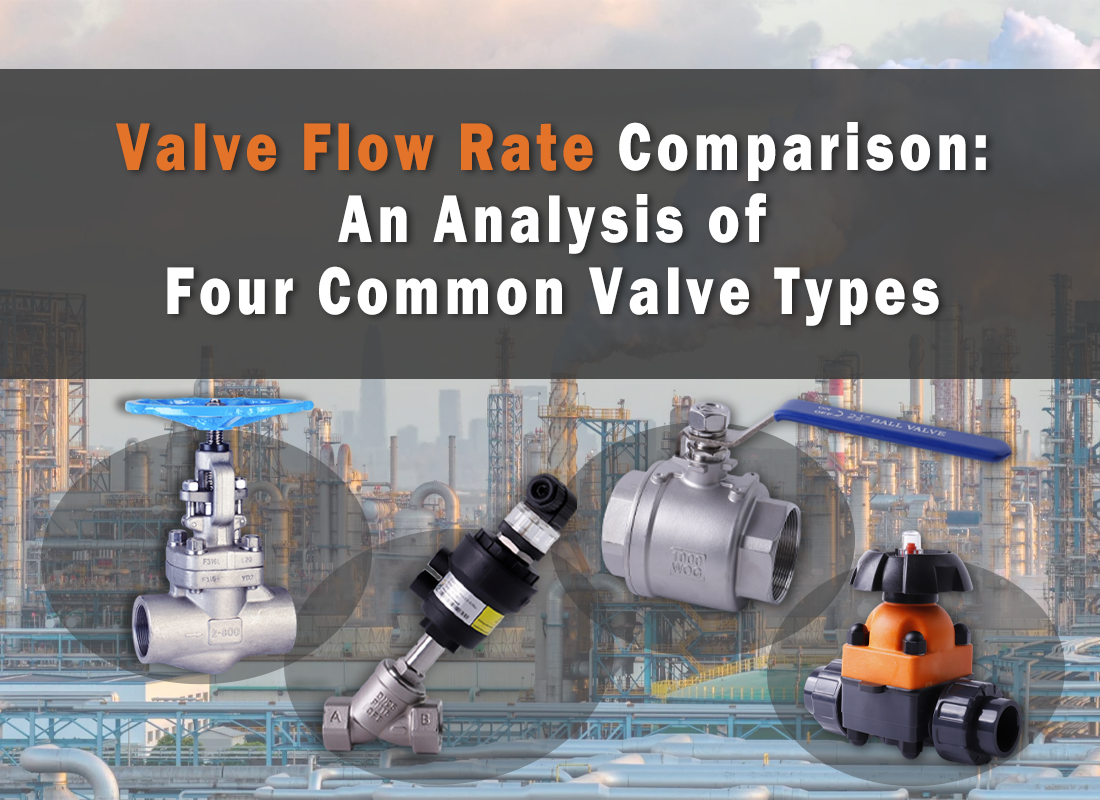 Valve Flow Rate Comparison: An Analysis of Four Common Valve Types
 The Temperature Limit of Valves: How Seal Material Affects Valve Body Performance
 Valve Flow Coefficients CV & KV: Differences Analysis and Selection Guide
You May Interest In
Dec 08, 2025 Blog
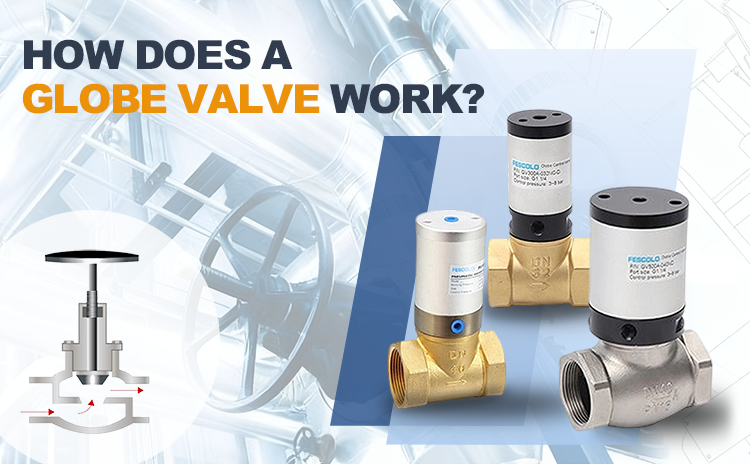
How Does a Globe Valve Work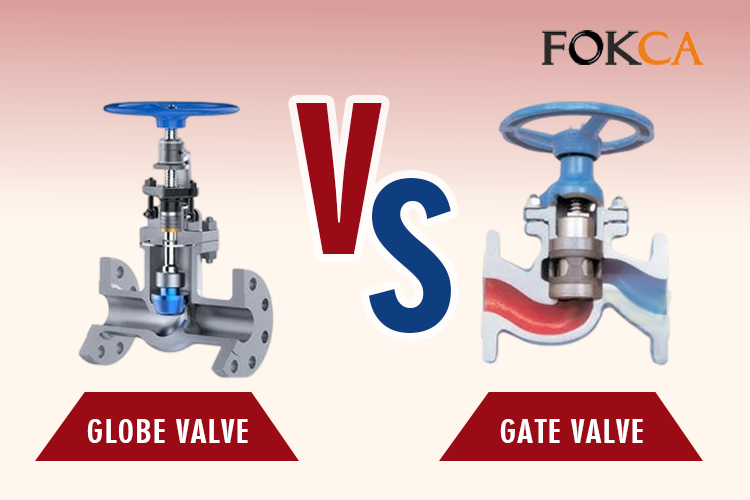
Dec 04, 2025 Blog
How to Identify Gate Valve and Globe Valve
Nov 28, 2025 Blog
Fokca Automaion
Dec 02, 2025 Blog
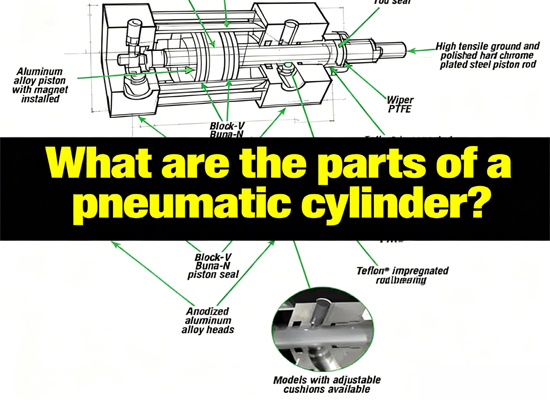
What are the parts of a pneumatic cylinder?
Dec 06, 2025 Blog
How to check pneumatic solenoid valve?
Get a free sample

Fokca is a brand of Ningbo Fokca Automation Co., Ltd.
Looking for custom pneumatic cylinder solutions? Visit our sister brand, Fescolo.→
© 2026 Ningbo Fokca Automation Co., Ltd. All rights reserved. Sitemap