Mar 13, 2026
Compressed air connections must remain stable even when systems operate under demanding conditions. In some industrial environments, connectors face higher working pressure, frequent connection cycles, and sudden airflow surges. This is why certain pneumatic quick coupling designs are specifically engineered to handle greater pressure loads. By optimizing structural strength and material selection, manufacturers can produce high pressure quick coupling solutions that offer better durability and safer operation.
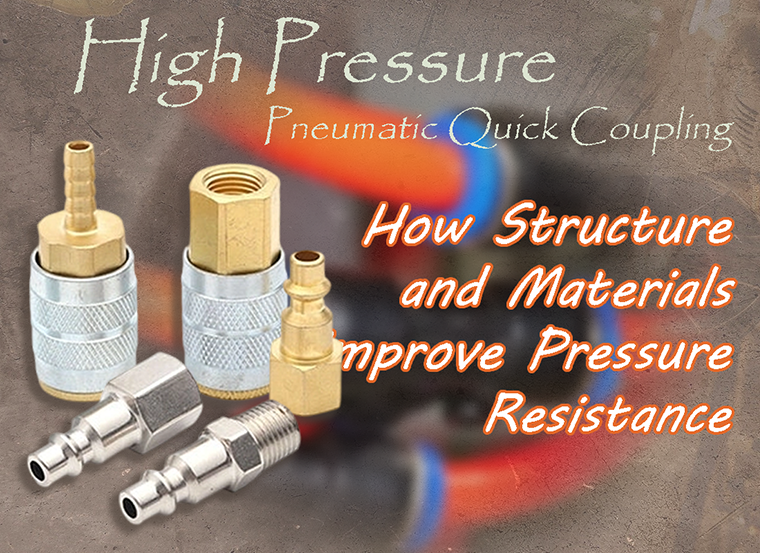
Not all connectors are designed for the same pressure level. A standard pneumatic coupler may work well in light pneumatic circuits, but high-pressure systems require stronger construction and improved sealing.
The pressure capability of an air quick connect fitting usually depends on several engineering factors, including internal structure, wall thickness, and material strength. High pressure quick coupling designs are built to prevent deformation and leakage under heavy air loads, which is especially important in industrial automation and air tool systems.
One of the most important differences between standard connectors and high pressure quick coupling models is the internal structure.
Several structural improvements are commonly used:
1.Thicker coupling body walls to increase mechanical strength
2.Reinforced locking ball mechanisms for secure hose retention
3.Stronger internal springs to maintain reliable connection force
4.Improved sleeve structure to prevent accidental disconnection
These structural upgrades allow the pneumatic quick coupling to withstand higher internal pressure without compromising connection stability.
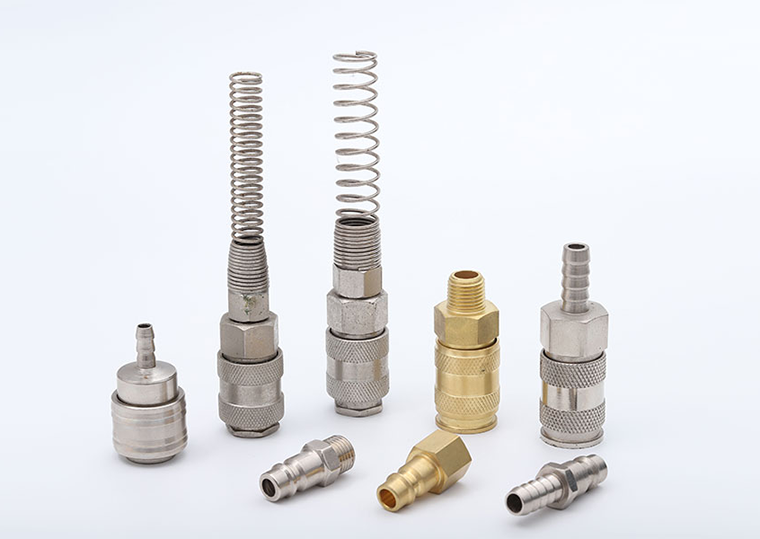
Material quality plays a critical role in pressure resistance. Many industrial air quick connect fitting products use stronger metals compared with standard connectors.
Common materials include:
◆Hardened carbon steel
◆Brass alloys for corrosion resistance
◆Stainless steel for harsh environments
For example, hardened steel pneumatic couplers offer excellent wear resistance and structural strength, making them suitable for high-pressure industrial air systems. Surface treatments such as nickel plating can also improve corrosion protection and durability.
Sealing performance becomes more critical as system pressure increases. In high-pressure air systems, a weak seal may lead to air leakage or unstable operation.
To address this issue, manufacturers often use:
◆High-performance O-ring materials
◆Dual sealing structures
◆Precision-machined sealing surfaces
These improvements allow a high pressure quick coupling to maintain stable sealing even under repeated connection cycles and fluctuating pressure conditions.
Understanding the difference between standard connectors and reinforced models helps engineers select the right component for their systems.
| Feature | Standard Pneumatic Coupler | High Pressure Quick Coupling |
|---|---|---|
| Body Structure | Standard wall thickness | Reinforced thick-wall design |
| Locking Mechanism | Basic locking balls | Reinforced locking structure |
| Material Strength | Brass or light steel | Hardened steel or stainless steel |
| Typical Applications | General pneumatic tools | High pressure air systems |
In many industrial workshops, standard pneumatic quick coupling units are used for air blow guns or light pneumatic tools. In contrast, heavy-duty air systems benefit from high pressure quick coupling designs that offer improved durability and safety.
When engineers select a pneumatic coupler, pressure rating is only one of several factors to evaluate. Airflow capacity, connection frequency, and environmental conditions also influence the final choice.
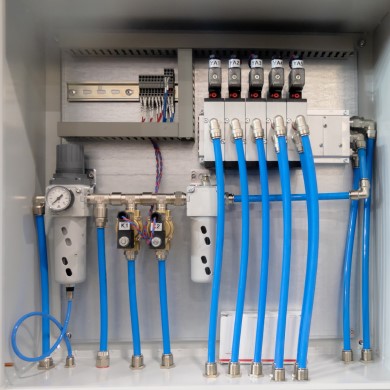
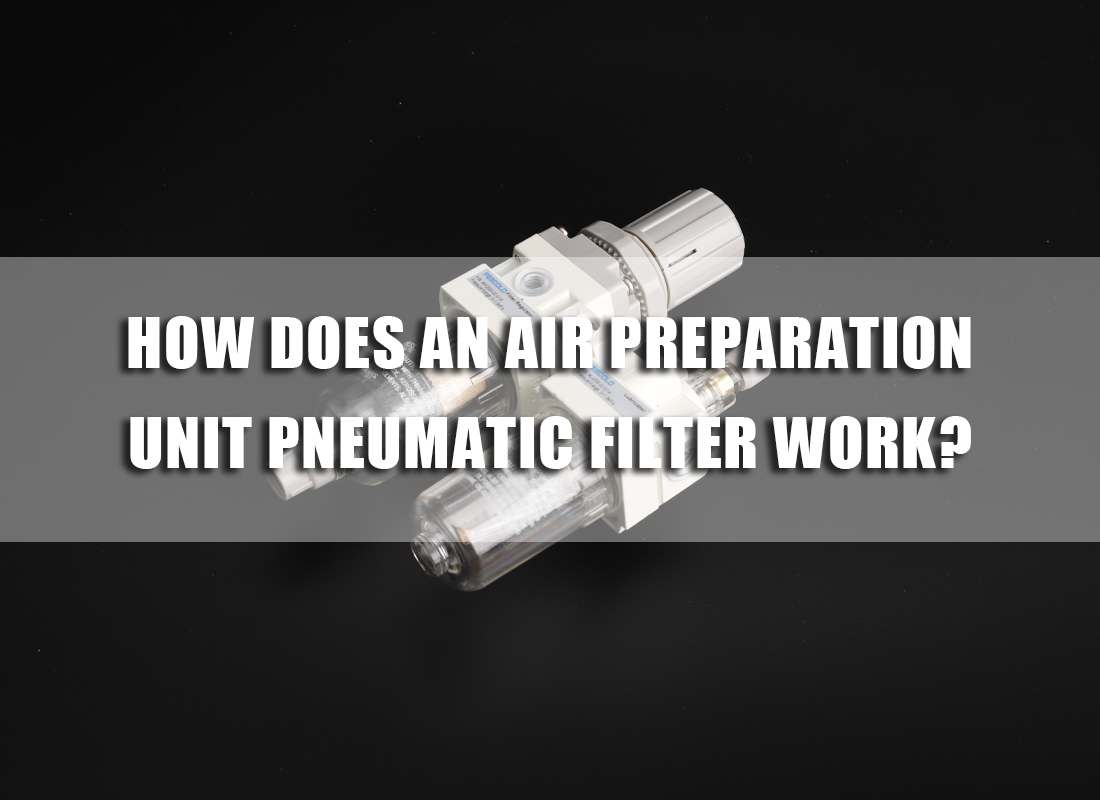
Many industrial pneumatic systems combine air quick connect fittings with other components such as pneumatic cylinders, pneumatic hoses, or air preparation units to maintain stable airflow and pressure. In applications where both high airflow and strong pressure resistance are required, choosing a properly designed high pressure quick coupling helps ensure long-term reliability and safe system operation.
(FK9026)
 Pilot Pressure vs Working Pressure in Industrial Valves: Key Differences and Selection Guide
 Water Hammer Explained: Why Angle Seat Valves Are the Optimal Solution
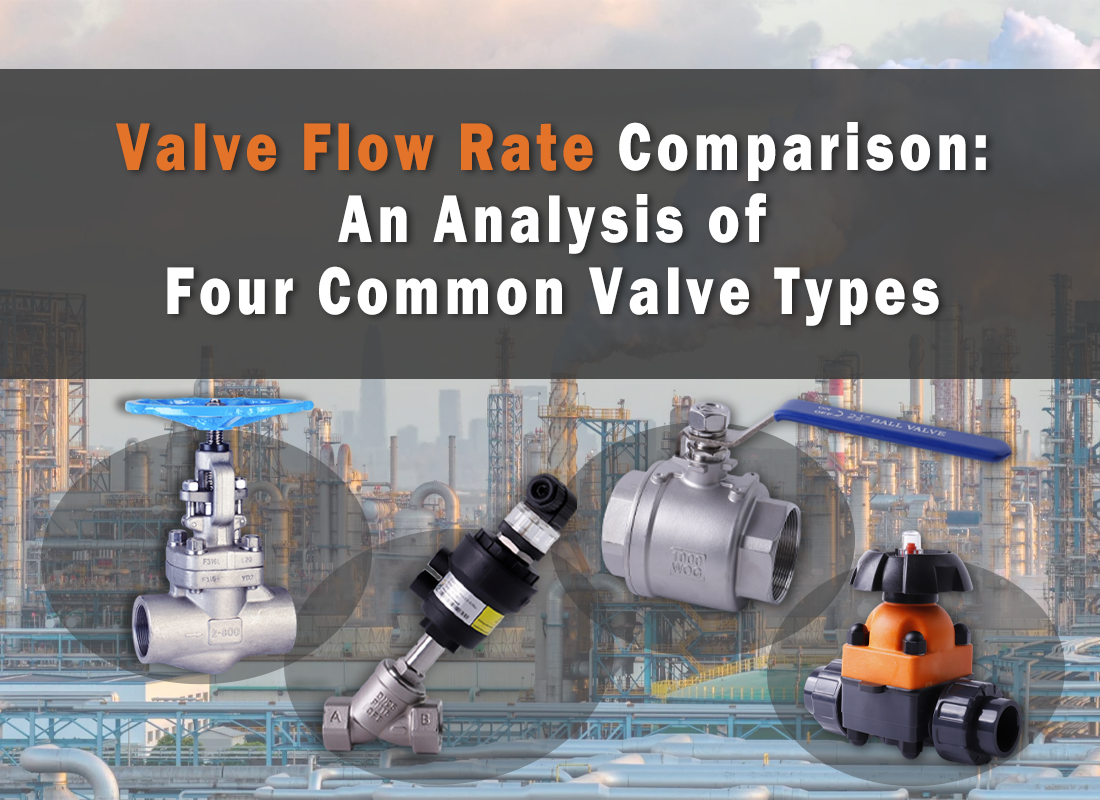 Valve Flow Rate Comparison: An Analysis of Four Common Valve Types
 The Temperature Limit of Valves: How Seal Material Affects Valve Body Performance
 Valve Flow Coefficients CV & KV: Differences Analysis and Selection Guide
You May Interest In

Dec 02, 2025 Blog
What are the parts of a pneumatic cylinder?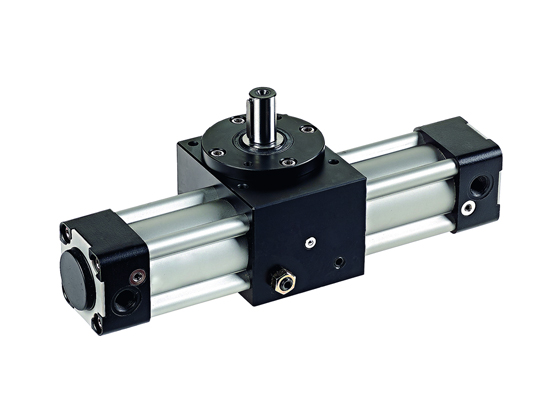

Apr 18, 2025 Blog
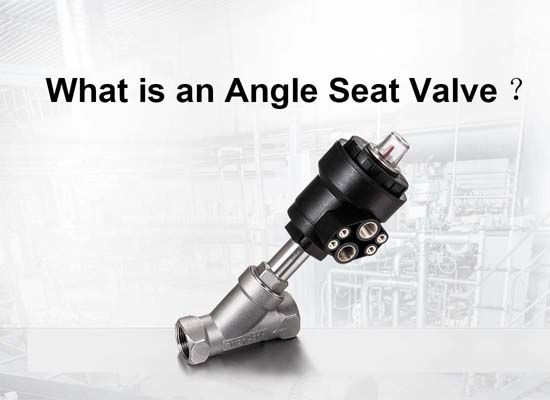
What is an Angle Seat Valve?
Get a free sample

Fokca is a brand of Ningbo Fokca Automation Co., Ltd.
Looking for custom pneumatic cylinder solutions? Visit our sister brand, Fescolo.→
© 2026 Ningbo Fokca Automation Co., Ltd. All rights reserved. Sitemap