Nov 19, 2026
Low temperatures can create serious operating problems for industrial valves, particularly in outdoor pipelines, compressed air systems, and equipment exposed to freezing conditions. Water trapped inside a valve may turn into ice, while some oils become more viscous and sealing materials lose flexibility. These changes can restrict internal movement, damage sealing surfaces, or even cause the valve body to crack.
Preventing winter valve failures requires more than simply covering exposed equipment. Engineers need to consider the operating medium, valve construction, temperature rating, and moisture control measures to keep the entire system functioning reliably.
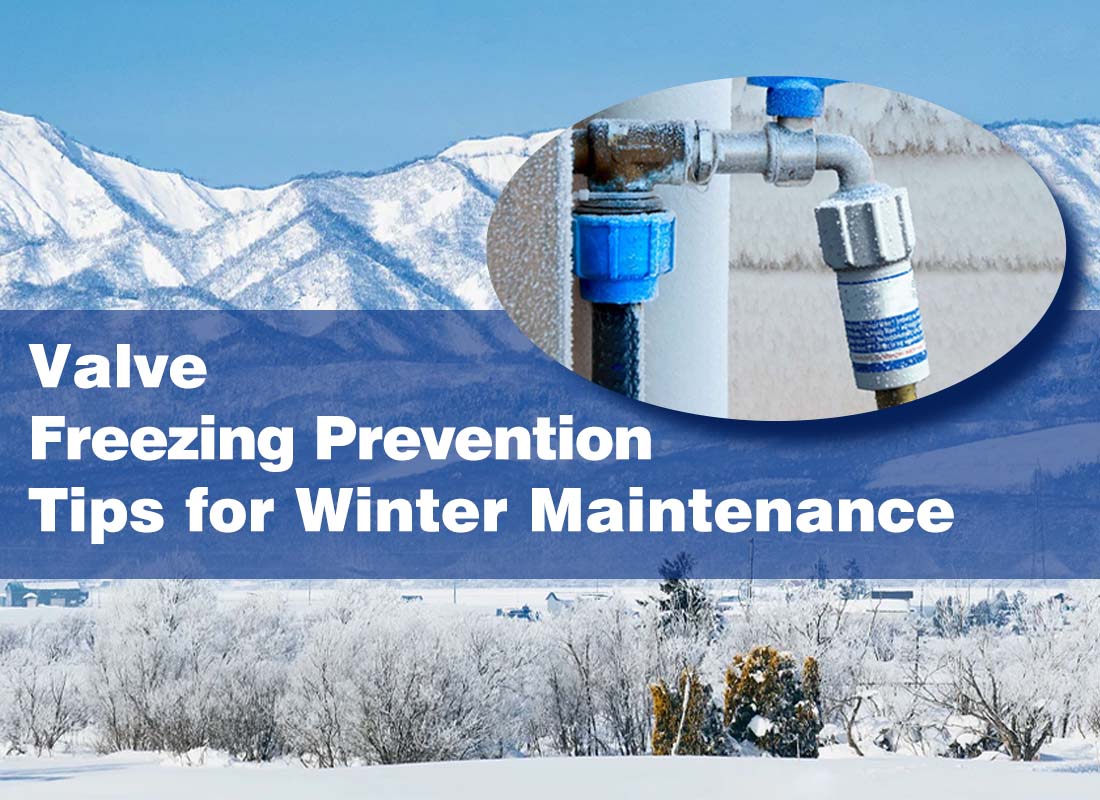
Valve freezing is mainly associated with the physical changes of the medium inside the valve and pipeline.
Water freezes at approximately 0°C under normal atmospheric pressure. If water remains in a valve cavity, drain passage, or low point in a pipeline, ice can form and restrict movement. In enclosed cavities, ice expansion may also generate pressure that damages the valve body or internal components.
Compressed air presents another risk. As air cools, moisture can condense and freeze in narrow passages, pilot holes, filters, and exhaust ports. Meanwhile, low temperatures can increase oil viscosity and reduce the flexibility of certain elastomer seals.
These problems may cause slow switching, sticking valve cores, leakage, or actuator failure. In automated production systems, one frozen control valve can interrupt an entire operating sequence.
Valve construction determines where freezing problems are most likely to occur.
● Ball valves: Water trapped inside the body cavity may freeze and prevent the ball from rotating. Thermal expansion can also damage the body or seals.
● Solenoid valves: Small internal orifices and pilot passages are vulnerable to ice blockage, especially when compressed air contains moisture.
● Pneumatic valves: Moisture in the air supply can freeze inside valve passages or exhaust ports, affecting switching performance.
● Diaphragm valves: Low temperatures may reduce diaphragm elasticity, depending on the elastomer or polymer material used.
● Butterfly valves: Ice accumulation around the disc or sealing area may increase operating resistance and interfere with proper closure.
The actual low-temperature performance depends on the valve model, material combination, and operating conditions.
Thermal insulation helps reduce heat loss when valves are installed outdoors, in unheated buildings, or in areas exposed to strong wind.
Common protection methods include:
● Wrapping pipelines and valve bodies with suitable insulation materials such as mineral wool or closed-cell rubber.
● Installing electric heating cables with thermostat control where continuous temperature protection is necessary.
● Using insulated enclosures to protect valves, actuators, and instrumentation from cold air.
Insulation slows temperature loss but does not generate heat. In prolonged freezing conditions, insulation alone may be insufficient, so active heating or drainage may also be required.
Drainage is particularly important for systems that operate intermittently or remain idle overnight.
Open designated drain points and remove residual liquid from valve cavities and pipeline low points where the equipment design permits. For pneumatic systems, install appropriately sized filters, moisture separators, and automatic drainers to reduce water entering downstream components.
If compressed air must operate at low temperatures, its pressure dew point should be sufficiently below the minimum expected system temperature. This helps prevent condensation and ice formation inside the air circuit.
In systems designed for continuous operation, maintaining controlled circulation can reduce the likelihood of local freezing.
For example, process water may be circulated through exposed sections, while lubrication systems may use suitable preheating or controlled circulation to maintain acceptable viscosity.
However, circulation is not a universal solution. Flowing liquid can still freeze when heat loss is greater than the heat supplied by the moving medium. System temperature monitoring and appropriate insulation remain necessary.
Valve components must be suitable for the minimum operating temperature, not just normal room-temperature conditions.
Consider the following during selection:
● Sealing materials: Choose elastomers specifically rated for the expected temperature. PTFE and specially formulated low-temperature elastomers may be suitable, depending on the application.
● Lubricants: Select lubricants with appropriate low-temperature viscosity and performance characteristics.
● Operating medium: Use fluids with suitable freezing points or low-temperature viscosity where the process allows.
● Valve construction: Confirm that the body, internal components, seals, and actuator are all rated for the intended environment.
For applications approaching –20°C or lower, verify the complete valve assembly's temperature limits with the manufacturer rather than relying on the material name alone.
Preventive inspection helps identify freezing risks before they cause equipment failure.
| Inspection item | What to check |
| Insulation | Cracks, moisture, loose wrapping, or exposed sections |
| Heating system | Cable condition, thermostat settings, and power supply |
| Drainage | Blocked drains and residual water |
| Air preparation | Filter condition, condensate, and automatic drain operation |
| Valve operation | Slow response, sticking, leakage, or unusual noise |
| Sealing components | Hardening, cracks, and visible deformation |
If a valve has already frozen, do not force the handle or actuator. Avoid pouring boiling water directly onto the valve, as sudden temperature changes may damage components. Isolate the equipment when necessary and use gradual, controlled warming in accordance with the manufacturer's procedures. Before restarting, inspect for cracks, leakage, and internal damage.
Proper winter preparation combines insulation, moisture removal, suitable materials, and regular inspection. By addressing these factors before temperatures fall, industrial operators can reduce freezing-related failures and maintain dependable valve operation throughout the winter season.
(FK9025)
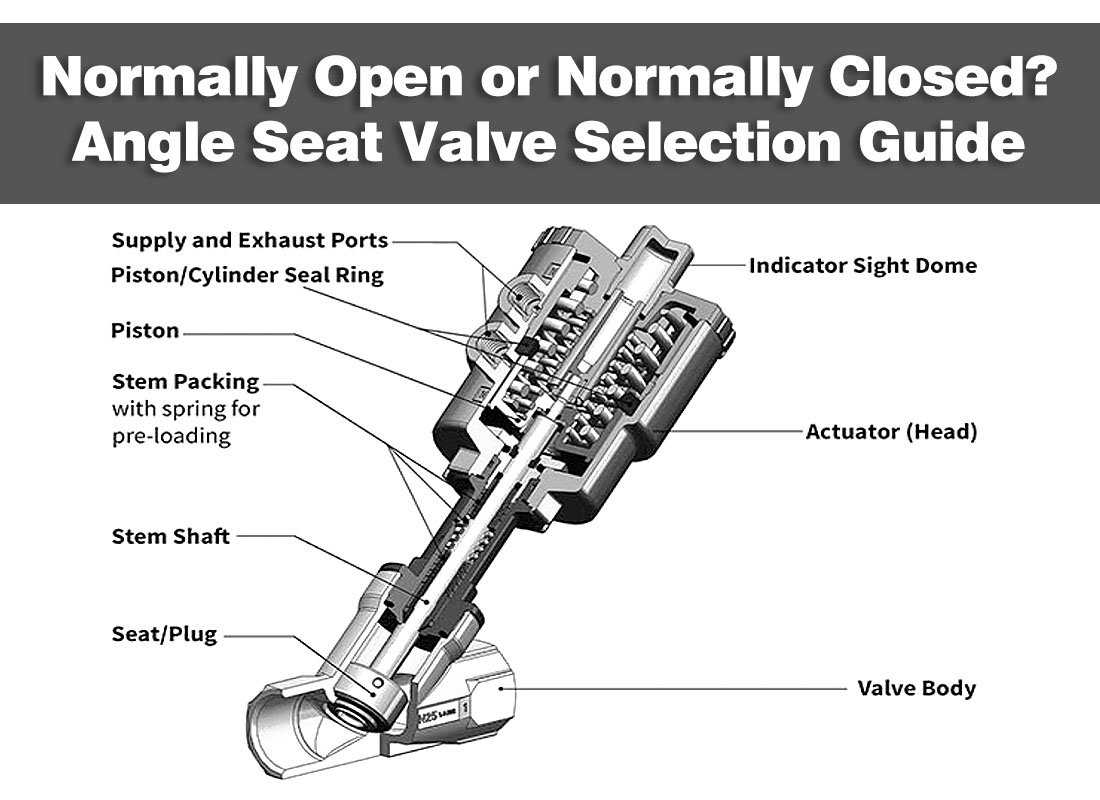 Normally Open or Normally Closed? Angle Seat Valve Selection Guide
 Why CNC Coolant Systems Prefer VNC Valves? A Reliable Solution for Leak Prevention
 VNB Process Valves: An Efficient Solution for Multi-Purpose Fluid Control
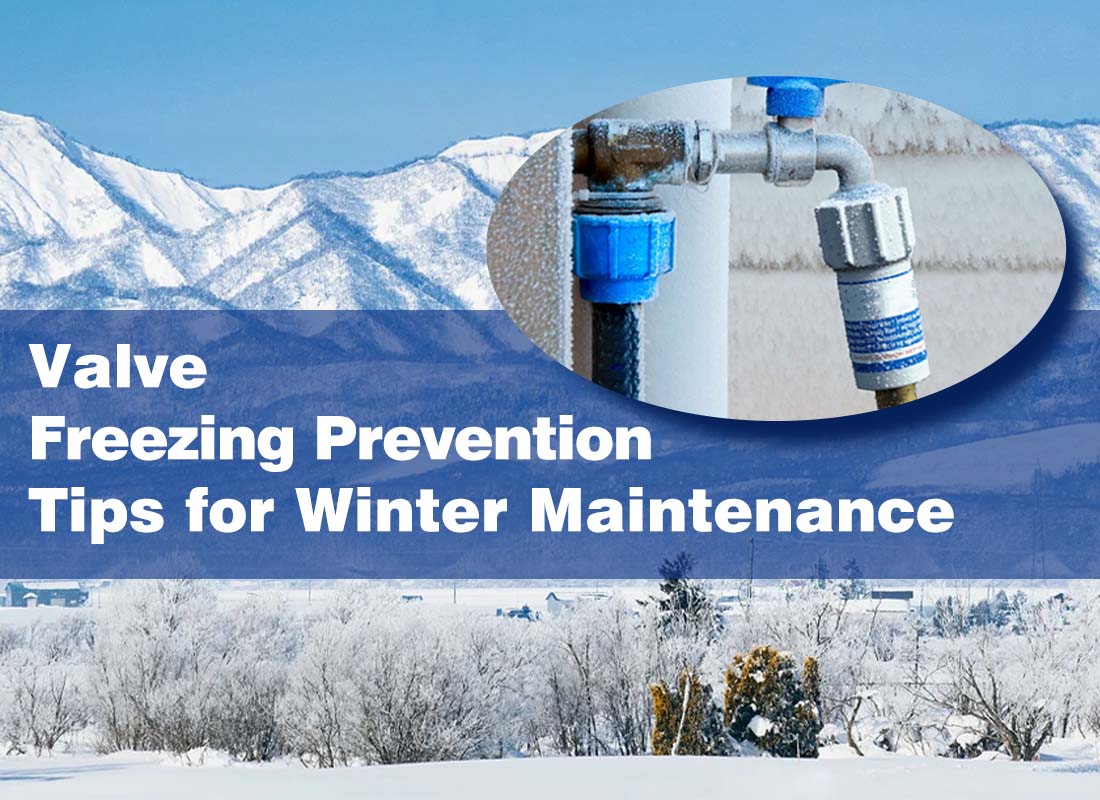 Valve Freezing Prevention Tips for Winter Maintenance
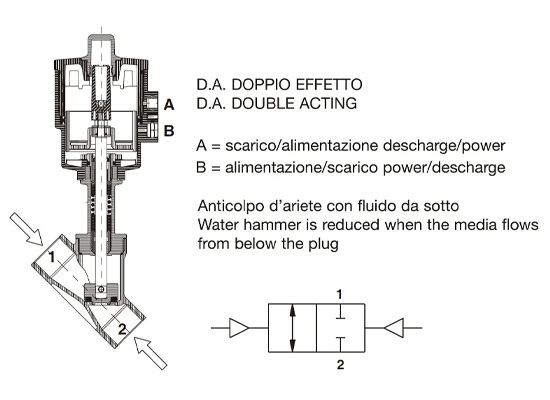 How to determine valve seat angle
You May Interest In

Dec 02, 2025 Blog
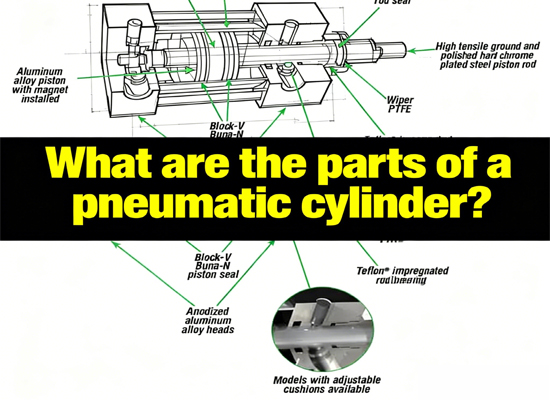
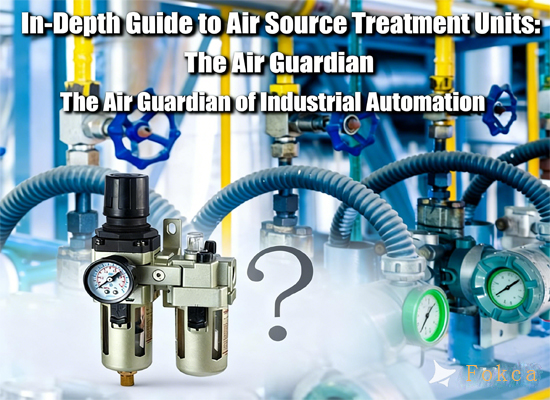
What are the parts of a pneumatic cylinder?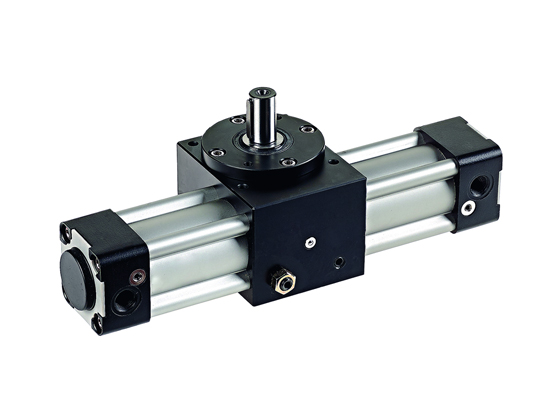




Apr 18, 2025 Blog
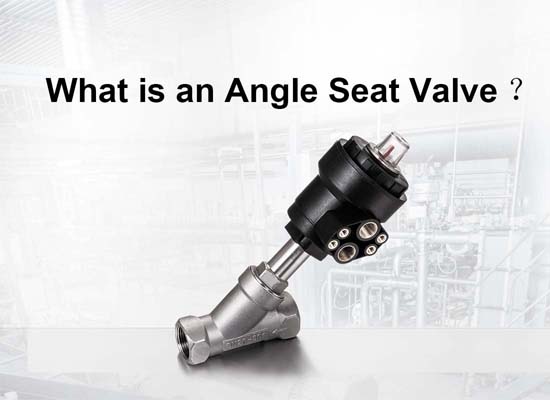
What is an Angle Seat Valve?
Get a free sample

Fokca is a brand of Ningbo Fokca Automation Co., Ltd.
Looking for custom pneumatic cylinder solutions? Visit our sister brand, Fescolo.→
© 2026 Ningbo Fokca Automation Co., Ltd. All rights reserved. Sitemap