Nov 20, 2026
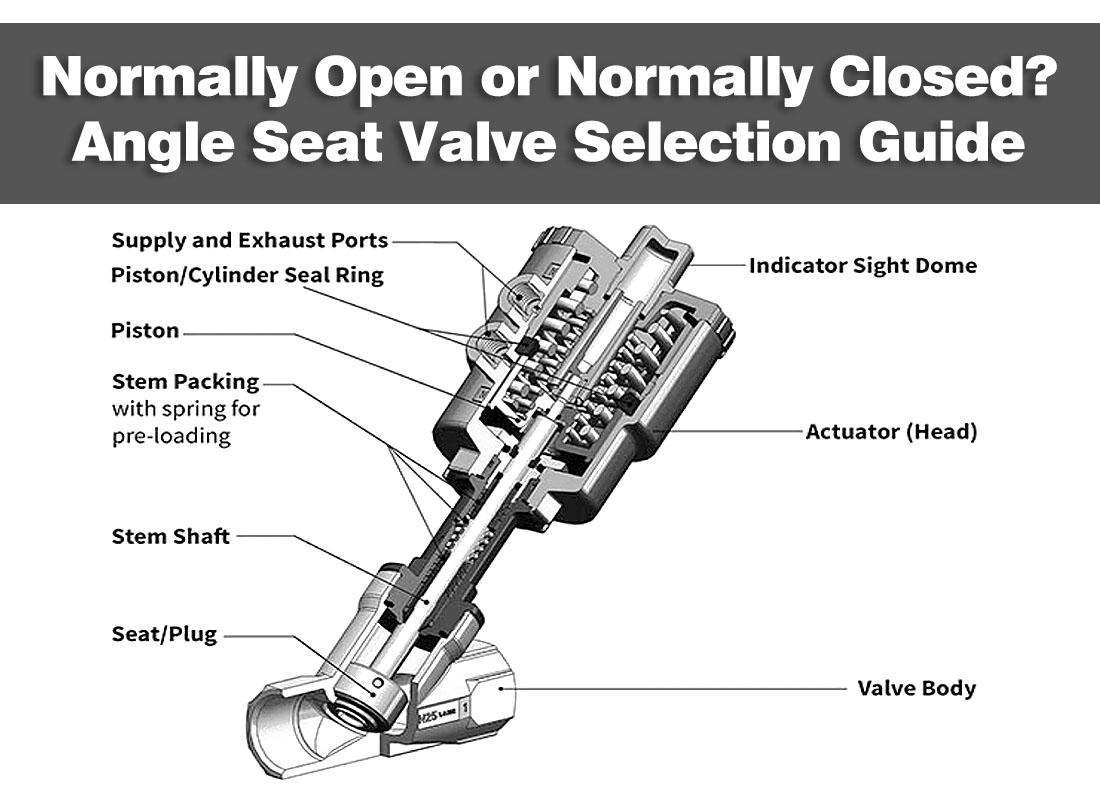
Angle seat valves are widely used in industrial systems handling compressed air, steam, water, and other compatible fluids. Their compact structure, relatively high flow capacity, and reliable sealing make them suitable for equipment that requires frequent switching or stable fluid delivery.
However, selecting an angle seat valve involves more than checking its port size and pressure rating. Engineers must also decide whether the valve should be normally open (NO) or normally closed (NC), and whether a single-acting or double-acting actuator is more appropriate. These choices determine how the valve operates during normal production and how it responds when the compressed-air supply is interrupted.
The actuator design determines how an angle seat valve moves between its open and closed positions.
A single-acting angle seat valve uses compressed air to drive movement in one direction and a mechanical spring to return the valve in the opposite direction. Depending on its configuration, the spring holds the valve either open or closed when the air supply is lost. This provides a defined default position without requiring continuous air pressure.
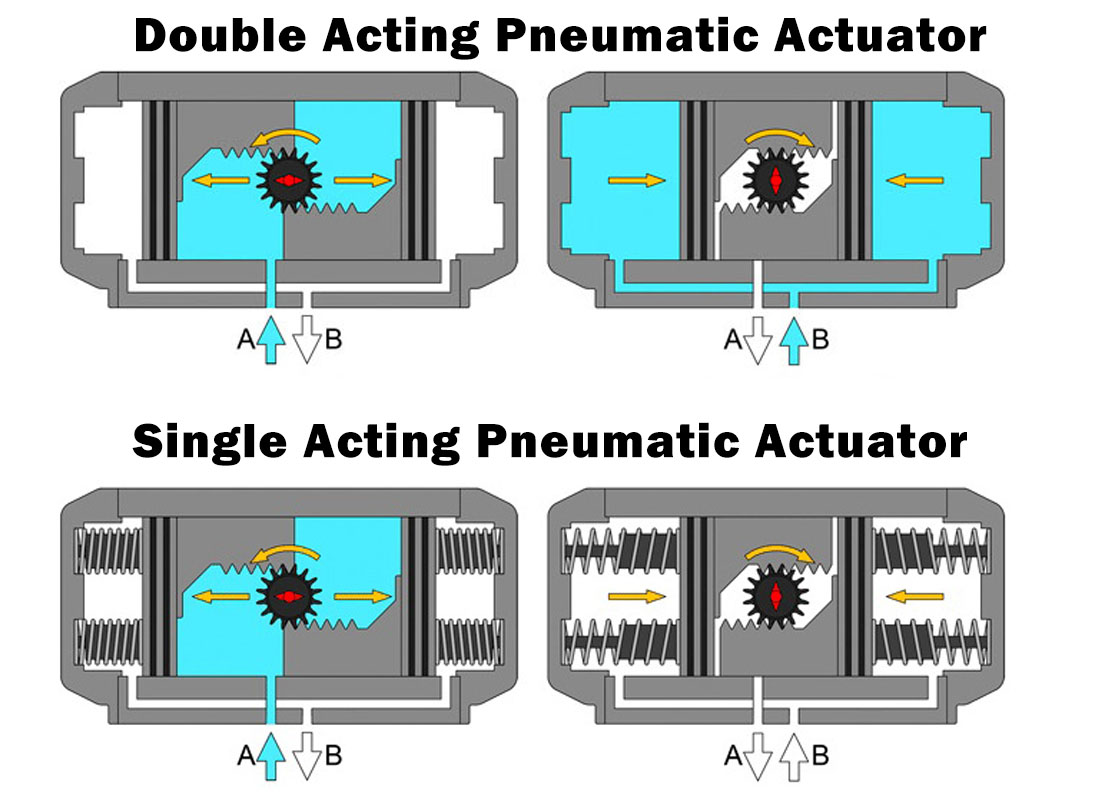
A double-acting angle seat valve uses compressed air for both opening and closing. Since it does not rely on a return spring, its final position generally depends on the last control signal and the actuator's operating conditions. If the air supply fails, the valve may remain in its last position, although the actual behavior depends on the actuator and system design.
| Feature | Single-Acting | Double-Acting |
| Driving force | Air pressure and spring | Air pressure in both directions |
| Default position | Normally open or normally closed | No inherent spring-return position |
| Air failure response | Returns to spring-set position | Generally retains its last position |
| Typical consideration | Fail-safe positioning | Controlled switching in both directions |
A normally closed angle seat valve remains closed without an operating air signal. Compressed air drives the actuator to open the valve, while the spring returns it to the closed position when the control pressure is removed.
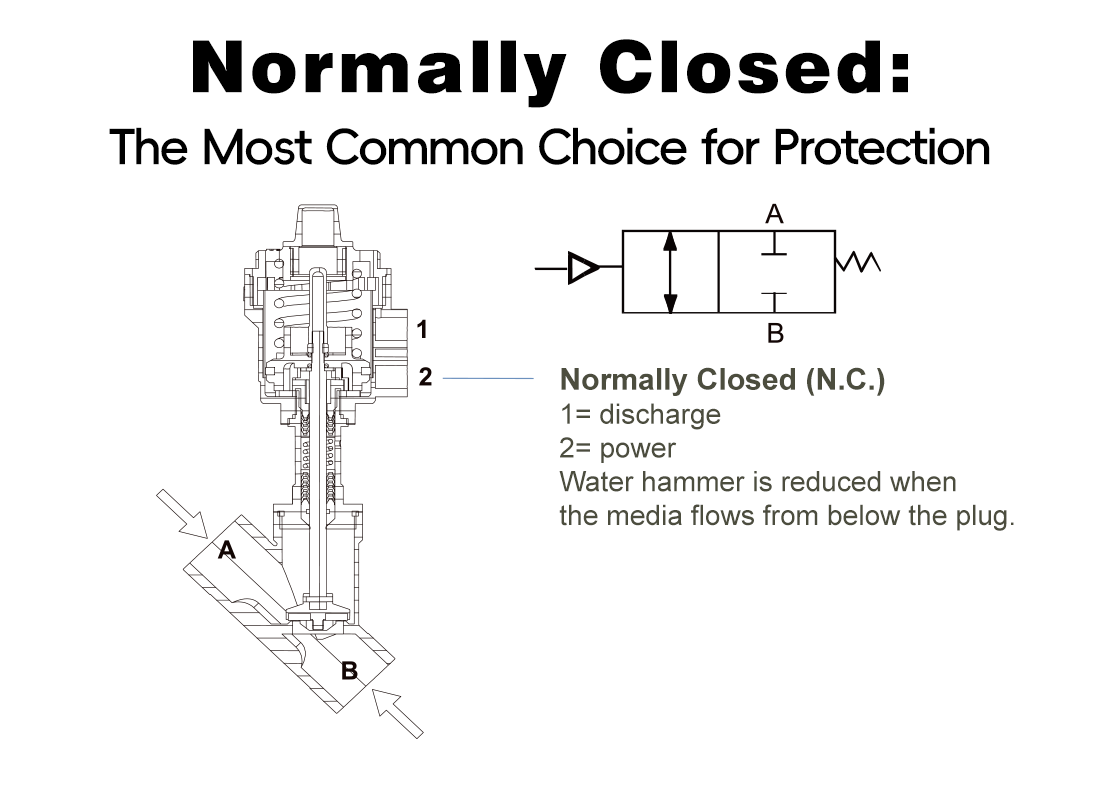
This configuration is commonly selected when stopping fluid flow is the preferred response during an air-supply failure.
Typical applications include:
● Steam supply lines that require automatic shutoff.
● Gas and compressed-air distribution systems.
● Chemical dosing and fluid delivery equipment.
● Packaging and processing machinery where unintended discharge must be prevented.
For example, in a steam sterilization system, a normally closed valve can help stop steam supply when the control-air pressure disappears. However, the complete safety function also depends on the control circuit, pressure conditions, and other protective devices.
A normally open angle seat valve uses its spring to maintain the open position. Compressed air moves the actuator to close the valve. When the control-air supply is interrupted, the spring returns it to the open state.
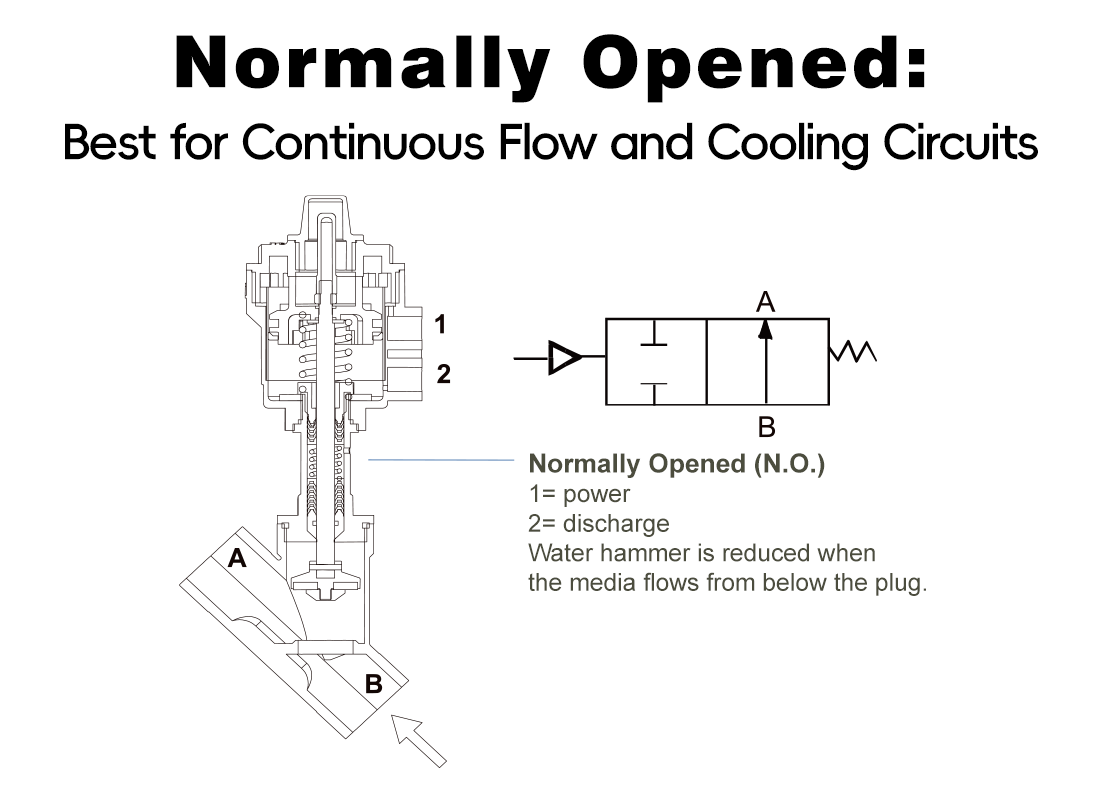
This design can be useful when maintaining circulation or preventing flow interruption is important.
Common applications include:
● Cooling-water circulation circuits.
● Auxiliary water supply lines.
● Recirculation systems.
● Process lines where an unexpected shutoff could cause overheating or equipment damage.
In machine-tool cooling systems, for instance, maintaining coolant circulation may help control equipment temperature. A normally open valve can support this requirement, provided that continued flow is the intended safe response. The medium, pump arrangement, and potential leakage risks must also be considered.
Before choosing between NO and NC, engineers should evaluate the operating conditions rather than relying only on the most common configuration.
If the valve remains closed for most of the production cycle, a normally closed design may reduce unnecessary air consumption and switching. If the line requires continuous flow, a normally open version may reduce the need for repeated actuation.
This is usually the more important question for single-acting valves. Consider whether stopping the medium or maintaining its flow creates the lower overall risk.
| System requirement | Configuration to evaluate |
| Stop flow during air failure | Normally closed |
| Maintain flow during air failure | Normally open |
| No spring-defined default position required | Double-acting |
These are general selection guidelines, not universal rules. A full risk assessment should account for pressure, temperature, leakage consequences, and equipment shutdown procedures.
Double-acting valves are useful when the control system needs pneumatic force to operate the actuator in both directions. They can be suitable for automated processes with frequent switching or applications where an external control or safety arrangement determines the required response to air failure.
Without a return spring, the actuator avoids spring-related fatigue, but this does not automatically guarantee a longer service life. Seal wear, air quality, switching frequency, operating pressure, and maintenance conditions also affect durability.
Where a defined fail-open or fail-closed position is essential, a double-acting valve should only be used with an appropriate external fail-safe arrangement.
Choosing an angle seat valve requires matching its actuator configuration to the actual process requirements. Check the medium compatibility, operating pressure, temperature range, flow capacity, switching frequency, and available control-air pressure. Most importantly, confirm the required valve position during an air-supply failure.
A normally closed valve is generally appropriate when automatic shutoff is required, while a normally open valve can support systems that need continued flow. Double-acting designs are worth considering when controlled movement in both directions is the priority and fail-state protection is addressed separately.
The right configuration is the one that provides predictable operation under both normal and abnormal conditions.
(FK9025)
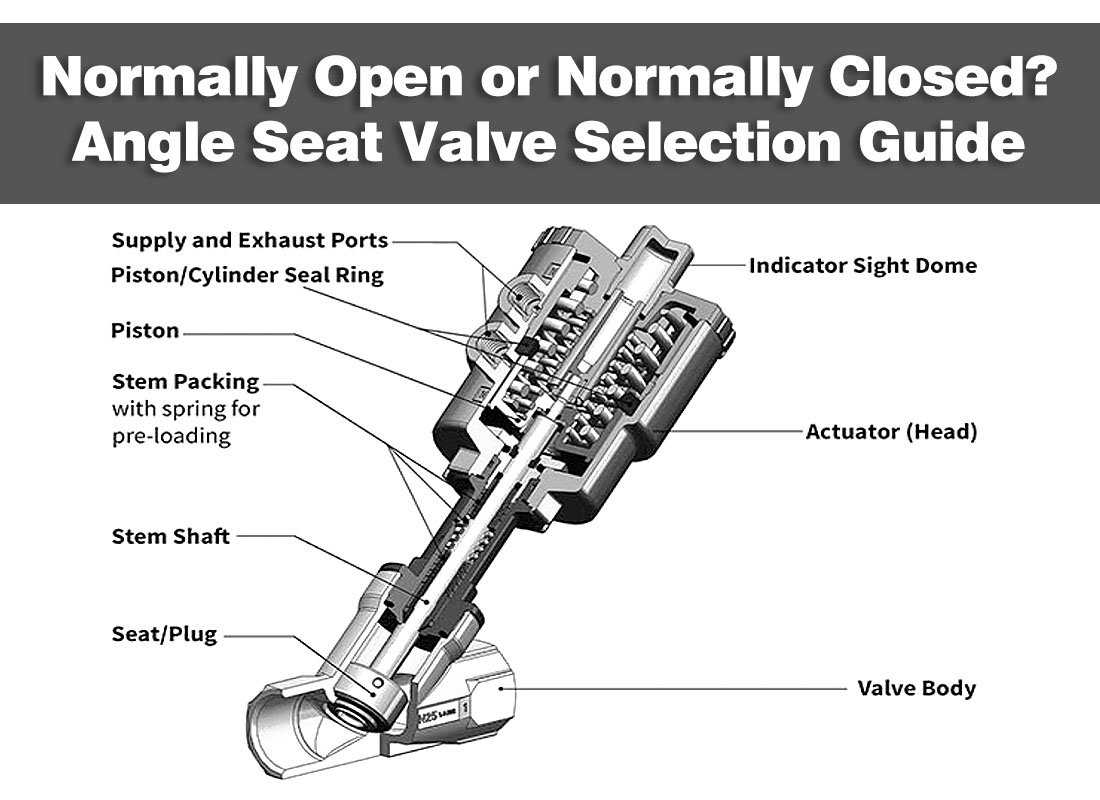 Normally Open or Normally Closed? Angle Seat Valve Selection Guide
 Why CNC Coolant Systems Prefer VNC Valves? A Reliable Solution for Leak Prevention
 VNB Process Valves: An Efficient Solution for Multi-Purpose Fluid Control
 Valve Freezing Prevention Tips for Winter Maintenance
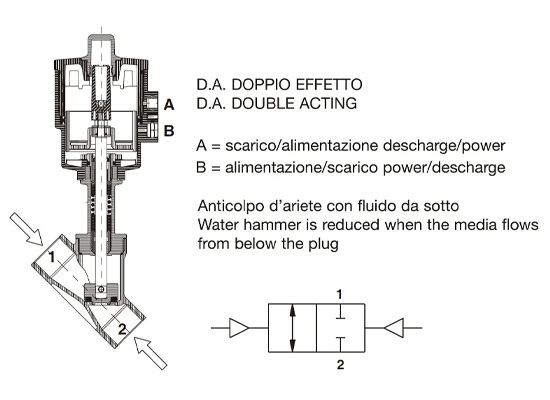 How to determine valve seat angle
You May Interest In


Dec 02, 2025 Blog
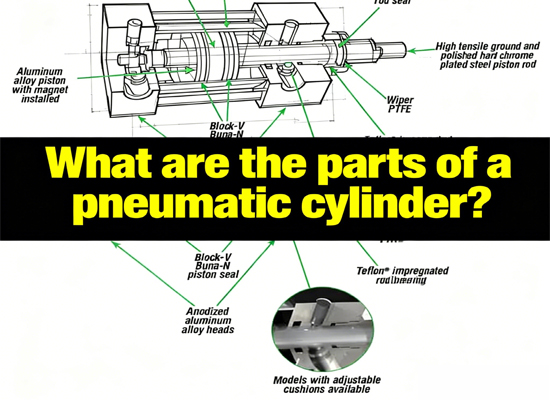
What are the parts of a pneumatic cylinder?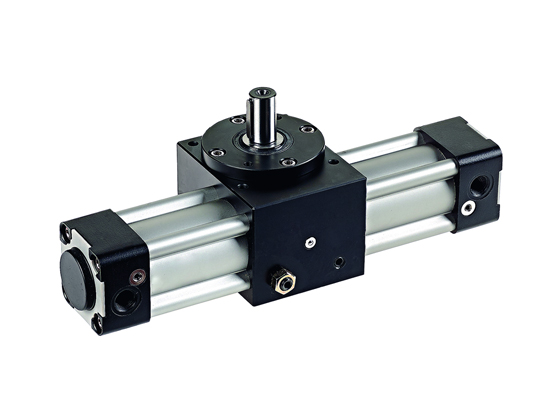






Apr 18, 2025 Blog
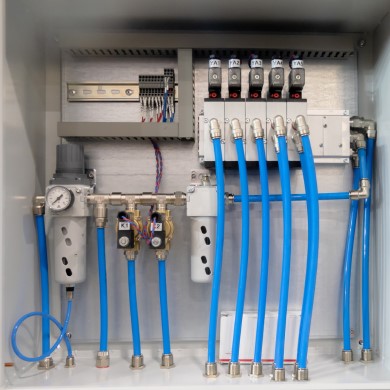
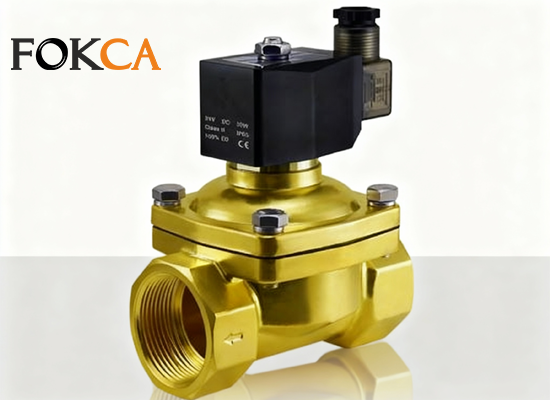
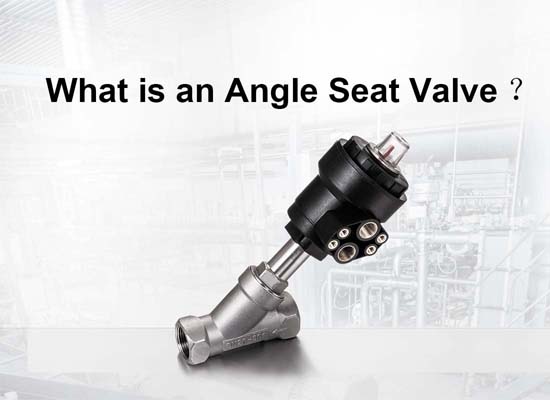
What is an Angle Seat Valve?
Get a free sample

Fokca is a brand of Ningbo Fokca Automation Co., Ltd.
Looking for custom pneumatic cylinder solutions? Visit our sister brand, Fescolo.→
© 2026 Ningbo Fokca Automation Co., Ltd. All rights reserved. Sitemap




 None