Nov 20, 2026
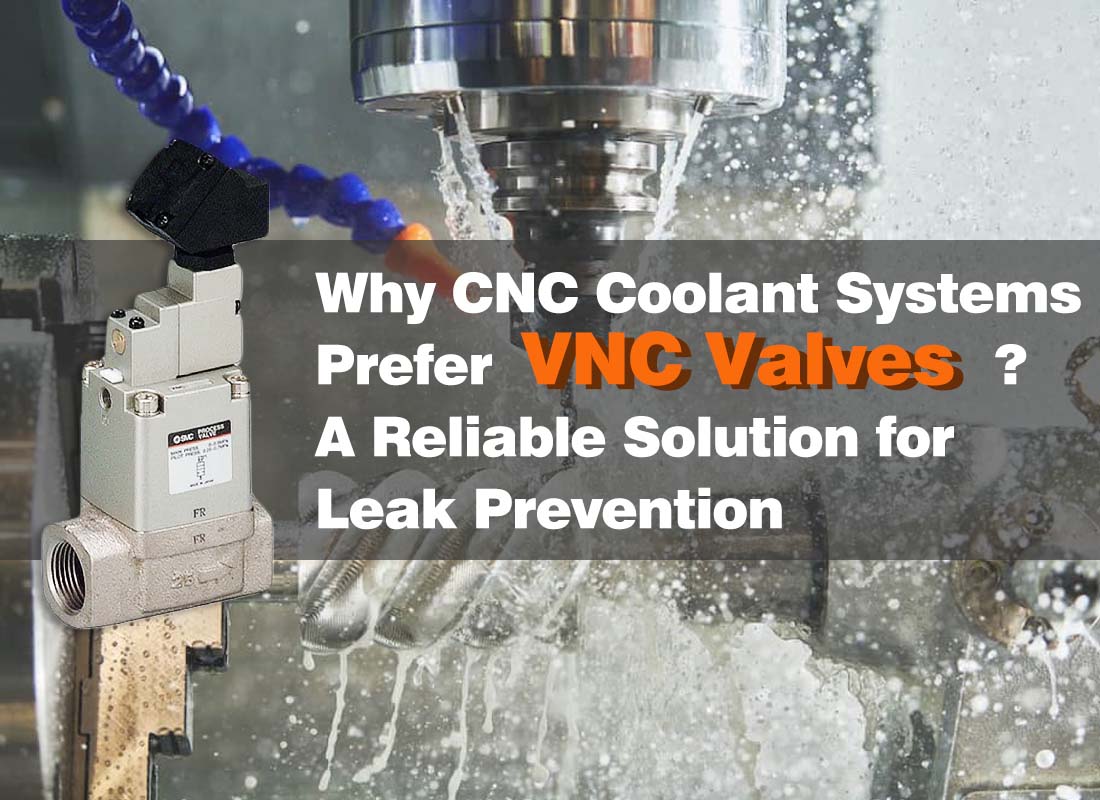
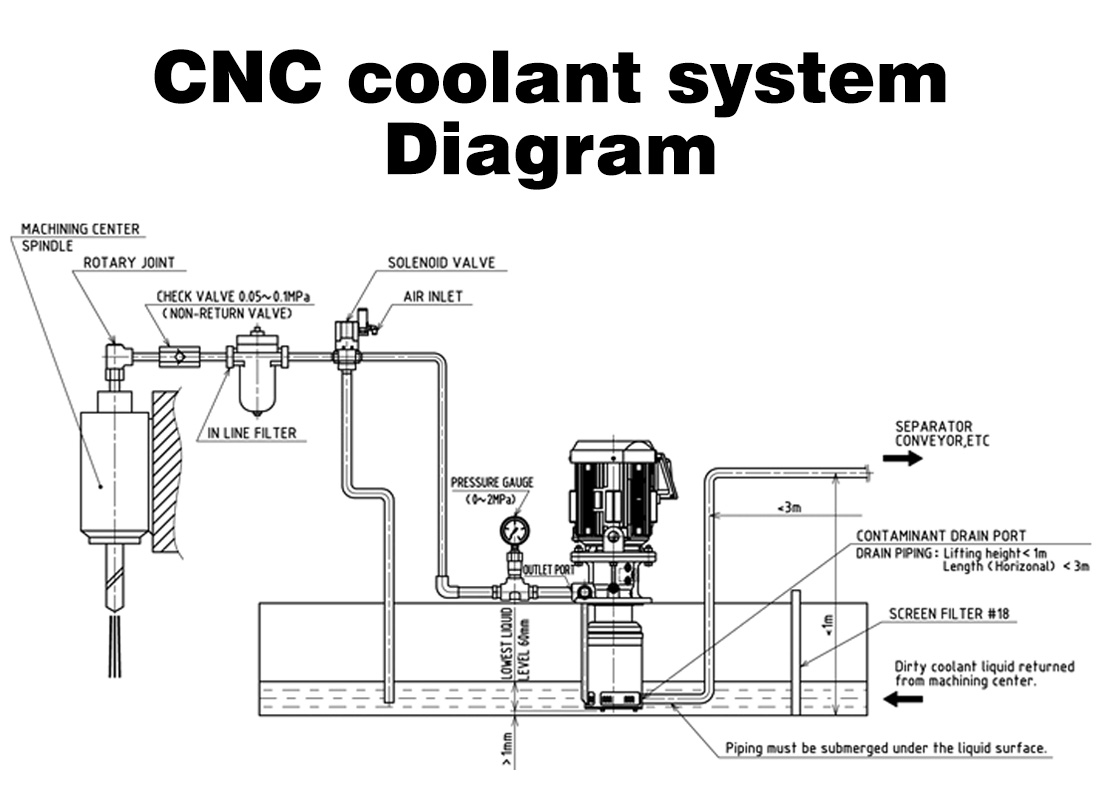
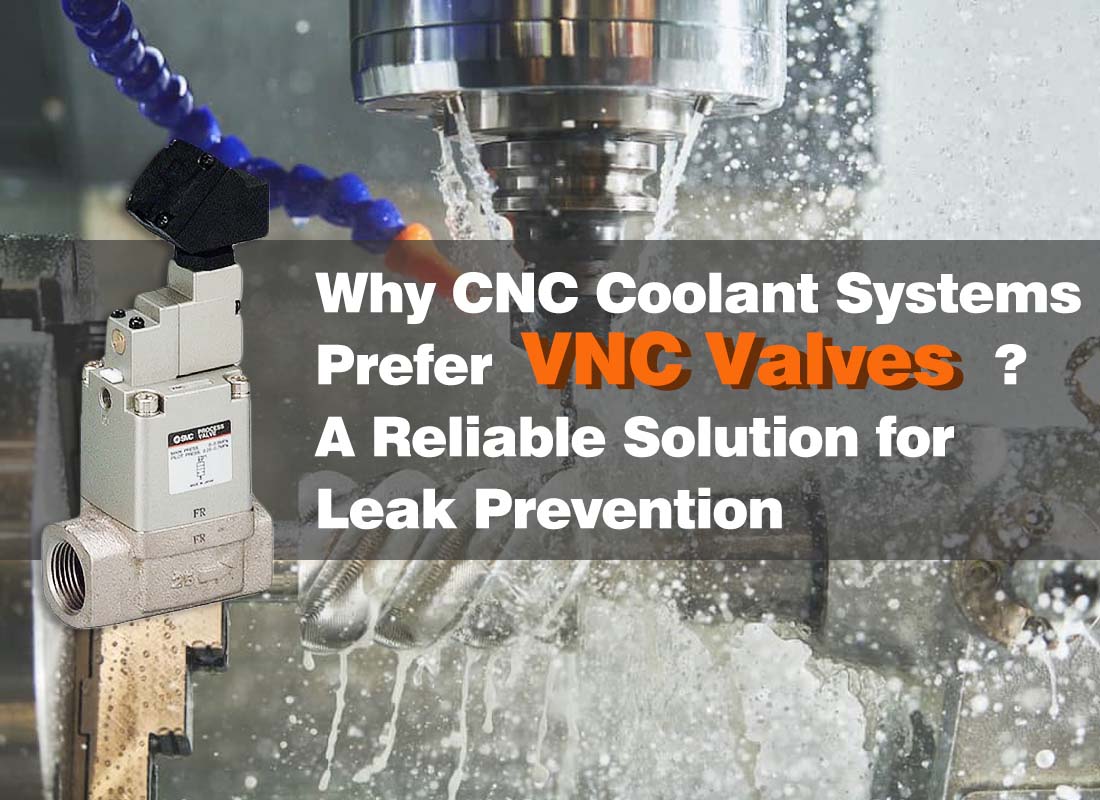
In CNC machining centers and metal-cutting equipment, coolant must reach the cutting area consistently to control temperature, lubricate contact surfaces, and remove machining chips. The coolant circuit therefore needs valves that can handle frequent switching, fluid pressure changes, and contamination from metal particles.
Ordinary process valves may experience accelerated wear when exposed to abrasive coolant containing chips and suspended solids. The VNC series developed by SMC is designed for coolant-related control applications, with construction and sealing characteristics intended to support demanding machine-tool environments.
Machining coolant is not always a clean fluid. During milling, drilling, and turning, small metal particles can enter the circulating liquid and travel through pipelines and valve passages. Depending on their size, hardness, and concentration, these particles may scratch sealing surfaces, accumulate around moving components, or restrict narrow flow channels.
Coolant formulations can also contain oils, surfactants, corrosion inhibitors, and alkaline additives. These ingredients may affect elastomers and metal surfaces differently.
For this reason, valve selection should consider more than nominal pressure and port size. Resistance to particle-related wear, chemical compatibility, flow capacity, and switching reliability are all important when designing a coolant circuit.
One distinguishing feature of the VNC series is its metal sealing arrangement. Instead of relying entirely on a soft rubber sealing element at the main closing interface, the design uses contact between metal components to control the flow passage.
This construction offers several potential advantages in contaminated-fluid applications.
Reduced dependence on soft sealing materials: Metal sealing surfaces are less susceptible to the cutting, tearing, and permanent deformation that can affect elastomer seals when hard particles become trapped at the interface.
Suitability for demanding operating cycles: A properly designed metal sealing mechanism can withstand repeated switching without relying on a soft sealing element at the primary contact surface. This can be beneficial in automated machining equipment with frequent coolant control operations.
However, metal seals are not immune to abrasion. Hard particles, unsuitable operating conditions, or poor fluid filtration can still damage contact surfaces and affect sealing performance. Regular inspection and appropriate coolant management remain necessary.
Although VNC valves are intended for coolant-related applications, compatibility must be confirmed for the actual fluid being used.
Water-based cutting fluids, oil-based coolants, and mixtures containing chemical additives have different properties. Their effects on valve materials depend on concentration, temperature, and exposure time.
Pure water should not automatically be considered unsuitable for every metal-sealed valve. The relevant factors include the valve body's material, internal surface treatment, water quality, corrosion risk, and the manufacturer's approved media specifications.
Before installation, check the technical documentation for permitted fluids, temperature limits, pressure ratings, and any restrictions on water content or chemical composition.
Besides sealing design, the internal flow passage and moving components influence valve performance in machining environments.
A suitable coolant valve should provide sufficient flow capacity without creating unnecessary pressure loss. Passage geometry also matters because narrow sections and internal corners may collect chips or deposits. Material selection must account for both mechanical wear and exposure to coolant additives.
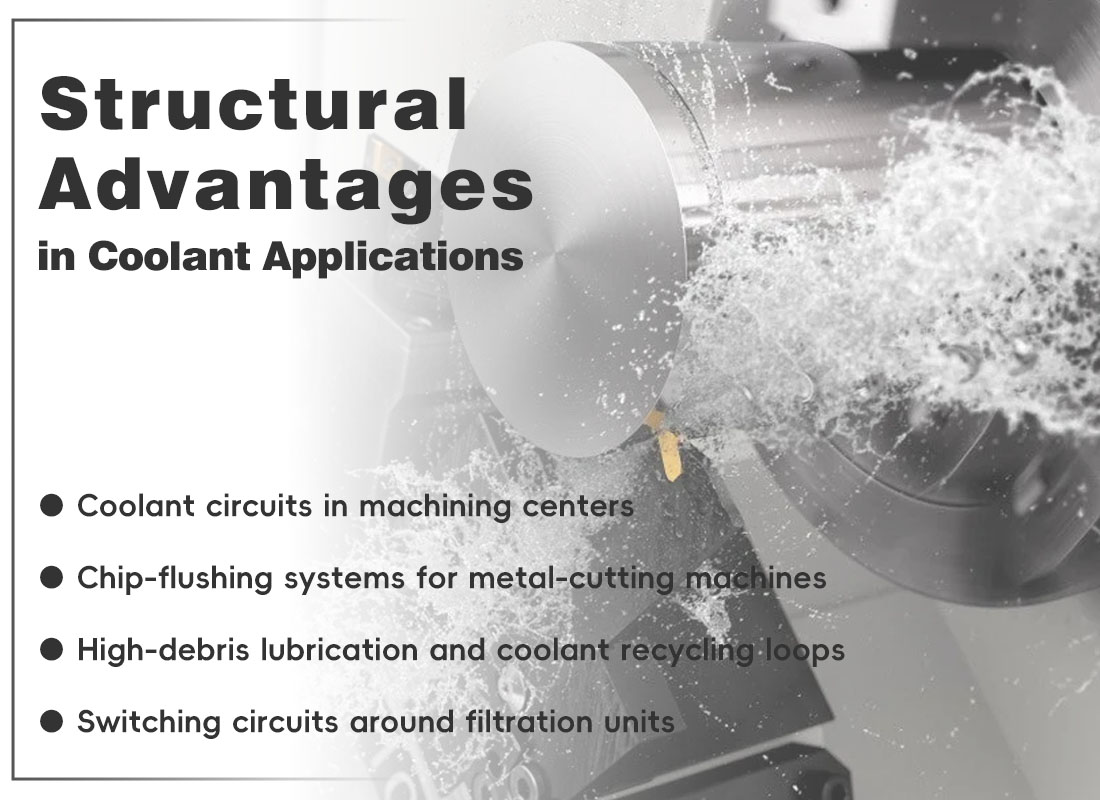
VNC valves may be considered for applications such as:
● Coolant supply circuits in CNC machining centers
● Chip-flushing lines in milling and turning equipment
● Coolant circulation and filtration systems
● Lubrication and fluid-switching circuits compatible with the selected model
The valve is one part of the overall coolant system. Proper filtration, pipeline sizing, pump selection, and routine fluid maintenance are equally important for preventing blockages and maintaining stable delivery.
Selecting a suitable model requires matching the valve specifications to the machine's operating conditions.
| Selection factor | What to verify |
| Port size | Required flow rate and pipeline connection |
| Body material | Compatibility with coolant chemistry and operating environment |
| Pressure rating | Normal pressure, maximum pressure, and pump surges |
| Flow capacity | Required delivery rate and acceptable pressure loss |
| Operating frequency | Switching frequency and expected service duty |
| Fluid compatibility | Coolant type, additives, temperature, and particle content |
Also consider the installation space, connection standard, electrical or control requirements, and maintenance accessibility. Never assume that every VNC model has identical pressure, flow, or media specifications.
A stable coolant circuit helps protect cutting tools, manage machining temperatures, and remove chips from the working area. Choosing a valve with suitable sealing construction and material compatibility can reduce the risk of premature wear and leakage.
The VNC series offers a metal-sealing design intended for demanding coolant-control applications. Its suitability, however, depends on the exact model and working conditions. Combining correct valve selection with effective filtration, pressure control, and preventive maintenance provides a more dependable approach to long-term CNC coolant system operation.
(FK9025)
 Normally Open or Normally Closed? Angle Seat Valve Selection Guide
 Why CNC Coolant Systems Prefer VNC Valves? A Reliable Solution for Leak Prevention
 VNB Process Valves: An Efficient Solution for Multi-Purpose Fluid Control
 Valve Freezing Prevention Tips for Winter Maintenance
 How to determine valve seat angle
You May Interest In

Dec 02, 2025 Blog
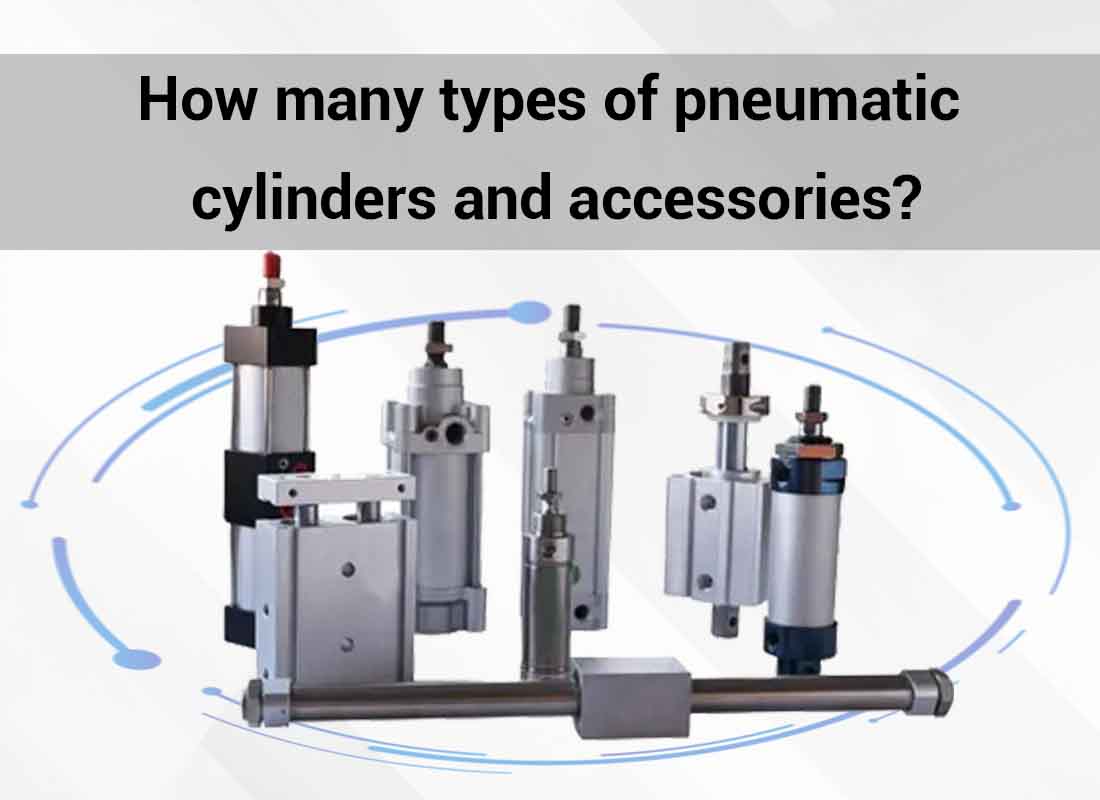
What are the parts of a pneumatic cylinder?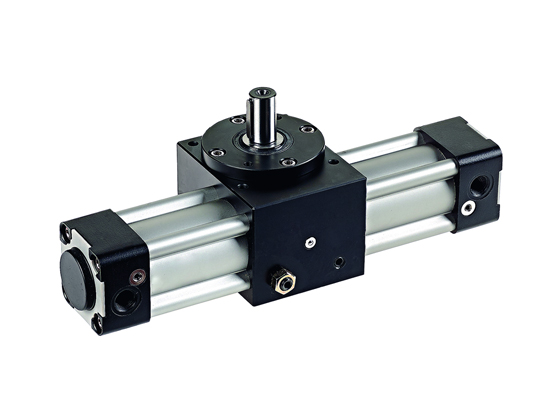


Apr 18, 2025 Blog
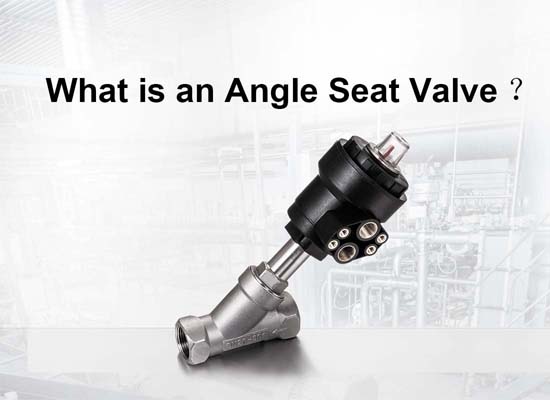
What is an Angle Seat Valve?
Get a free sample

Fokca is a brand of Ningbo Fokca Automation Co., Ltd.
Looking for custom pneumatic cylinder solutions? Visit our sister brand, Fescolo.→
© 2026 Ningbo Fokca Automation Co., Ltd. All rights reserved. Sitemap