Compressed air systems often appear simple, but connection components can strongly influence overall efficiency. One overlooked factor is the flow capacity of a pneumatic quick coupling. If the internal passage of the connector is too small, airflow becomes restricted, leading to pressure loss and slower actuator performance. For engineers designing pneumatic circuits, understanding how air quick connect fitting flow design and orifice size affect system performance is essential.
Why Flow Design Matters in Pneumatic Quick Coupling
Air moving through a pneumatic system behaves much like water in a pipe. If the passage becomes narrow, the velocity increases but usable flow decreases. The same principle applies inside a pneumatic coupler.
A poorly designed connector may create an internal bottleneck. Even if the compressor and hoses provide sufficient airflow, the connector can still limit the air supply. Flow-optimized pneumatic quick coupling designs reduce pressure drop and maintain stable air delivery, especially in high-demand equipment such as pneumatic tools and fast-cycle automation machines.
Flow Rate and Orifice Size in Air Quick Connect Fittings
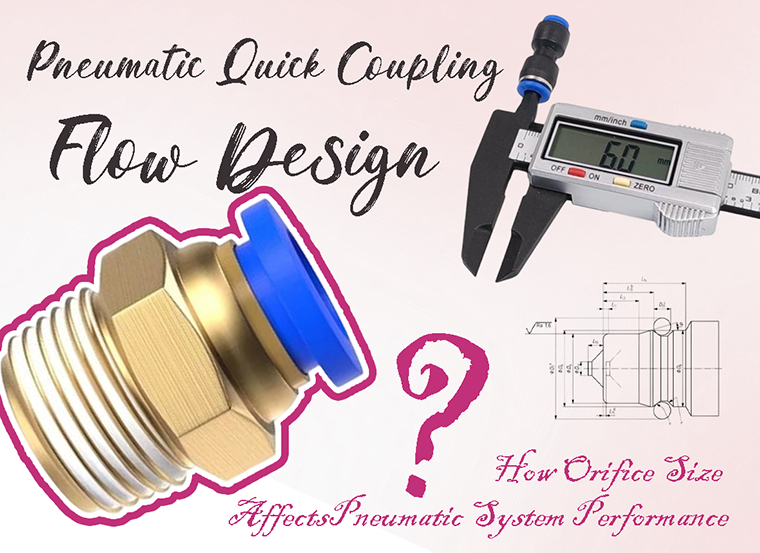
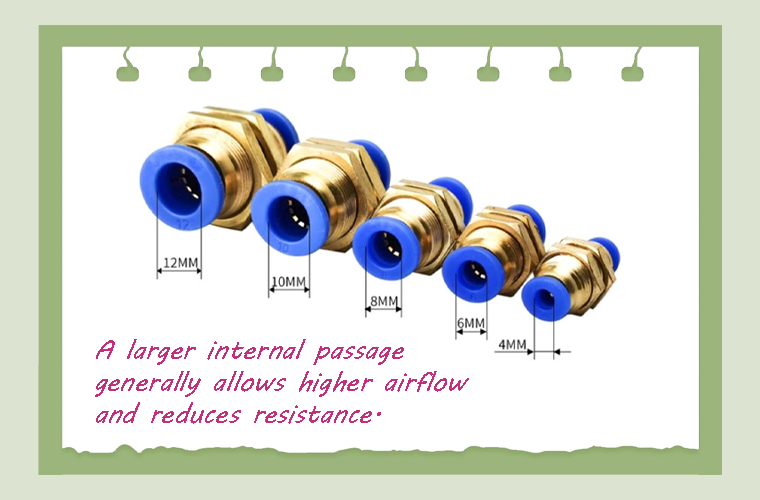
The internal diameter, often called the orifice size, determines how much air can pass through a connector. A larger internal passage generally allows higher airflow and reduces resistance.
Engineers often refer to high flow quick coupling designs when a connector provides a larger internal passage compared with standard fittings. This design helps maintain airflow when machines require rapid air movement.
For example, in systems where air cylinders move rapidly or tools consume large volumes of air, high-flow connectors help prevent performance loss.
How Small Connectors Can Slow Down Pneumatic Equipment
Many pneumatic issues originate from undersized connectors. When airflow is restricted by a small connector, pressure at the actuator drops under load.
Typical symptoms include:
1.Slower cylinder movement
2.Reduced force output
3.Inconsistent performance during repeated cycles
In fast automation equipment, these issues can reduce production efficiency. Using a properly sized pneumatic quick coupling helps maintain stable pressure and system speed, especially in machines with frequent air demand.
Common Pneumatic Quick Coupling Sizes and Applications
Different connection sizes are designed for different airflow requirements. Selecting the right size ensures the air quick connect fitting matches the airflow demand of the equipment.
| Connector Size | Typical Flow Capacity | Common Applications |
|---|---|---|
| 1/4" | Medium flow | Air tools, light automation |
| 3/8" | Higher flow | Assembly equipment, packaging machines |
| 1/2" | High flow | Large cylinders, high air consumption tools |
For example, small air blow guns or maintenance tools often use 1/4" pneumatic couplers, while industrial spray equipment or larger automation systems benefit from 3/8" or 1/2" high flow quick coupling designs.
Matching Coupler Flow with Pneumatic Components
A pneumatic system works best when airflow capacity is balanced across all components. Even if hoses and compressors are properly sized, a restrictive connector can reduce overall performance.
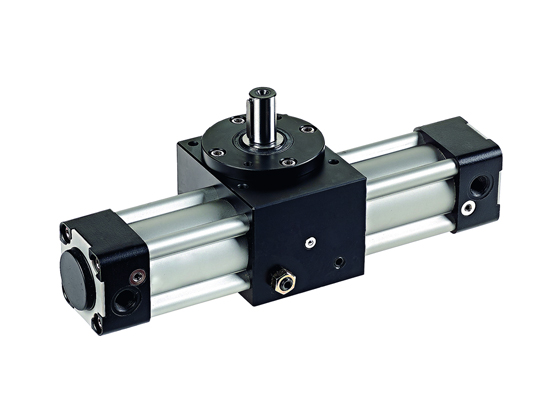
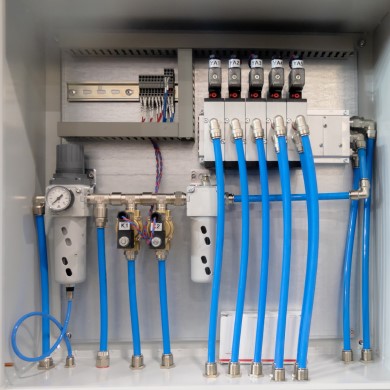
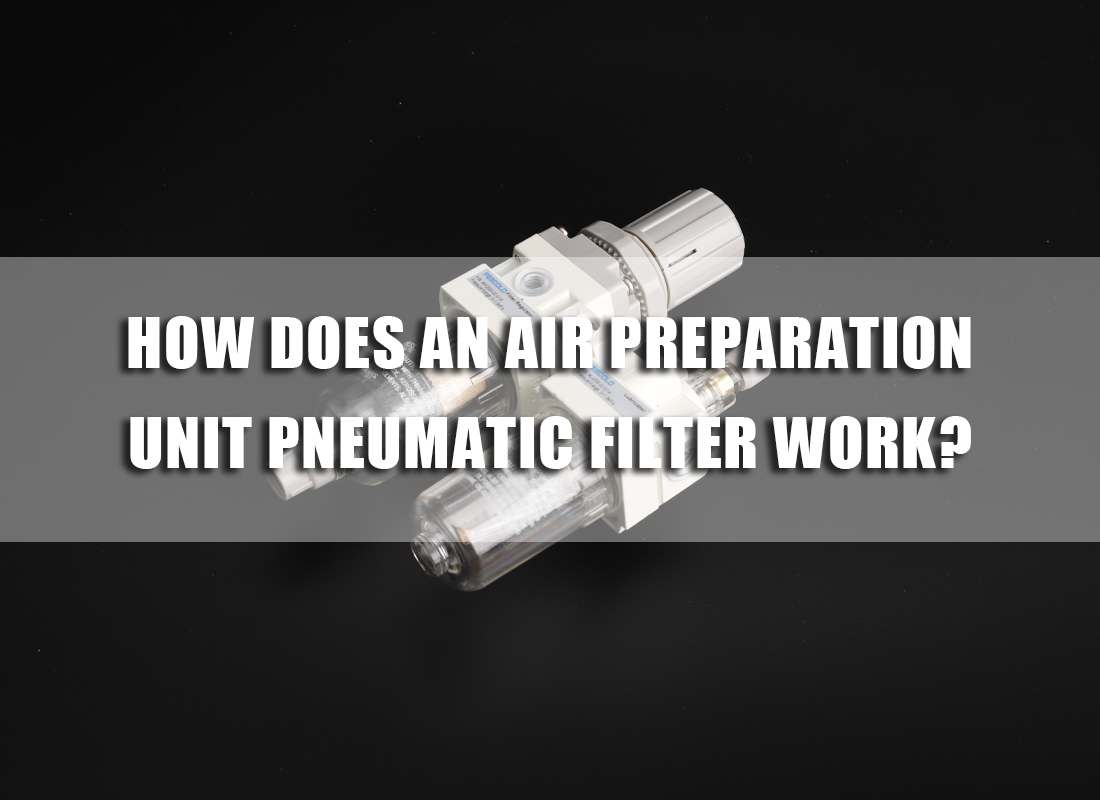
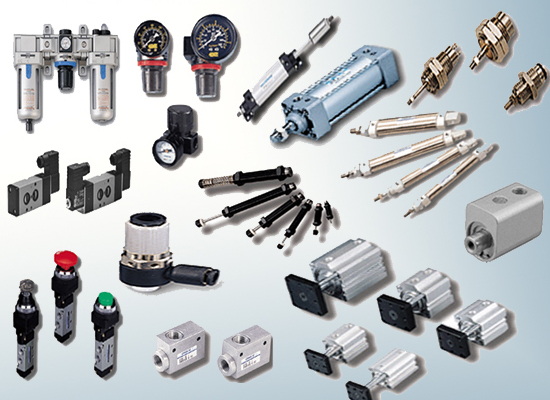
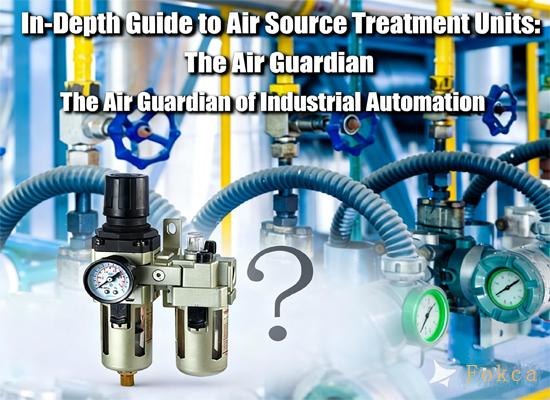
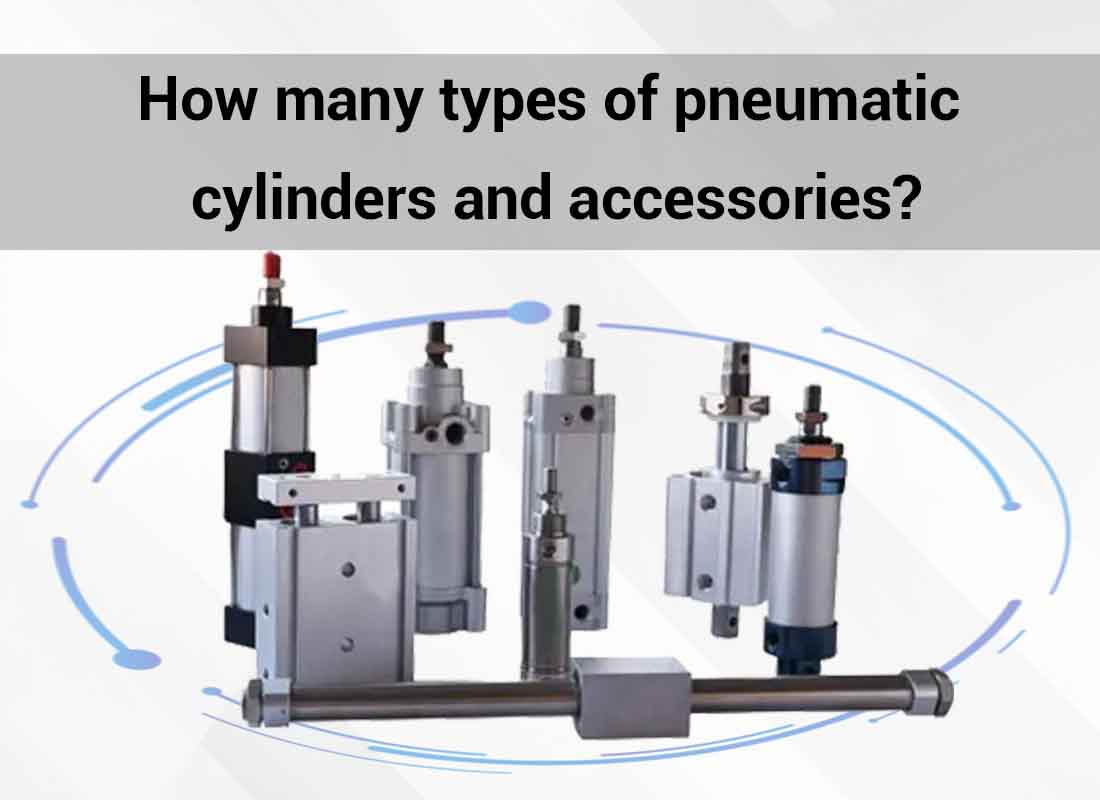
Engineers usually match connectors with other components such as pneumatic cylinders, air preparation units, or pneumatic hoses to maintain consistent airflow throughout the circuit. When air demand is high, choosing a high flow quick coupling helps ensure the entire system performs efficiently.
Practical Selection Tips for Engineers and Buyers
When selecting a pneumatic quick coupling, engineers typically consider both connection size and internal flow design. Systems that rely on high airflow or rapid actuation often benefit from connectors with larger internal passages.
Important selection points include:
1.Air consumption of the equipment
2.Hose diameter and compressor capacity
3.Frequency of tool or hose connection
4.Required airflow stability
By choosing a properly sized air quick connect fitting, manufacturers can reduce pressure loss and improve system response speed. In many industrial pneumatic installations, combining reliable connectors with components such as pneumatic push fittings and air filters helps maintain a stable and efficient compressed air network.
(FK9026)