Mar 12, 2026
In many workshops and production lines, operators frequently switch between pneumatic tools such as impact wrenches, spray guns, and grinders. Without an efficient connection system, every tool change can interrupt workflow and reduce productivity. This is where pneumatic quick coupling systems become essential. By using a reliable air tool quick coupler or air hose quick coupling, technicians can connect or disconnect tools in seconds, reducing air leakage and improving operational efficiency.
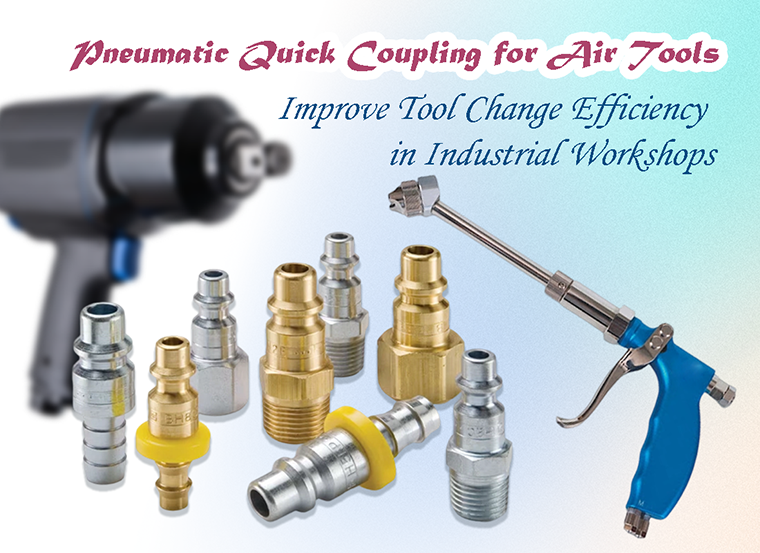
Traditional threaded hose connections require tools and time to tighten or remove fittings. In contrast, a quick connect air fitting uses a sleeve and locking ball mechanism that allows instant connection.
When operators pull back the sleeve of a pneumatic coupler, the air tool hose can be detached immediately. Reconnecting a new tool only requires pushing the plug into the coupler.
This simple mechanism allows tool replacement in seconds, which is particularly valuable in workshops where multiple air tools are used throughout the day.
Many industrial air tools rely on air hose quick coupling connections to simplify daily operations. These connectors allow technicians to move between tools without disconnecting the main air line.
Typical tools include:
1.Pneumatic impact wrenches
2.Spray guns for painting
3.Air grinders and polishers
4.Pneumatic drills
5.Air blow guns
In these applications, a pneumatic quick coupling acts as a flexible interface between the compressed air supply and the tool itself.

The advantage of quick couplers becomes clear when comparing them with traditional threaded connections.
| Connection Method | Tool Change Time | Air Leakage Risk | Maintenance Convenience |
|---|---|---|---|
| Threaded Hose Connection | 1–2 minutes | Medium | Requires tools |
| Air Tool Quick Coupler | 1–3 seconds | Low | Tool-free operation |
As shown above, air tool quick couplers significantly reduce tool switching time, which helps improve productivity in assembly workshops and repair stations.
In industrial production environments, efficiency often depends on how quickly operators can adapt their tools to different tasks. A quick connect air fitting allows workers to switch between tools without stopping the compressed air system.
For example, a technician might use:
1.an impact wrench for assembly
2.a spray gun for coating
3.an air grinder for surface finishing
By installing a pneumatic quick coupling on the air supply hose, each tool can be connected instantly without interrupting the workflow.
When choosing a pneumatic coupler for air tools, engineers and purchasing managers typically evaluate several factors.
Important considerations include:
◆Flow capacity, ensuring the coupler does not restrict airflow
◆Material strength, such as brass or hardened steel
◆Compatibility with common air hose plugs
◆Durability under frequent connection cycles
For example, high-quality air quick connectors are often paired with pneumatic hoses and other components like
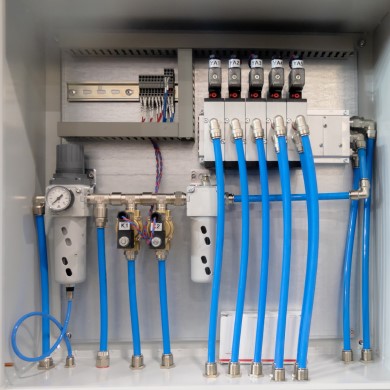
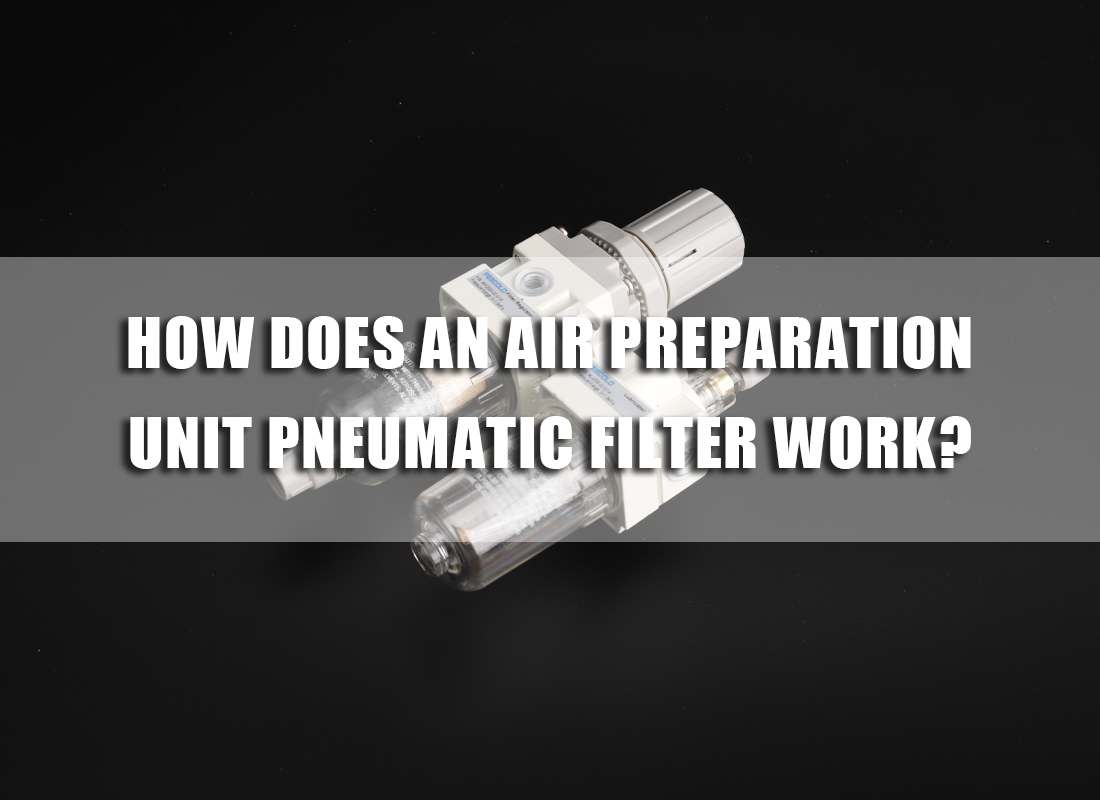
pneumatic air filters or air preparation units to maintain stable air pressure throughout the system.
In most industrial workshops, compressed air systems are designed with multiple connection points so that operators can easily attach different tools. Installing air hose quick coupling interfaces on these lines allows flexible tool usage without complicated installation procedures.
This setup helps factories reduce downtime, simplify maintenance, and improve overall productivity. When integrated with reliable pneumatic components such as pneumatic cylinders or other air control devices, pneumatic quick coupling systems provide a practical and efficient solution for modern industrial air tool operations.
(FK9026)
You May Interest In

Dec 02, 2025 Blog
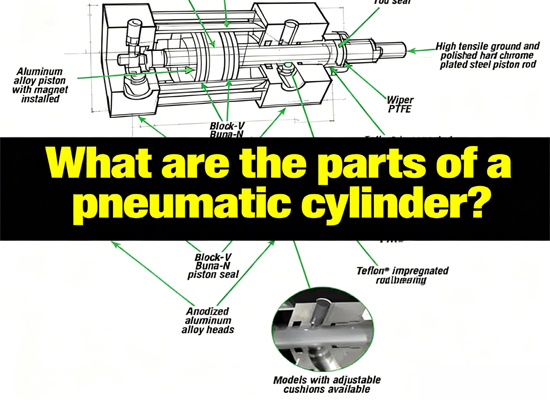
What are the parts of a pneumatic cylinder?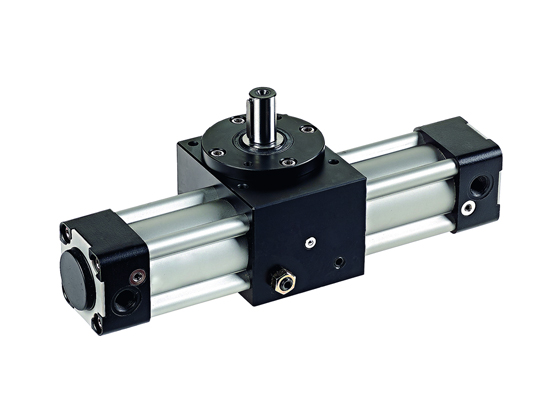





Apr 18, 2025 Blog
What is an Angle Seat Valve?
Get a free sample

Fokca is a brand of Ningbo Fokca Automation Co., Ltd.
Looking for custom pneumatic cylinder solutions? Visit our sister brand, Fescolo.→
© 2026 Ningbo Fokca Automation Co., Ltd. All rights reserved. Sitemap