Dec 09, 2025
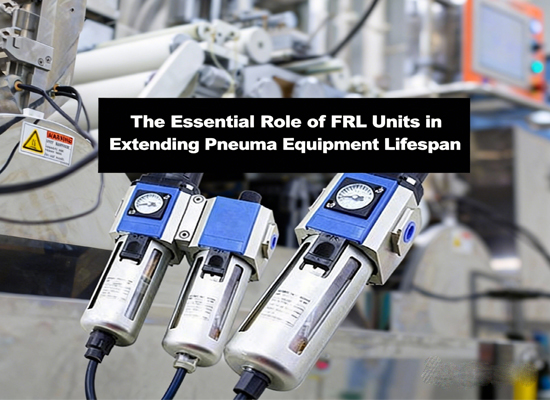
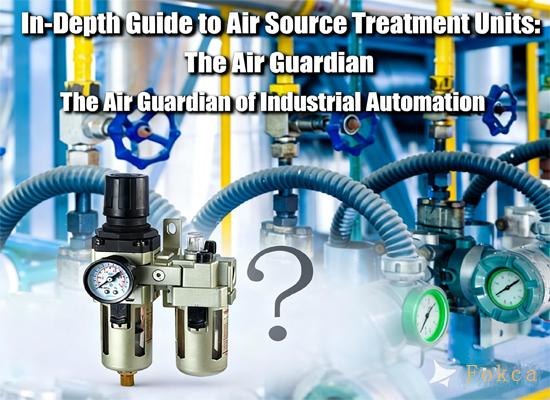
In modern pneumatic systems, maintaining clean, dry, and well-regulated air is essential for achieving consistent performance and operational reliability. FRL units—comprising filters, regulators, and lubricators—serve as the first line of defense against contaminants, pressure fluctuations, and premature component wear.
By conditioning compressed air before it reaches critical components such as cylinders, valves, and actuators, FRL units help ensure smoother motion control, reduce system downtime, and improve overall energy efficiency. Understanding how these devices influence pneumatic performance allows engineers and operators to optimize system design and achieve higher productivity.
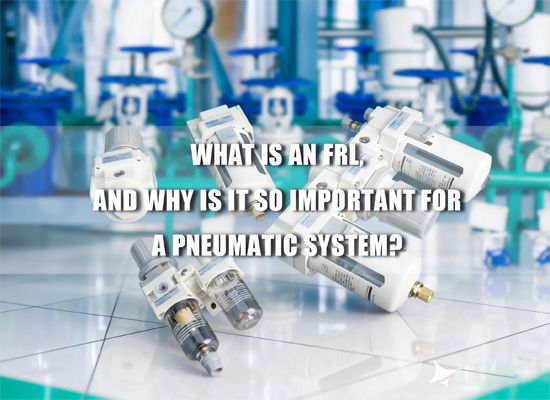
If you're new to the topic and asking, “What is an FRL unit?” here is the most straightforward explanation you'll find:FRL stands for Filter, Regulator, and Lubricator.
Poor Air Quality
Without filters, dust, moisture, and oil mist in the air can enter pneumatic components, causing corrosion, clogging, and malfunctions.
Shortened Tool and Component Life
Cylinders, valves, and other actuators are prone to wear or damage, significantly reducing system lifespan.
Inconsistent Pressure
Without a regulator, pneumatic equipment cannot maintain stable pressure, resulting in inaccurate or unreliable operation.
Increased Maintenance Costs
Frequent part damage and failures lead to constant repairs and replacements, increasing costs.
| Aspect | With FRL | Without FRL |
|---|---|---|
| Air Quality | Clean, dry, and properly lubricated air, reducing contamination | Air may contain dust, water, and oil, leading to contamination |
| Tool Life Span | Longer tool and component life due to clean and lubricated air | Shorter tool life due to wear, corrosion, and contamination |
| Maintenance Cost | Lower maintenance frequency and cost | Higher maintenance frequency and cost due to equipment damage |
| Energy Consumption | More efficient system operation with stable air pressure | Less efficient, possible energy loss due to pressure fluctuations |
| Process Consistency | Stable and reliable operation, consistent output | Inconsistent performance, possible defects or downtime |
| Safety | Reduced risk of failure and accidents | Higher risk of equipment malfunction and safety hazards |
Air handling units are crucial for pneumatic systems and components. Below are website addresses for other common manufacturing categories:
www.motion.com:Supplier of precision motion control and automation solutions.
www.therobotreport.com:Robotics industry news and analysis platform.
www.control.com:Forums, technical articles, and supplier information.
www.automation.com:Industrial automation news, technical information, and supplier directory.
www.controleng.com:Focused on automation equipment, industrial control software, and process control.
www.kawasakirobotics.com:Industrial robot provider for the manufacturing industry.
(9016)
 Pilot Pressure vs Working Pressure in Industrial Valves: Key Differences and Selection Guide
 Water Hammer Explained: Why Angle Seat Valves Are the Optimal Solution
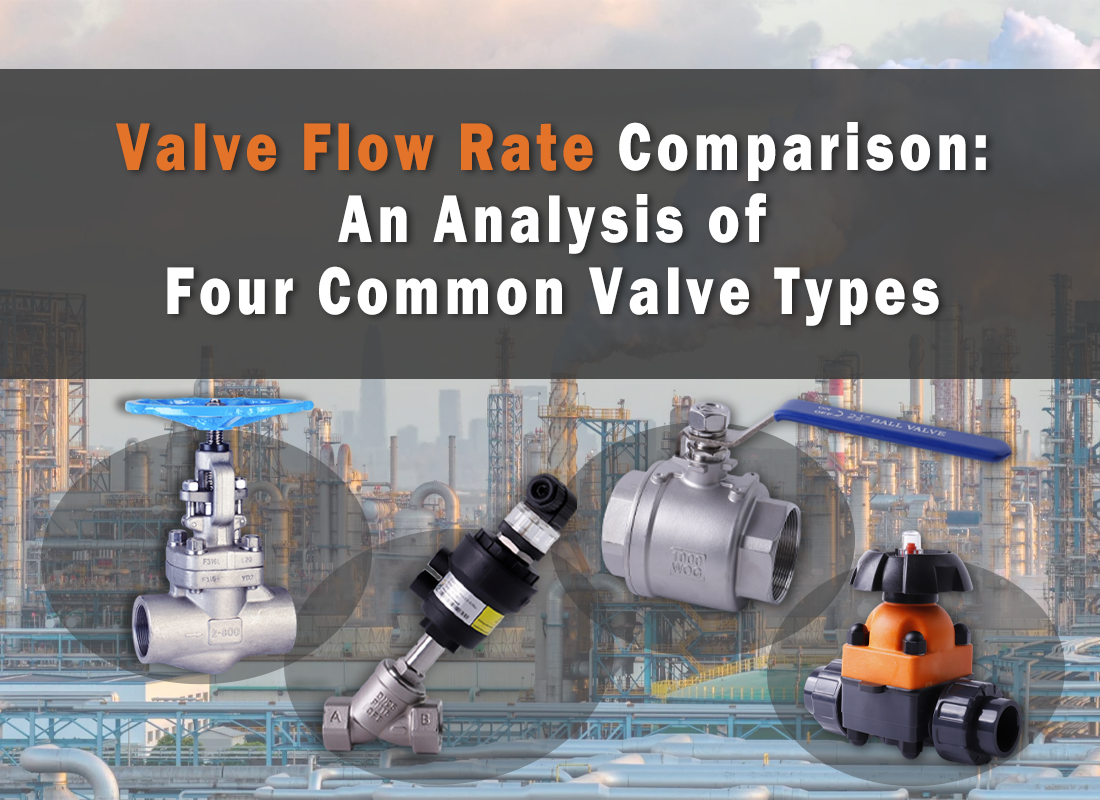 Valve Flow Rate Comparison: An Analysis of Four Common Valve Types
 The Temperature Limit of Valves: How Seal Material Affects Valve Body Performance
 Valve Flow Coefficients CV & KV: Differences Analysis and Selection Guide
You May Interest In
Get a free sample

Fokca is a brand of Ningbo Fokca Automation Co., Ltd.
Looking for custom pneumatic cylinder solutions? Visit our sister brand, Fescolo.→
© 2026 Ningbo Fokca Automation Co., Ltd. All rights reserved. Sitemap