Plastic Pneumatic Fittings vs Brass Pneumatic Fittings for Corrosive Environments
Mar 04, 2026
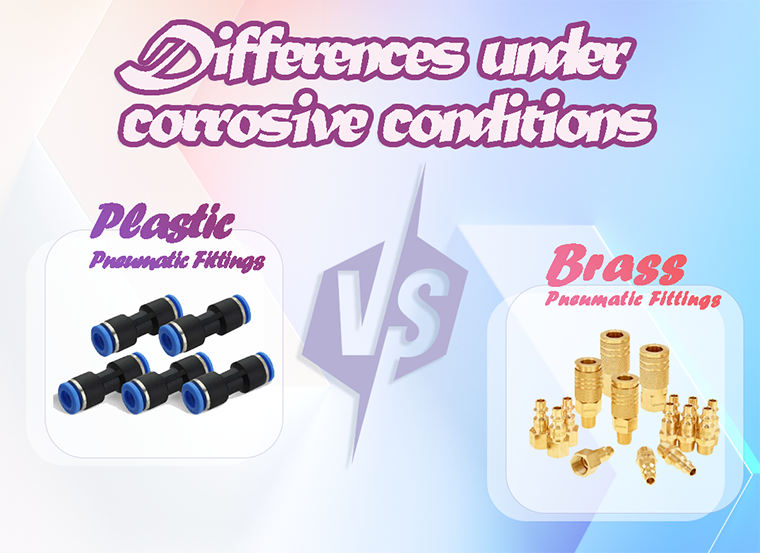
In humid workshops, coastal factories, and food processing plants, corrosion is not just cosmetic—it directly affects air tightness and system stability. Choosing between Plastic Pneumatic Fittings and Brass Pneumatic Fittings becomes critical when long-term reliability is required. While both are widely used as Pneumatic Quick Coupling solutions, their behavior under moisture, salt spray, and mild chemicals differs significantly.
For distributors, equipment engineers, and purchasing managers, understanding these differences helps reduce warranty claims and maintenance costs.
Material Structure: PBT & PA vs Nickel Plated Brass Fittings
The first difference lies in base material composition.
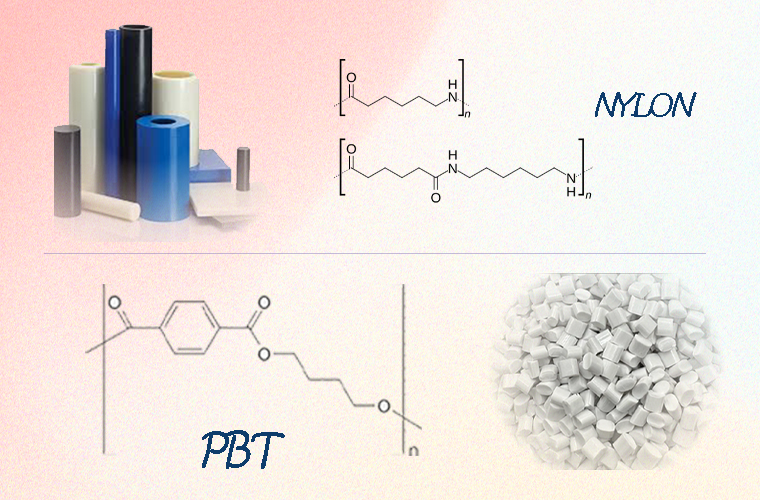
Plastic Pneumatic Fittings are typically made from PBT (Polybutylene Terephthalate) or PA (Nylon). These engineered polymers naturally resist oxidation because they contain no metal elements. In humid air systems, they do not rust, even after years of exposure.
In contrast, Brass Pneumatic Fittings rely on copper-zinc alloy strength. To enhance corrosion resistance, most industrial versions use Nickel Plated Brass Fittings, where a nickel layer protects the brass core from oxidation and surface pitting.
However, plating thickness and quality matter. Thin nickel coatings may wear over time in high-friction environments, exposing the brass underneath.
Performance in Humid and Salt Spray Conditions
Humidity alone is rarely destructive, but salt accelerates corrosion dramatically—especially in coastal factories.
In continuous salt spray conditions:
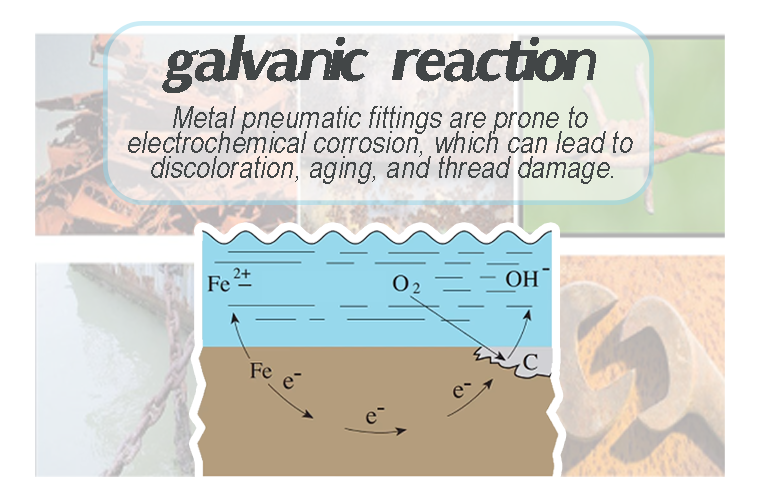
1.Plastic Pneumatic Fittings show no galvanic reaction
2.Nickel Plated Brass Fittings may develop surface discoloration after long-term exposure
3.Threaded brass parts are more vulnerable at micro-scratched areas
According to industrial corrosion testing standards such as those referenced by ASTM International, salt spray testing simulates accelerated aging to evaluate plating durability. In such tests, high-quality nickel plating performs well, but polymer fittings maintain structural stability without oxidation risk.
For outdoor automation cabinets near ports, plastic fittings often reduce long-term maintenance cycles.
Chemical Resistance in Food & Light Industrial Applications
Food machinery and beverage lines require frequent washdowns. Mild detergents and cleaning agents can affect metal surfaces over time.
Plastic Pneumatic Fittings made from PA offer good resistance to diluted alkaline cleaners. This makes them common in packaging lines and low-pressure air systems.
Meanwhile, Brass Pneumatic Fittings provide better mechanical strength and are more suitable for compressed air systems operating above 1.2 MPa. In food-grade environments requiring higher hygiene standards, stainless alternatives are often preferred, but nickel plated brass remains widely used due to cost-performance balance.
For OEM builders supplying packaging machines, selecting fittings often becomes a trade-off between chemical exposure and structural load.
Mechanical Strength and Pressure Capability
Corrosion resistance should never be evaluated without considering pressure ratings.
Property
Plastic Pneumatic Fittings
Brass Pneumatic Fittings
Typical Working Pressure
0–1.0 MPa
0–1.6 MPa
Temperature Range
0–60°C
-10–120°C
Salt Spray Resistance
Excellent
Good (depends on plating)
Impact Resistance
Moderate
High
While Plastic Pneumatic Fittings excel in corrosion immunity, brass fittings provide higher burst strength and impact durability. In high-vibration systems, metal threads maintain torque stability better than polymer threads.
Application Differences: Coastal Equipment vs Food Machinery
In coastal textile factories or marine automation panels, corrosion resistance often outweighs extreme strength. Here, plastic push-in connectors reduce oxidation risk and simplify replacement.
In contrast, heavy-duty assembly lines using Pneumatic Quick Coupling systems for robotic arms often prefer brass due to mechanical rigidity and higher pressure tolerance.
Equipment engineers frequently combine both: plastic fittings for internal control air lines, and brass fittings for main supply manifolds.
Cost Consideration for Distributors and Procurement Teams
From a sourcing perspective, price stability matters.
1.Plastic Pneumatic Fittings generally offer lower raw material cost
2.Nickel Plated Brass Fittings fluctuate with copper market pricing
3.Installation time for push-to-connect fittings remains similar
Distributors targeting OEM clients often stock both categories to cover varying environmental requirements. For example, our Push-to-Connect Pneumatic Fittings line includes both reinforced polymer and nickel plated brass versions for flexible supply solutions.
Selecting between plastic and brass is rarely about which is “better.” It is about matching corrosion exposure, mechanical load, and cost expectations. For equipment engineers and procurement managers, understanding material behavior under real environmental stress ensures longer service intervals and fewer unexpected air leakage issues.