Mar 03, 2026
In compressed air systems, understanding the difference between Air Hose Working Pressure and Burst Pressure is essential for safety and system reliability. Whether you are selecting Polyurethane tubing, or nylon tubing, incorrect pressure evaluation can lead to hose failure, downtime, or safety risks. For equipment engineers, distributors, and procurement managers, choosing the correct Pneumatic Tubing starts with understanding these two pressure ratings.
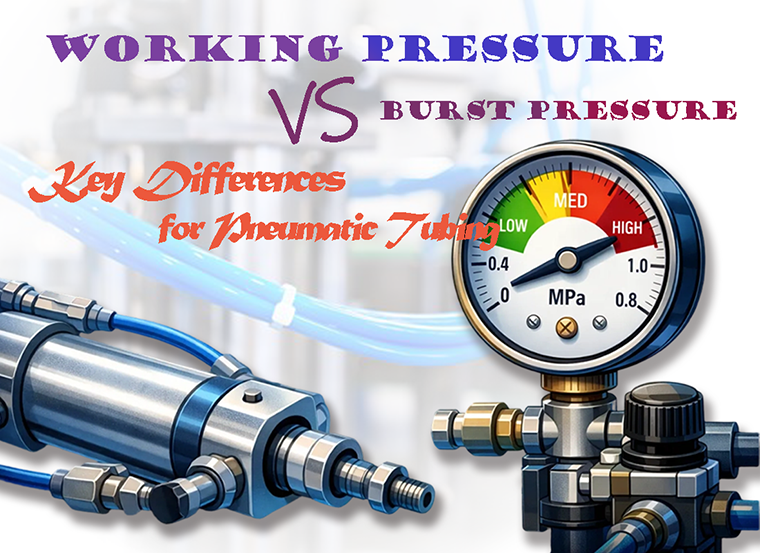
Working Pressure (also called maximum operating pressure) refers to the maximum pressure that an Air Hose can continuously handle during normal operation.
This value is determined under controlled testing conditions and typically includes a built-in safety factor. For example:
◆A PU tuberated at 10 bar working pressure is designed to operate safely at 10 bar continuously.
◆Exceeding this rating over time may shorten service life.
Working Pressure is the safe operating limit — not the maximum limit.
Engineers should always ensure that system pressure remains below the rated working pressure of the hose.
Burst Pressure is the pressure at which the hose will physically rupture under laboratory testing conditions.
It represents the maximum failure threshold, not a usable value.
For most Pneumatic Tubing, burst pressure is typically 3 to 4 times higher than working pressure. For example:
| Material | Working Pressure | Burst Pressure |
|---|---|---|
| Polyurethane tubing | 10 bar | 30–35 bar |
| Nylon tubing (PA12) | 15 bar | 45–60 bar |
As shown above, Burst Pressure is a safety margin indicator, not a recommended operating condition.
Operating near burst pressure can cause sudden hose rupture.
Different materials perform differently under pressure.
◆Excellent flexibility
◆Good abrasion resistance
◆Moderate pressure resistance
◆Ideal for dynamic automation systems
◆Higher rigidity
◆Superior pressure resistance
◆Better for high-pressure pneumatic lines
If your system runs at higher compressed air pressure (above 12–15 bar), nylon tubing is generally more suitable. For flexible robotic arms or compact routing, PU hose offers better bending performance.
Selecting between pu tube and nylon depends on both pressure requirements and mechanical movement conditions.
Most manufacturers design Air Hose products using a 3:1 or 4:1 safety ratio between working and burst pressure.
Example:
◆Working Pressure: 12 bar
◆Burst Pressure: 48 bar
◆Safety Ratio: 4:1
This safety margin accounts for:
◆Pressure spikes
◆Temperature variations
◆Long-term material fatigue
A proper safety ratio ensures long-term system stability.
Engineers should also consider ambient temperature, as higher temperatures reduce effective working pressure.
When selecting Pneumatic Tubing, consider the following checklist:
1.Confirm your system’s maximum operating pressure.
2.Select a hose with a working pressure at least 20–30% higher than actual system pressure.
3.Consider temperature derating factors.
4.Verify material compatibility (oil resistance, flexibility needs).
For high-pressure industrial systems, explore our [nylon tubing solutions].
For flexible automation setups, check our [Polyurethane tubing range].
Understanding the difference between Working Pressure and Burst Pressure helps prevent over-specification and under-specification.
Working Pressure defines safe operation. Burst Pressure defines failure limits.
For distributors and procurement managers, clearly communicating these differences to end users can reduce warranty claims and improve system reliability.
If you are unsure which Air Hose fits your compressed air application, reviewing material properties of PU hose and nylon tubing is the first step toward safer pneumatic system design.
For detailed specifications, visit our full Pneumatic Tubing product catalog.
(FK9026)
You May Interest In

Dec 02, 2025 Blog
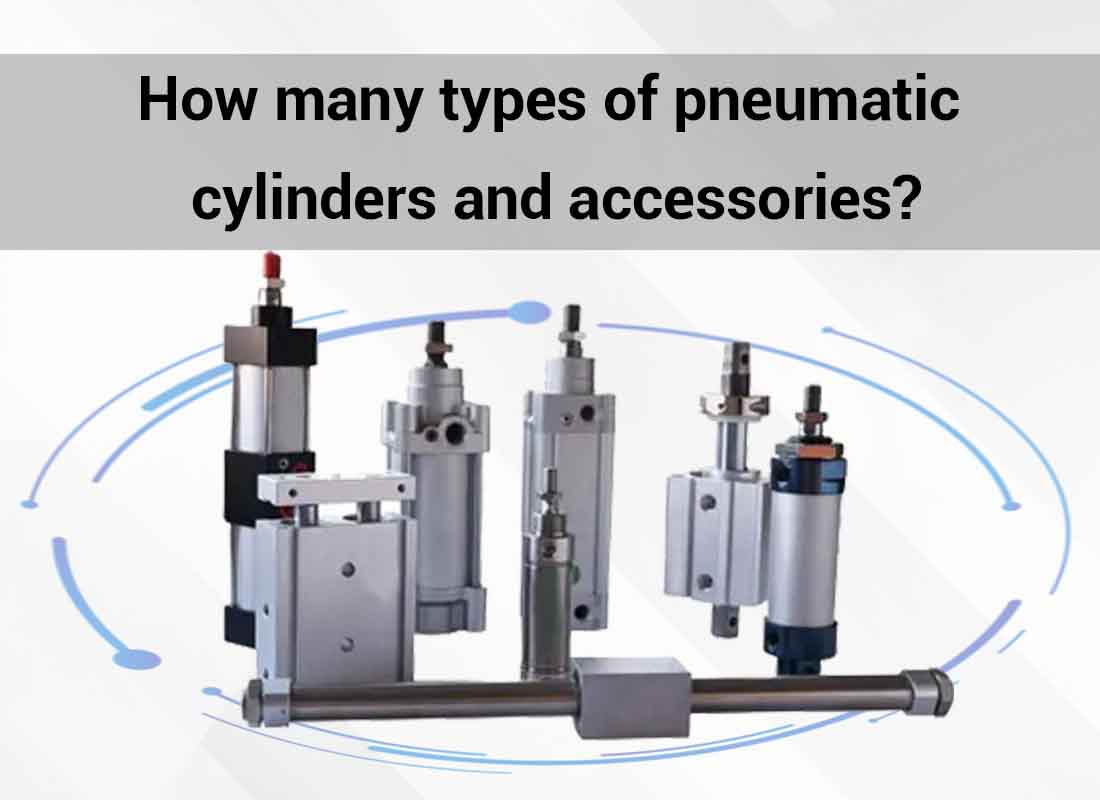
What are the parts of a pneumatic cylinder?


Apr 18, 2025 Blog
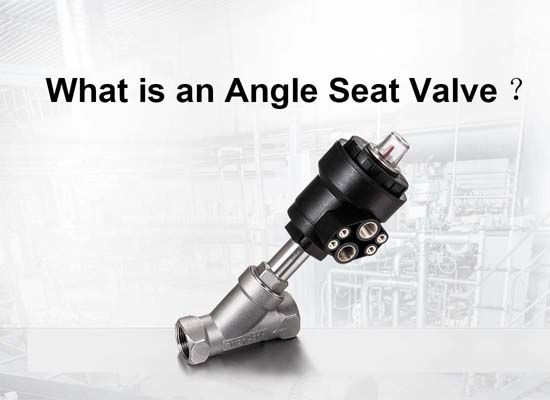
What is an Angle Seat Valve?
Get a free sample

Fokca is a brand of Ningbo Fokca Automation Co., Ltd.
Looking for custom pneumatic cylinder solutions? Visit our sister brand, Fescolo.→
© 2026 Ningbo Fokca Automation Co., Ltd. All rights reserved. Sitemap