Feb 27, 2026
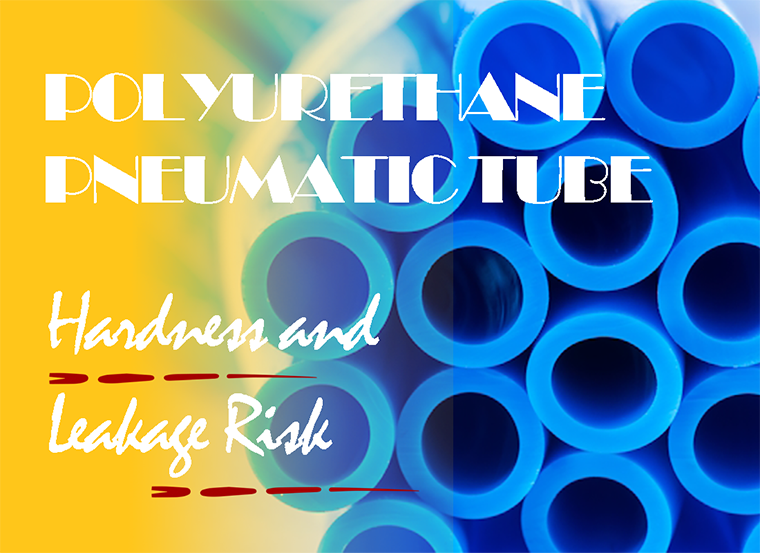
In compressed air systems, leakage rarely starts from dramatic rupture. It usually begins at the connection point—between the Polyurethane Pneumatic Tube and the fitting. For equipment engineers, distributors, and purchasing managers, understanding how PU hardness influences sealing stability and long-term deformation is essential. The relationship between PU Air Hose rigidity and Pneumatic Tubing Leakage risk directly affects energy consumption, maintenance cost, and system reliability.
The interface between tubing and PU Tube Fittings depends on controlled compression. When the tube is inserted into a push-in fitting, an internal claw grips the outer wall while an O-ring creates radial sealing pressure.
If the Polyurethane Pneumatic Tube is too soft, it may deform excessively under clamping force. If it is too hard, it may not fully conform to the O-ring surface.
Optimal hardness ensures balanced compression without structural collapse.
In general:
◆Lower Shore hardness (e.g., 85A) → better surface conformity
◆Higher Shore hardness (e.g., 98A) → stronger dimensional stability
In static installations, harder tubing maintains shape under sustained pressure, reducing micro-movement at the fitting interface.
Over time, constant pressure at the fitting connection causes material creep. This is where hardness becomes critical in preventing Pneumatic Tubing Leakage.
Compression set refers to permanent deformation after prolonged stress. Softer PU Air Hose tends to exhibit higher compression set in high-pressure environments, which may gradually reduce sealing force.
| Property | Softer PU (85A) | Harder PU (98A) |
|---|---|---|
| Initial Seal Conformity | Excellent | Good |
| Compression Set Resistance | Moderate | Strong |
| Shape Retention | Medium | High |
| Leakage Risk (High Pressure) | Higher over time | Lower |
According to industrial air system efficiency studies (industry report source type), undetected micro-leakage can increase energy consumption by 10–20% annually.
Hardness directly influences long-term sealing reliability.
Not all PU Tube Fittings behave identically. Brass push-in fittings, stainless steel connectors, and composite polymer fittings apply different clamping forces.
When pairing softer Polyurethane Pneumatic Tube with aggressive metal claws, excessive indentation may occur. Conversely, very rigid tubing combined with low-tension fittings may result in insufficient sealing pressure.
For high-vibration equipment, engineers often match medium-to-high hardness tubing with reinforced push-in connectorsto stabilize the connection.
Air quality standards published by ISO emphasize consistent pressure control and material compatibility to reduce system leakage risk.
Hardness alone does not determine leakage. Temperature and chemical exposure also affect PU Air Hose behavior.
1.High temperatures accelerate material relaxation
2.Oil-contaminated air can soften tubing walls
3.Repeated vibration amplifies creep deformation
In hot industrial environments, softer Polyurethane Pneumatic Tube may lose radial strength faster, increasing the probability of slow air escape at fittings.
Integrating proper pneumatic air filtration systems (internal link) significantly reduces contamination-related softening.
For distributors serving OEM clients, stocking multiple hardness options provides flexibility for varied applications. Equipment engineers should evaluate:
1.Operating pressure range
2.Continuous clamping duration
3.Vibration intensity
4.Ambient temperature
For purchasing managers, selecting the correct hardness is not just about price per meter. Lower leakage risk translates directly into lower lifetime operating cost.
Air leakage in pneumatic systems is often invisible but financially significant. By understanding how Polyurethane Pneumatic Tube hardness influences compression stability and sealing behavior, engineers and distributors can make informed decisions that protect system efficiency and reduce unexpected downtime.
(FK9026)
You May Interest In

Dec 02, 2025 Blog
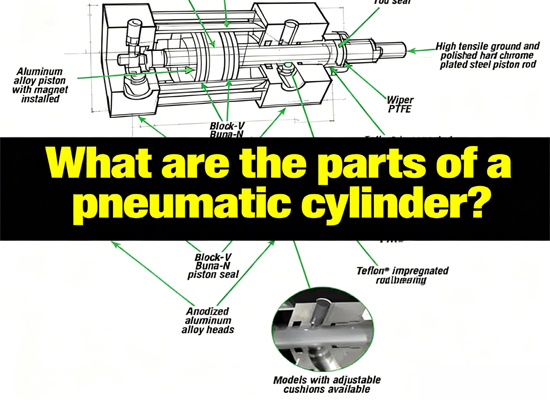
What are the parts of a pneumatic cylinder?
Apr 18, 2025 Blog
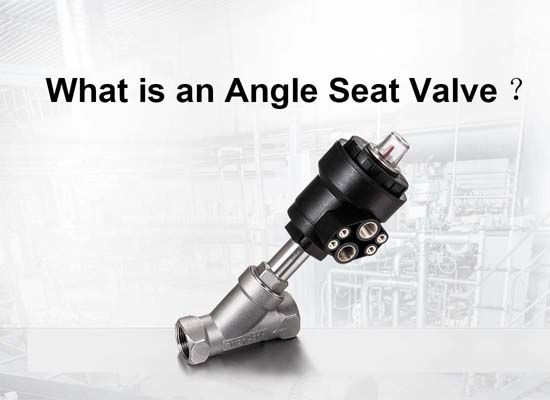
What is an Angle Seat Valve?
Get a free sample

Fokca is a brand of Ningbo Fokca Automation Co., Ltd.
Looking for custom pneumatic cylinder solutions? Visit our sister brand, Fescolo.→
© 2026 Ningbo Fokca Automation Co., Ltd. All rights reserved. Sitemap