Mar 06, 2026
In modern fluid and pneumatic systems, material selection significantly affects weight, corrosion resistance, and maintenance costs. PP Polypropylene Tube offers an attractive alternative for low-pressure, non-structural piping, especially in applications where metal pipes may be over-specified. Understanding its benefits and limitations helps engineers, distributors, and procurement managers make practical choices without exaggerating “full replacement” claims.
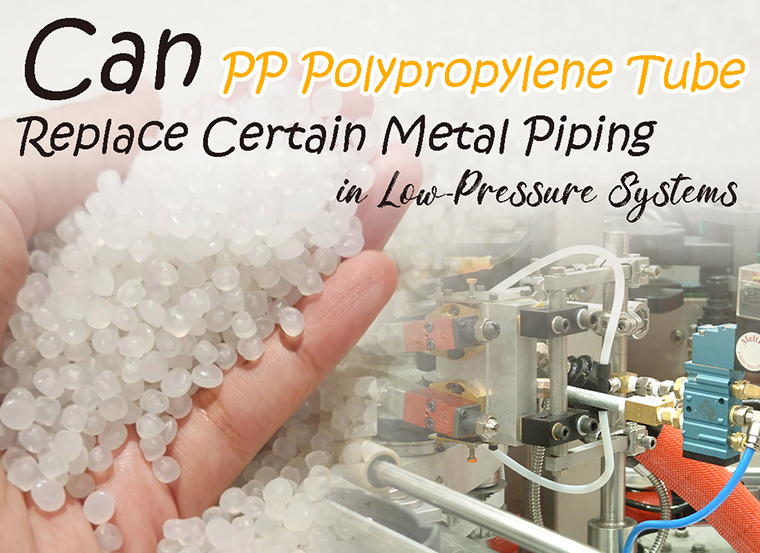
Polypropylene tube is inherently resistant to most chemicals and corrosion, unlike many metals that require coatings or special alloys. In industrial water supply, chemical dosing lines, or low-pressure air systems, PP tubing reduces the risk of corrosion-related failures. While metals such as stainless steel excel in high-pressure structural applications, PP offers a lightweight, low-maintenance solution for appropriate systems.
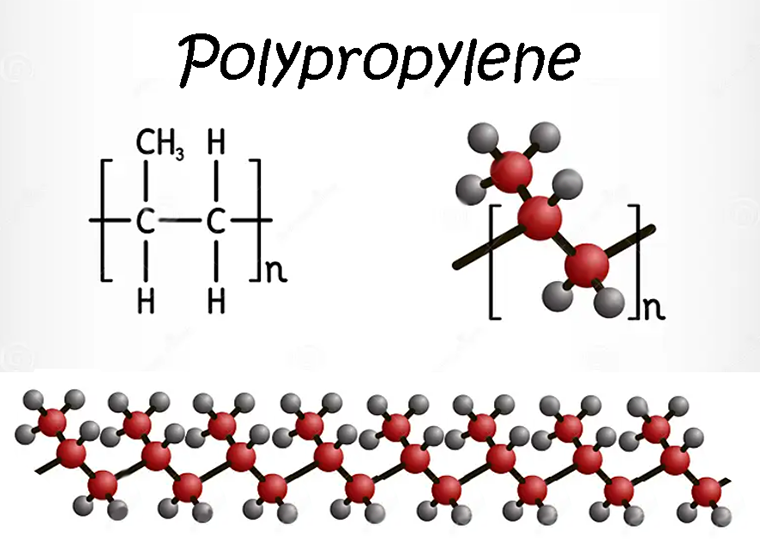
A key advantage of PP Polypropylene Tube is its lightweight nature, typically 60–70% lighter than steel piping of the same diameter. This not only eases handling during installation but also reduces supporting structure requirements. For distributors and installers, this translates into faster assembly, lower labor costs, and fewer lifting hazards.
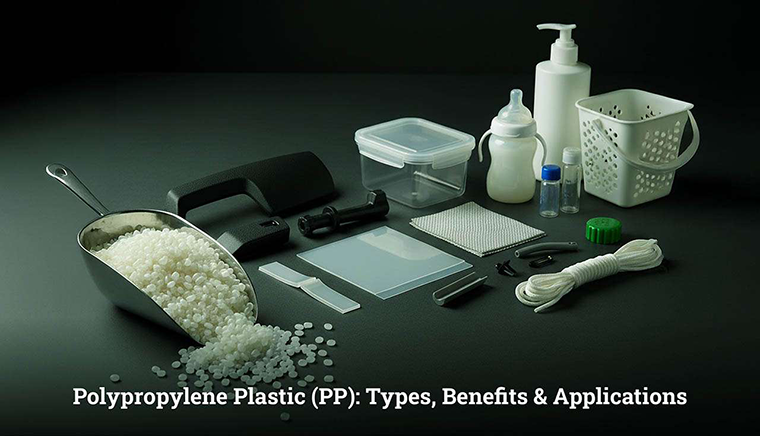
Polyolefin pipe performs reliably under low to moderate pressures, but is not suitable for high-pressure or load-bearing pipelines. Its maximum continuous operating temperature is usually around 80°C, while metals can withstand higher thermal and mechanical stresses. Recognizing these limits ensures safe and reliable system operation when replacing metal with PP tubing.
| Feature | PP Polypropylene Tube | Typical Metal Pipe |
|---|---|---|
| Corrosion Resistance | Excellent | Moderate (requires protection) |
| Weight | 60–70% lighter | Heavier |
| Max Operating Temperature | ~80°C | Up to 200°C+ |
| Pressure Rating | Low to medium | High |
| Maintenance | Minimal | Periodic inspection |
Table highlights practical comparison between PP tubing and common metal pipes.
PP tubing reduces maintenance frequency thanks to its chemical resistance and smooth internal surface, preventing scale or corrosion buildup. For low-pressure industrial lines, this can result in lower total cost of ownership compared to metal piping, which may require cleaning, coatings, or replacement over time.
Suitable applications for PP Polypropylene Tube include:
◆Compressed air lines below moderate pressure
◆Chemical dosing pipelines
◆on-structural water or process fluid lines
It is important to note that PP is not intended to fully replace all metal piping, especially in high-pressure, structural, or high-temperature systems. By carefully matching the material to the system requirements, distributors and engineers can offer solutions that balance cost, weight, and corrosion protection.
For detailed guidance on selecting PP tubing and polyolefin pipe solutions, FOKCA provides a range of Polypropylene Tube options tailored for industrial and low-pressure applications.
(FK9026)
You May Interest In

Dec 02, 2025 Blog
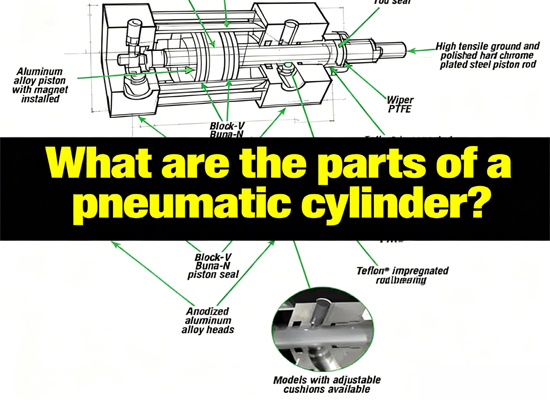
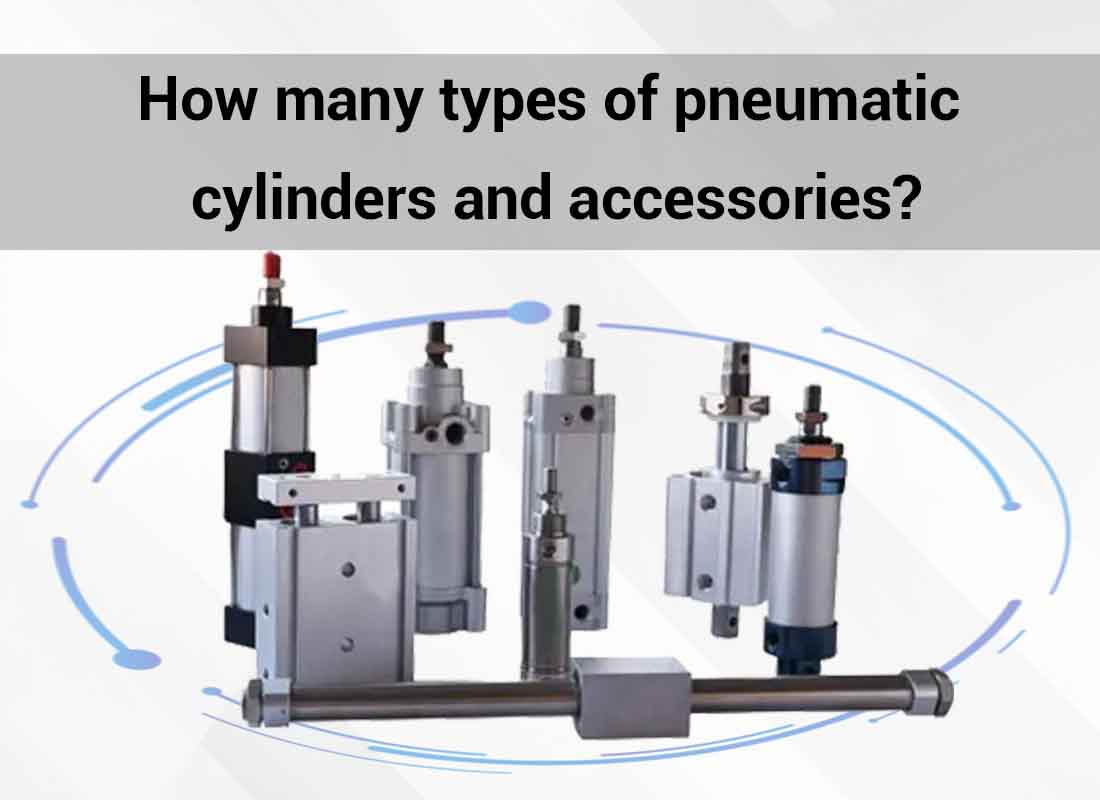
What are the parts of a pneumatic cylinder?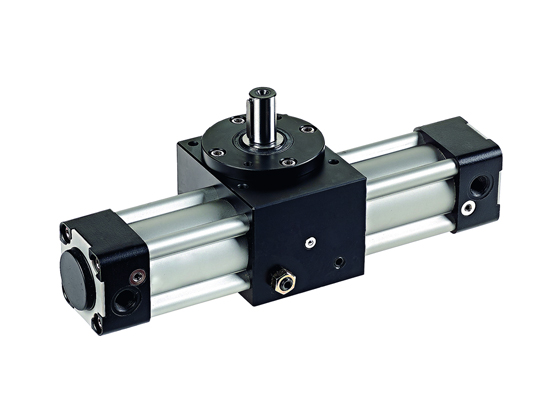
Apr 18, 2025 Blog
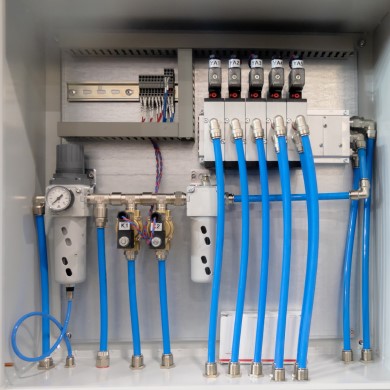
What is an Angle Seat Valve?
Get a free sample

Fokca is a brand of Ningbo Fokca Automation Co., Ltd.
Looking for custom pneumatic cylinder solutions? Visit our sister brand, Fescolo.→
© 2026 Ningbo Fokca Automation Co., Ltd. All rights reserved. Sitemap