Feb 25, 2026
In humid factories and washdown areas, Mini Push In Fittings with plastic bodies often face long-term aging challenges. Moisture penetration, temperature fluctuation, and cleaning cycles can gradually weaken plastic pneumatic fitting structures. While plastic connectors are economical and lightweight, high humidity accelerates material degradation, especially in water treatment and food processing equipment where condensation is common.
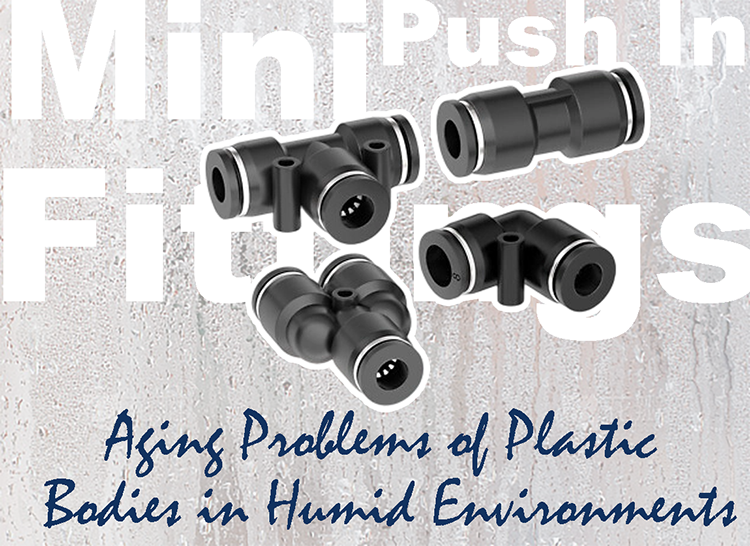
Most Mini Push In Fittings with plastic bodies use PBT or nylon materials. These plastics offer good mechanical strength, but prolonged exposure to moisture affects their stability.
Typical moisture-related effects include:
| Material | Moisture Absorption | Typical Effect | Long-Term Risk |
|---|---|---|---|
| PBT | Low to moderate | Surface dulling | Reduced impact resistance |
| Nylon (PA) | Moderate to high | Dimensional expansion | Seal stress changes |
Moisture absorption may cause slight dimensional changes around the sealing area. Small deformation can reduce sealing reliability, especially in compact mini air connector designs.
In humid environments, aging does not usually appear immediately. Instead, slow degradation occurs through repeated moisture exposure and drying cycles.
Typical problems include:
◆Micro cracking around threads
◆Reduced locking strength
◆Release ring deformation
◆Seal instability
These effects are more noticeable when mini push in fittings are installed near compressors, cooling lines, or washdown zones where condensation frequently forms.
Moisture-driven aging is often gradual and difficult to detect early.
Metal-body connectors provide better long-term stability in humid environments. Compared with plastic designs, brass push in fitting products maintain dimensional stability regardless of humidity.
Key advantages include:
◆Stable mechanical strength
◆No moisture absorption
◆Better thread durability
◆Improved sealing consistency
Nickel-plated brass fittings provide additional surface protection against corrosion while maintaining good machinability.
Moisture exposure is common in water treatment and food processing equipment. Mini Push In Fittings used in these industries must withstand continuous humidity and frequent cleaning.
Typical material selection guidelines include:
| Application | Recommended Material | Reason |
|---|---|---|
| Water treatment equipment | Nickel-plated brass fittings | Corrosion resistance |
| Food processing machines | Stainless steel fittings | Hygiene and durability |
| General humid environments | Moisture resistant fittings | Balanced cost and reliability |
Metal fittings are particularly suitable where connectors remain installed for long periods without maintenance.
Reliable performance in humid conditions depends largely on material selection. Systems using plastic connectors may benefit from upgrading to more stable materials.
Available options typically include:
◆Plastic pneumatic fitting designs for dry environments
◆Nickel-plated brass connectors
◆Stainless steel connectors
◆Multiple thread standards and tube sizes
For humid installations combined with valves and regulators, stable connectors help maintain consistent airflow and reduce leakage risks. Properly selected Mini Push In Fittings provide longer service life and improved sealing stability, especially in demanding industrial environments.
(FK9026)
You May Interest In

Dec 02, 2025 Blog
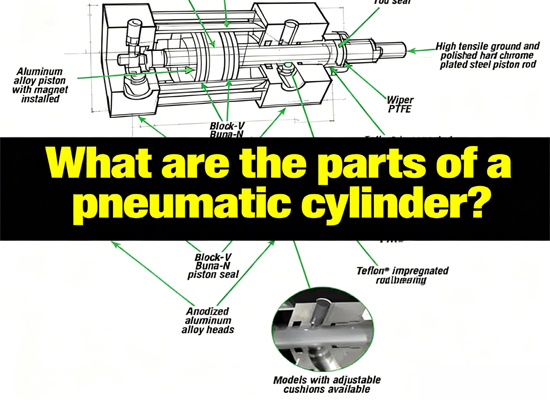
What are the parts of a pneumatic cylinder?
Apr 18, 2025 Blog
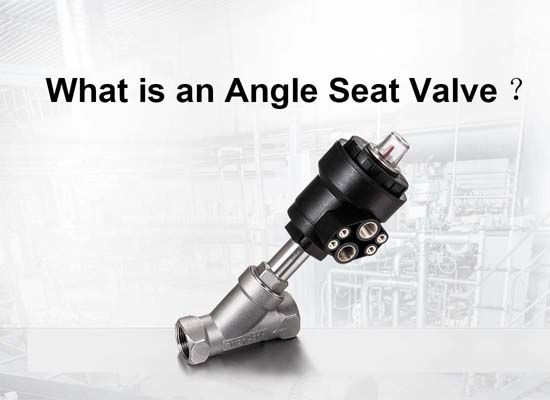
What is an Angle Seat Valve?
Get a free sample

Fokca is a brand of Ningbo Fokca Automation Co., Ltd.
Looking for custom pneumatic cylinder solutions? Visit our sister brand, Fescolo.→
© 2026 Ningbo Fokca Automation Co., Ltd. All rights reserved. Sitemap