Sep 01, 2026
A diaphragm valve is a fluid control valve that uses a flexible diaphragm to regulate or shut off flow. Unlike conventional valves that rely on a plug, ball, or disc to contact the seat, a diaphragm valve presses a flexible membrane against the valve body's sealing area.
The diaphragm separates the operating mechanism from the process medium, reducing direct contact between internal mechanical components and the fluid. This design makes diaphragm valves particularly useful in applications involving corrosive liquids, slurries, contaminated fluids, or hygienic process requirements. Depending on the construction and actuator, diaphragm valves can be used for shutoff and certain flow regulation tasks.
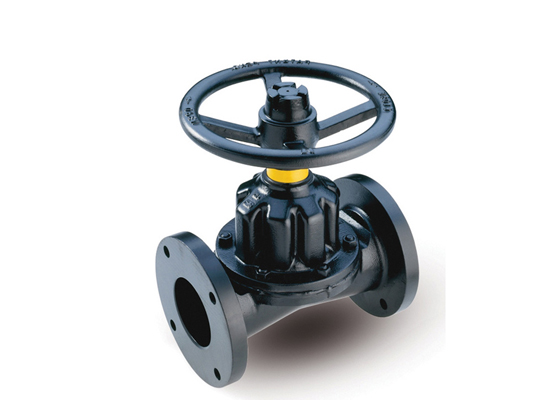
The diaphragm forms the primary sealing barrier between the fluid and the upper valve mechanism. When the valve closes, the membrane presses against the weir or seat to stop flow. Because the valve stem does not directly contact the process medium, the design helps reduce leakage paths and protect operating components from contamination.
Actual sealing performance depends on diaphragm condition, material compatibility, pressure, installation, and operating frequency.
Diaphragm valves are available with different body linings and diaphragm materials, including elastomers and PTFE-based materials. When properly selected, these materials can handle certain corrosive chemicals and fluids containing suspended solids.
Their relatively unobstructed flow path and absence of complex internal moving parts make them less prone to blockage in some slurry applications. However, abrasive particles may still cause diaphragm wear, and material compatibility must be evaluated against the actual medium.
Some diaphragm valve designs feature smooth internal surfaces and reduced areas where product can accumulate. The diaphragm isolates the upper mechanism from the fluid, which can help prevent contamination.
Sanitary diaphragm valves used in food, pharmaceutical, and biotechnology processes may support CIP (Cleaning in Place) or SIP (Sterilization in Place). These capabilities depend on the valve's design, surface finish, materials, and certified operating conditions rather than being inherent to every diaphragm valve.
The diaphragm is a replaceable wear component. When it becomes damaged, fatigued, or chemically degraded, maintenance personnel can replace it without necessarily removing the entire valve from the pipeline.
This arrangement simplifies routine servicing and reduces exposure of the actuator or stem assembly to corrosive media. However, diaphragm replacement intervals depend on pressure, temperature, chemical exposure, and cycling frequency.
Diaphragm valves have several operating limitations:
● Temperature and pressure: The diaphragm material limits the allowable operating range. High temperature, pressure, and repeated cycling can accelerate fatigue.
● Flow capacity: Weir-type designs create a raised flow path that may increase pressure loss compared with full-bore ball or gate valves.
● Control precision: Standard diaphragm valves are primarily designed for shutoff. Some can regulate flow, but precise control depends on valve design, actuator, positioning system, and flow characteristics.
● Size and cost: Large-diameter diaphragm valves may require stronger diaphragms and larger actuators, increasing installation space and cost.
| Valve Type | Main Advantages | Main Limitations |
| Ball valve | Fast quarter-turn operation, low flow resistance, tight shutoff | Certain designs may trap particles; sealing materials must suit the medium |
| Gate valve | Low pressure loss when fully open, suitable for isolation in larger pipelines | Slow operation; not ideal for throttling |
| Butterfly valve | Compact, lightweight, economical for large pipe sizes | Disc remains in the flow path; sealing and media suitability vary |
| Globe valve | Better suited to throttling and flow regulation | Higher pressure loss; internal parts may wear in contaminated service |
| Diaphragm valve | Medium isolation, convenient diaphragm replacement, useful for slurry and corrosive service | Diaphragm limitations in pressure, temperature, fatigue, and flow capacity |
Diaphragm valves are often selected for chemical processing because suitable diaphragm and body materials can provide resistance to specific corrosive media.
In food and pharmaceutical production, sanitary diaphragm valve designs are used where cleanability, product isolation, and contamination control are important. Water and wastewater treatment facilities also use diaphragm valves for handling sludge, suspended particles, and certain chemical dosing fluids.
Selecting the right valve requires more than comparing its structure. The medium, operating pressure, temperature, flow rate, sealing requirements, cleaning method, and maintenance conditions should all be evaluated together. A diaphragm valve is especially valuable when fluid isolation and material compatibility are more important than achieving the lowest possible flow resistance.
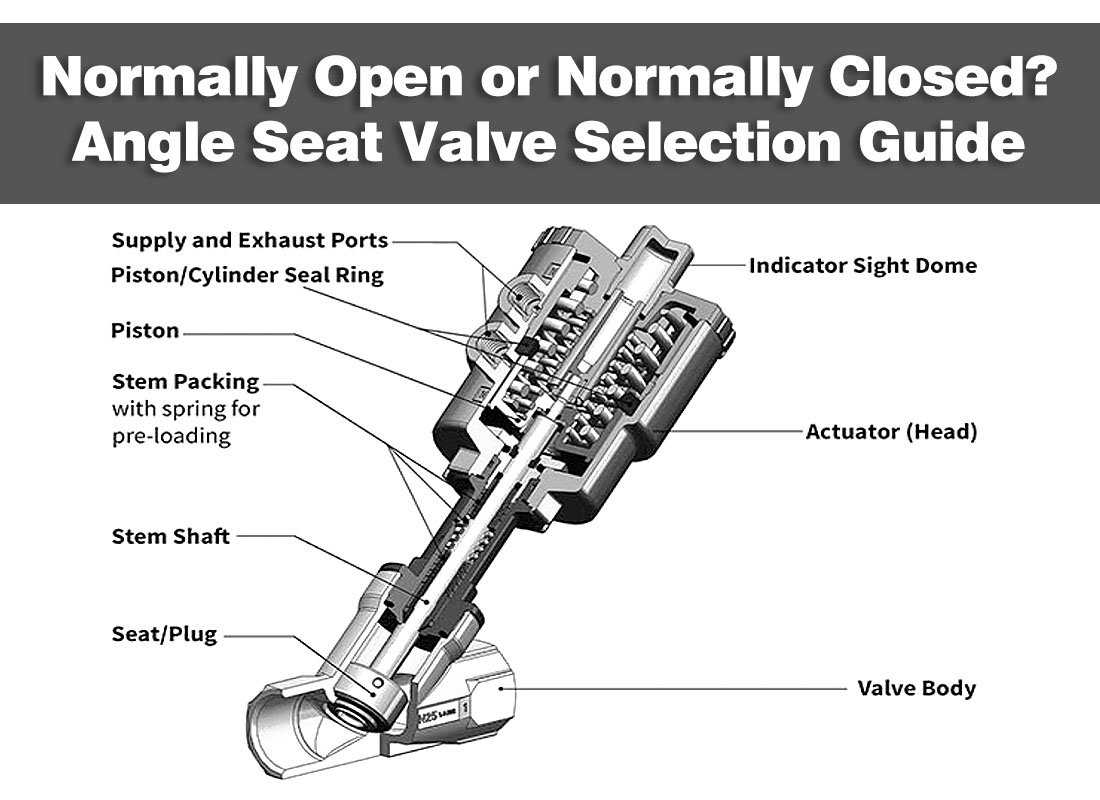 Normally Open or Normally Closed? Angle Seat Valve Selection Guide
 Why CNC Coolant Systems Prefer VNC Valves? A Reliable Solution for Leak Prevention
 VNB Process Valves: An Efficient Solution for Multi-Purpose Fluid Control
 Valve Freezing Prevention Tips for Winter Maintenance
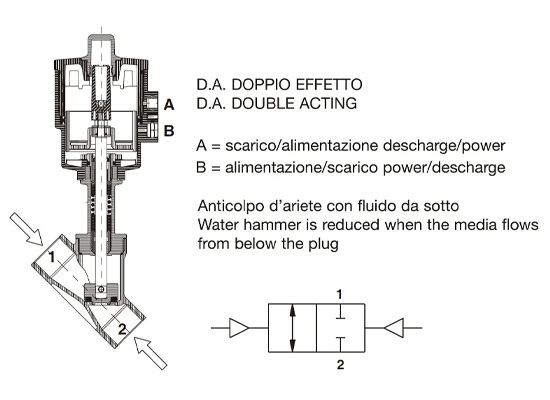 How to determine valve seat angle
You May Interest In

Dec 02, 2025 Blog
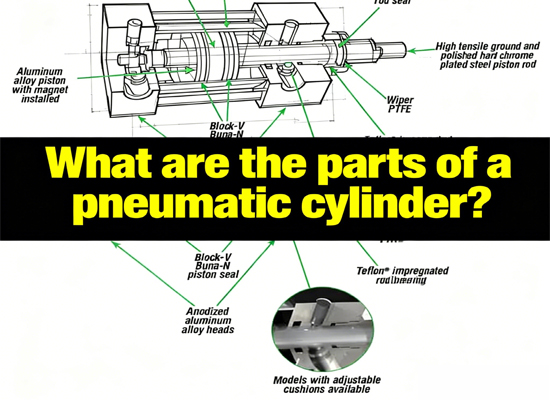
What are the parts of a pneumatic cylinder?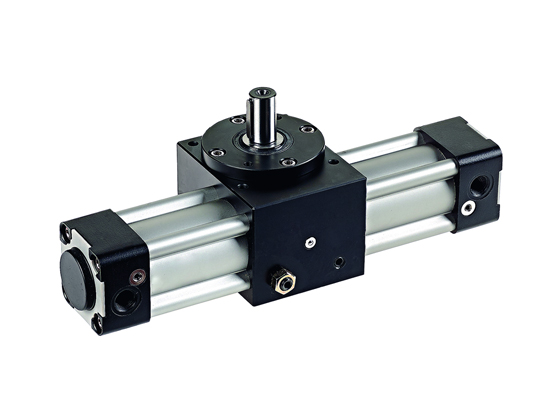
Apr 18, 2025 Blog
What is an Angle Seat Valve?
Get a free sample

Fokca is a brand of Ningbo Fokca Automation Co., Ltd.
Looking for custom pneumatic cylinder solutions? Visit our sister brand, Fescolo.→
© 2026 Ningbo Fokca Automation Co., Ltd. All rights reserved. Sitemap