Sep 02, 2026
Diaphragm valves rely on a flexible membrane to control fluid flow and isolate the process medium from the valve's operating mechanism. The diaphragm is both a moving component and a sealing element, making its condition directly related to valve performance, leakage prevention, and operating reliability.
Although diaphragm valves generally have a relatively simple structure, the diaphragm is exposed to repeated deformation, pressure fluctuations, chemical contact, and temperature changes. Regular inspection and proper replacement are therefore essential to maintaining stable operation.
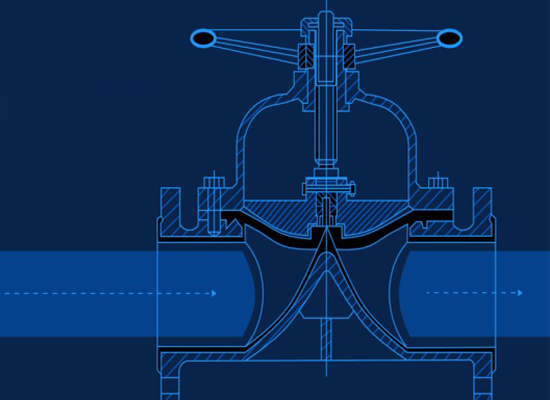
The diaphragm is installed between the valve body and bonnet, where it moves in response to the actuator or handwheel. During closing, it presses against the valve seat or weir to restrict fluid flow. When lifted, it allows the medium to pass through the valve body.
Its main advantages include:
● Replaceable construction: The diaphragm can usually be replaced separately without changing the entire valve.
● Medium isolation: It separates the process fluid from the stem and upper operating mechanism.
● Adaptable materials: Different elastomers and polymer materials can be selected for specific chemical and temperature conditions.
● Sealing capability: The flexible membrane conforms to the seating area, supporting effective shutoff when properly selected and maintained.
These characteristics make diaphragm valves useful in chemical processing, water treatment, food production, and other applications where medium compatibility and sealing are important.
The service life of a diaphragm depends not only on its material but also on its geometry, thickness, support structure, and operating conditions.
Diaphragm thickness must balance mechanical strength and flexibility. A membrane that is too thin may be vulnerable to tearing, puncture, or pressure-related deformation. Excessive thickness, however, may increase the force required for actuation and restrict movement.
Common diaphragm configurations include:
| Design | Structural Characteristics | Typical Considerations |
| Flat diaphragm | Simple, relatively uniform membrane | Suitable for designs with limited deformation requirements |
| Molded or corrugated diaphragm | Contoured geometry accommodates repeated flexing | Helps manage deformation and mechanical stress |
| Composite diaphragm | Combines layers such as elastomer and PTFE | Can improve chemical resistance while retaining structural flexibility |
The appropriate design depends on valve construction, pressure, stroke, cycling frequency, and the medium being handled.
Material selection should be based on the actual fluid composition and operating temperature, rather than general chemical-resistance descriptions.
● EPDM: Commonly used for water, some chemicals, and selected hot-water applications. Compatibility with oils and hydrocarbons is generally limited.
● NBR: Often suitable for petroleum-based oils and certain fuels, depending on the compound.
● FKM (Fluoroelastomer): Offers resistance to many oils, fuels, and chemicals, but compatibility varies.
● PTFE: Provides broad chemical resistance, but its mechanical behavior and temperature limits depend on the design and reinforcement.
Before replacing a diaphragm, confirm the material, dimensions, mounting configuration, pressure rating, and compatibility with the process medium.
The diaphragm edge is clamped between the valve body and bonnet. Uniform clamping pressure is important for preventing leakage and avoiding localized stress.
Supporting surfaces must also match the diaphragm design. Poor alignment, uneven tightening, or incorrect assembly can cause wrinkles, deformation, and premature fatigue. During replacement, inspect the contact surfaces for scratches, corrosion, residue, or damage that could affect sealing.
Common signs of diaphragm deterioration include external leakage, fluid passing through the valve when closed, irregular actuation, visible cracks, swelling, hardening, and permanent deformation.
| Inspection Item | What to Check |
| Leakage | Fluid escaping from the valve or abnormal leakage across the seat |
| Opening and closing | Incomplete stroke, delayed response, or unstable movement |
| Diaphragm condition | Cracks, tears, swelling, wear, or hardening |
| Actuator | Air leakage, insufficient pressure, or abnormal movement |
| Valve body | Deposits, corrosion, and damaged sealing surfaces |
Establish inspection intervals based on operating conditions and manufacturer recommendations. Clean the valve using compatible cleaning agents, and follow specified sterilization procedures where applicable. Avoid chemicals or temperatures that may degrade the diaphragm.
When replacement is necessary, isolate the valve, disconnect the power or actuator supply, and fully depressurize the pipeline. Remove the bonnet carefully, inspect the valve body and seating area, and install the correct replacement diaphragm in its designated position. Tighten fasteners evenly according to the manufacturer's procedure.
After reassembly, conduct an appropriate pressure and leakage test, then verify opening and closing performance before returning the valve to service.
Routine inspection, correct material selection, and standardized replacement procedures help reduce unexpected diaphragm failure and maintain reliable valve operation over time.
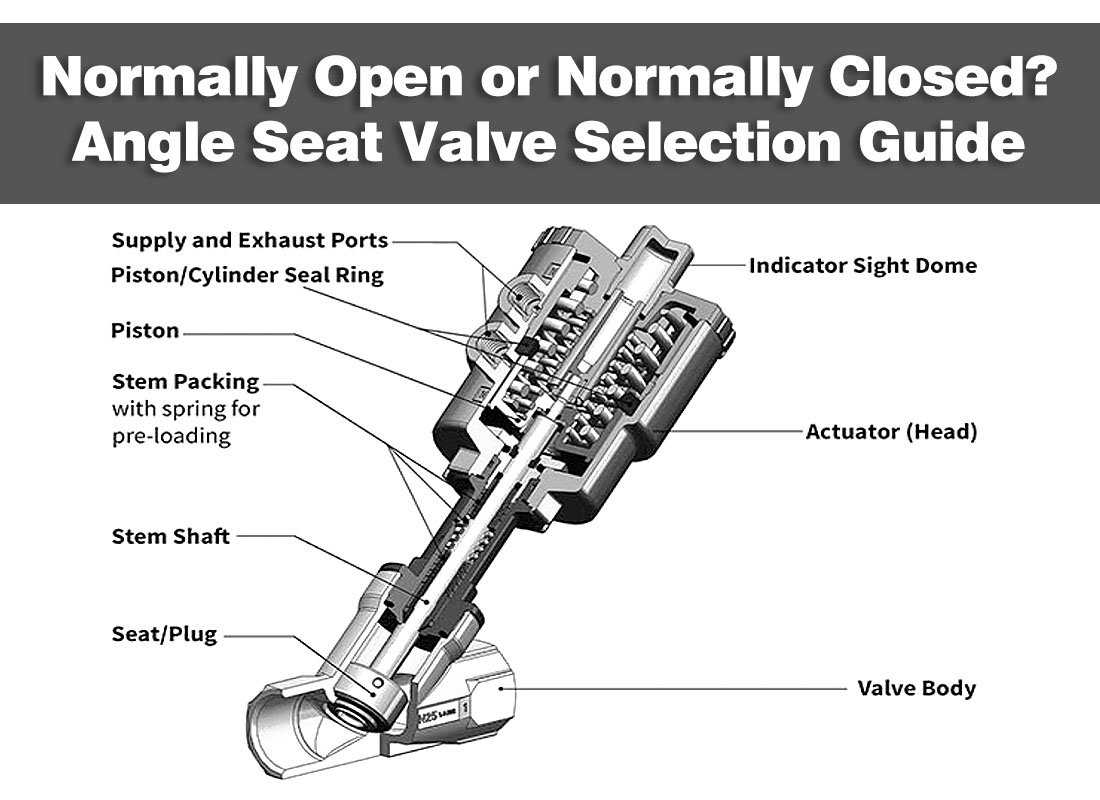 Normally Open or Normally Closed? Angle Seat Valve Selection Guide
 Why CNC Coolant Systems Prefer VNC Valves? A Reliable Solution for Leak Prevention
 VNB Process Valves: An Efficient Solution for Multi-Purpose Fluid Control
 Valve Freezing Prevention Tips for Winter Maintenance
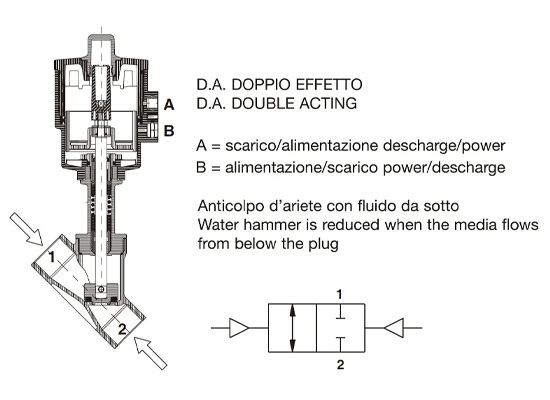 How to determine valve seat angle
You May Interest In

Dec 02, 2025 Blog
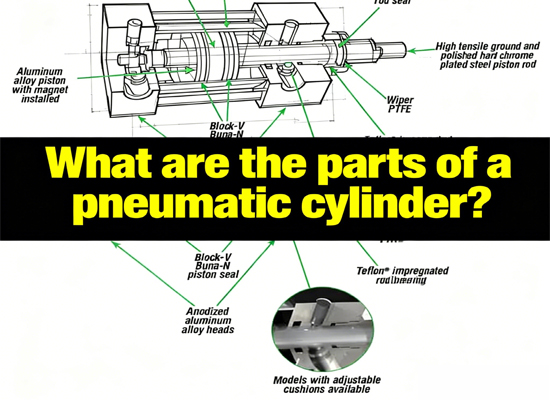
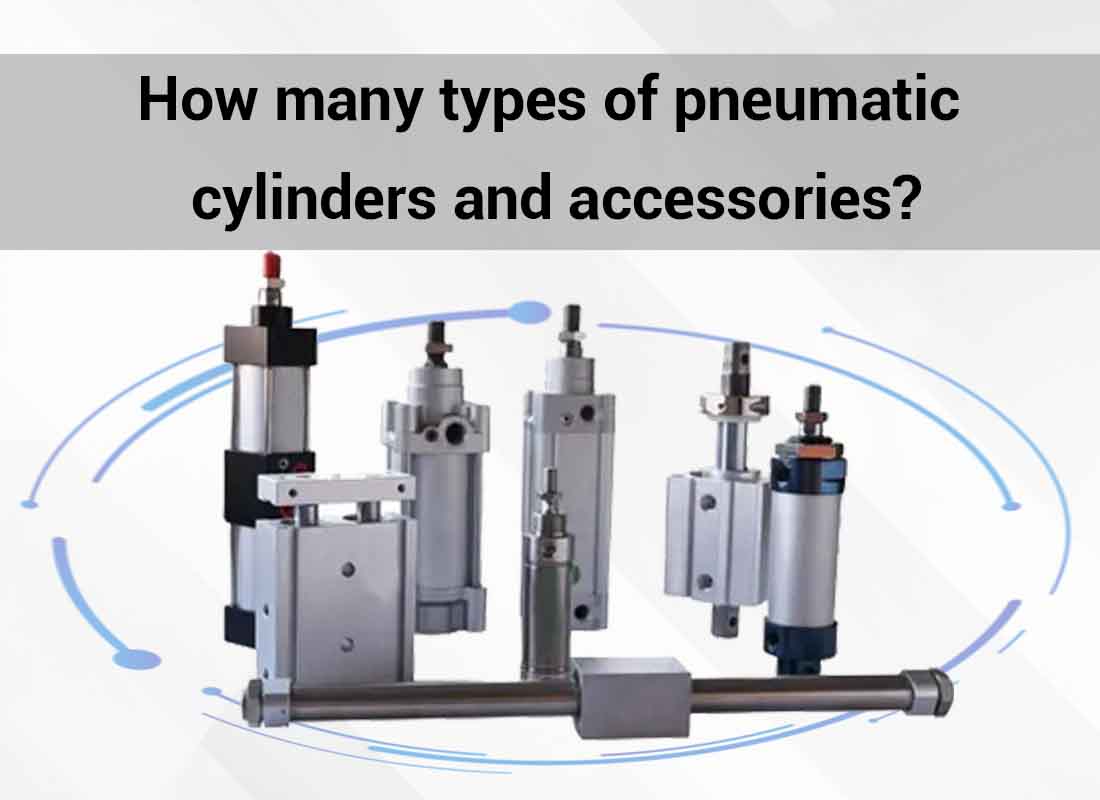
What are the parts of a pneumatic cylinder?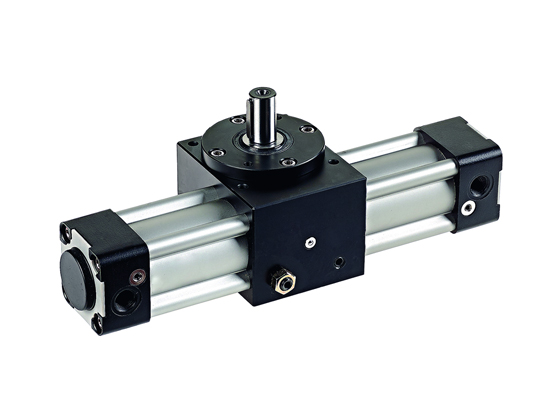
Apr 18, 2025 Blog
What is an Angle Seat Valve?
Get a free sample

Fokca is a brand of Ningbo Fokca Automation Co., Ltd.
Looking for custom pneumatic cylinder solutions? Visit our sister brand, Fescolo.→
© 2026 Ningbo Fokca Automation Co., Ltd. All rights reserved. Sitemap