Sep 02, 2026
Pneumatic diaphragm valves are widely used in industrial fluid handling where reliable shutoff, medium isolation, and automated operation are required. Their combination of a flexible diaphragm and pneumatic actuator makes them suitable for applications involving corrosive liquids, viscous materials, suspended particles, and hygienic processing. Understanding how these valves operate, their structural characteristics, and their selection requirements helps engineers determine whether they are suitable for a particular process.
A pneumatic diaphragm valve combines a diaphragm-type valve body with an air-powered actuator. Instead of using a conventional stem and plug directly exposed to the process medium, it relies on a flexible diaphragm to regulate or shut off flow.
The actuator converts compressed-air pressure into mechanical movement, pushing or lifting the diaphragm against the valve seat. Because the diaphragm separates the fluid from the upper operating mechanism, the design reduces the risk of medium entering the actuator area and helps simplify sealing.
Depending on the body construction, diaphragm valves may use a weir-type structure or a straight-through design. Weir-type valves are commonly used for shutoff and certain throttling duties, while straight-through configurations are often considered for media containing solids or requiring a less obstructed flow path.
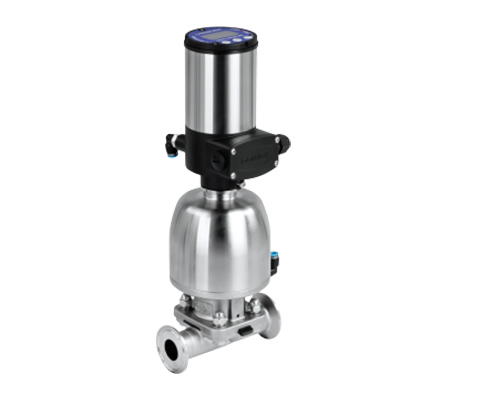
The operating process involves several mechanical and pneumatic stages:
● Air signal input: Compressed air enters the actuator chamber through the control connection.
● Actuator movement: Air pressure acts on the piston or diaphragm inside the actuator, generating linear force.
● Diaphragm displacement: The actuator stem transfers movement to the valve diaphragm, lifting it away from the seat or pressing it downward.
● Flow control: When the diaphragm lifts, fluid passes through the valve. When it presses against the seating area, the flow is restricted or shut off.
The actuator configuration determines what happens when air pressure is lost. A spring-return actuator moves toward its designated fail position when control air is removed, while a double-acting actuator requires air pressure to drive movement in both directions. The actual fail-open or fail-closed behavior depends on the actuator and valve configuration.
| Component | Function |
| Pneumatic actuator | Converts compressed-air energy into mechanical movement |
| Diaphragm | Controls flow and isolates the process medium from upper components |
| Valve body | Forms the fluid passage and sealing area |
| Bonnet | Connects and protects the upper operating assembly |
Pneumatic diaphragm valves offer several practical advantages. The diaphragm isolates the process fluid from the stem mechanism, reducing potential leakage paths. The relatively simple internal structure can accommodate certain viscous fluids and slurries, while pneumatic actuation allows integration into PLC-controlled systems.
Maintenance is also relatively straightforward because the diaphragm is a replaceable wear component. However, its service life depends on chemical compatibility, pressure, temperature, and operating frequency.
● Pharmaceutical and biotechnology: Used in fluid transfer systems involving purified water and process liquids. Hygienic or sterile applications require appropriate surface finishes, materials, and CIP/SIP compatibility.
● Food and beverage: Suitable for certain syrups, dairy products, liquid ingredients, and product transfer lines where hygienic valve designs are required.
● Chemical processing: Handles selected acids, alkalis, and corrosive media when body lining and diaphragm materials are compatible.
● Water and wastewater treatment: Controls sludge, dosing fluids, wastewater, and media containing suspended particles.
● Mining and ceramics: Used in selected abrasive slurry applications, subject to diaphragm wear and flow-path design.
Selection should begin with the medium rather than the valve size alone. Fluid composition, concentration, viscosity, solids content, and temperature determine which body and diaphragm materials are suitable.
Important considerations include:
● Material compatibility: Options such as 316L stainless steel, lined bodies, PTFE, and EPDM must be evaluated against the actual medium.
● Actuator type: Choose single-acting spring-return or double-acting operation according to control requirements and the desired response to air failure.
● Size and connection: Confirm nominal diameter, flow capacity, connection standard, and installation space.
● Operating conditions: Check pressure, temperature, flow rate, cycle frequency, and allowable pressure drop.
● Industry requirements: Verify applicable sanitary, chemical, or hazardous-area certifications for the complete valve assembly where required.
A properly selected pneumatic diaphragm valve provides dependable fluid isolation and convenient automated control. Matching its construction, diaphragm material, and actuator configuration to the process conditions is essential for achieving stable operation and minimizing unplanned maintenance.
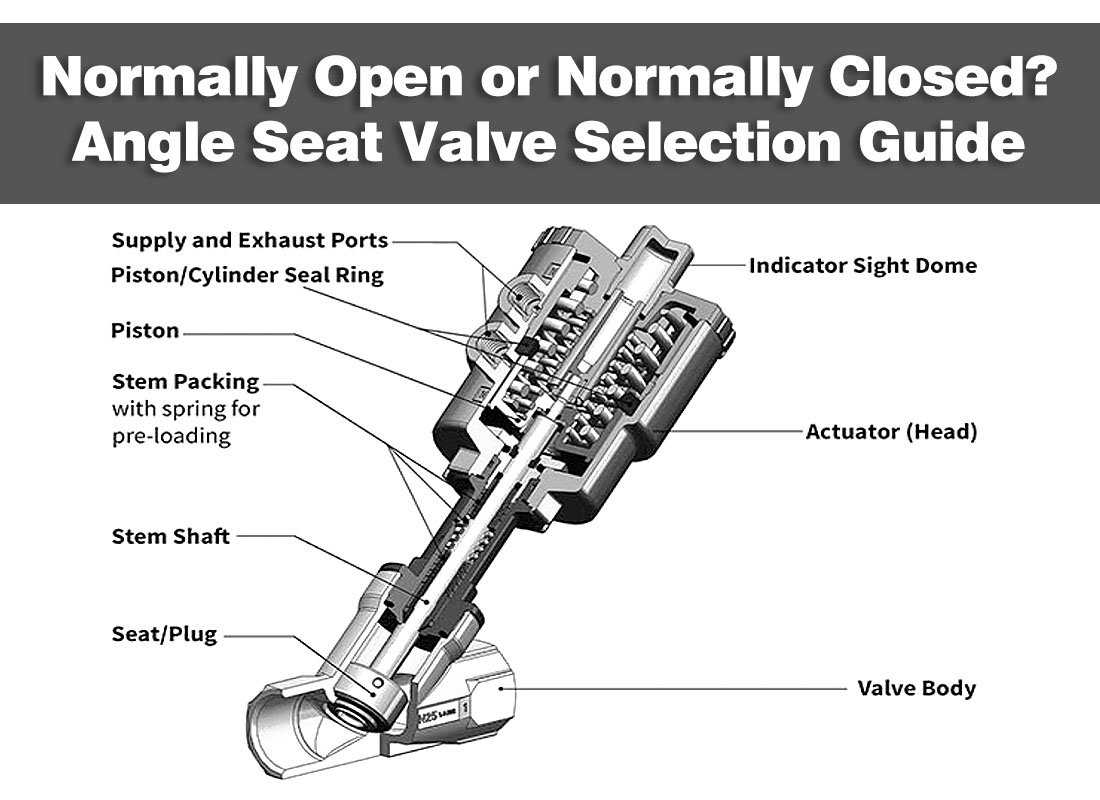 Normally Open or Normally Closed? Angle Seat Valve Selection Guide
 Why CNC Coolant Systems Prefer VNC Valves? A Reliable Solution for Leak Prevention
 VNB Process Valves: An Efficient Solution for Multi-Purpose Fluid Control
 Valve Freezing Prevention Tips for Winter Maintenance
 How to determine valve seat angle
You May Interest In

Dec 02, 2025 Blog
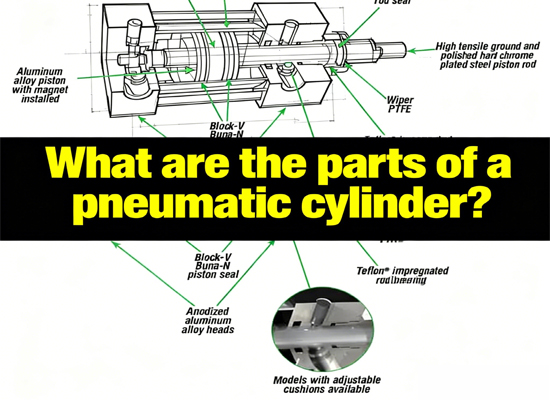
What are the parts of a pneumatic cylinder?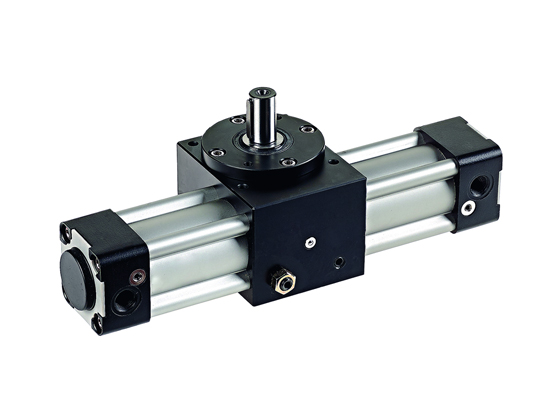

Apr 18, 2025 Blog
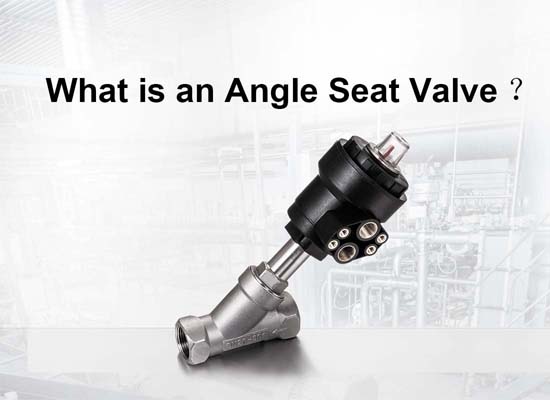
What is an Angle Seat Valve?
Get a free sample

Fokca is a brand of Ningbo Fokca Automation Co., Ltd.
Looking for custom pneumatic cylinder solutions? Visit our sister brand, Fescolo.→
© 2026 Ningbo Fokca Automation Co., Ltd. All rights reserved. Sitemap