Sep 02, 2026

A globe valve is a linear-motion valve designed to stop, start, or regulate fluid flow within a pipeline. Its internal disc moves vertically toward or away from the seat, adjusting the opening through which the medium passes. Unlike full-bore valves with relatively unrestricted flow paths, globe valves use a changing flow passage that makes them suitable for applications requiring flow adjustment and controlled shutoff.
Globe valves are commonly found in steam systems, industrial water pipelines, chemical processing equipment, and other applications where flow regulation is an important operating requirement. Their control performance depends on the valve structure, trim design, pressure differential, and fluid properties.
Globe valves can be operated manually or through automated control systems, depending on the required accuracy and operating frequency.
Manual operation: A handwheel rotates the threaded stem, converting rotational input into linear movement. Turning the handwheel raises or lowers the disc, allowing the operator to adjust the flow passage or close the valve.
Automatic operation: Pneumatic or electric actuators drive the valve stem according to control signals. Automated globe valves can be integrated with PLC systems or process controllers to adjust flow based on pressure, temperature, level, or other process variables.
For continuous flow regulation, control valves may use a positioner to improve stem positioning in response to the control signal.
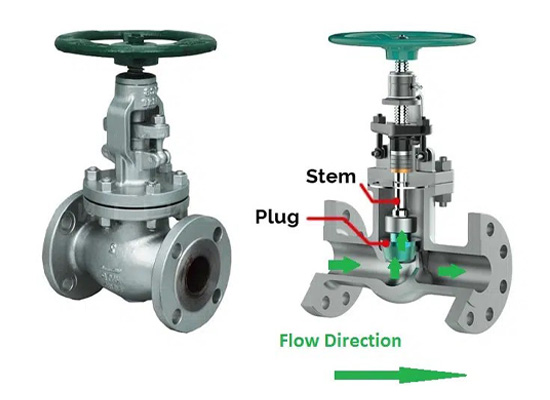
The globe valve controls flow by changing the distance between its disc and seat. As the disc lifts, the opening increases and fluid passes through the valve. Lowering the disc reduces the available flow area until the disc contacts the seat and shuts off the passage.
Its main components include:
| Component | Function |
| Valve body | Contains the flow passage and internal pressure |
| Bonnet | Covers the upper valve assembly |
| Stem | Transfers operating force to the disc |
| Disc | Regulates or blocks fluid flow |
| Seat | Provides the sealing surface for shutoff |
| Handwheel or actuator | Drives the stem's linear movement |
The internal flow path typically changes direction around the disc and seat. This structure supports flow adjustment but generally produces a greater pressure drop than full-bore valve designs.
Globe valves offer several practical advantages for industrial fluid control:
● Adjustable flow: Disc movement allows the opening to be varied for throttling applications.
● Reliable shutoff: Disc-to-seat contact provides a defined closing mechanism, depending on seat material and design.
● Controlled operation: Linear stem movement makes valve position adjustment relatively straightforward.
● Versatile construction: Different body materials, trim designs, and actuator configurations accommodate a range of operating conditions.
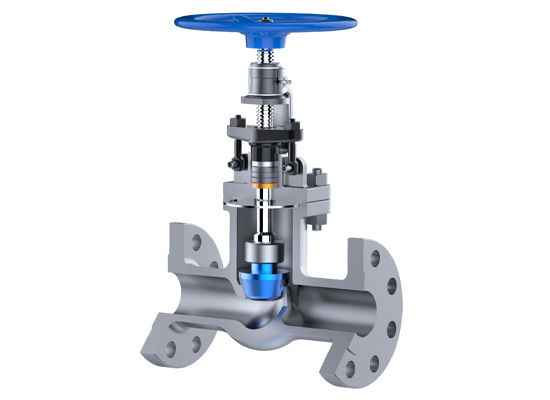
However, globe valves also have limitations. Their flow resistance is relatively high, and continuous throttling may cause erosion, vibration, cavitation, or seat damage when operating conditions are unsuitable. Corrosive fluids, suspended solids, and high-viscosity media require careful material and trim selection.
For practical selection, engineers should evaluate medium type, pressure, temperature, required flow capacity, allowable pressure drop, control accuracy, and actuator requirements. Choosing the correct globe valve design helps balance shutoff performance, regulation stability, and service life across different industrial pipeline applications.
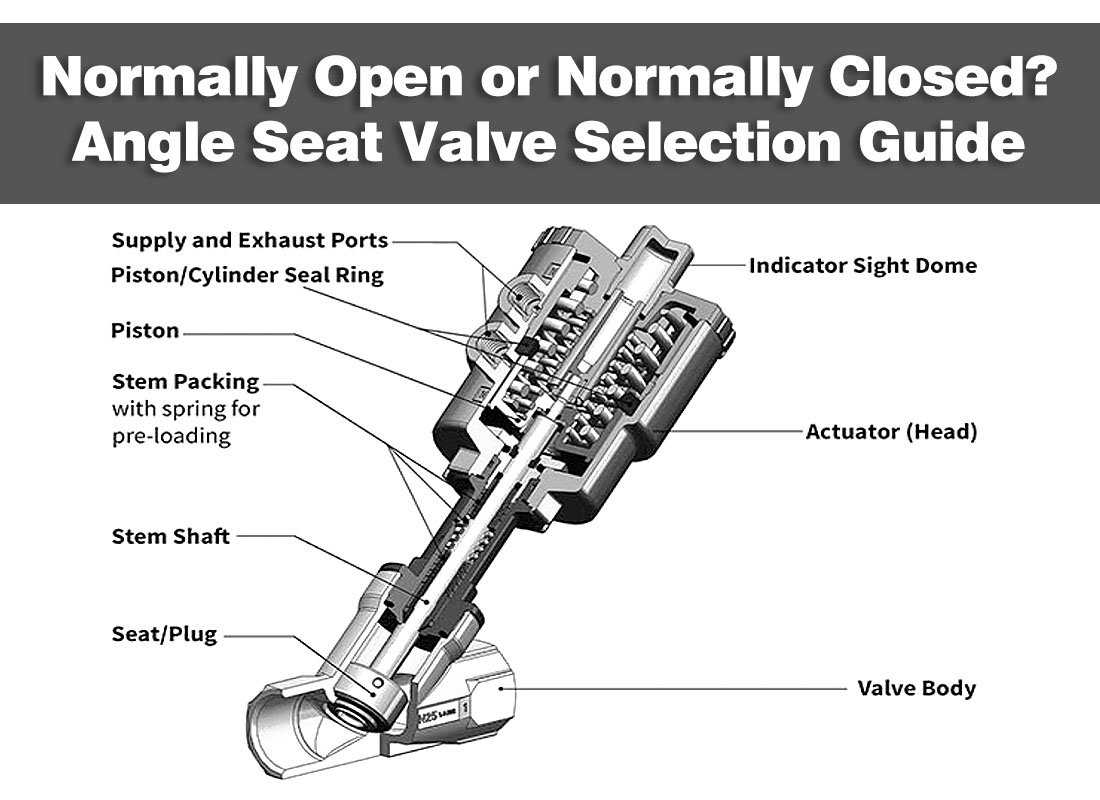 Normally Open or Normally Closed? Angle Seat Valve Selection Guide
 Why CNC Coolant Systems Prefer VNC Valves? A Reliable Solution for Leak Prevention
 VNB Process Valves: An Efficient Solution for Multi-Purpose Fluid Control
 Valve Freezing Prevention Tips for Winter Maintenance
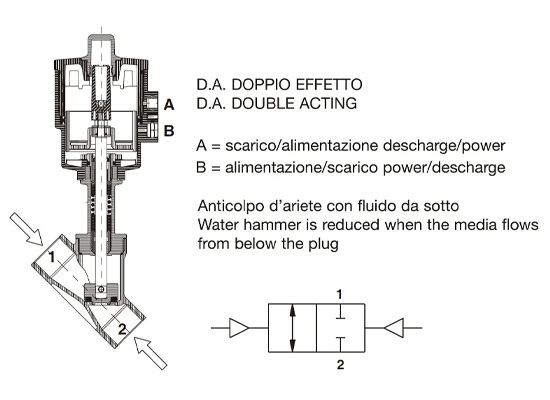 How to determine valve seat angle
You May Interest In


Dec 02, 2025 Blog
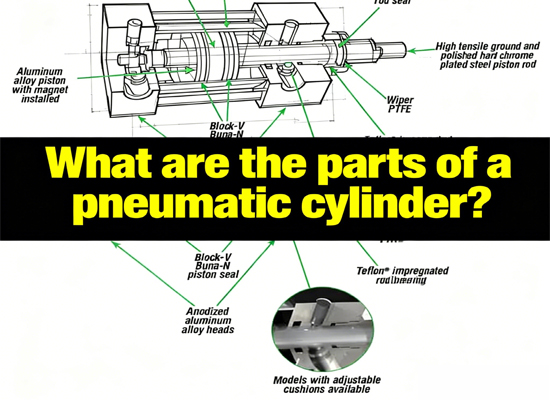
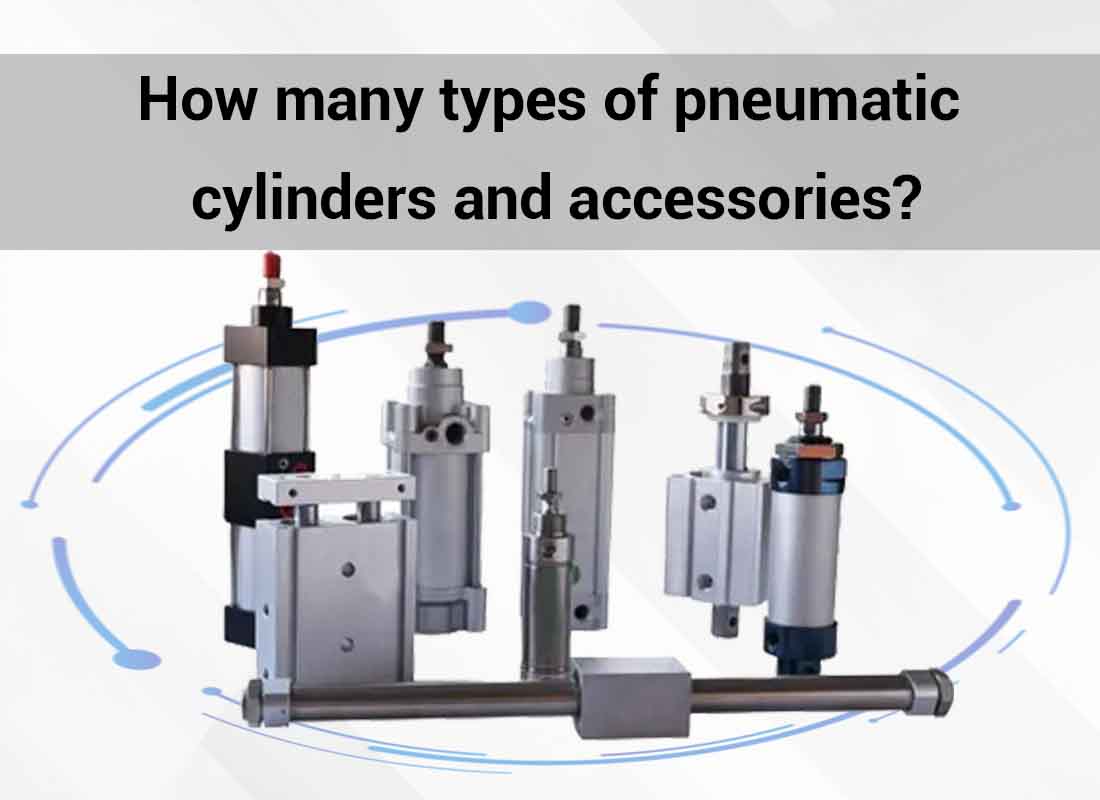
What are the parts of a pneumatic cylinder?





Apr 18, 2025 Blog
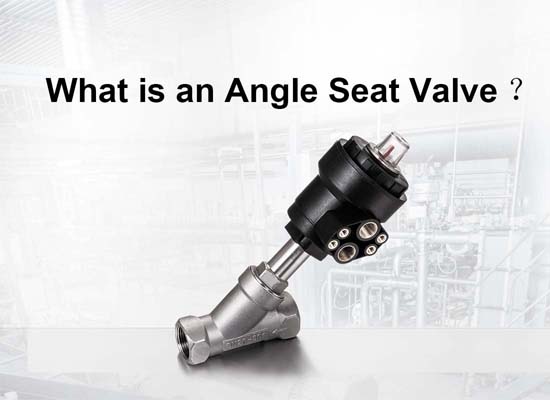
What is an Angle Seat Valve?
Get a free sample

Fokca is a brand of Ningbo Fokca Automation Co., Ltd.
Looking for custom pneumatic cylinder solutions? Visit our sister brand, Fescolo.→
© 2026 Ningbo Fokca Automation Co., Ltd. All rights reserved. Sitemap