Sep 03, 2026
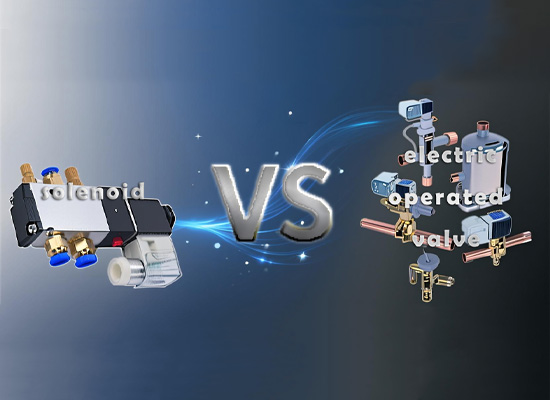
Both solenoid valves and electric valves use electrical energy to control fluid flow, but they differ in their actuation mechanisms, internal structures, and operating characteristics. Solenoid valves rely on electromagnetic force to move an internal plunger or spool, while conventional motorized electric valves use an electric motor and transmission mechanism to operate the valve.
Understanding these differences is important when selecting a valve for pneumatic equipment, fluid handling systems, industrial automation, or process control. Factors such as switching speed, flow capacity, operating pressure, control precision, and installation space all influence which design is suitable for a particular application.
An electric valve typically uses an electric motor to drive a valve mechanism through gears, screws, or other mechanical transmission components. The motor converts electrical energy into rotational movement, which is then transferred to the valve stem or internal control mechanism to open, close, or adjust the flow passage.
Depending on the valve design, electric valves can include ball valves, butterfly valves, globe valves, and other valve types equipped with motorized actuators. Some models support simple open-close operation, while others allow intermediate positioning for flow regulation.
Their relatively complex construction provides flexibility for applications requiring larger valve sizes, higher torque, or controlled positioning. Electric valves are commonly used in HVAC systems, water treatment, irrigation, industrial pipelines, and automated process equipment.
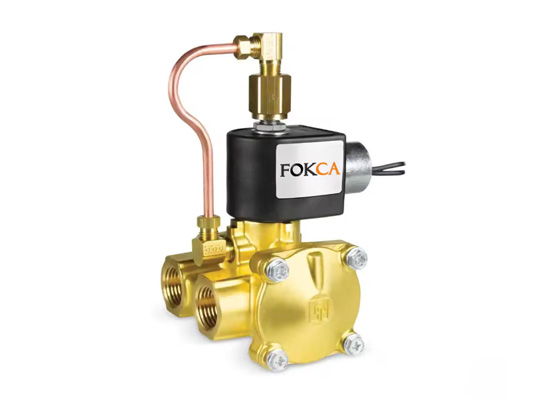
A solenoid valve is an electromagnetic control valve that uses a coil to generate magnetic force and move an internal plunger, spool, or armature. When electrical power is applied, the magnetic field drives the moving component, changing the valve's internal passage and controlling the flow of air, water, oil, or other compatible media.
Unlike motor-driven valves, solenoid valves generally operate through direct electromagnetic action or electromagnetic pilot control rather than a motor and gear mechanism. Their compact construction makes them suitable for applications requiring fast switching and frequent control signals.
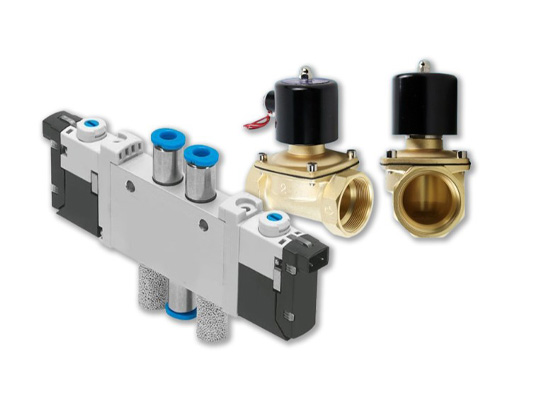
Solenoid valves are widely used in pneumatic machinery, automatic production lines, packaging equipment, irrigation systems, and fluid control circuits. Common configurations include 2-way, 3-way, and multi-way valves, depending on the number of ports and switching positions.
| Comparison | Solenoid Valve | Motorized Electric Valve |
| Drive mechanism | Electromagnetic force | Electric motor and transmission |
| Switching speed | Generally fast | Generally slower |
| Structure | Compact, relatively simple | Larger, more mechanical components |
| Control | Usually on/off or directional switching | On/off or position adjustment |
| Typical applications | Pneumatic control, automation | Pipeline control, HVAC, water systems |
| Power behavior | Coil energized or de-energized | Motor drives opening or closing movement |
The selection depends on the required control function rather than the power source alone. Solenoid valves are suitable for rapid switching, compact installations, and automated pneumatic circuits. Motorized electric valves are often preferred when larger flow passages, higher operating torque, or adjustable valve positions are required.
Before purchasing, verify the medium, working pressure, temperature range, connection size, voltage, duty cycle, and control signal. For motorized valves, also consider actuator torque and positioning requirements. For solenoid valves, check coil specifications, response characteristics, and whether the valve requires a minimum differential pressure to operate.
Matching the valve mechanism to the system's actual operating conditions helps improve control reliability, reduce unnecessary energy consumption, and avoid premature component failure.
 Normally Open or Normally Closed? Angle Seat Valve Selection Guide
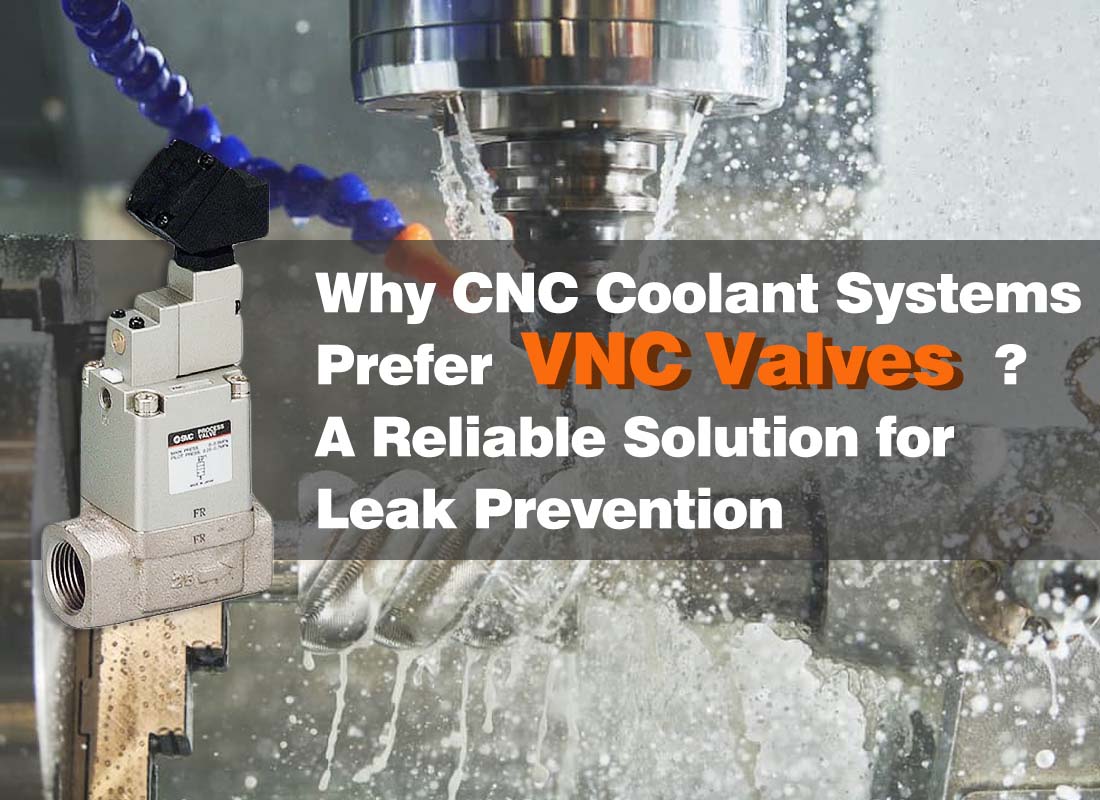 Why CNC Coolant Systems Prefer VNC Valves? A Reliable Solution for Leak Prevention
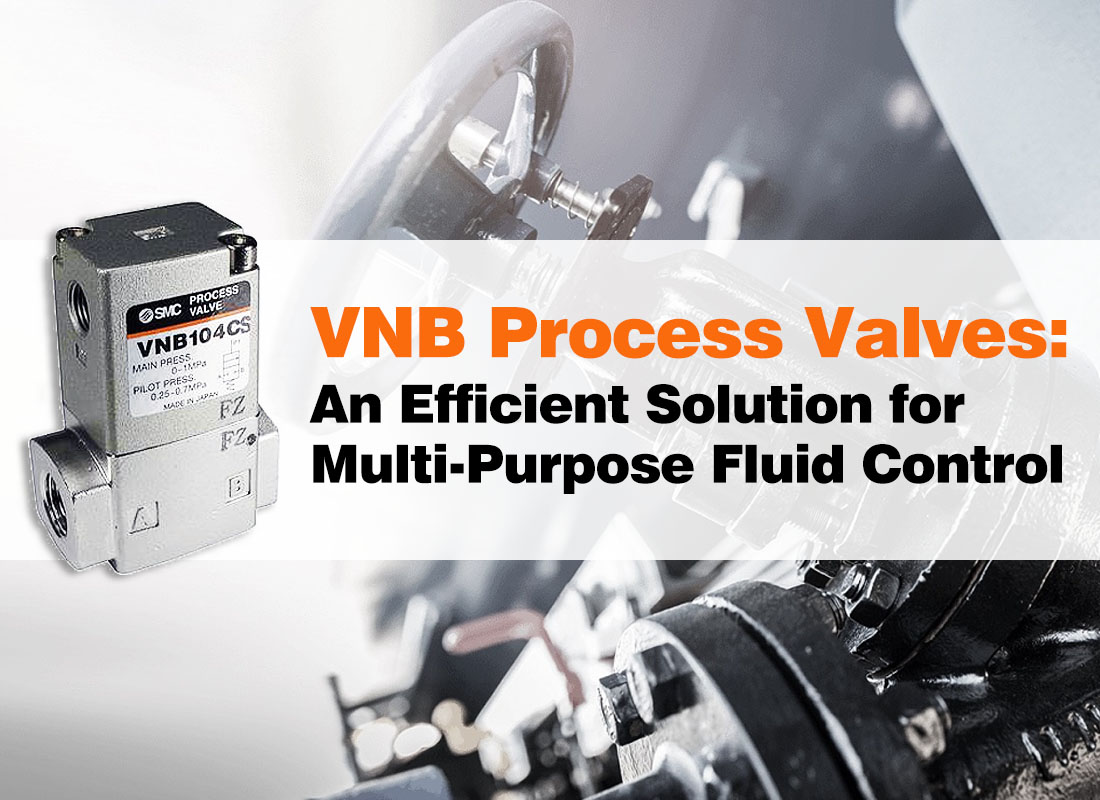 VNB Process Valves: An Efficient Solution for Multi-Purpose Fluid Control
 Valve Freezing Prevention Tips for Winter Maintenance
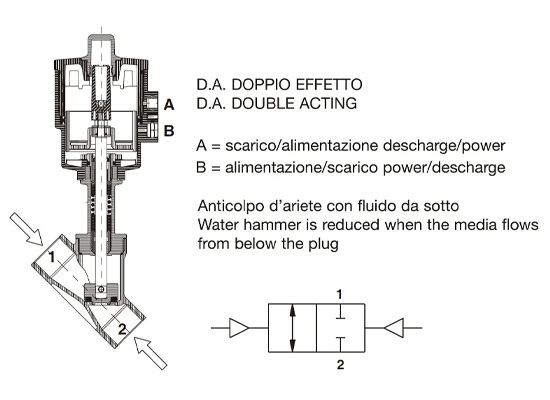 How to determine valve seat angle
You May Interest In

Dec 02, 2025 Blog
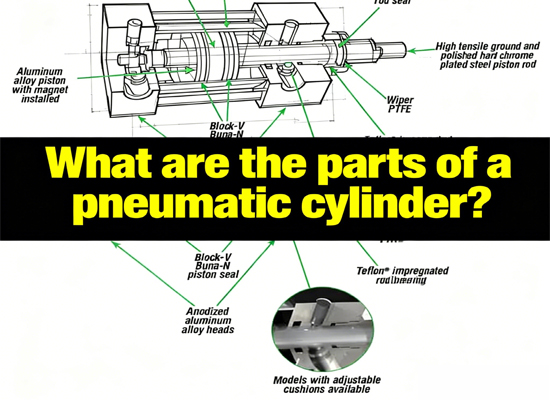
What are the parts of a pneumatic cylinder?

Apr 18, 2025 Blog
What is an Angle Seat Valve?
Get a free sample

Fokca is a brand of Ningbo Fokca Automation Co., Ltd.
Looking for custom pneumatic cylinder solutions? Visit our sister brand, Fescolo.→
© 2026 Ningbo Fokca Automation Co., Ltd. All rights reserved. Sitemap