Sep 03, 2026
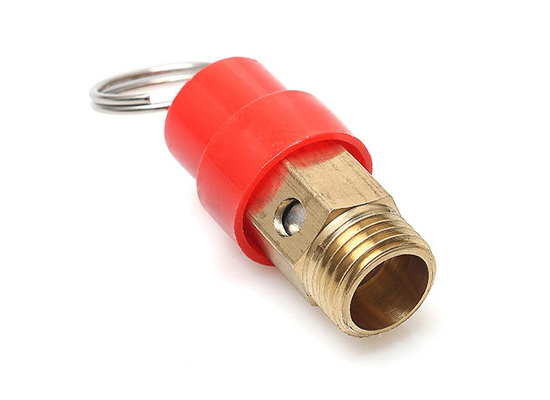
A spring-loaded safety valve is a mechanical pressure protection device designed to prevent equipment from operating beyond its allowable pressure limits. It uses a preset spring force to keep the valve disc pressed against the seat during normal operation. When the system pressure reaches the valve's set pressure, the force acting beneath the disc becomes sufficient to overcome the spring load, allowing the valve to open and discharge excess pressure.
This mechanism is commonly used in boilers, pressure vessels, compressed air systems, storage tanks, and industrial pipelines. By releasing excess gas, steam, or compatible fluids, the valve helps reduce the risk of overpressure-related equipment damage and safety incidents.
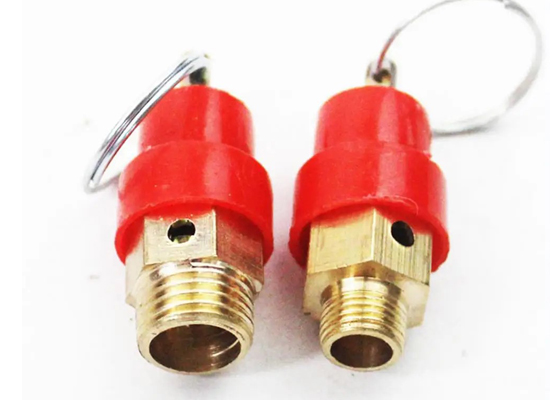
The performance of a spring-loaded safety valve depends on the interaction between its mechanical components. Each part contributes to pressure sensing, sealing, opening, and resetting.
| Component | Function |
| Spring | Provides closing force and determines the valve's set pressure |
| Valve seat | Creates the sealing surface when the valve is closed |
| Disc | Responds to system pressure and lifts to release the medium |
| Stem | Transfers movement between the disc and internal mechanism |
| Adjustment screw | Sets spring compression during calibration |
| Valve body | Contains the flow passage and withstands system pressure |
Spring stiffness, disc area, sealing surface condition, and internal geometry all affect the valve's opening behavior and pressure stability.
During normal operation, the spring presses the disc firmly against the valve seat, preventing the medium from escaping. As the pressure inside the system increases, the upward force acting on the disc gradually rises.
When this force reaches the preset opening threshold, it overcomes the spring's closing force, causing the disc to lift. The resulting flow passage allows excess pressure to escape through the discharge outlet.
After the system pressure decreases sufficiently, the spring pushes the disc back toward the seat. The valve reseals once the closing conditions are restored. The pressure at which the valve closes is usually lower than its opening pressure, a behavior known as blowdown.
Some safety valves are equipped with a lifting lever or hand ring for manual testing under appropriate operating conditions. This feature is intended to verify valve movement, not replace pressure relief or routine inspection procedures.
Spring-loaded safety valves offer several practical advantages in industrial pressure protection:
● Mechanical operation: No external electrical power or control signal is required for automatic pressure relief.
● Fast pressure response: The valve can respond directly to rising system pressure once the set threshold is reached.
● Compact construction: A relatively simple mechanical design allows installation across many pressure systems.
● Flexible configuration: Different spring ranges, materials, connection sizes, and pressure ratings accommodate various operating requirements.
● Serviceability: Certain designs allow inspection, calibration, and replacement of internal components when supported by the manufacturer.
Manufacturing origin alone does not determine valve performance. Material traceability, machining quality, calibration accuracy, testing procedures, and compliance with the applicable pressure equipment requirements are more meaningful indicators.
Choosing a suitable safety valve requires more than matching the nominal pipe size. The set pressure must remain within the equipment's allowable limits, while the valve's certified discharge capacity must be sufficient to handle the maximum credible overpressure scenario.
Consider the following factors before selection:
● Set pressure: Match the required relief setting to the system's permitted pressure and applicable regulations.
● Discharge capacity: Verify that the valve can release enough medium under the specified relieving conditions.
● Material compatibility: Select the body, spring, disc, and sealing materials according to the medium, temperature, and corrosion risks.
● Connection and size: Confirm inlet dimensions, outlet configuration, pressure loss, and installation requirements.
● Certification and testing: Check applicable standards, pressure testing, calibration records, and required approvals.
● Maintenance access: Ensure the valve can be inspected, tested, and serviced without compromising system safety.
A properly selected and calibrated spring-loaded safety valve provides an essential mechanical safeguard against excessive pressure. Its reliability depends on correct sizing, installation, periodic inspection, and testing in accordance with the system's operating conditions and safety requirements.
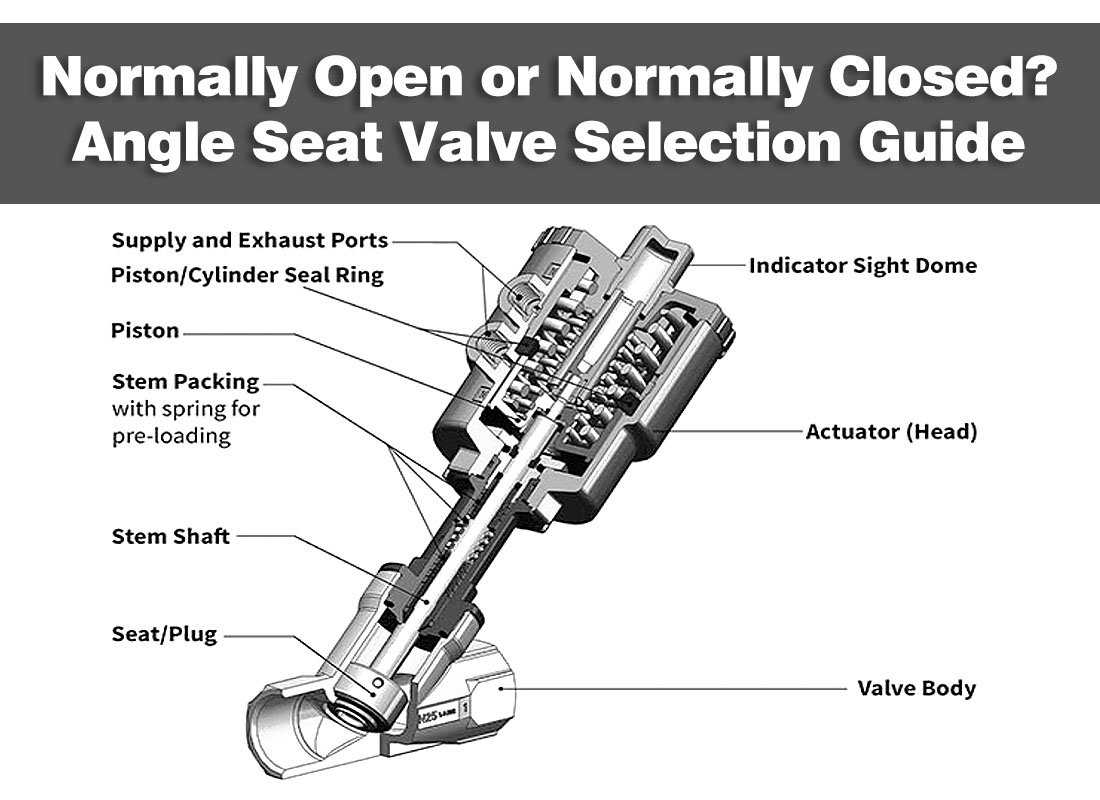 Normally Open or Normally Closed? Angle Seat Valve Selection Guide
 Why CNC Coolant Systems Prefer VNC Valves? A Reliable Solution for Leak Prevention
 VNB Process Valves: An Efficient Solution for Multi-Purpose Fluid Control
 Valve Freezing Prevention Tips for Winter Maintenance
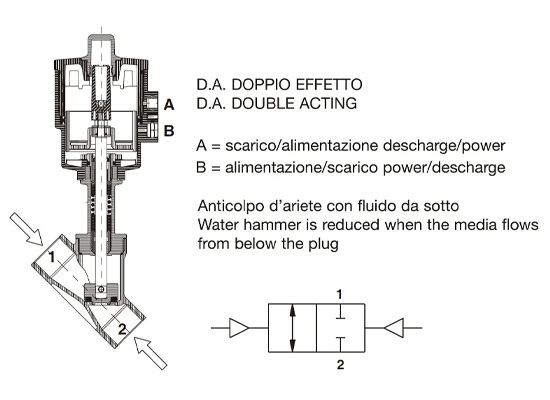 How to determine valve seat angle
You May Interest In

Dec 02, 2025 Blog
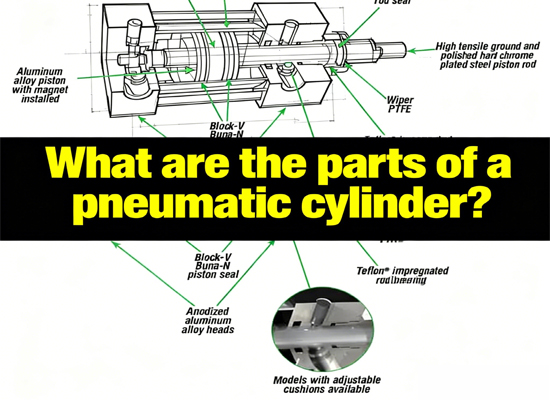
What are the parts of a pneumatic cylinder?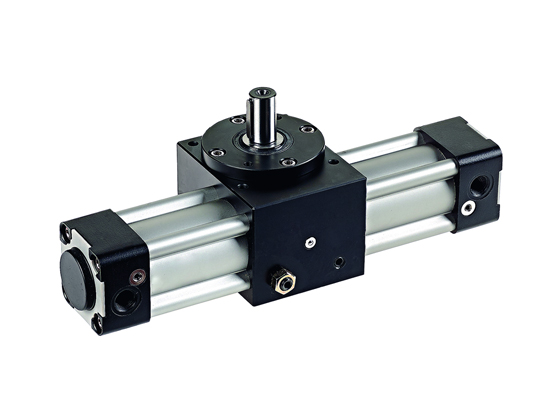


Apr 18, 2025 Blog
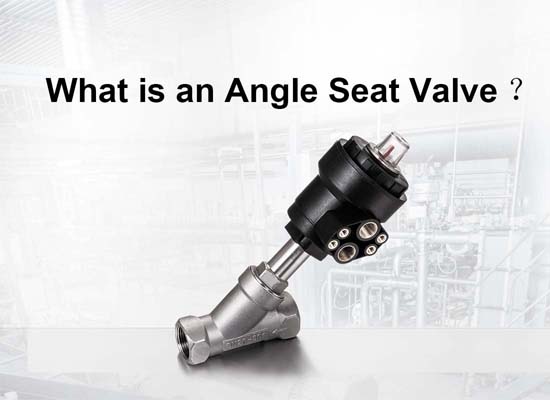
What is an Angle Seat Valve?
Get a free sample

Fokca is a brand of Ningbo Fokca Automation Co., Ltd.
Looking for custom pneumatic cylinder solutions? Visit our sister brand, Fescolo.→
© 2026 Ningbo Fokca Automation Co., Ltd. All rights reserved. Sitemap