Sep 01, 2026
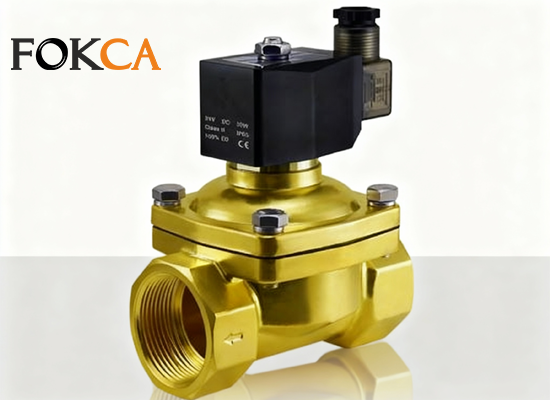
A solenoid valve that produces a continuous buzzing sound but fails to open can indicate an electrical, mechanical, or fluid-related problem. This symptom occurs in pneumatic systems, water control equipment, HVAC installations, and other automated processes. Although the noise often means that the coil is receiving power, it does not necessarily confirm that the valve is generating enough magnetic force or that its internal components are moving correctly.
Identifying the actual cause is important because prolonged buzzing may lead to coil overheating, interrupted flow, and unnecessary wear.
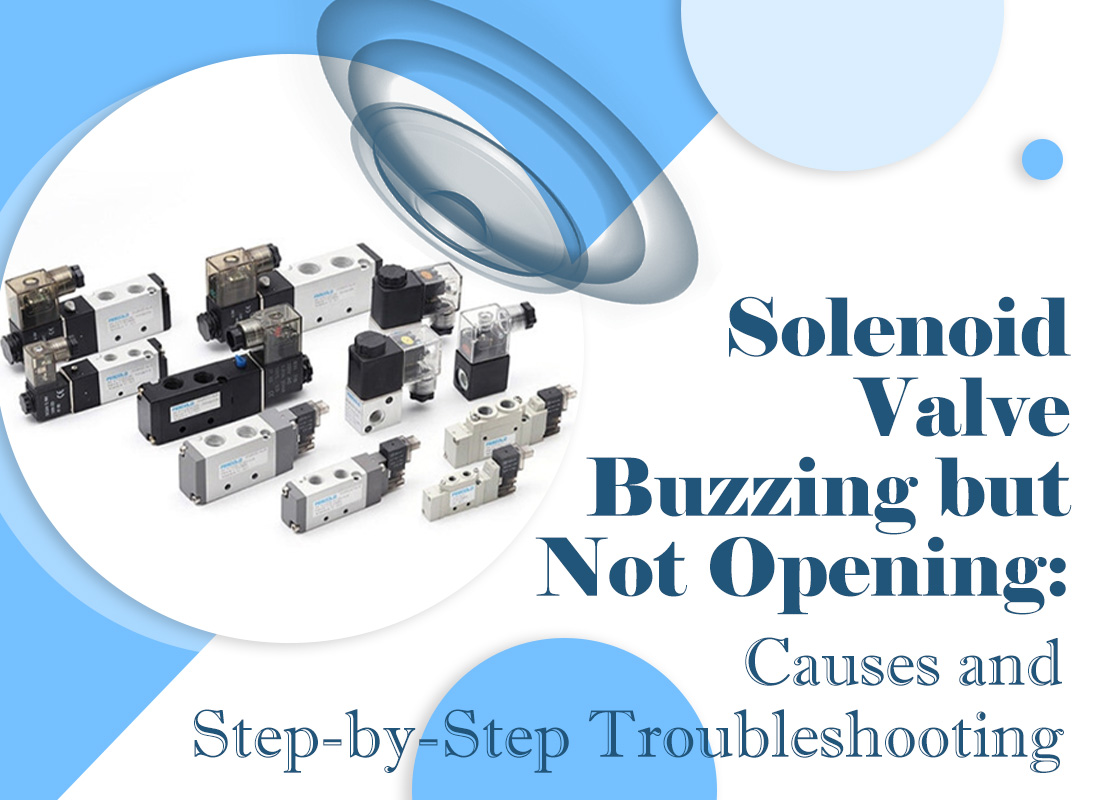
A conventional solenoid valve uses an electromagnetic coil to move a plunger or armature. When electrical power is applied, the magnetic field pulls the moving component against the spring force, changing the valve's flow path. When power is removed, a spring typically returns the mechanism to its default position in spring-return designs.
During normal operation, switching may produce a brief click. A persistent hum or buzz without successful actuation suggests that the magnetic or mechanical system is not operating as intended.
The exact operating principle depends on the valve design. Direct-acting valves move the sealing element directly, while pilot-operated models use pressure differences to assist opening.
A coil requires the correct rated voltage to generate sufficient magnetic force. If the voltage drops under load, the plunger may fail to complete its stroke. This can happen because of undersized cables, loose terminals, poor electrical connections, or an overloaded power supply.
Measure voltage directly at the coil terminals while the valve is energized. Compare the reading with the manufacturer's rated voltage and tolerance rather than relying on a universal voltage threshold.
Dust, rust, scale, oil residue, or other contaminants can restrict the movement of internal components. Even when the coil is energized, the magnetic force may be insufficient to overcome the resistance.
This problem is particularly relevant in compressed-air systems with poor air filtration and water systems containing suspended particles. Worn or damaged internal surfaces can also prevent smooth movement.
The spring helps maintain the valve's default position and supports reliable switching. Repeated operation, corrosion, deformation, or material fatigue may affect its performance.
A damaged spring can cause incomplete movement, irregular switching, or failure to return to the correct position. Inspection is necessary to determine whether replacement is required.
A valve may receive power and move partially while still failing to establish the required flow. Debris can obstruct a small pilot orifice, inlet passage, or main flow channel.
This is especially important for pilot-operated solenoid valves, which require suitable operating pressure and a clear pilot passage. A blocked passage may prevent opening even when the electrical components appear normal.
| Observed symptom | Possible cause | Recommended inspection |
| Continuous buzzing, no switching | Low or unstable voltage | Measure voltage under load |
| Buzzing with slight vibration | Sticking plunger | Inspect internal movement |
| Irregular switching | Spring damage or unstable supply | Check spring and power source |
| Valve switches but no flow | Blocked passage or incorrect pressure | Inspect ports, filter, and pressure |
| Coil becomes unusually hot | Electrical fault or excessive energization | Check rated voltage and duty cycle |
Check the electrical supply first. Inspect wiring, connectors, terminals, and the power source. Measure the voltage at the coil during operation. A correct no-load reading does not always mean the supply remains stable when the valve is energized.
Examine the coil condition. Look for discoloration, a burning smell, damaged insulation, or abnormal heating. If necessary, measure coil resistance with the power disconnected and compare it with the manufacturer's specifications. Resistance alone cannot confirm that the coil produces sufficient magnetic force.
Inspect the moving components. Isolate the electrical supply, shut off the fluid source, and release residual pressure before removing the valve. Check the plunger, armature, spring, and sealing elements for contamination, corrosion, or damage. Do not force components that are stuck.
Check pressure and flow passages. Confirm that inlet pressure meets the valve's operating requirements. For pilot-operated models, verify the required differential pressure and inspect the pilot orifice. Check filters and internal channels for blockage.
After reassembly, restore the system carefully and test the valve through several operating cycles. Check switching response and leakage before returning it to normal service.
Regular maintenance helps reduce buzzing, incomplete switching, and unexpected downtime. Use a stable power supply with wiring sized for the electrical load, and select a valve compatible with the working medium and pressure conditions. Install appropriate filtration where contamination is a concern, and inspect internal components periodically.
Also, follow the specified voltage, duty cycle, and operating limits. Replacing damaged springs, seals, or other worn parts before they cause a complete failure can help maintain consistent valve operation.
A persistent buzzing sound should not be treated as a normal operating condition. Checking the electrical supply, mechanical movement, and fluid passages in sequence provides a more reliable way to identify the fault and restore proper switching.
(FK9025)
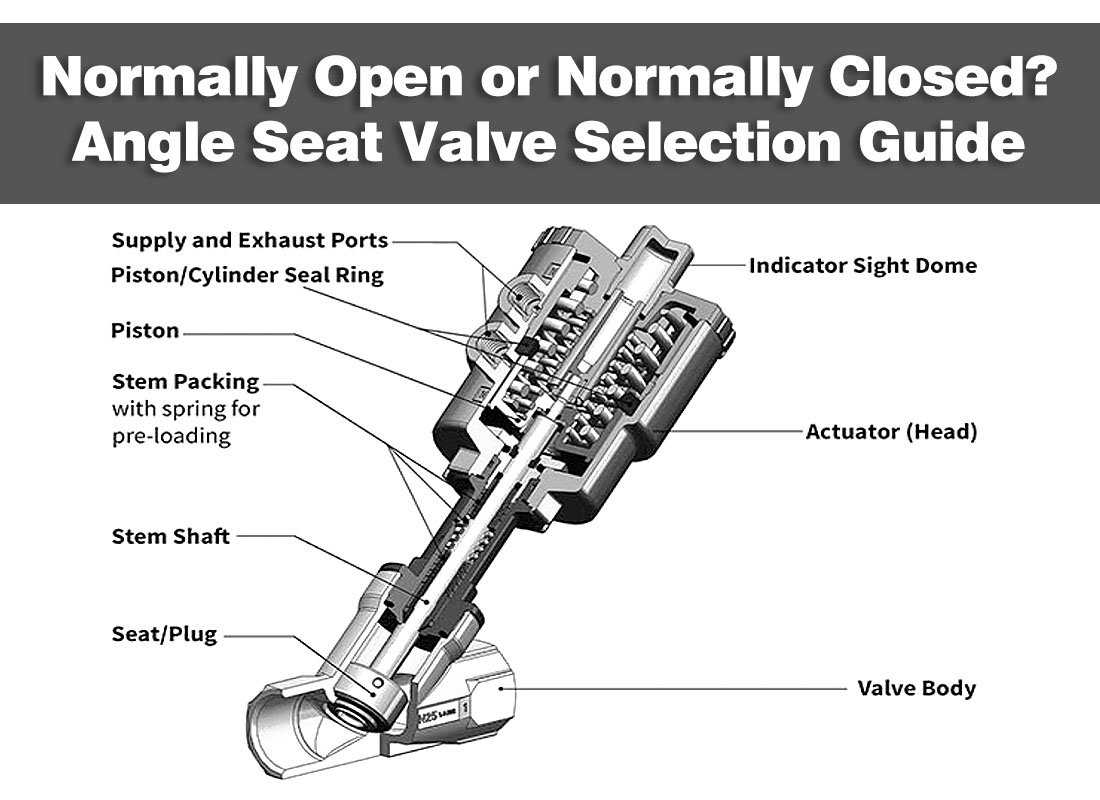 Normally Open or Normally Closed? Angle Seat Valve Selection Guide
 Why CNC Coolant Systems Prefer VNC Valves? A Reliable Solution for Leak Prevention
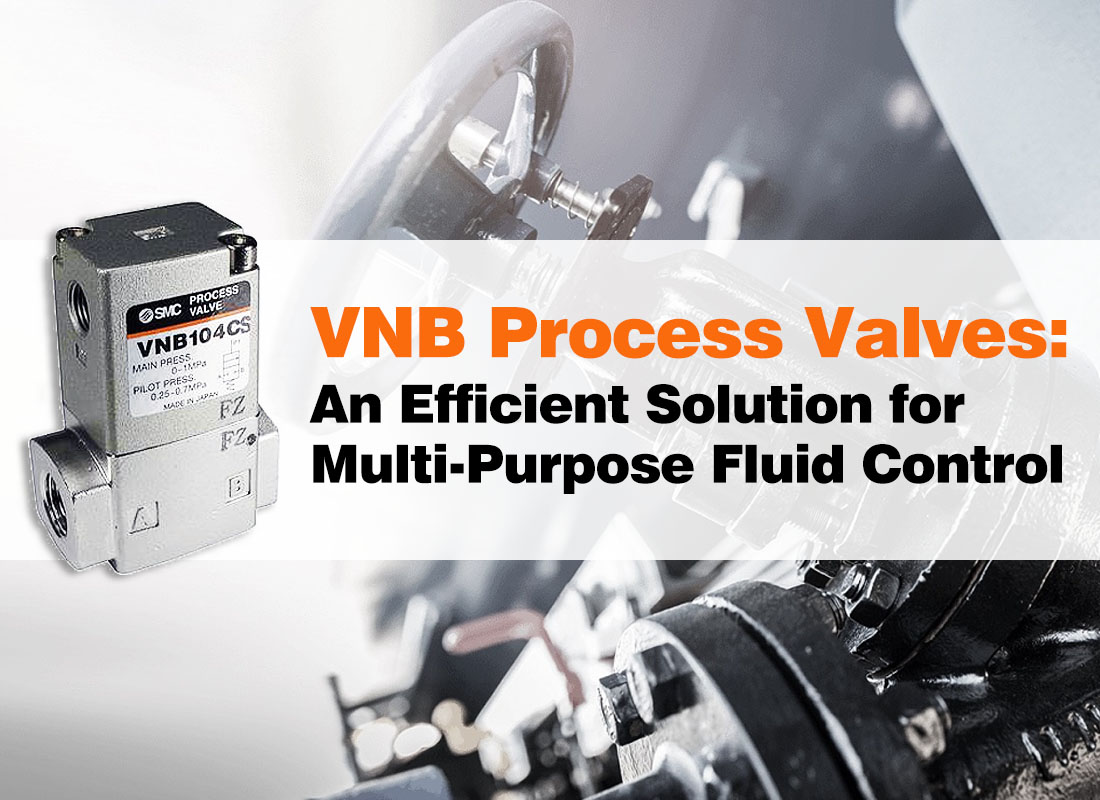 VNB Process Valves: An Efficient Solution for Multi-Purpose Fluid Control
 Valve Freezing Prevention Tips for Winter Maintenance
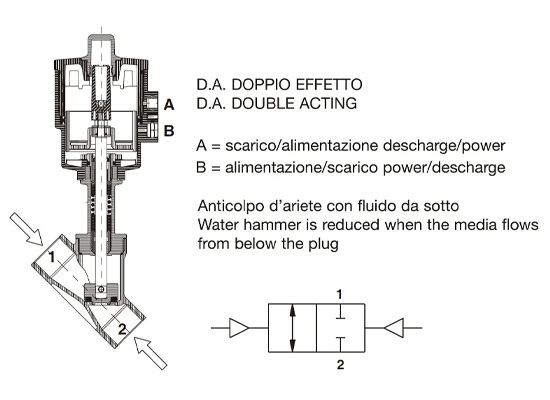 How to determine valve seat angle
You May Interest In

Dec 02, 2025 Blog
What are the parts of a pneumatic cylinder?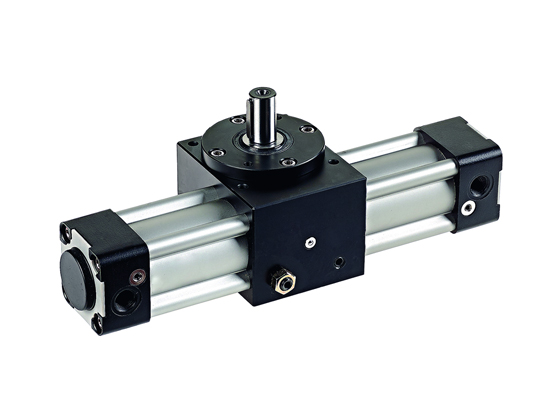


Apr 18, 2025 Blog
What is an Angle Seat Valve?
Get a free sample

Fokca is a brand of Ningbo Fokca Automation Co., Ltd.
Looking for custom pneumatic cylinder solutions? Visit our sister brand, Fescolo.→
© 2026 Ningbo Fokca Automation Co., Ltd. All rights reserved. Sitemap