Nov 18, 2026
Pneumatic tubing is responsible for delivering compressed air between valves, cylinders, fittings, and other components. Although tubing is designed to withstand pressure and movement, improper routing during installation can create mechanical stress that gradually compromises its performance. Twisted, stretched, or excessively bent tubing may experience uneven loading, leading to leakage, deformation, or premature wear.
Whether using PU tubing, PE tubing, or nylon tubing, proper routing and material selection are essential for maintaining reliable connections and extending service life.
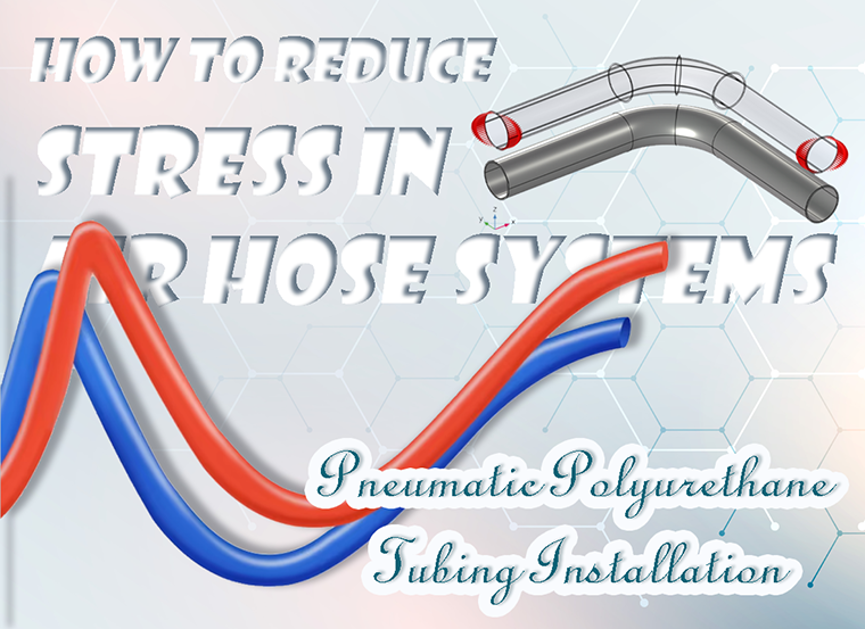
Installation stress often begins when tubing is forced to fit a predetermined route instead of following its natural shape. In compact pneumatic equipment, installers may pull the tube too tightly, twist it to align with a fitting, or bend it around obstacles with insufficient clearance.
These conditions create residual stress within the tubing wall. Even after installation is complete, the tube may continue exerting force on the fitting as it attempts to return to its original shape. This constant loading can weaken the connection, accelerate wear, and eventually cause air leakage.
Different tubing materials respond differently to bending, twisting, and tension. Flexibility determines how easily a tube adapts to installation conditions and how much mechanical stress develops when its routing is restricted.
Tubing Material | Flexibility | Installation Considerations | Common Applications |
PU Tubing | High | Adapts well to curved routing and compact layouts | Automation equipment |
PE Tubing | Medium | Requires attention to bend radius and routing direction | Light-duty pneumatic circuits |
PA / Nylon Tubing | Relatively rigid | More sensitive to forced bends and misalignment | Industrial and higher-pressure systems |
PTFE Tubing | Material-dependent, generally less elastic | Requires careful routing and connection support | Chemical-resistant and specialized systems |
Flexible polyurethane tubing is particularly suitable for equipment with complex routing paths because it can accommodate curves more easily. However, flexibility does not eliminate installation stress. Excessive stretching, sharp bends, or twisting can still compromise tubing performance regardless of material.
Mechanical stress is not always immediately visible. A tube may appear correctly connected while remaining under constant tension or torsion. As operating cycles, vibration, and pressure changes accumulate, these forces can gradually affect the tubing and its connections.
Common consequences include:
Air leakage: Constant side loading may affect the sealing interface between tubing and push-in fittings.
Tubing deformation: Excessive bending or tension can cause flattening, kinking, or changes in the tube's cross-section.
Fatigue and cracking: Repeated movement and vibration may accelerate material fatigue, especially around connection points.
Reduced connection stability: Residual stress may increase the likelihood of tube movement or loosening under dynamic operating conditions.
Stress concentration around fittings is particularly important in pneumatic circuits, where even small leaks can increase air consumption and affect operating efficiency.
Correct tubing installation starts with planning the routing path. Rather than pulling the tube tightly between components, installers should allow enough length for natural bends and accommodate movement where necessary.
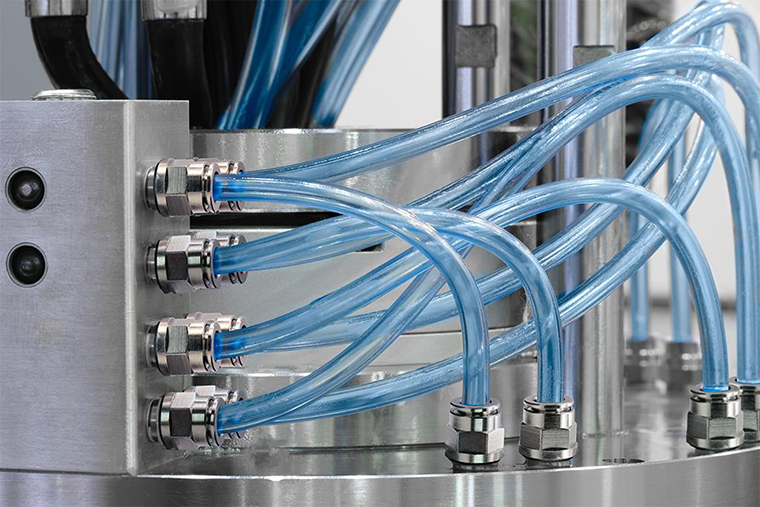
Several installation practices can help minimize mechanical stress:
● Use natural curves: Avoid forcing tubing into sharp bends or unnatural routing paths.
● Prevent twisting: Align the tube with the fitting before insertion instead of rotating or twisting it during connection.
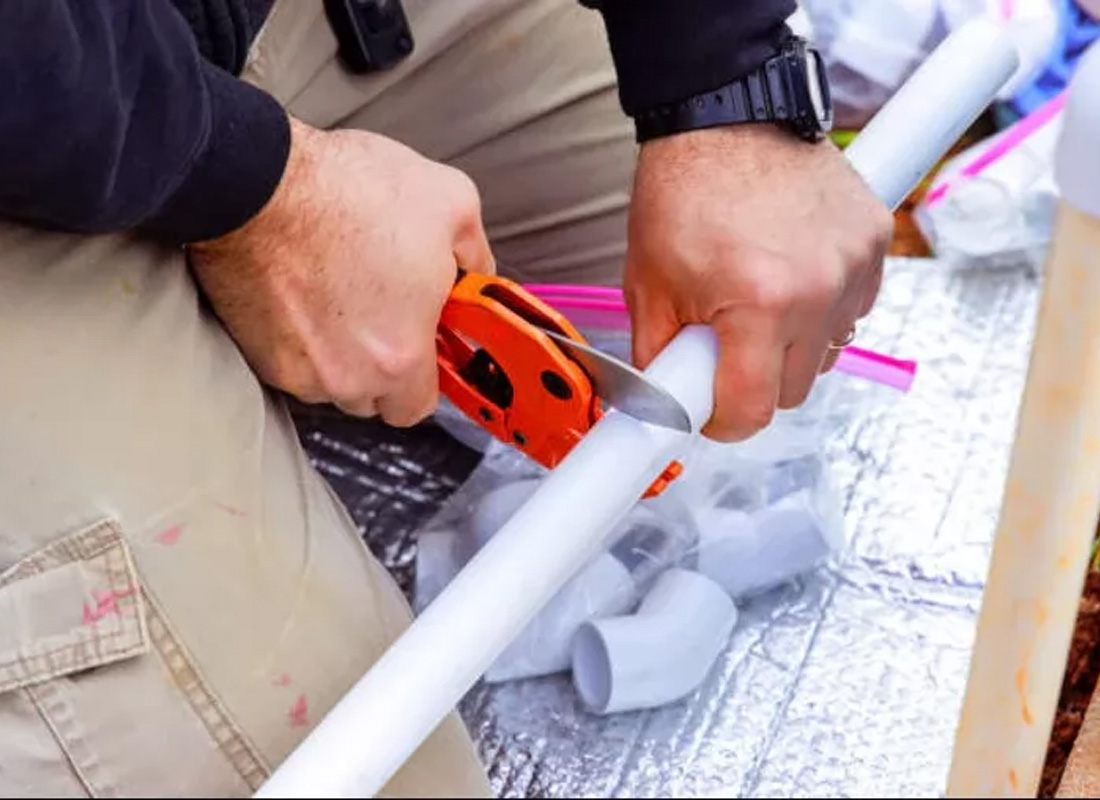
● Cut tubing to the correct length: Avoid excessive tension caused by short tubing sections.
● Allow movement clearance: Leave sufficient slack near moving assemblies to accommodate travel without pulling on connections.
● Maintain bend radius: Follow the manufacturer's recommended minimum bend radius to prevent kinking or deformation.
These practices are especially important for polyurethane tubing used in compact automation systems, where frequent movement and limited installation space can increase mechanical loading.
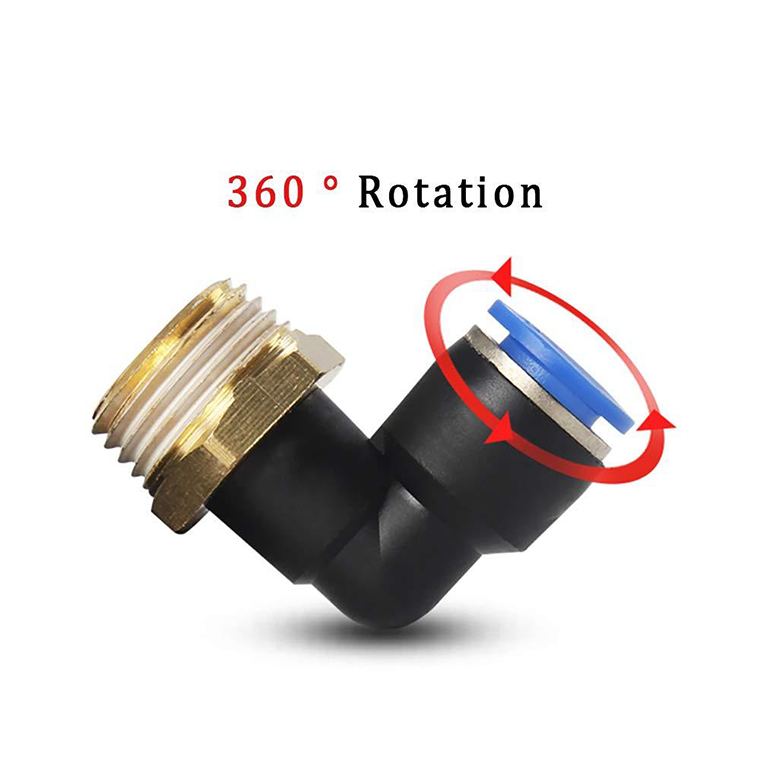
When tubing orientation changes during installation or equipment operation, swivel push-in fittings can help reduce twisting forces. Their rotating connection allows the fitting to change orientation without transferring the same rotational force directly to the tubing.
Compared with conventional fixed push-in fittings, swivel connectors are useful where tube alignment is difficult, components move, or vibration may cause repeated changes in orientation.
They are commonly used alongside pneumatic push-in fittings, pneumatic cylinders, and air preparation components to improve routing flexibility and reduce unnecessary stress on connected tubing.
Material selection should consider more than working pressure and temperature. Routing space, bending requirements, movement frequency, vibration, and fitting compatibility all influence how tubing performs after installation.
Flexible polyurethane tubing is often preferred for automation equipment with compact layouts and frequent routing changes. PE tubing can be suitable for lighter pneumatic circuits, while nylon tubing is often selected where higher pressure resistance or dimensional stability is required.
Regardless of the material, a reliable pneumatic installation depends on three factors: compatible tubing, appropriate fittings, and stress-free routing. Managing these factors from the beginning helps reduce leakage, unnecessary maintenance, and premature tubing replacement.
(FK9026)
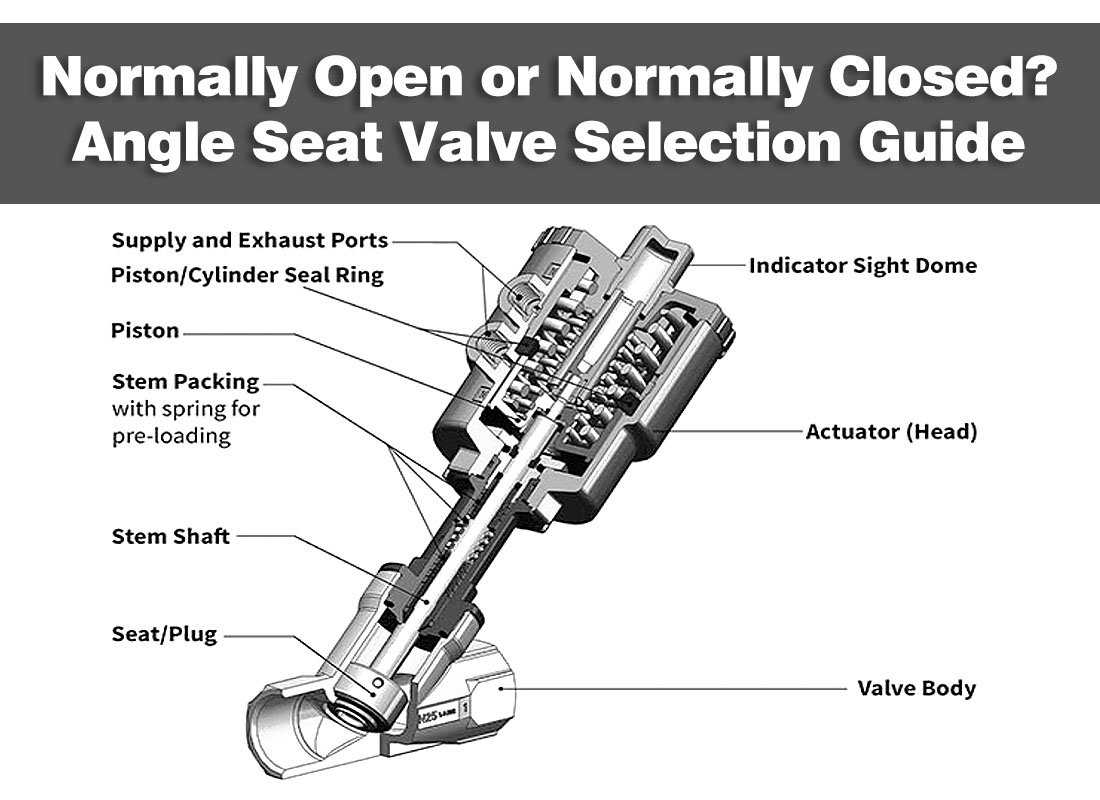 Normally Open or Normally Closed? Angle Seat Valve Selection Guide
 Why CNC Coolant Systems Prefer VNC Valves? A Reliable Solution for Leak Prevention
 VNB Process Valves: An Efficient Solution for Multi-Purpose Fluid Control
 Valve Freezing Prevention Tips for Winter Maintenance
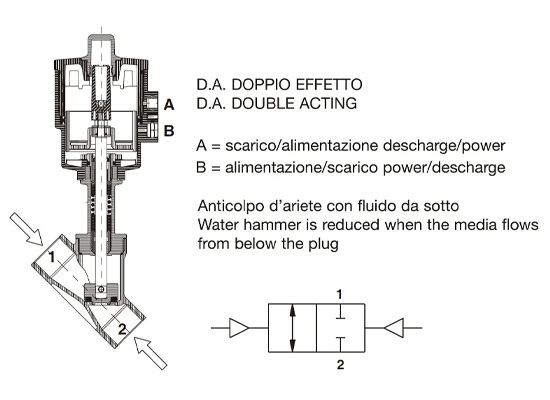 How to determine valve seat angle
You May Interest In

Dec 02, 2025 Blog
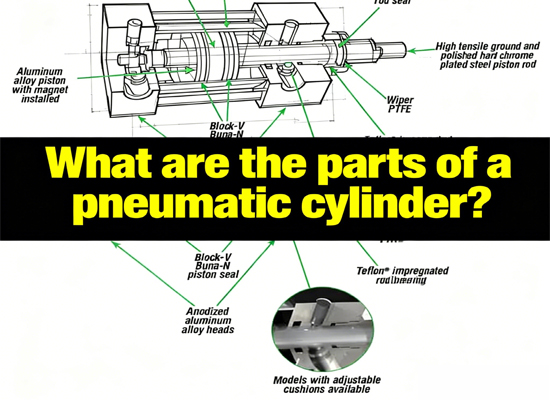
What are the parts of a pneumatic cylinder?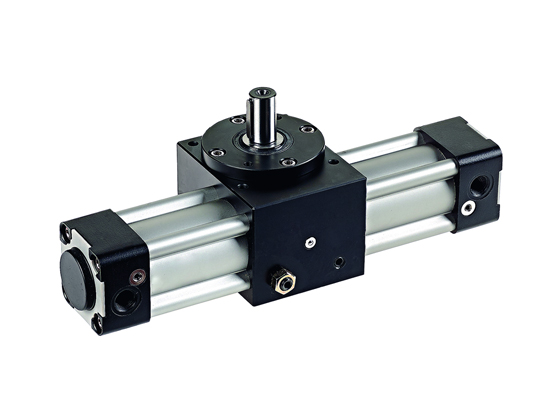
Apr 18, 2025 Blog
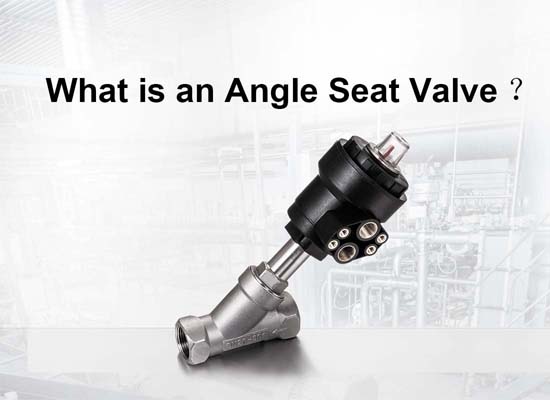
What is an Angle Seat Valve?
Get a free sample

Fokca is a brand of Ningbo Fokca Automation Co., Ltd.
Looking for custom pneumatic cylinder solutions? Visit our sister brand, Fescolo.→
© 2026 Ningbo Fokca Automation Co., Ltd. All rights reserved. Sitemap