Aug 31, 2026
Pneumatic solenoid valves control compressed-air flow through electrical switching, making them essential components in automated machinery, cylinder systems, and industrial production lines. When a valve fails to respond, the problem may come from the electrical circuit, air supply, internal valve mechanism, or installation conditions.
Unlike solenoid valves used directly for liquids or other media, pneumatic solenoid valves require particular attention to compressed-air pressure, air quality, exhaust passages, and actuator response. A complete inspection should therefore examine both the electrical and pneumatic sides of the system.
Inspection helps determine whether the valve receives the correct electrical command, switches its air passages properly, and maintains reliable operation.
The main checks include:
● Whether the coil receives the correct voltage and operates normally.
● Whether the valve changes its airflow path when energized.
● Whether the compressed-air supply meets operating requirements.
● Whether fittings, seals, and internal passages are free from leakage or blockage.
● Whether the valve switches and resets without sticking or abnormal delays.
These checks help identify faults before they interrupt machine operation or affect connected pneumatic actuators.
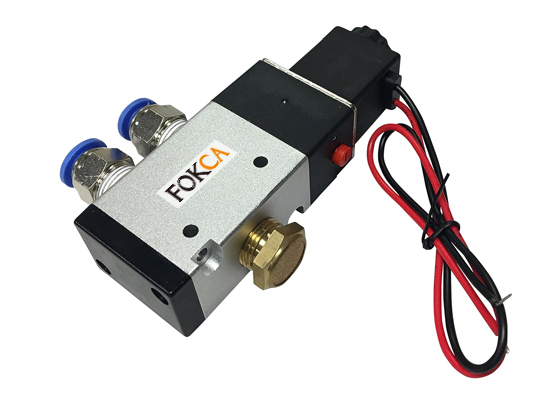
Start with the electrical supply because a pneumatic valve cannot switch correctly if its coil or control circuit is faulty.
Power supply voltage: Compare the measured voltage with the coil nameplate. Confirm whether the valve requires 24 V DC, 110 V AC, 220 V AC, or another specified supply.
Coil condition: Inspect the coil for overheating, discoloration, cracks, or burning odors. Disconnect power before measuring resistance with a multimeter. Compare the result with the manufacturer's specified value to identify possible open or short circuits.
Wiring and terminals: Check connectors, cables, terminal screws, and insulation. Loose contacts, damaged wires, and incorrect polarity on applicable DC designs can cause intermittent switching.
A clicking sound during energizing may indicate armature movement, but further pneumatic testing is needed to confirm actual valve operation.
The compressed-air supply directly affects pneumatic valve performance.
Supply pressure: Use a pressure gauge to verify that inlet pressure remains within the valve's specified operating range. Pilot-operated designs may require a minimum differential pressure or pilot pressure to shift the main valve element.
Air quality: Check the air preparation unit, including filters and regulators. Excessive moisture, oil contamination, and solid particles can damage seals or obstruct small internal passages.
Pipeline connections: Inspect fittings and tubing for loose connections, cracks, and leakage. An approved leak-detection solution can help identify escaping air around external joints.
Exhaust passages: Make sure exhaust ports and silencers are not blocked. Restricted exhaust can slow switching and interfere with actuator movement.
If the electrical supply and air pressure are normal, inspect the valve's internal mechanism.
● Spool or poppet movement: Check whether the moving element shifts freely without sticking or delayed movement.
● Internal contamination: Look for dust, rust, oil residue, and other deposits that may obstruct small passages.
● Sealing components: Examine O-rings, gaskets, and other seals for cracks, deformation, or wear.
● Valve body condition: Check for corrosion, physical damage, and signs of external or internal leakage.
Before disassembly, disconnect the electrical supply, isolate the compressed-air source, and release residual pressure. Follow the manufacturer's maintenance instructions when cleaning or replacing internal components.
A valve may receive an electrical signal but still fail to complete its switching operation. Test its response under normal operating conditions.
Observe whether the valve changes position promptly when energized and returns to its specified default state when the signal is removed. For double-solenoid valves, verify that each coil produces the expected switching action.
Also check the connected cylinder or actuator. Slow or incomplete movement may result from insufficient supply pressure, restricted exhaust, incorrect flow-control settings, or excessive mechanical load rather than a defective solenoid valve.
Installation problems and surrounding conditions can shorten valve service life.
● Mounting orientation: Follow the manufacturer's instructions, as some valve designs have specific mounting requirements.
● Environmental compatibility: Consider high temperatures, humidity, corrosive substances, dust, and mechanical vibration.
● Maintenance access: Ensure that coils, connectors, fittings, and filters can be inspected or replaced without dismantling unnecessary equipment.
● Pipeline arrangement: Avoid excessive tubing length, sharp bends, and unsupported connections that may increase flow resistance or mechanical stress.
The inspection priorities vary according to valve construction and operating medium.
| Inspection aspect | General solenoid valve | Pneumatic solenoid valve |
| Electrical supply | Check rated voltage and signal | Same requirement |
| Coil condition | Inspect resistance and heating | Same requirement |
| Operating medium | Check fluid compatibility and pressure | Check compressed-air supply and quality |
| Pilot operation | Depends on valve design | Check pilot pressure or passage when applicable |
| Internal passages | Check for contamination and blockage | Check spool passages and air ports |
| Exhaust performance | Depends on valve configuration | Important for directional switching |
| Actuator response | Depends on the controlled system | Check connected pneumatic cylinders or actuators |
Pneumatic solenoid valve inspection involves more than checking whether the coil is energized. Reliable operation also depends on suitable air pressure, clean compressed air, unobstructed flow passages, and correct actuator response. Examining these factors together makes troubleshooting more accurate and helps maintain stable performance in automated pneumatic systems.
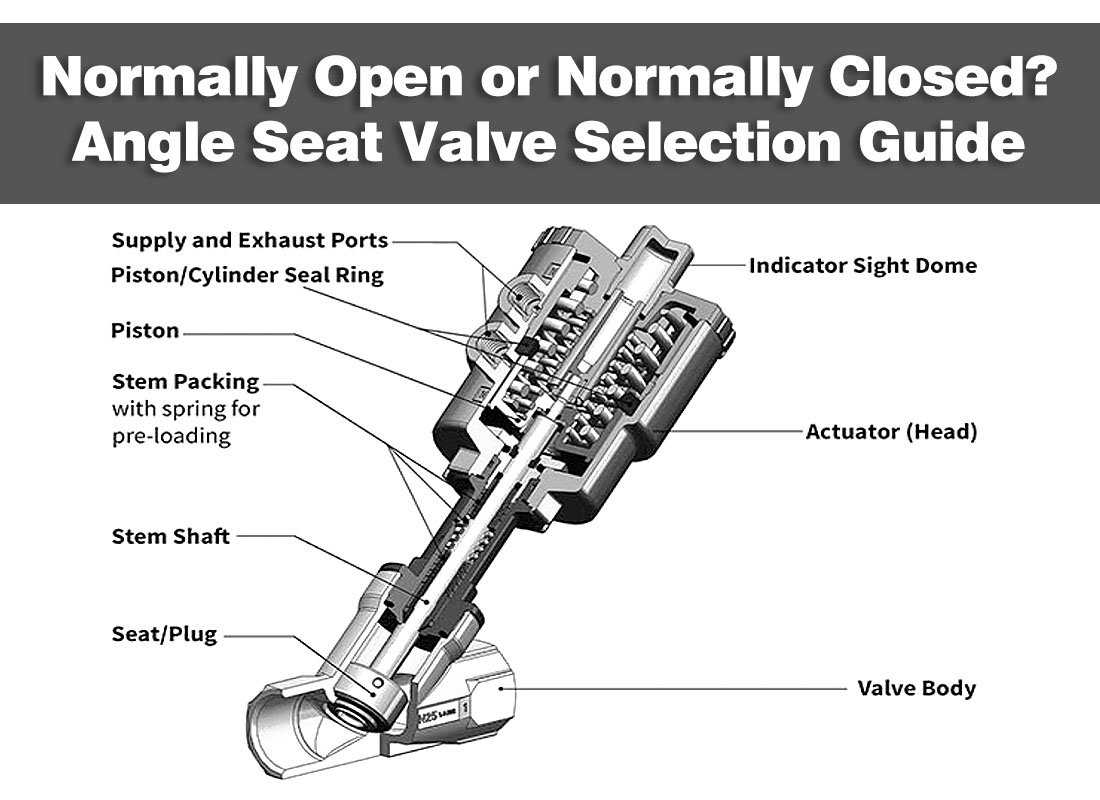 Normally Open or Normally Closed? Angle Seat Valve Selection Guide
 Why CNC Coolant Systems Prefer VNC Valves? A Reliable Solution for Leak Prevention
 VNB Process Valves: An Efficient Solution for Multi-Purpose Fluid Control
 Valve Freezing Prevention Tips for Winter Maintenance
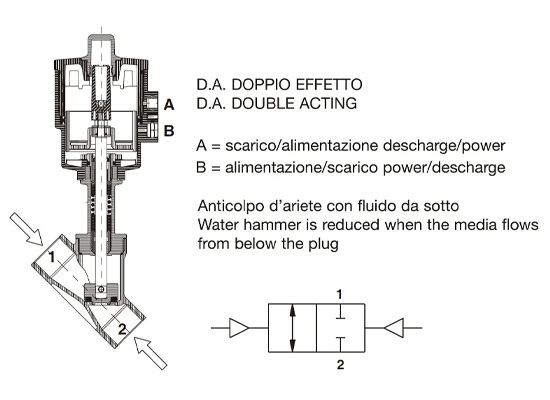 How to determine valve seat angle
You May Interest In

Dec 02, 2025 Blog
What are the parts of a pneumatic cylinder?
Apr 18, 2025 Blog
What is an Angle Seat Valve?
Get a free sample

Fokca is a brand of Ningbo Fokca Automation Co., Ltd.
Looking for custom pneumatic cylinder solutions? Visit our sister brand, Fescolo.→
© 2026 Ningbo Fokca Automation Co., Ltd. All rights reserved. Sitemap