Aug 24, 2026
Compressed air from an air compressor often contains moisture, oil mist, dust, and other contaminants. Its pressure may also fluctuate during operation. If this untreated air enters pneumatic valves, cylinders, and other components directly, it can cause corrosion, unstable operation, premature wear, and reduced service life.
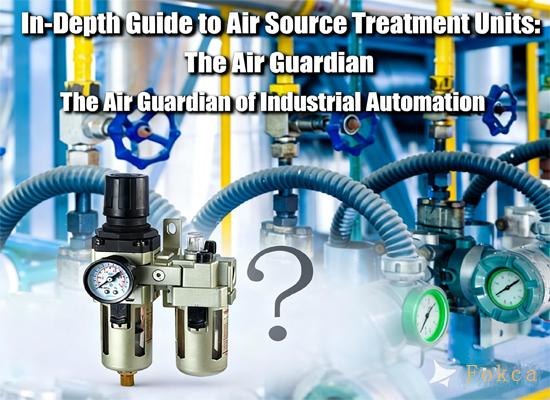
An FRL unit prepares compressed air before it enters the pneumatic system. It filters contaminants, regulates air pressure, and provides lubrication when required, helping pneumatic equipment operate more reliably and efficiently.
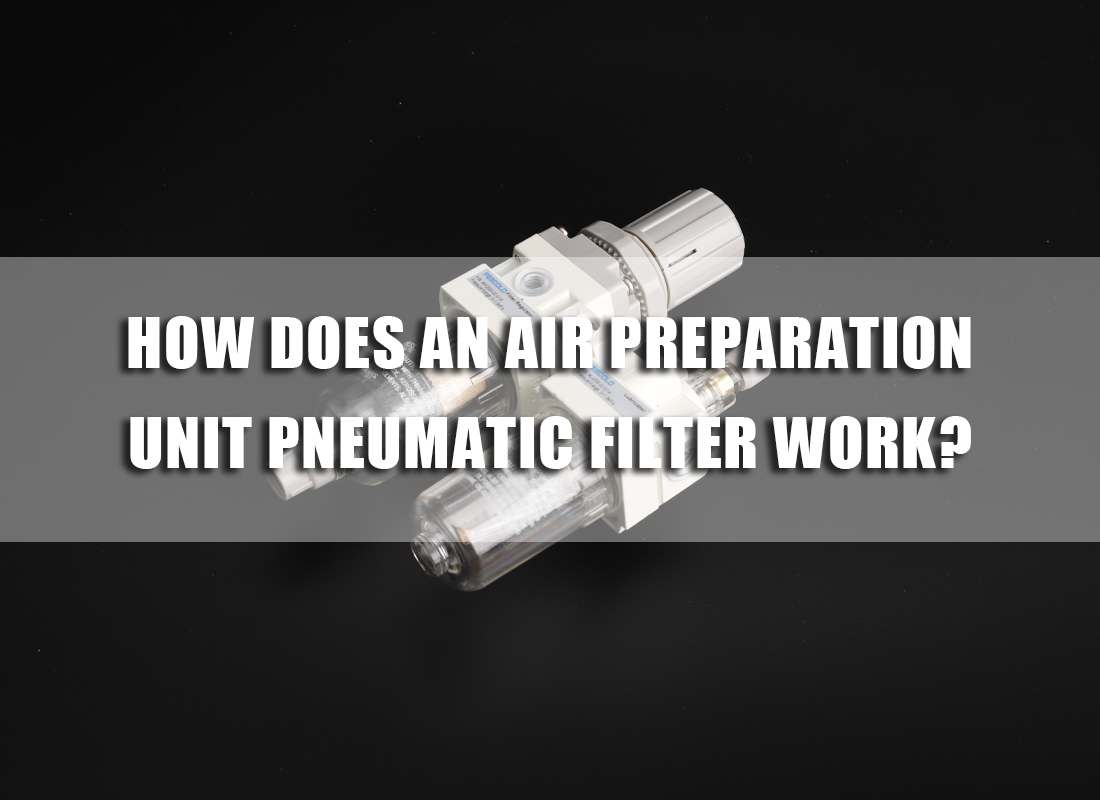
An FRL unit is a pneumatic air preparation device consisting of three main components: a filter, regulator, and lubricator. It is commonly installed downstream of the air compressor and air receiver, before pneumatic control valves and actuators.
Each component has a specific function:
•Filter: Removes water, oil droplets, dust, and solid particles from compressed air.
•Regulator: Reduces and maintains the required downstream air pressure.
•Lubricator: Adds a controlled amount of oil mist to the airflow when pneumatic components require additional lubrication.
Together, these components provide cleaner, more stable compressed air for pneumatic equipment.
The operation of an FRL unit can be understood through three stages.
The air filter removes contaminants from compressed air. As air enters the filter bowl, it is directed into a swirling flow. Centrifugal force separates heavier water droplets and particles, which collect at the bottom of the bowl. The air then passes through the filter element, where finer particles are trapped.
Depending on the filter design, different filtration grades are available for various pneumatic applications. Collected condensate can be removed through a manual or automatic drain.
The regulator reduces the incoming pressure to a preset working pressure and helps maintain stable outlet pressure when air consumption changes.
When the outlet pressure falls, the regulating mechanism opens to allow more compressed air to pass. When the pressure reaches the set value, the valve restricts airflow. A pressure gauge allows operators to monitor and adjust the working pressure according to equipment requirements.
The lubricator supplies a controlled amount of fine oil mist to downstream pneumatic components that require lubrication.
As compressed air passes through the lubricator, a pressure difference draws oil from the reservoir into the airflow. The oil is atomized into small droplets and carried downstream, helping reduce friction and wear in moving pneumatic components.
The FRL unit is normally installed after the air compressor and air receiver, and before pneumatic valves, cylinders, and other actuators.
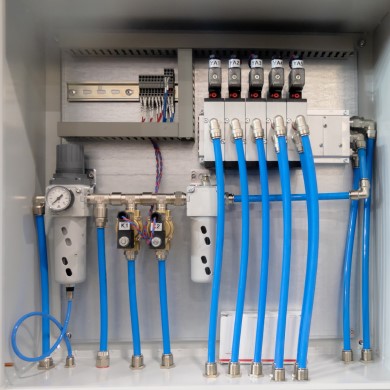
A main FRL unit can condition the air for an entire pneumatic system. Where different branches require different pressures, filtration levels, or lubrication conditions, additional air preparation units can be installed locally.
Proper air preparation is essential for reliable pneumatic operation.
(FK9026)
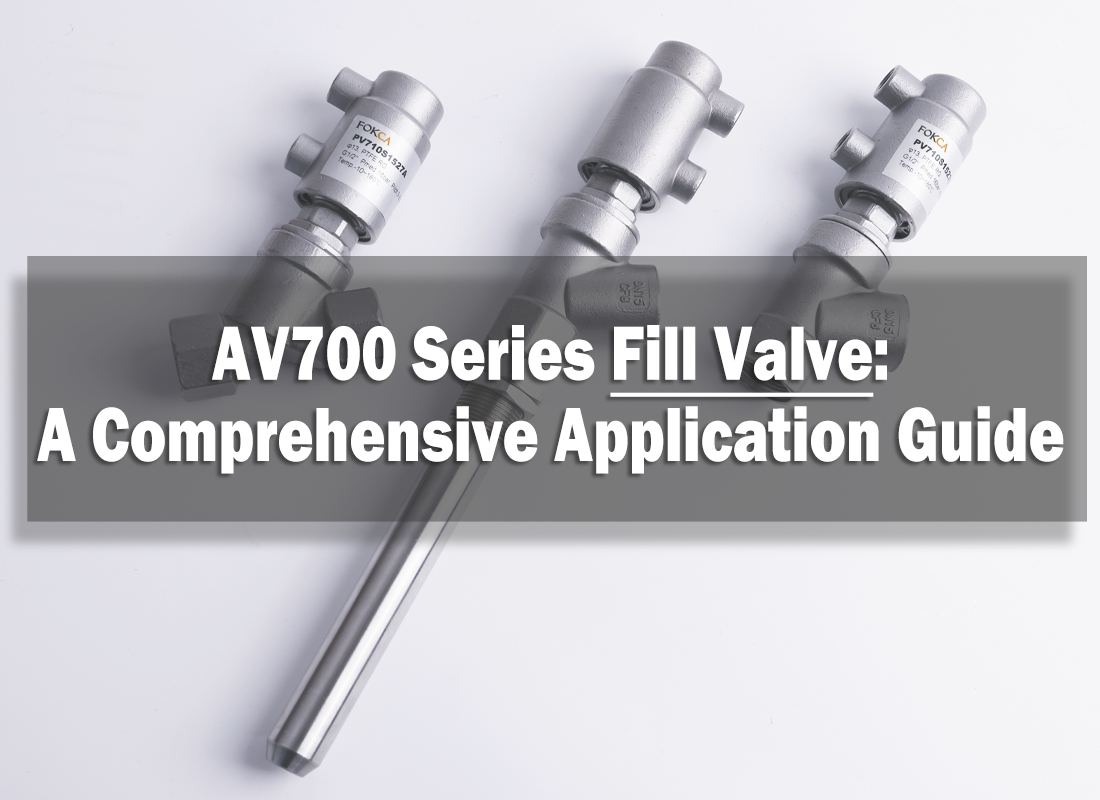 AV700 Series Fill Valve: A Comprehensive Application Guide
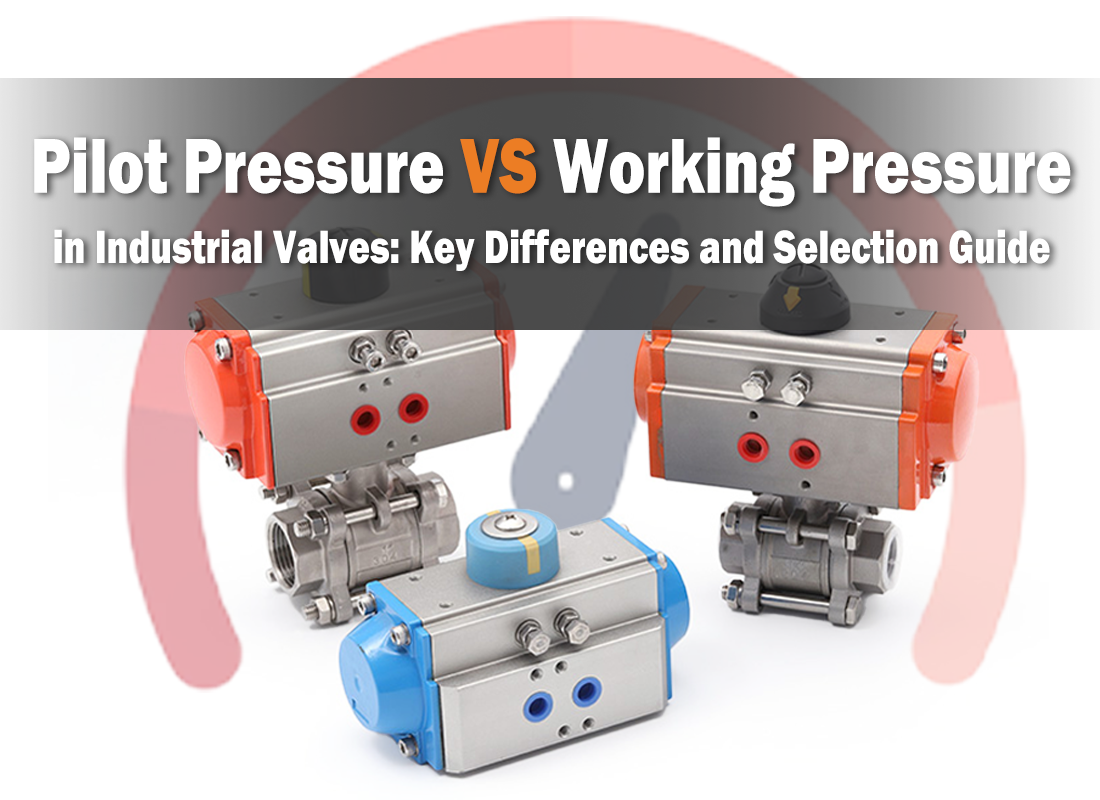 Pilot Pressure vs Working Pressure in Industrial Valves: Key Differences and Selection Guide
 Water Hammer Explained: Why Angle Seat Valves Are the Optimal Solution
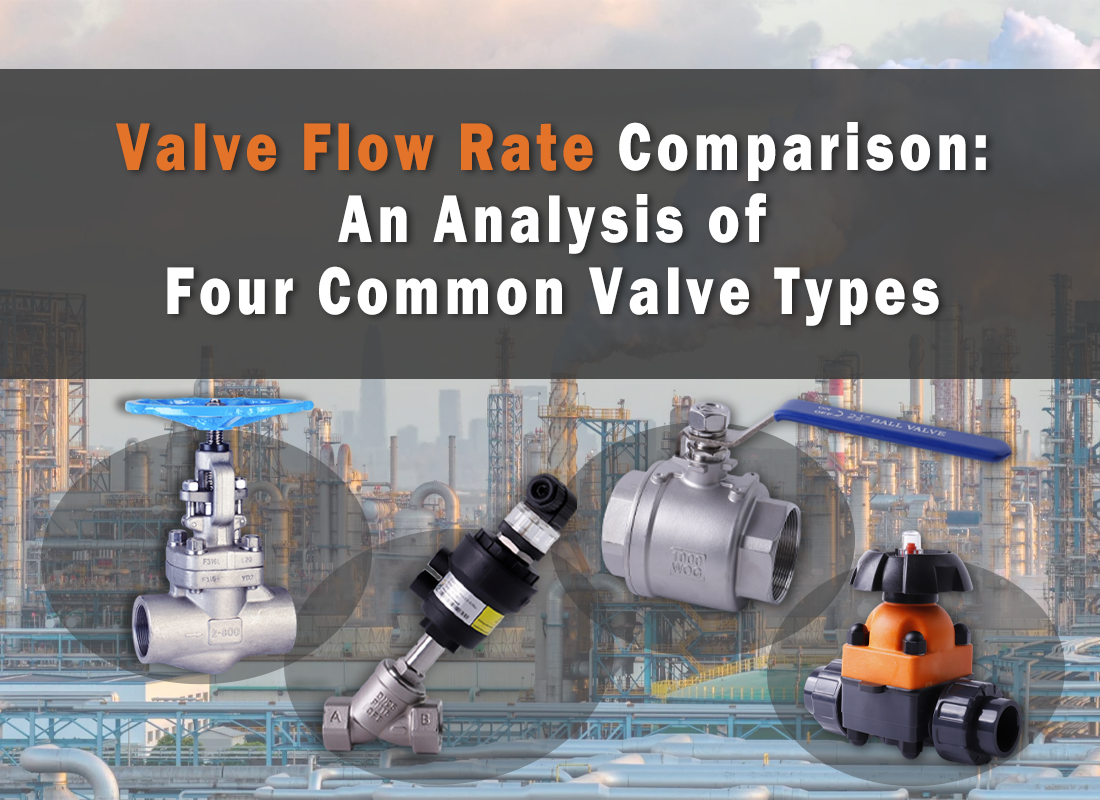 Valve Flow Rate Comparison: An Analysis of Four Common Valve Types
 The Temperature Limit of Valves: How Seal Material Affects Valve Body Performance
You May Interest In

Dec 02, 2025 Blog
What are the parts of a pneumatic cylinder?

Apr 18, 2025 Blog
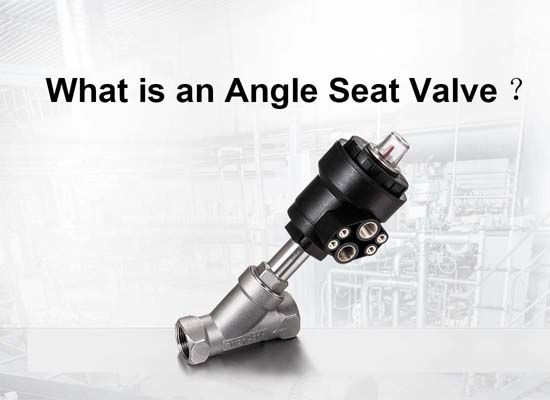
What is an Angle Seat Valve?
Get a free sample

Fokca is a brand of Ningbo Fokca Automation Co., Ltd.
Looking for custom pneumatic cylinder solutions? Visit our sister brand, Fescolo.→
© 2026 Ningbo Fokca Automation Co., Ltd. All rights reserved. Sitemap