Sep 20, 2026
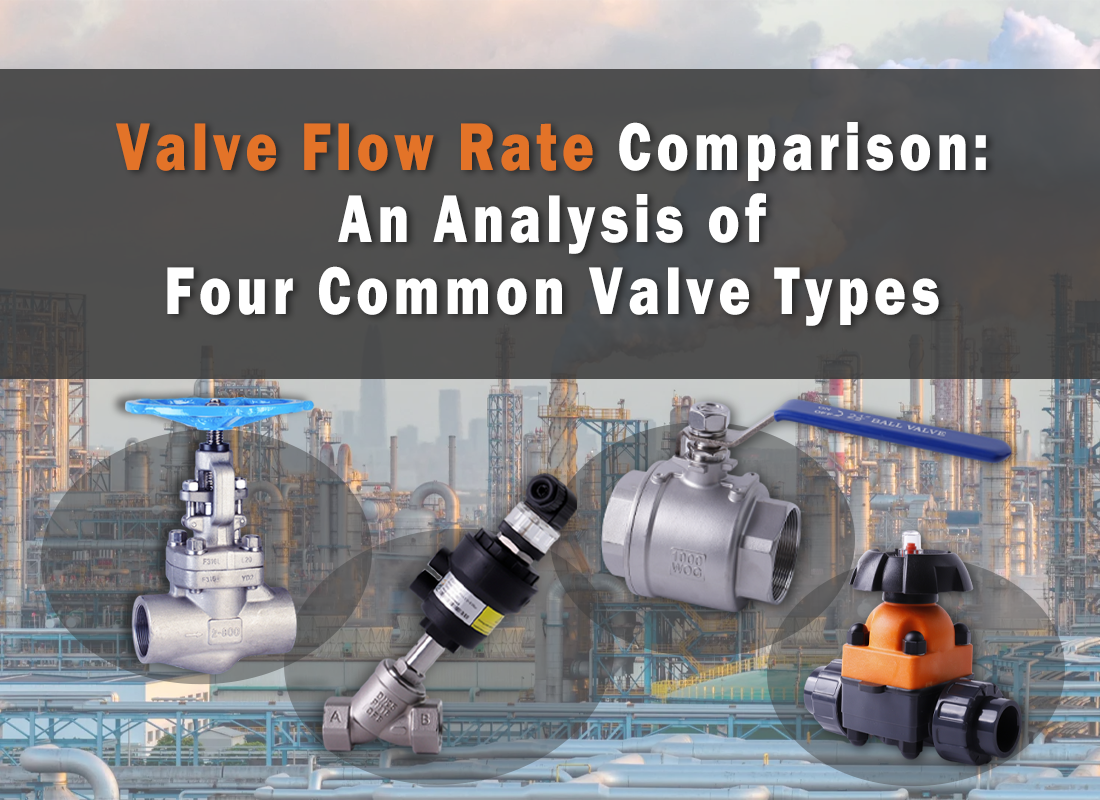
In industrial piping systems, valve flow capacity has a direct influence on pressure loss, media transportation, and overall system efficiency. A common misconception is that valves with the same nominal diameter, such as DN25 or DN50, should provide similar flow rates. In practice, two valves of the same size can have very different flow characteristics because their internal passages, seats, discs, and sealing structures are designed differently.
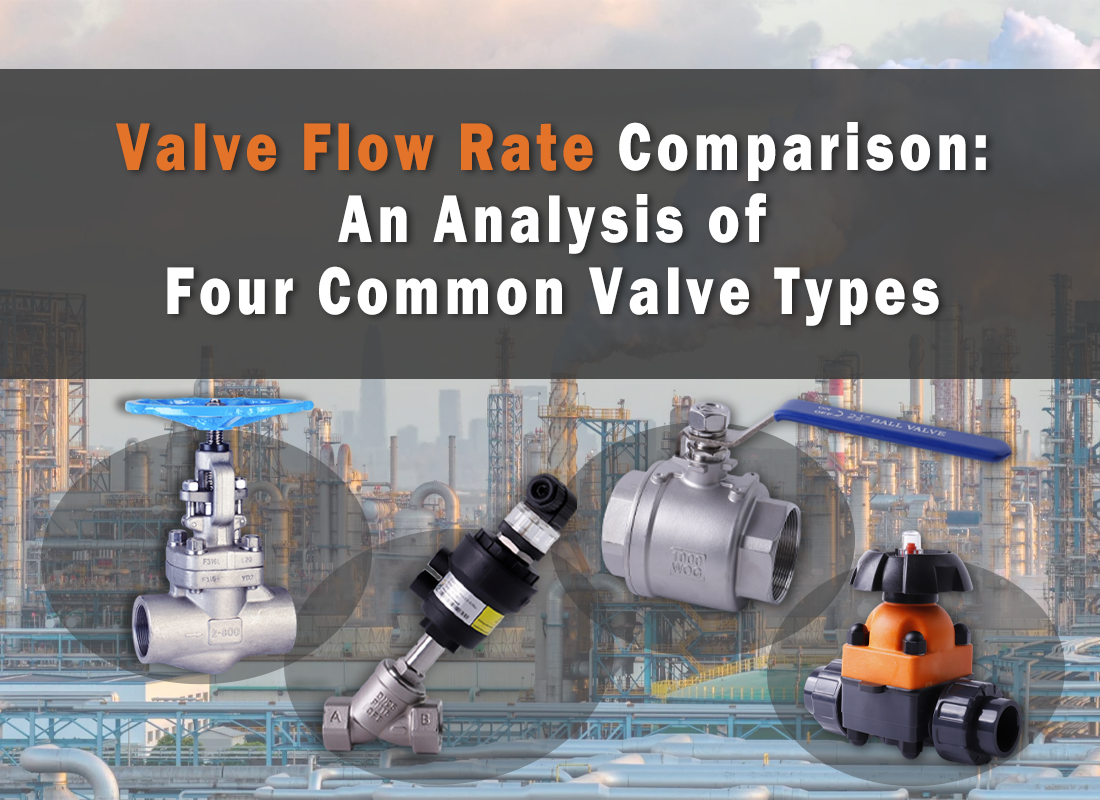
Four commonly used valve types—ball valves, angle seat valves, globe valves, and diaphragm valves—illustrate this difference clearly. Under comparable operating conditions, a valve with a smoother and more direct flow path generally produces less resistance. However, maximum flow is not the only selection criterion. Control accuracy, sealing requirements, media cleanliness, operating frequency, and pressure conditions must also be considered.
As a general engineering comparison, the typical flow-capacity trend is:
Full-bore ball valve > angle seat valve > globe valve > diaphragm valve
This ranking should be treated as a general tendency rather than an absolute rule. The actual flow rate depends on the valve's Cv or Kv value, effective port area, pressure drop, medium properties, and specific construction.
A full-bore ball valve usually provides the least restriction because its internal opening can closely match the connected pipe. Globe and diaphragm valves introduce more changes or obstructions within the flow path, increasing pressure loss. This explains why nominal diameter alone cannot be used to determine actual flow capacity.
A full-bore ball valve is designed to provide a relatively direct passage through the valve. When fully open, the bore through the ball aligns with the pipeline, allowing the medium to travel with comparatively little change in direction or obstruction.
This low-resistance design makes ball valves particularly suitable for applications requiring high flow capacity and low pressure loss. They also normally use a quarter-turn mechanism, allowing rapid opening and closing.
Typical applications include water distribution, chemical transfer, compressed-air systems, and process pipelines. However, reduced-port or specialty ball valves may have smaller effective flow areas, so the actual Cv or Kv value should be checked when flow capacity is critical.
An angle seat valve uses a compact body in which the inlet and outlet are positioned at approximately 90 degrees. Although the medium changes direction, the internal passage can be relatively open and streamlined compared with many conventional globe-valve designs.
This gives angle seat valves a useful balance between flow capacity, sealing performance, and frequent operation. They are commonly found in pneumatic automation, steam, water, and process applications where the valve may need to cycle repeatedly.
The actual flow coefficient varies considerably between models, so the manufacturer's Cv or Kv data should be used instead of relying only on nominal pipe size.
Globe valves generally have a more complicated internal flow path. The medium changes direction as it passes around the valve seat and disc, creating additional turbulence and pressure loss compared with a straight-through valve.
Their relatively higher resistance is often the trade-off for their excellent throttling and flow-control capability. By changing the position of the disc relative to the seat, a globe valve can regulate flow more precisely than a simple on/off valve.
This makes globe valves suitable for applications such as process control, steam regulation, laboratory equipment, and other systems where controlled flow is more important than achieving the lowest possible pressure drop.
A diaphragm valve uses a flexible diaphragm to isolate the process medium from the valve's operating mechanism. Depending on the design, the diaphragm and internal weir can occupy part of the flow passage even when the valve is fully open.
Consequently, diaphragm valves can have greater flow resistance than valves with more open internal passages. Their major advantage, however, is not maximum flow. The diaphragm provides excellent media isolation and low contamination risk, making these valves valuable for hygienic and high-purity processes.
They are widely used in pharmaceutical production, ultrapure-water systems, biotechnology, food processing, and corrosive-media handling. In these applications, cleanability and media protection may be more important than minimizing pressure loss.
The correct valve should be selected by balancing flow capacity with the actual process requirements.
Consider a full-bore ball valve.
Check the valve's Cv/Kv value against the required flow and available pressure drop.
An angle seat valve can provide a practical balance between flow, sealing, and cycling performance.
It is particularly useful in pneumatic and automated process systems.
A globe valve is often more appropriate.
Its higher flow resistance can be an acceptable trade-off when throttling performance is the priority.
A diaphragm valve is often preferred.
The isolated diaphragm helps protect the medium from internsal valve components.
Before making the final selection, compare the manufacturer's Cv/Kv value, pressure rating, temperature range, connection size, medium compatibility, and operating frequency. A larger nominal valve does not automatically provide better system performance.
The difference in flow capacity between valves of the same nominal diameter is primarily related to their internal flow-path design and effective flow area. A full-bore ball valve generally minimizes restriction, while globe and diaphragm valves accept higher flow resistance in exchange for specific control or isolation advantages.
For this reason, valve selection should not be based on maximum flow alone. Matching the valve's flow coefficient and structural characteristics to the actual process conditions is a more reliable approach to achieving stable flow, appropriate pressure loss, and long-term system performance.
(FK9025)
You May Interest In


Dec 02, 2025 Blog
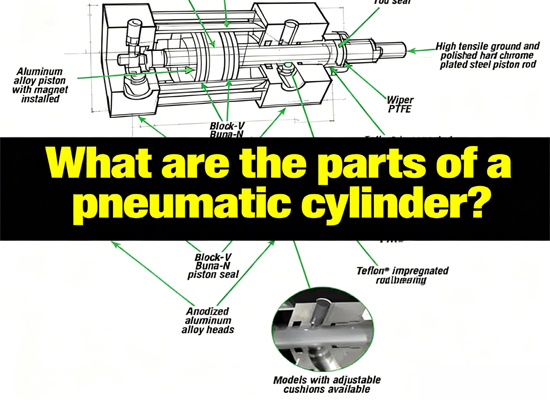
What are the parts of a pneumatic cylinder?





Apr 18, 2025 Blog
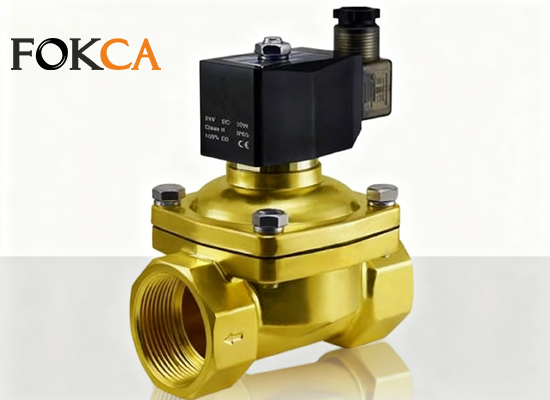
What is an Angle Seat Valve?
Get a free sample

Fokca is a brand of Ningbo Fokca Automation Co., Ltd.
Looking for custom pneumatic cylinder solutions? Visit our sister brand, Fescolo.→
© 2026 Ningbo Fokca Automation Co., Ltd. All rights reserved. Sitemap




 None
None