Oct 16, 2026
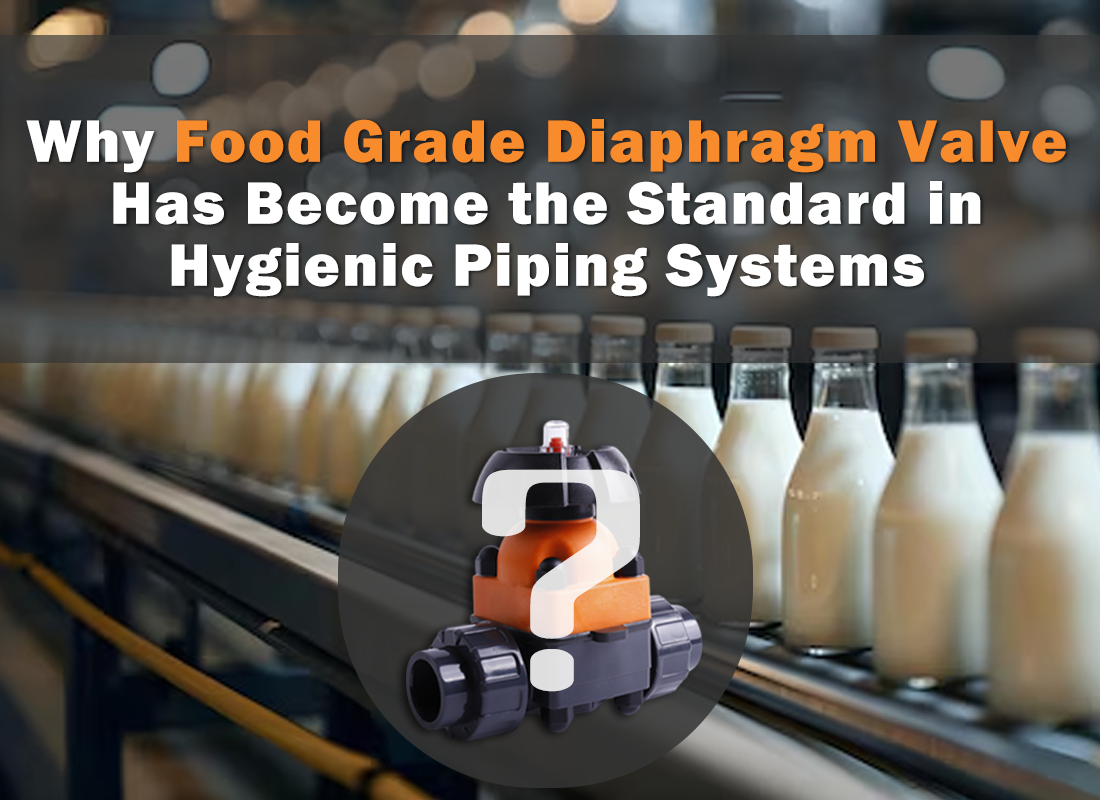
In food and beverage production, valve selection affects more than flow control. Product residue, inadequate cleaning, and unsuitable sealing materials can compromise hygiene and lead to unplanned downtime. Food grade diaphragm valves are widely used in hygienic piping systems because their sealing design separates the process medium from the valve actuator and can support effective cleaning when properly specified.
From dairy processing to beverage filling, the right diaphragm valve helps manufacturers manage product flow while meeting the sanitation requirements of their processes. However, hygienic performance depends on the complete valve design, material compatibility, installation, and cleaning procedure—not simply the valve type.
A diaphragm valve uses a flexible membrane to control flow. When the valve closes, the diaphragm presses against a sealing area in the valve body, stopping the medium from passing through. The diaphragm also separates the process fluid from the bonnet and actuator mechanism.
Unlike valve designs that rely on a stem seal exposed to the process side, a properly designed diaphragm valve reduces the potential for product contact with moving mechanical components and their associated lubricants. The diaphragm itself remains a critical wetted component, so its material and condition must meet the application's requirements.
This arrangement is particularly useful in food production, where controlling contamination risks and simplifying maintenance are important considerations.
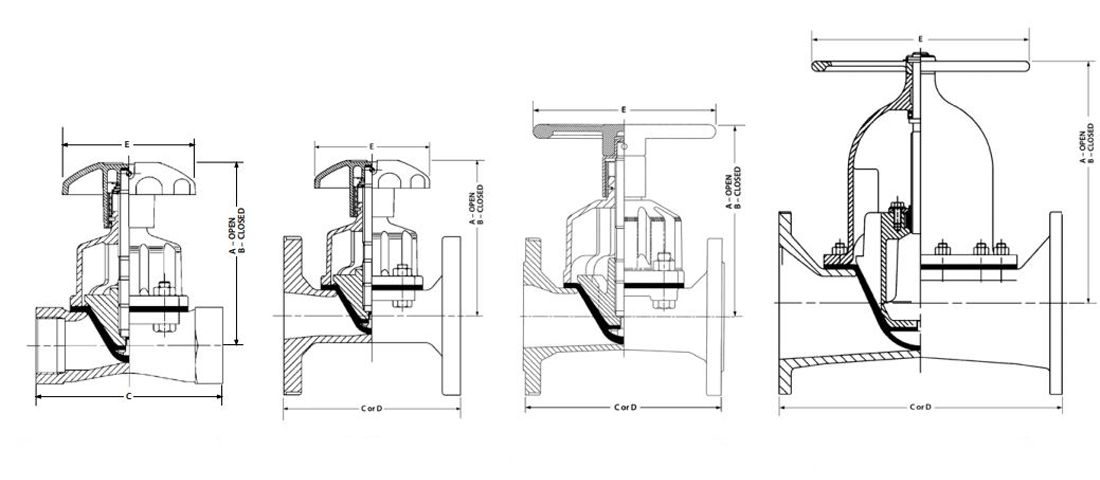
Hygienic equipment must allow product-contact surfaces to be cleaned effectively. Diaphragm valves can be designed with smooth flow passages and reduced areas where product may accumulate, helping improve cleanability and drainage.
Many suitable models can be incorporated into clean-in-place (CIP) systems, allowing cleaning solutions to circulate through the installed piping without routine valve disassembly. Steam-in-place (SIP) may also be possible when the valve, diaphragm, and associated components are specifically rated for the required sterilization conditions.
Not every diaphragm valve is automatically suitable for CIP or SIP. Valve geometry, installation orientation, flow conditions, cleaning chemistry, temperature, and exposure time all influence cleaning effectiveness. Hygienic design standards, such as those developed by 3-A Sanitary Standards, provide relevant criteria for food-contact equipment. Source
The diaphragm is one of the most important components in a food grade diaphragm valve because it must maintain sealing performance while repeatedly flexing during operation.
EPDM is commonly used in water, hot-water, and selected food-processing applications because of its resistance to water and many cleaning conditions. Its suitability for a particular food product depends on the specific rubber formulation, temperature, concentration, and exposure duration.
Important factors when evaluating EPDM diaphragms include:
● Temperature resistance: Confirm the permitted operating and cleaning temperatures for the exact diaphragm grade.
● Chemical compatibility: Check compatibility with the product, detergents, sanitizers, and any process additives.
● Food-contact compliance: Request documentation for the specific material and intended conditions of use.
● Service life: Consider operating cycles, pressure fluctuations, compression, and repeated thermal exposure.
EPDM is not universally compatible with every food ingredient or process chemical. For example, applications involving substantial oil or fat exposure may require a different diaphragm material, depending on the formulation and operating conditions.
In the United States, FDA regulation 21 CFR 177.2600 addresses certain rubber articles intended for repeated food contact, subject to specified compositional and extraction requirements. A generic statement that a diaphragm is “food grade” does not, by itself, establish compliance with every applicable requirement. Source
Food grade diaphragm valves are used in a range of liquid-processing operations where hygiene and controlled flow are essential.
● Dairy processing: Milk, cream, yogurt ingredients, and other dairy streams require equipment that can be cleaned effectively. Diaphragm valves can help isolate product flow from the actuator mechanism and support sanitary piping designs.
● Breweries and beverage plants: Water, beverage ingredients, syrups, and other compatible liquids may require reliable flow control during preparation, transfer, and filling. Valve selection must account for product properties and cleaning procedures.
● Food ingredient and nutritional liquid production: Concentrates, liquid additives, and formulated products may place different demands on sealing materials. Compatibility checks are particularly important when formulations contain acids, oils, or other potentially aggressive ingredients.
● Water processing: Diaphragm valves are also used in selected water-treatment and distribution systems. For drinking-water applications, confirm that the complete valve assembly meets the relevant requirements for the intended use.
The correct valve depends on the medium, operating conditions, sanitation requirements, and applicable regulations. No single valve design is automatically suitable for every process.
As production lines become more automated, pneumatic diaphragm valves offer a practical way to control fluid flow remotely. A pneumatic actuator can receive commands from a control system, enabling coordinated valve operation during filling, transfer, and cleaning sequences.
Compared with manual operation, automated control can improve switching consistency and reduce the need for operators to access individual valves. Pneumatic actuation is especially useful where multiple valves must follow a defined production sequence.
However, a pneumatic actuator alone does not guarantee precise dosing or hygienic operation. Filling accuracy depends on the complete system, including flow characteristics, pressure stability, valve sizing, control logic, and the properties of the liquid. Actuator selection must also account for the valve's pressure conditions and required operating force.
Before choosing a valve for a hygienic piping system, evaluate the following points:
① Process conditions: Identify the medium, working pressure, operating temperature, and required flow rate.
② Diaphragm compatibility: Confirm resistance to the product and all cleaning or sanitizing chemicals.
③ Hygienic construction: Review the wetted-surface design, drainage characteristics, connections, and applicable sanitary requirements.
④ CIP/SIP suitability: Verify the manufacturer's permitted cleaning temperatures, chemical exposure, and operating procedures.
⑤ Control requirements: Determine whether manual, pneumatic, or another actuation method fits the process.
⑥ Documentation: Request relevant material declarations, test reports, and certificates for the exact model and intended application.
A well-selected food grade diaphragm valve can support hygienic flow control, effective maintenance, and reliable production. Its performance ultimately depends on matching the valve design, diaphragm material, and control method to the actual process.
For food and beverage manufacturers upgrading their piping systems, FOKCA can help identify suitable valve options based on application requirements, operating conditions, and connection specifications.
(FK9025)
 Selecting a Pneumatic Actuator: Key Differences Between Single Acting and Double Acting Designs
 Pneumatic Actuator: The Core Power Unit Behind Industrial Automation
 Why Food Grade Diaphragm Valve Has Become the Standard in Hygienic Piping Systems
 AV700 Series Fill Valve: A Comprehensive Application Guide
 Pilot Pressure vs Working Pressure in Industrial Valves: Key Differences and Selection Guide
You May Interest In

Dec 02, 2025 Blog
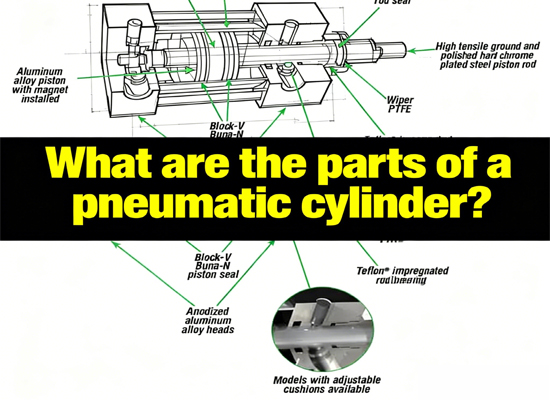
What are the parts of a pneumatic cylinder?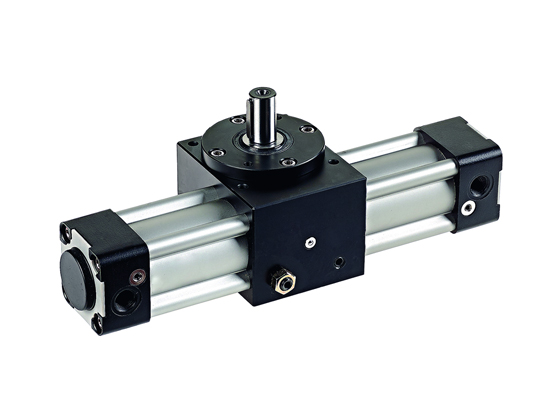
Apr 18, 2025 Blog
What is an Angle Seat Valve?
Get a free sample

Fokca is a brand of Ningbo Fokca Automation Co., Ltd.
Looking for custom pneumatic cylinder solutions? Visit our sister brand, Fescolo.→
© 2026 Ningbo Fokca Automation Co., Ltd. All rights reserved. Sitemap