Oct 10, 2026
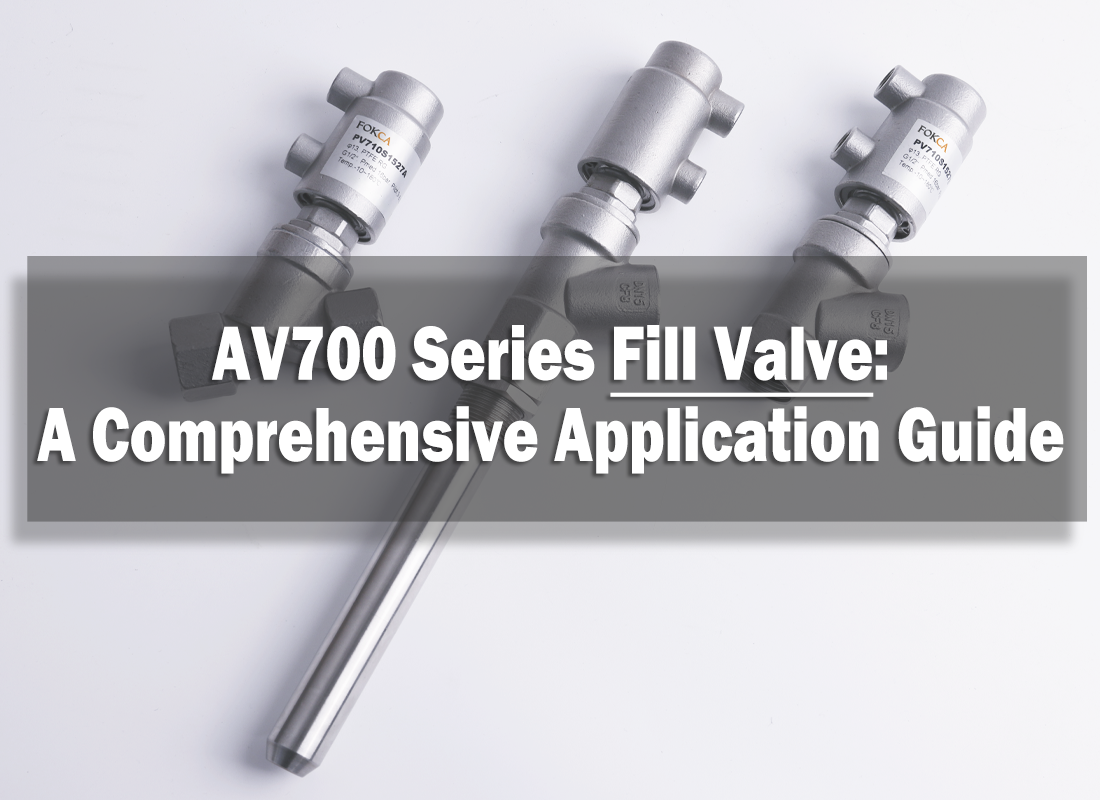
In automated filling lines, valve performance directly affects product consistency, material waste, and production efficiency. Uncontrolled flow, delayed shutoff, or liquid dripping after dispensing can lead to overfilling, additional cleaning, and inconsistent batch results. Choosing a suitable AV700 Series fill valve means considering not only opening and closing speed, but also sealing performance, fluid characteristics, and compatibility with the filling system.
Designed for pneumatic control applications, the AV700 Series fill valve can be evaluated for automated dispensing processes that require repeatable operation and reliable shutoff. Correct sizing, appropriate seal selection, and proper control settings are essential to achieving consistent results.
A filling valve does more than start and stop fluid flow. Its response characteristics influence how consistently a machine delivers liquid, particularly when the line performs frequent filling cycles.
A suitable pneumatic filling valve can support three important operating goals:
● Repeatable switching: Consistent actuation helps the control system coordinate filling cycles.
● Reliable shutoff: Appropriate valve and seal design helps reduce leakage and unwanted dripping after dispensing.
● Maintainable operation: Accessible wear components and suitable replacement parts can simplify routine servicing.
When integrated with a PLC or filling controller, the valve operates according to programmed timing or process signals. However, valve response alone does not guarantee a specific filling accuracy. Final accuracy also depends on flow rate, supply pressure, nozzle design, product viscosity, filling time, and the measuring or feedback system.
Industrial filling equipment operates under varying conditions, including pressure fluctuations, repeated switching, temperature changes, and routine cleaning. The valve must therefore be selected according to the actual process rather than its name or nominal size alone.
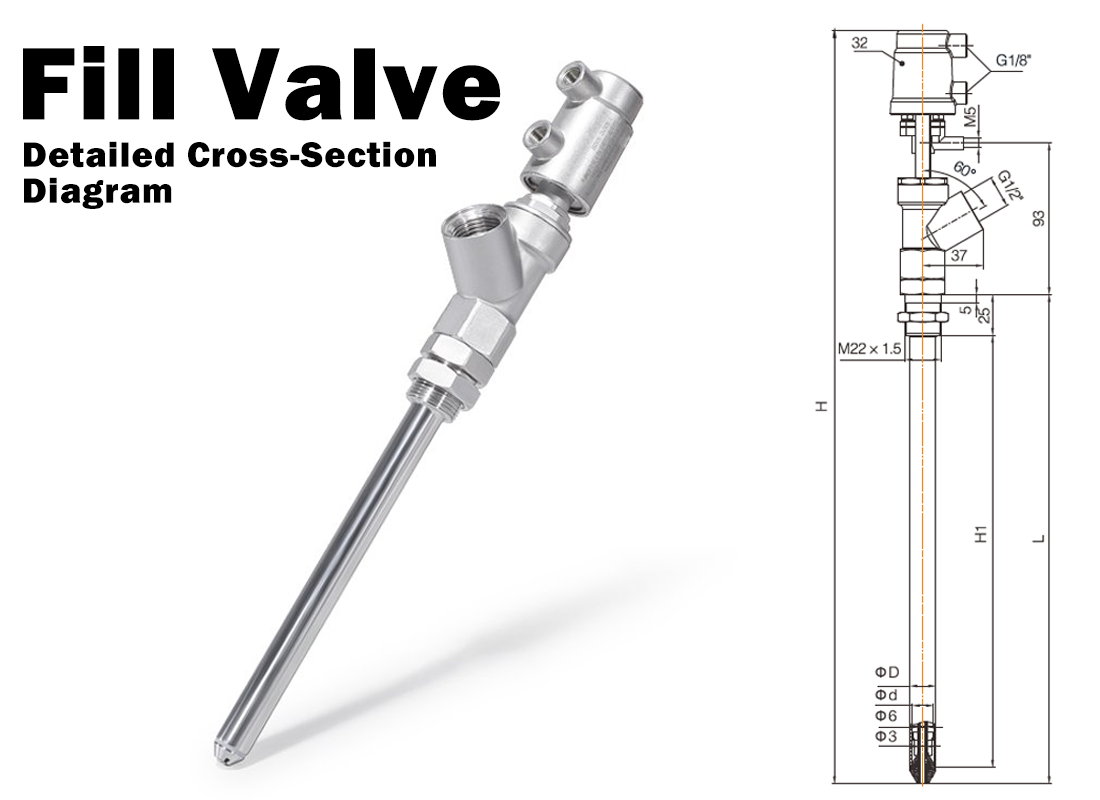
Sealing performance is especially important when handling liquids that leave residue or require frequent cleaning. A suitable sealing arrangement helps limit leakage during operation and unwanted discharge after the valve closes.
The flow passage also affects filling behavior. Valve size and internal geometry influence pressure loss and flow capacity, while abrupt changes in flow can cause splashing or foaming in certain products. For liquids containing dissolved gas or those with a tendency to foam, the complete filling setup—including pump performance, nozzle design, and flow-control settings—should be considered.
Pneumatic actuation allows a valve to be controlled through compressed air and integrated with standard automation systems. The actuator converts air pressure into mechanical movement, enabling the valve to open and close in response to control signals.
For reliable operation, the available air pressure must remain within the actuator's specified range. Air preparation, tubing layout, control-valve response, and actuator adjustment can all affect switching behavior. Actual operating limits and structural details should be confirmed against the AV700 Series product datasheet.
The AV700 Series may be considered for automated liquid-dispensing applications where its rated pressure, temperature, sealing materials, and flow capacity match the process requirements.
● Food and beverage filling: Automated bottle and container filling requires repeatable flow control and manageable cleaning procedures. For food-contact applications, verify the suitability and certification of all wetted materials rather than assuming that every valve configuration is food-grade.
● Detergents and chemical liquids: Cleaning agents and process chemicals may require seals and valve materials selected for chemical compatibility. Confirm resistance to the specific formulation, concentration, temperature, and exposure duration before installation.
● Cosmetics and personal care products: Lotions and other liquid products can vary considerably in viscosity. Valve sizing and the filling method should account for the product's flow characteristics to reduce inconsistent dosing and residue around the nozzle.
● Pharmaceutical and other controlled processes: Where dosing consistency and hygiene are important, the complete system must meet the applicable process and regulatory requirements. Valve selection should consider cleanability, material compatibility, validation needs, and the required level of dosing control.
The suitability of the AV700 Series for any particular application depends on its verified specifications and the operating conditions of the filling equipment.
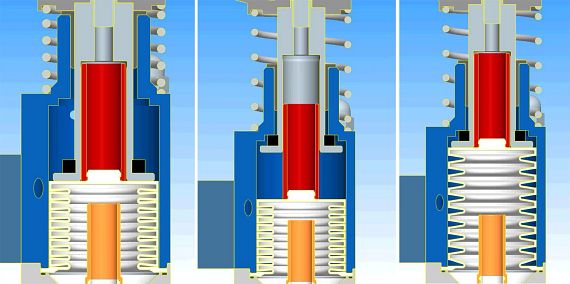
In a timed filling system, repeatable valve movement helps the controller maintain consistent cycle sequences. Appropriate closing behavior can also reduce the amount of liquid released after the target filling interval.
Nevertheless, a pneumatic valve does not automatically provide precise volumetric dosing. For demanding accuracy requirements, it may need to work with a flow meter, weighing system, level sensor, or other feedback device.
Filling equipment may experience seal wear, residue buildup, or changes in operating performance over time. Periodic inspection can help identify leakage, sluggish actuation, and other developing problems before they interrupt production.
Where the valve design permits component replacement, servicing worn seals or other approved parts may be more economical than replacing the entire assembly. Always confirm the availability of compatible service kits and follow the manufacturer's maintenance instructions.
A pneumatic fill valve can be incorporated into automated equipment using a compatible control valve, compressed-air supply, and PLC or other controller. Before installation, engineers should check connection dimensions, mounting space, air requirements, control signals, and the required switching sequence.
These checks are particularly important when replacing an existing valve. Matching only the port size may not be sufficient if the replacement has different flow characteristics, actuator requirements, or sealing materials.
Before choosing a model, evaluate the following parameters:
① Medium: Identify the liquid, its viscosity, chemical properties, and any tendency to foam or leave deposits.
② Pressure and temperature: Confirm normal and maximum operating conditions, including cleaning cycles where applicable.
③ Flow capacity: Match the valve's rated flow characteristics to the required filling rate and available pressure differential.
④ Sealing material: Verify compatibility with the product and operating environment.
⑤ Cycle frequency: Check that the valve and actuator are suitable for the required switching frequency.
⑥ Control and installation: Confirm port size, connections, mounting arrangement, air supply, and control-system compatibility.
⑦ Dosing requirements: Determine whether timed filling is sufficient or whether measurement and feedback are needed to achieve the target accuracy.
These factors help ensure that the selected valve operates within its intended range rather than relying on general performance claims.
Reliable filling depends on the performance of the entire dispensing system. The valve, actuator, compressed-air supply, fluid delivery equipment, nozzle, and controller must work together to provide consistent operation.
The AV700 Series fill valve can be evaluated as part of an automated filling solution where pneumatic control, repeatable switching, and dependable shutoff are important. Before purchase, confirm the model's technical specifications, compatible media, seal options, operating limits, and maintenance requirements.
Matching the valve to the actual process is the foundation of reliable filling. Careful selection and regular maintenance help reduce avoidable downtime, control product waste, and support consistent production performance.
(FK9025)
 AV700 Series Fill Valve: A Comprehensive Application Guide
 Pilot Pressure vs Working Pressure in Industrial Valves: Key Differences and Selection Guide
 Water Hammer Explained: Why Angle Seat Valves Are the Optimal Solution
 Valve Flow Rate Comparison: An Analysis of Four Common Valve Types
 The Temperature Limit of Valves: How Seal Material Affects Valve Body Performance
You May Interest In

Dec 02, 2025 Blog
What are the parts of a pneumatic cylinder?
Apr 18, 2025 Blog
What is an Angle Seat Valve?
Get a free sample

Fokca is a brand of Ningbo Fokca Automation Co., Ltd.
Looking for custom pneumatic cylinder solutions? Visit our sister brand, Fescolo.→
© 2026 Ningbo Fokca Automation Co., Ltd. All rights reserved. Sitemap




 None
None