Oct 23, 2026
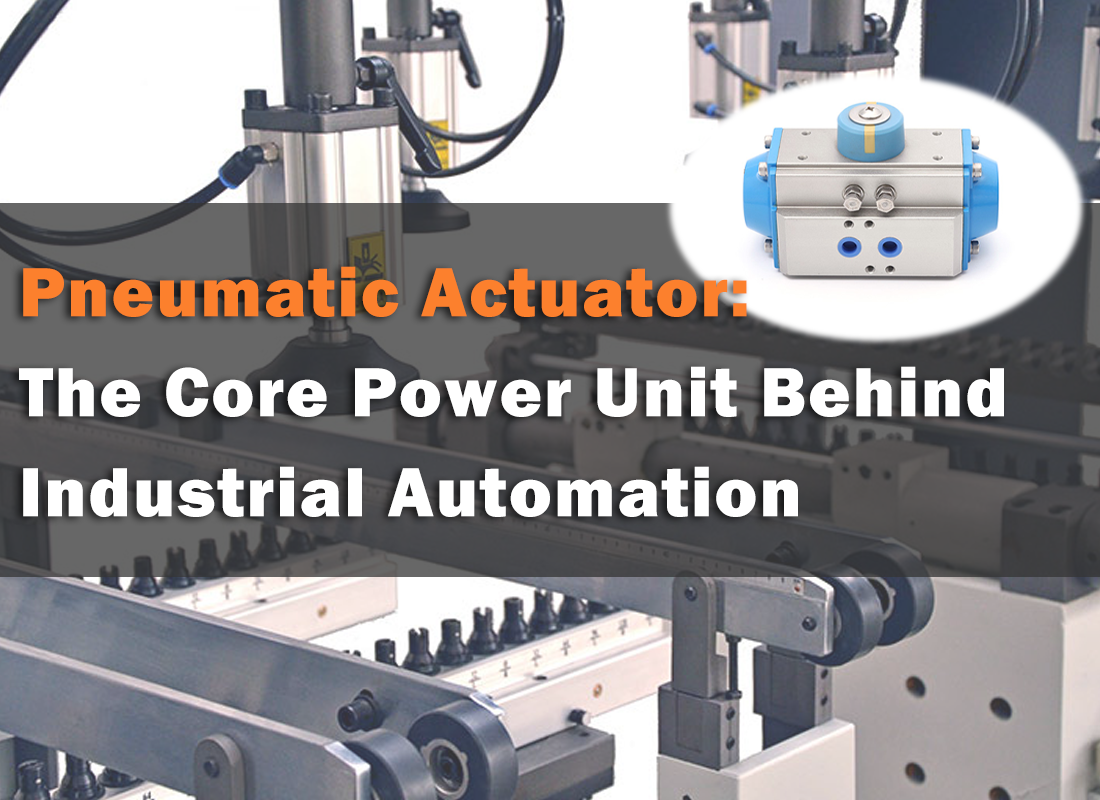
Industrial automation depends on more than control software. Valves, dampers, and mechanical components must move reliably in response to operating commands. A pneumatic actuator converts compressed air energy into mechanical motion, enabling automated equipment to perform repetitive tasks with consistent control.
Pneumatic actuators are widely used in manufacturing, water treatment, chemical processing, food production, and industrial valve systems. Their relatively simple construction, rapid response, and suitability for frequent operation make them a practical choice for many applications. Selecting the right actuator, however, requires consideration of output force or torque, operating pressure, duty cycle, environmental conditions, and safety requirements.
A pneumatic actuator is a device that uses compressed air to generate linear or rotary movement. Depending on its construction, air pressure moves a piston, drives a rack-and-pinion mechanism, or operates another internal mechanism to produce the required motion.
In a rack-and-pinion rotary actuator, compressed air moves two pistons in opposite directions. The pistons drive a central pinion, converting linear piston movement into rotation. Many industrial models provide a 90-degree rotation, making them suitable for quarter-turn valves such as ball valves and butterfly valves.
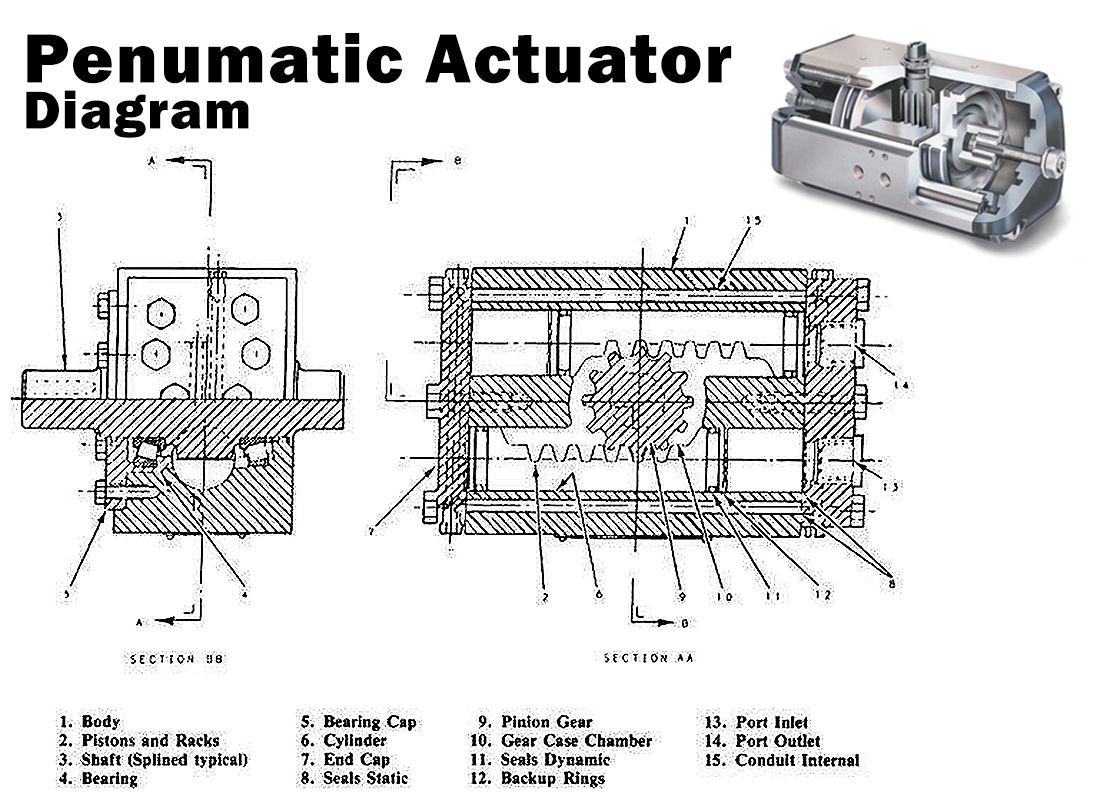
Actuator performance depends on several factors, including air pressure, piston area, mechanical design, friction, and air supply capacity. For rotary actuators, the available output torque must meet the driven equipment's requirements throughout its operating cycle. Adequate air supply and correctly sized control valves also help maintain the required operating speed.
Pneumatic actuators are particularly common in applications that require automated switching, repeated movement, or remote operation.
● Valve automation: Operating ball valves, butterfly valves, and compatible plug valves in industrial pipelines.
● Water treatment: Controlling fluid flow in treatment equipment and distribution systems.
● Food and beverage production: Automating suitable process valves and supporting coordinated production sequences.
● Industrial ventilation: Moving dampers to regulate airflow in ventilation and process systems.
● Manufacturing automation: Driving mechanisms used in packaging equipment, assembly lines, and material-handling systems.
Pneumatic actuators can perform well in dusty or humid environments when their enclosure, seals, materials, and protection ratings are appropriate. For potentially explosive atmospheres, the complete installation must meet the applicable hazardous-area requirements; compressed-air operation alone does not establish explosion protection.
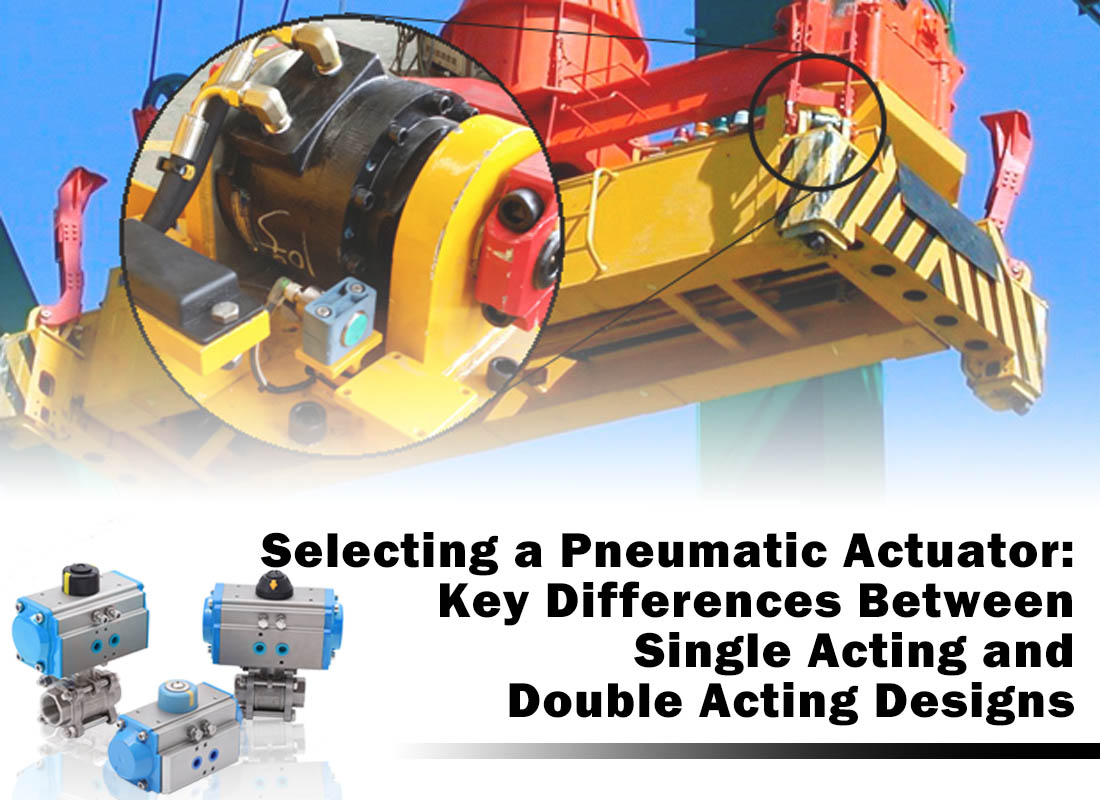
The two common actuator configurations are single-acting and double-acting designs. Their main difference is how compressed air and mechanical return forces produce movement.
● Single-acting pneumatic actuators use compressed air to move the mechanism in one direction, with a spring providing the return force. They may be selected when a defined return position is required following loss of air supply. The actual return position depends on the actuator and valve arrangement.
● Double-acting pneumatic actuators use compressed air alternately on both sides of the piston to drive movement in each direction. They are widely used in automated systems requiring powered opening and closing, frequent cycling, or controlled rotary operation.
When choosing between these configurations, consider the required torque, available supply pressure, operating frequency, and response to loss of air. For safety-related shutoff applications, verify the complete assembly's fail position and suitability for the required safety function rather than relying on the actuator type alone.
Pneumatic actuators offer several practical advantages in industrial environments:
● Fast operation: Suitable for applications requiring rapid, repeated movement.
● Simple mechanical construction: Many designs have relatively few moving components.
● Convenient automation: They can be integrated with solenoid valves, limit switches, and suitable control systems.
● Environmental flexibility: Appropriate models can operate in demanding environments when correctly specified.
● Practical maintenance: Routine inspection and replacement of wear components can help maintain performance.
There are also limitations. Compressed air is compressible, which can make precise positioning more challenging than with certain electric servo systems. Air leakage, pressure fluctuations, and compressor inefficiency can increase energy consumption. Standard on/off pneumatic actuators also do not inherently provide precise continuous position control.
For applications requiring accurate positioning, feedback devices and suitable control equipment may be necessary. Electric or hydraulic alternatives may be more appropriate when the application demands specific positioning accuracy, force, or control characteristics.
FOKCA's VT Series pneumatic actuators are designed for automated rotary operation in industrial applications. The series uses a rack-and-pinion mechanism to convert piston movement into rotary output, providing a practical solution for compatible quarter-turn valves and other rotary equipment.
According to the supplied product information, the VT Series covers bore sizes from 32 mm to 400 mm and offers both single-acting and double-acting configurations. Available design features include a hard-anodized aluminum housing, precision-machined internal components, a position indicator, and options for integration with solenoid valves, limit switches, and positioners.
Key selection considerations include:
● Actuator size: Match the model to the torque required by the driven valve or mechanism.
● Operating pressure: Confirm the permitted supply pressure and corresponding output torque.
● Configuration: Choose single-acting or double-acting operation according to control and return requirements.
● Mounting and accessories: Check interface dimensions and compatibility with control components.
● Operating environment: Verify material, sealing, corrosion protection, and temperature suitability for the installation.
Actual torque output, allowable operating conditions, and accessory compatibility should be confirmed using the technical data for the selected model.
Start by identifying the required motion, such as linear travel or quarter-turn rotation. Next, determine the load or valve torque, available air pressure, operating frequency, and required response time. For valve applications, use the valve manufacturer's operating torque data, including any relevant breakaway or seating requirements.
Then consider the installation environment, mounting interface, control method, and behavior required if the air supply fails. Correct actuator sizing helps prevent insufficient output, unnecessary oversizing, and avoidable air consumption.
A reliable pneumatic actuator is the result of matching its mechanical design, materials, sealing system, and control accessories to the application. With appropriate selection and maintenance, pneumatic actuators remain a practical option for dependable industrial motion and valve automation.
For assistance selecting a suitable actuator, contact FOKCA with your valve model, required torque, working pressure, mounting dimensions, and operating conditions.
(FK9025)
 Selecting a Pneumatic Actuator: Key Differences Between Single Acting and Double Acting Designs
 Pneumatic Actuator: The Core Power Unit Behind Industrial Automation
 Why Food Grade Diaphragm Valve Has Become the Standard in Hygienic Piping Systems
 AV700 Series Fill Valve: A Comprehensive Application Guide
 Pilot Pressure vs Working Pressure in Industrial Valves: Key Differences and Selection Guide
You May Interest In

Dec 02, 2025 Blog
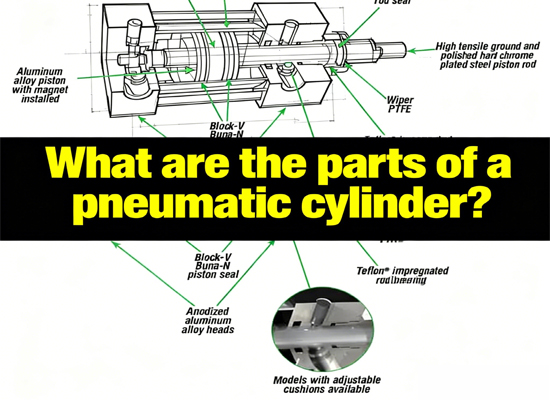
What are the parts of a pneumatic cylinder?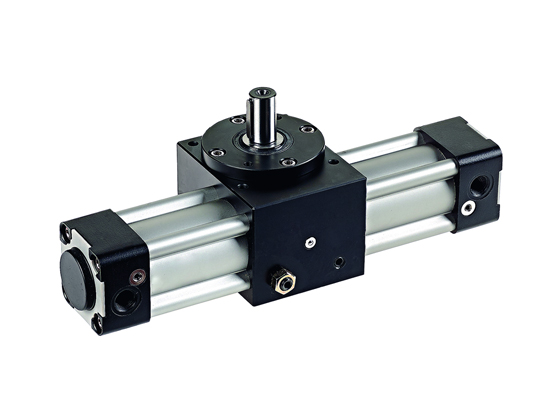
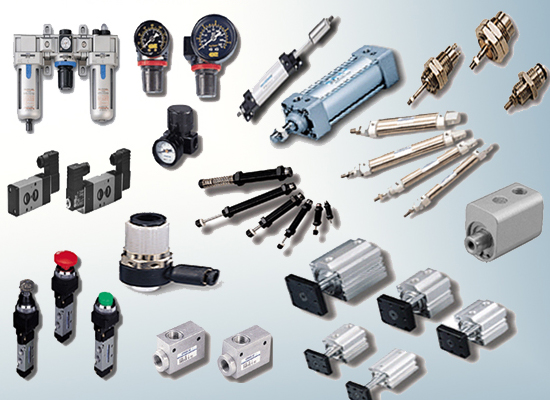
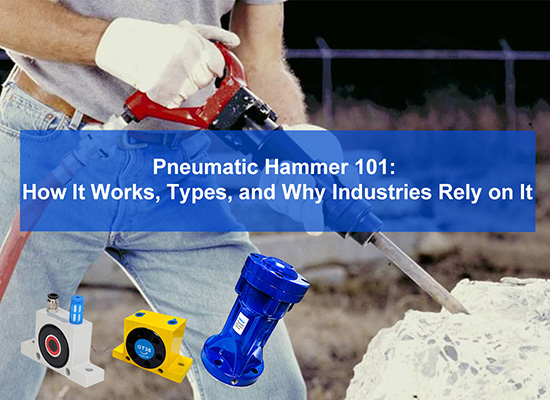
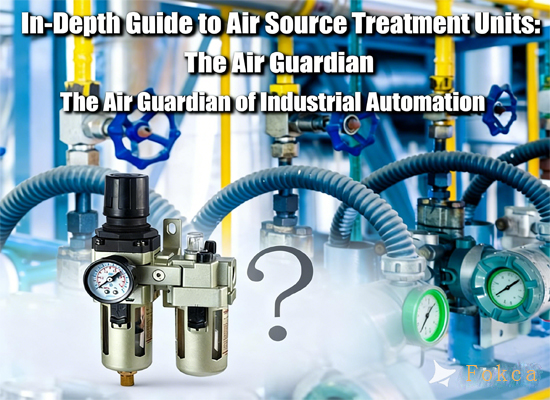
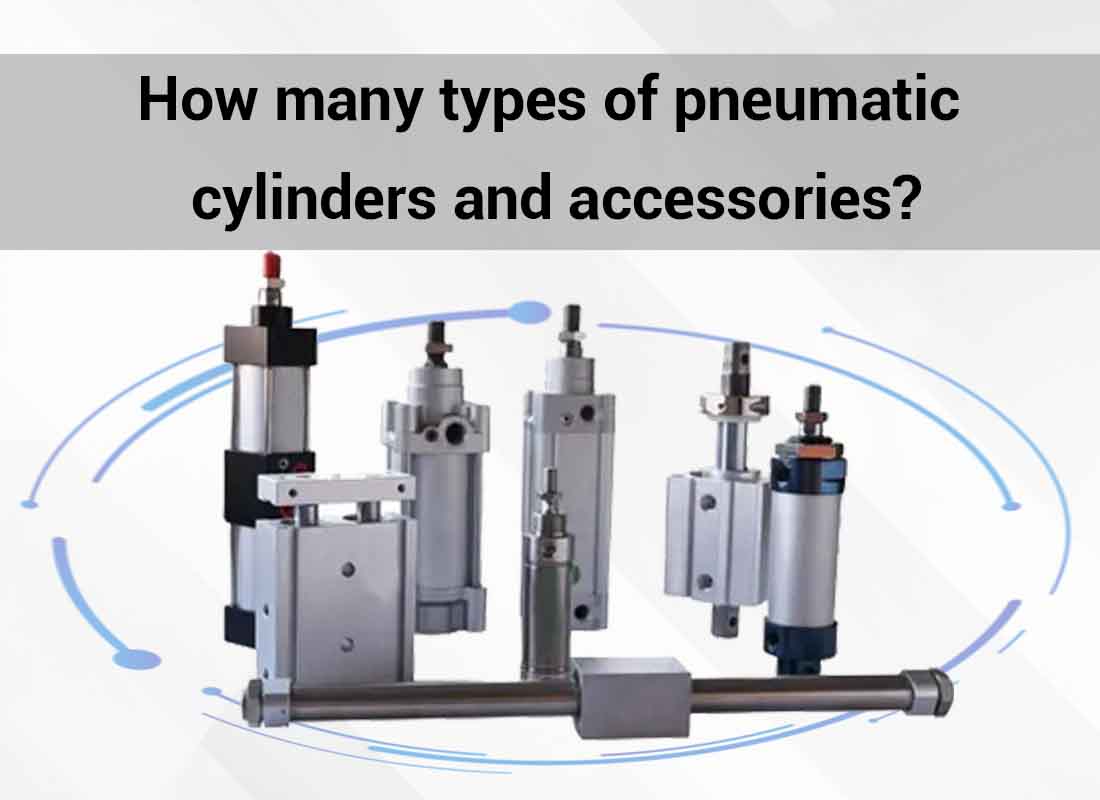
Apr 18, 2025 Blog
What is an Angle Seat Valve?
Get a free sample

Fokca is a brand of Ningbo Fokca Automation Co., Ltd.
Looking for custom pneumatic cylinder solutions? Visit our sister brand, Fescolo.→
© 2026 Ningbo Fokca Automation Co., Ltd. All rights reserved. Sitemap