Oct 30, 2026
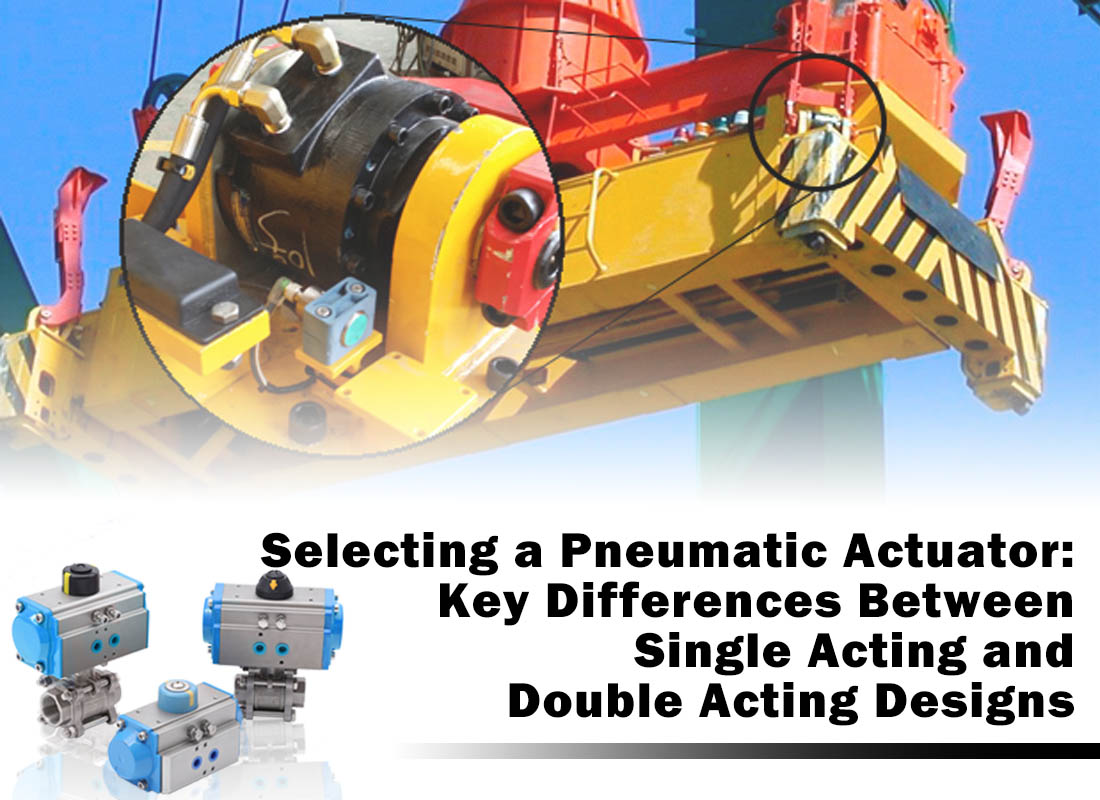
In industrial automation, pneumatic actuators convert compressed air into mechanical motion to operate valves and other equipment. Their performance directly affects process control, operating efficiency, and system safety.
When selecting a pneumatic valve actuator, one of the first decisions is whether to use a single acting or double acting design. Both types use compressed air to generate movement, but their return mechanisms, air consumption, output characteristics, and behavior during air supply failure are different.
Understanding these differences helps engineers choose an actuator that matches the valve requirements, operating conditions, and safety strategy of the application.
A single acting pneumatic actuator uses compressed air to drive movement in one direction, while an internal spring provides the force for the return stroke. Depending on the actuator configuration, it can be designed to return to either the open or closed position when the air supply is lost.
This spring-return mechanism is particularly valuable in applications where a valve must move to a predetermined position during an air supply failure. For example, a fuel gas shut-off valve may need to close, while another process valve may need to open to release pressure or maintain cooling flow.
The actual fail-safe position depends on the actuator and valve configuration. Engineers must confirm whether the required action is fail-close or fail-open and ensure that the spring-return torque is sufficient throughout the valve's operating range.
Typical applications include:
● Steam and thermal process systems
● Fuel gas shut-off and safety isolation
● Chemical processing and dosing systems
● Food and beverage processing lines
● Pharmaceutical and other process pipelines
Single acting actuators are a practical choice when a defined valve position is required after loss of compressed air. However, the spring mechanism also affects available output torque and actuator sizing.
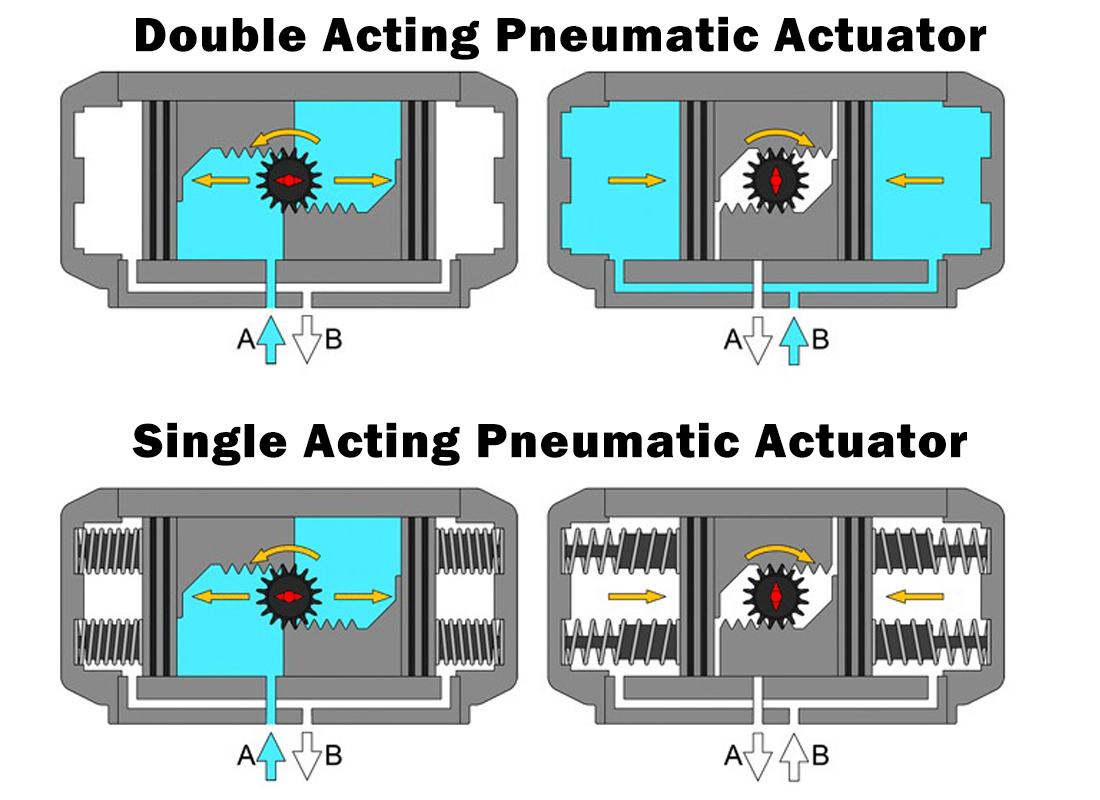
A double acting pneumatic actuator uses compressed air to drive both the opening and closing strokes. Instead of relying on a spring for return movement, it uses air pressure alternately supplied to its two working chambers.
Because there is no return spring to overcome, a double acting actuator can provide a more balanced torque output across its operating range. This makes it suitable for applications involving larger valves, higher operating resistance, or demanding process conditions.
Double acting actuators are commonly used with pneumatic ball valves and butterfly valves. They are also suitable for automated production lines where valves need to switch repeatedly as part of a controlled operating sequence.
Another advantage is the absence of a spring-return mechanism, eliminating spring fatigue as a potential failure mode. However, seals, bearings, and other moving components still experience wear and require appropriate maintenance.
One important limitation is that a standard double acting actuator does not automatically move to a defined position when the air supply fails. The valve may remain in its current position or move unpredictably depending on the system design and operating conditions. If fail-safe action is required, additional measures such as an accumulator, backup air supply, or dedicated safety system may be necessary.
The choice between single acting and double acting designs should be based on the complete application rather than one performance characteristic.
Safety requirements should be considered first. If a valve must automatically move to an open or closed position when compressed air is lost, a correctly sized single acting actuator is generally the more direct solution.
For example, a gas isolation valve may require fail-close operation to stop fuel supply. A cooling or pressure-relief-related process valve may require a different failure position, depending on the process safety assessment.
Recommended choice: Single acting actuator when spring-return fail-safe action is required.
The actuator must generate enough torque to operate the valve under the actual working conditions. Factors such as valve size, differential pressure, medium, temperature, seat material, and operating frequency can affect the required torque.
Double acting actuators often provide higher available torque than spring-return models of comparable size because they do not need to overcome a return spring. However, this is not a universal rule. The actual output depends on actuator design, air pressure, piston area, and stroke position.
For single acting actuators, engineers must check both air-driven and spring-return torque to ensure sufficient force in each direction.
Recommended choice: Compare the manufacturer's torque tables with the valve's required torque, including an appropriate safety margin.
For applications involving frequent valve switching, double acting actuators are often preferred because they provide powered movement in both directions without relying on spring return.
However, operating speed is not determined by actuator type alone. Air supply pressure, valve flow capacity, tubing size, exhaust restrictions, load, and control accessories all influence cycle time.
Single acting actuators can also operate reliably in frequent-cycle applications when properly selected and maintained. Their spring service life should be considered if the equipment runs continuously.
Typical applications: Packaging machinery, filling equipment, automated production lines, and valve manifolds.
A single acting actuator generally uses compressed air for one powered stroke, while the spring provides the return force. A double acting actuator requires compressed air for both strokes.
As a result, single acting designs may reduce air consumption in some operating conditions. Actual consumption depends on actuator volume, operating pressure, stroke frequency, and the control system.
Neither design is immune to air quality problems. Both require clean, properly regulated compressed air to protect internal seals and moving components. Suitable filtration and moisture control help maintain stable operation and extend service life.
Single acting actuators contain a spring package and may require additional design considerations for spring force, installation, and maintenance. Double acting actuators have no return spring, which can simplify their internal configuration.
However, it is not accurate to assume that one type is always cheaper. The final cost depends on actuator size, torque requirements, materials, accessories, and control configuration.
For life-cycle evaluation, consider not only the purchase price but also compressed air consumption, maintenance intervals, replacement parts, and the cost of unexpected downtime.
| Selection Factor | Single Acting Actuator | Double Acting Actuator |
| Operating principle | Air drives one stroke; spring drives the return | Air drives both strokes |
| Behavior during air failure | Returns to a preset position if correctly configured | No inherent spring-return position |
| Output torque | Must meet air-stroke and spring-return requirements | Powered torque in both directions |
| Air consumption | Usually air supplied for one stroke | Air supplied for both strokes |
| High-cycle operation | Depends on spring design and service life | No spring fatigue; other components still wear |
| Control requirements | Requires suitable spring-return control arrangement | Requires directional air control |
| Cost | Depends on spring design and accessories | Depends on size, torque, and configuration |
A practical selection process starts with the valve and its operating conditions:
● A defined fail-open or fail-close position is required: Consider a single acting actuator with the correct spring-return configuration.
● Powered movement is needed in both directions: Consider a double acting actuator.
● The valve has high operating torque requirements: Compare the torque curves of both designs against the valve manufacturer's requirements.
● The system operates at high frequency: Evaluate cycle time, air supply capacity, and component service life.
● Compressed air consumption is a concern: Calculate actual air consumption based on operating pressure, actuator volume, and cycle frequency.
When safety requirements and operating efficiency conflict, the process safety assessment should take priority. The actuator must also be compatible with the valve, solenoid valve, limit switch, positioner, and other control accessories.
Single acting and double acting pneumatic actuators serve different operating needs. Single acting designs provide spring-return movement for applications requiring a defined valve position after air failure. Double acting designs use compressed air in both directions and are suitable for applications requiring powered opening and closing.
Neither type is universally better. The right choice depends on valve torque, failure behavior, operating frequency, air supply conditions, and maintenance requirements.
FOKCA provides pneumatic actuators and valve automation solutions for industrial applications. Contact our team with your valve specifications, required torque, operating pressure, and control requirements to find a suitable actuator configuration.
(FK9025)
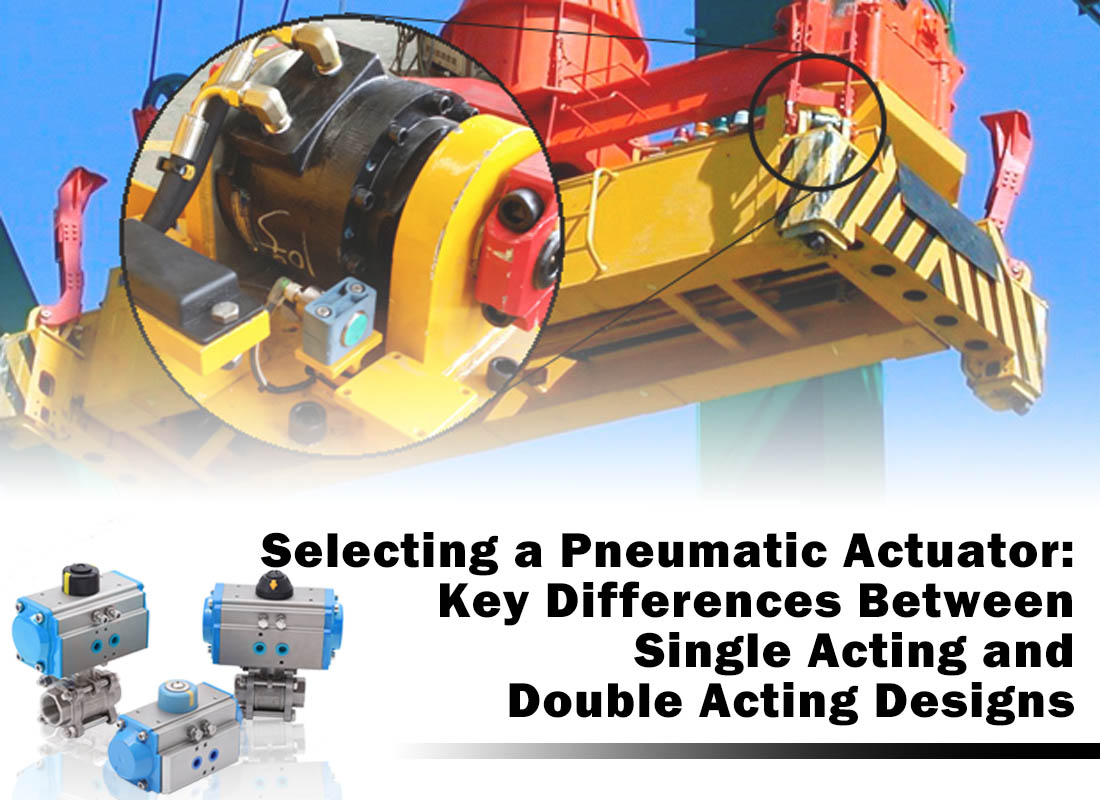 Selecting a Pneumatic Actuator: Key Differences Between Single Acting and Double Acting Designs
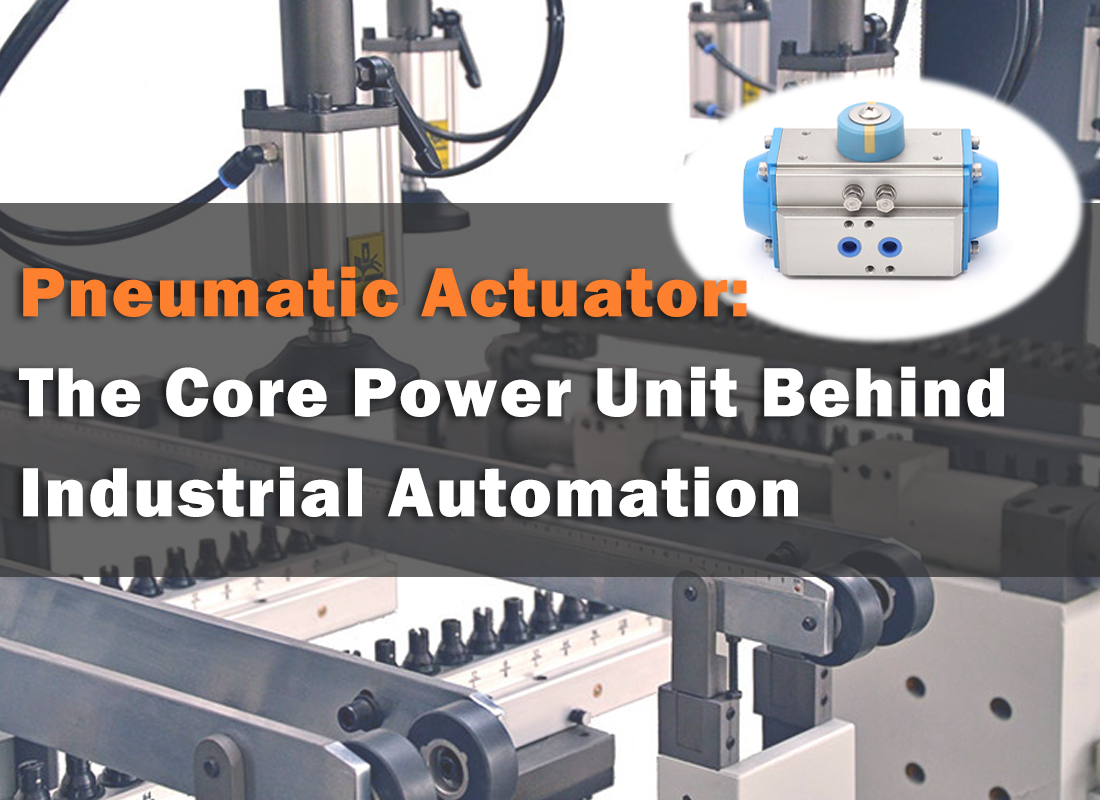 Pneumatic Actuator: The Core Power Unit Behind Industrial Automation
 Why Food Grade Diaphragm Valve Has Become the Standard in Hygienic Piping Systems
 AV700 Series Fill Valve: A Comprehensive Application Guide
 Pilot Pressure vs Working Pressure in Industrial Valves: Key Differences and Selection Guide
You May Interest In

Dec 02, 2025 Blog
What are the parts of a pneumatic cylinder?
Apr 18, 2025 Blog
What is an Angle Seat Valve?
Get a free sample

Fokca is a brand of Ningbo Fokca Automation Co., Ltd.
Looking for custom pneumatic cylinder solutions? Visit our sister brand, Fescolo.→
© 2026 Ningbo Fokca Automation Co., Ltd. All rights reserved. Sitemap




 None